Todtnauberg or the eternal return
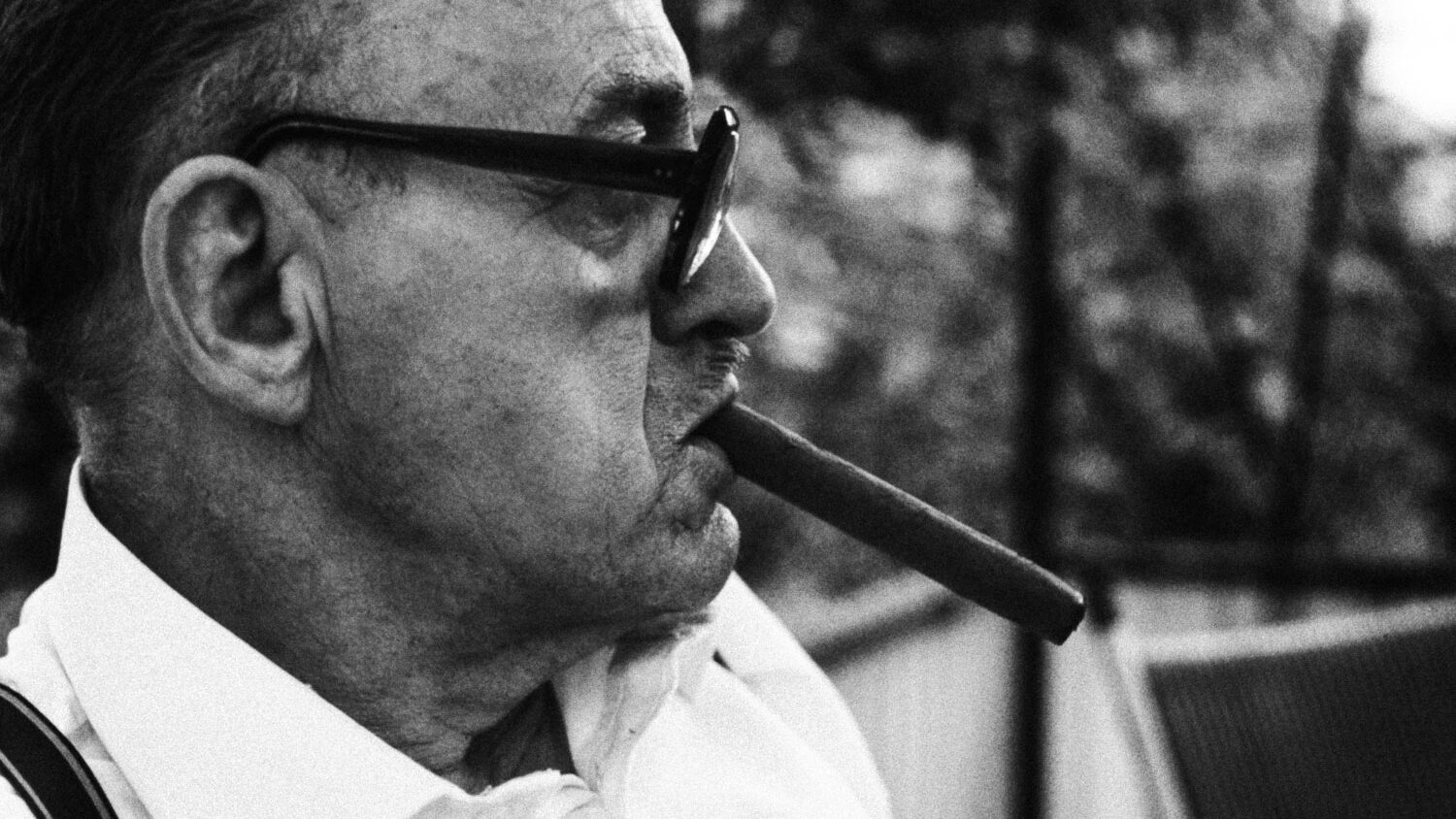
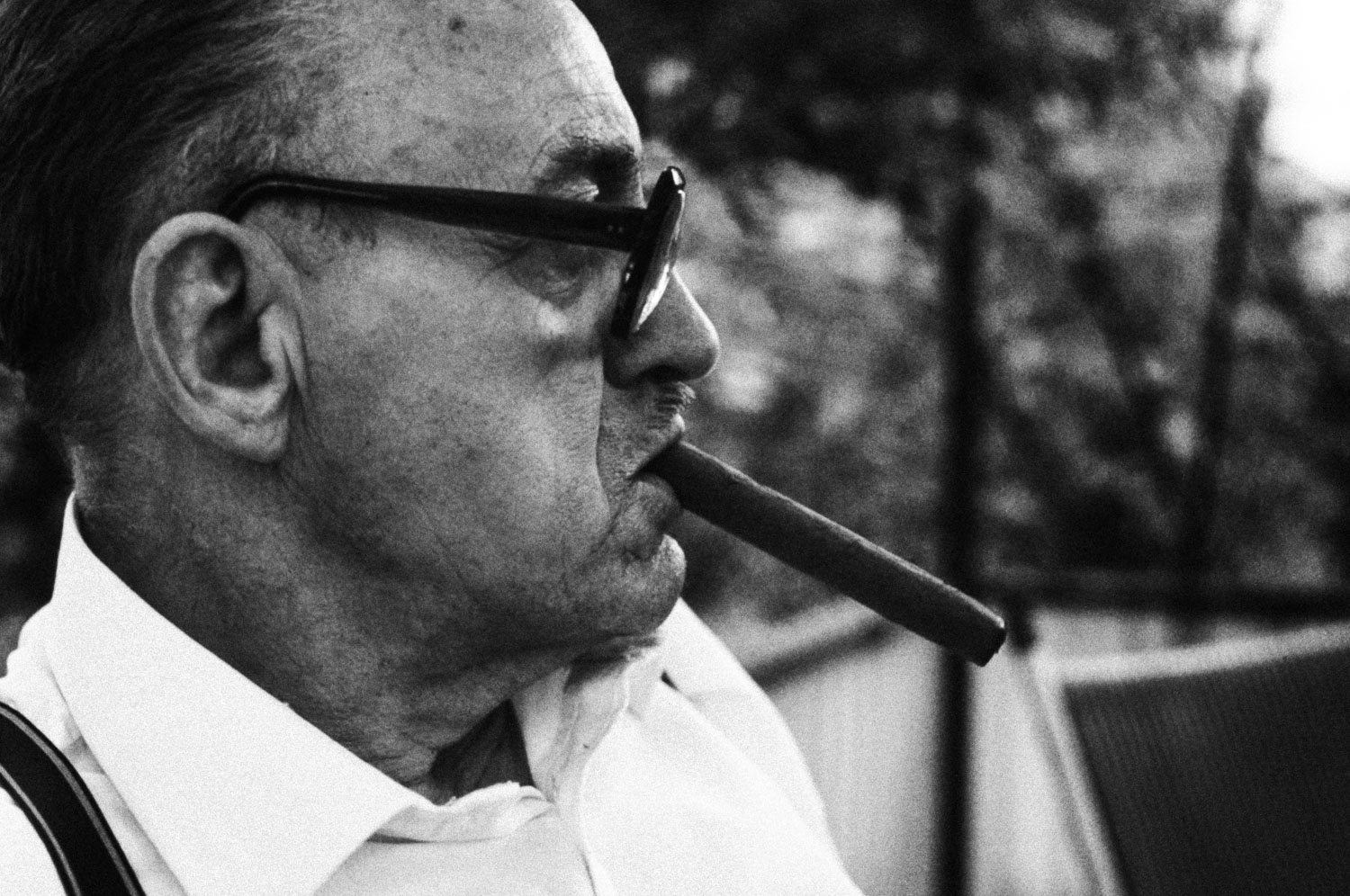
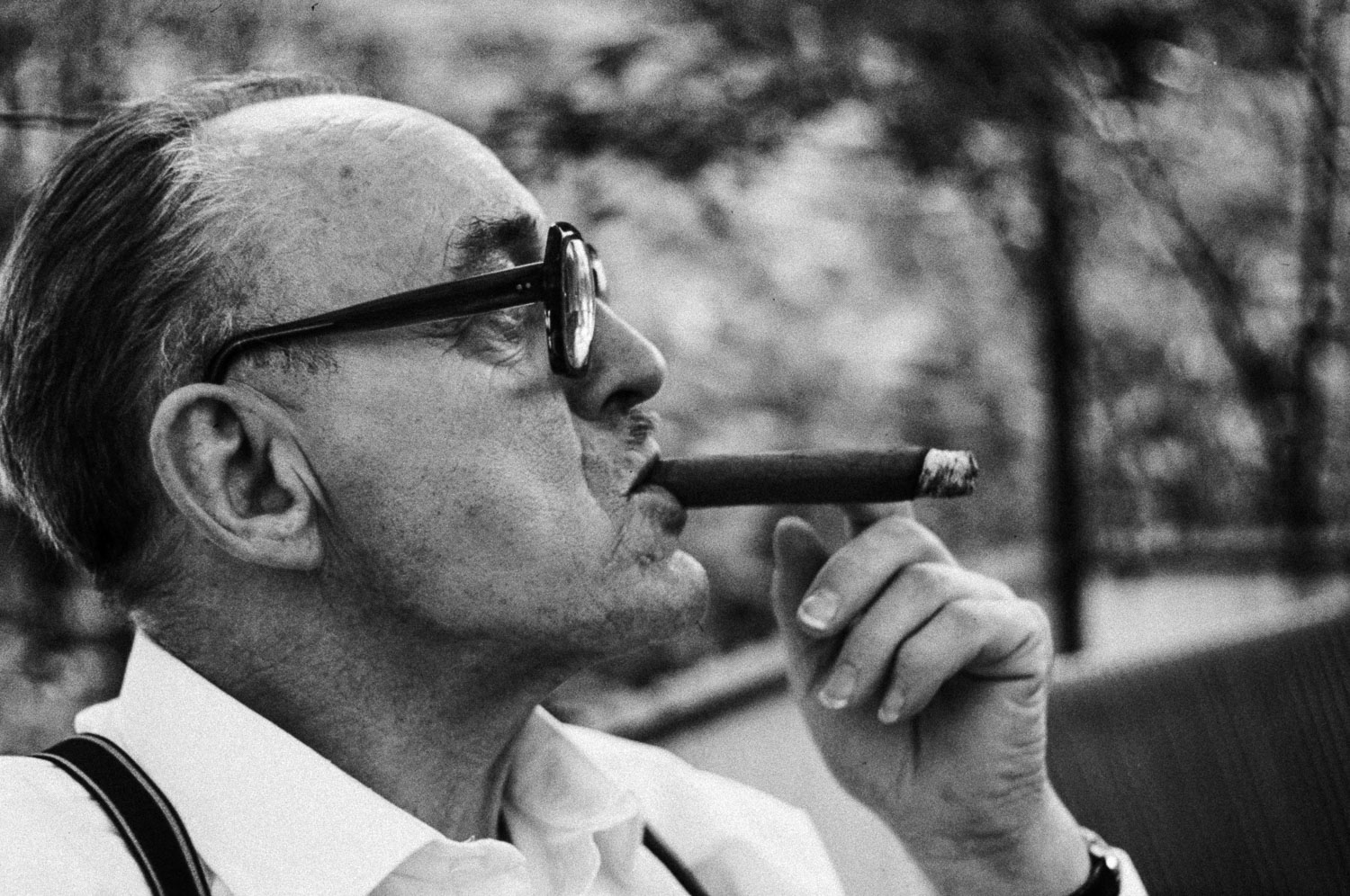
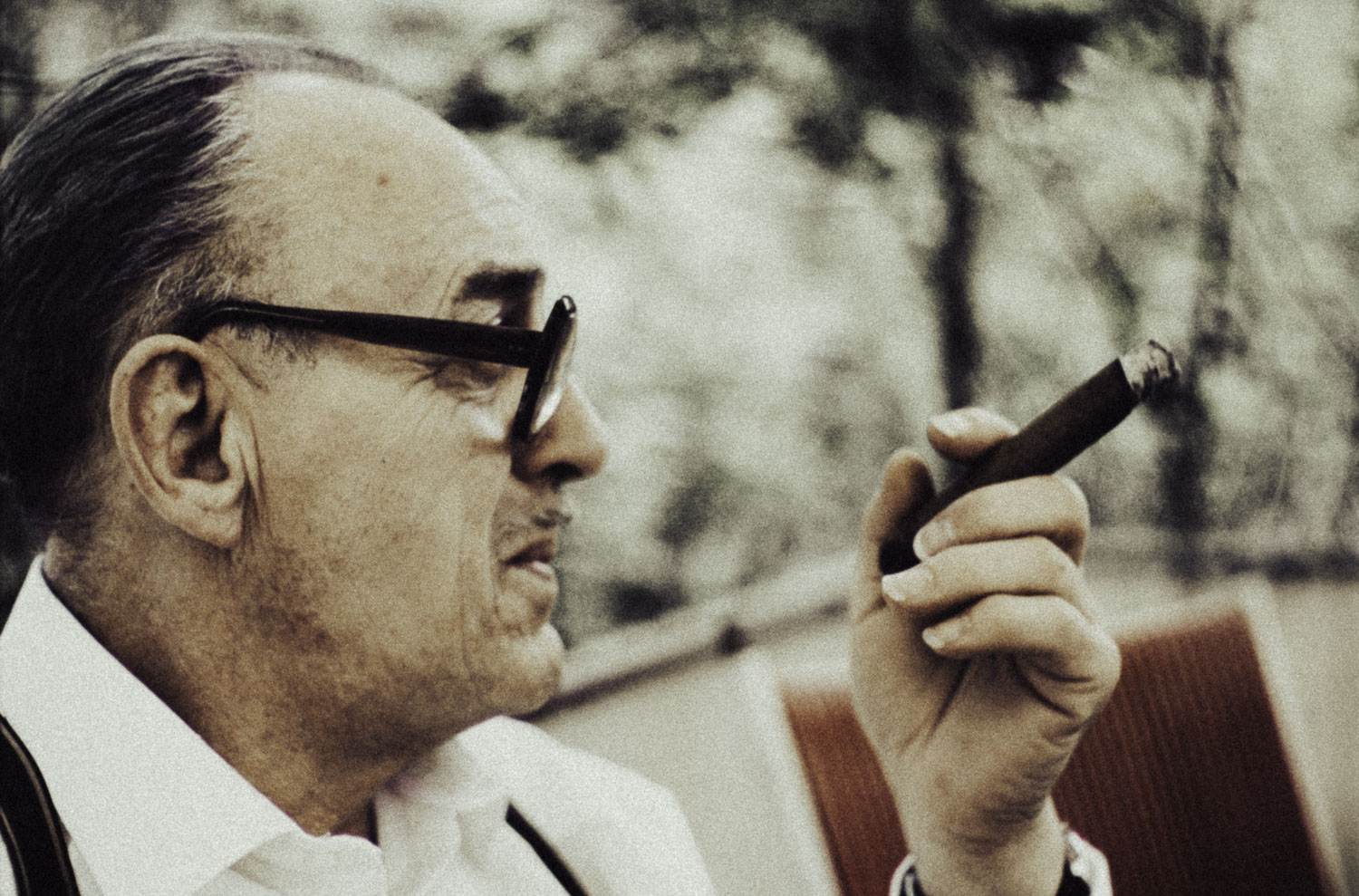
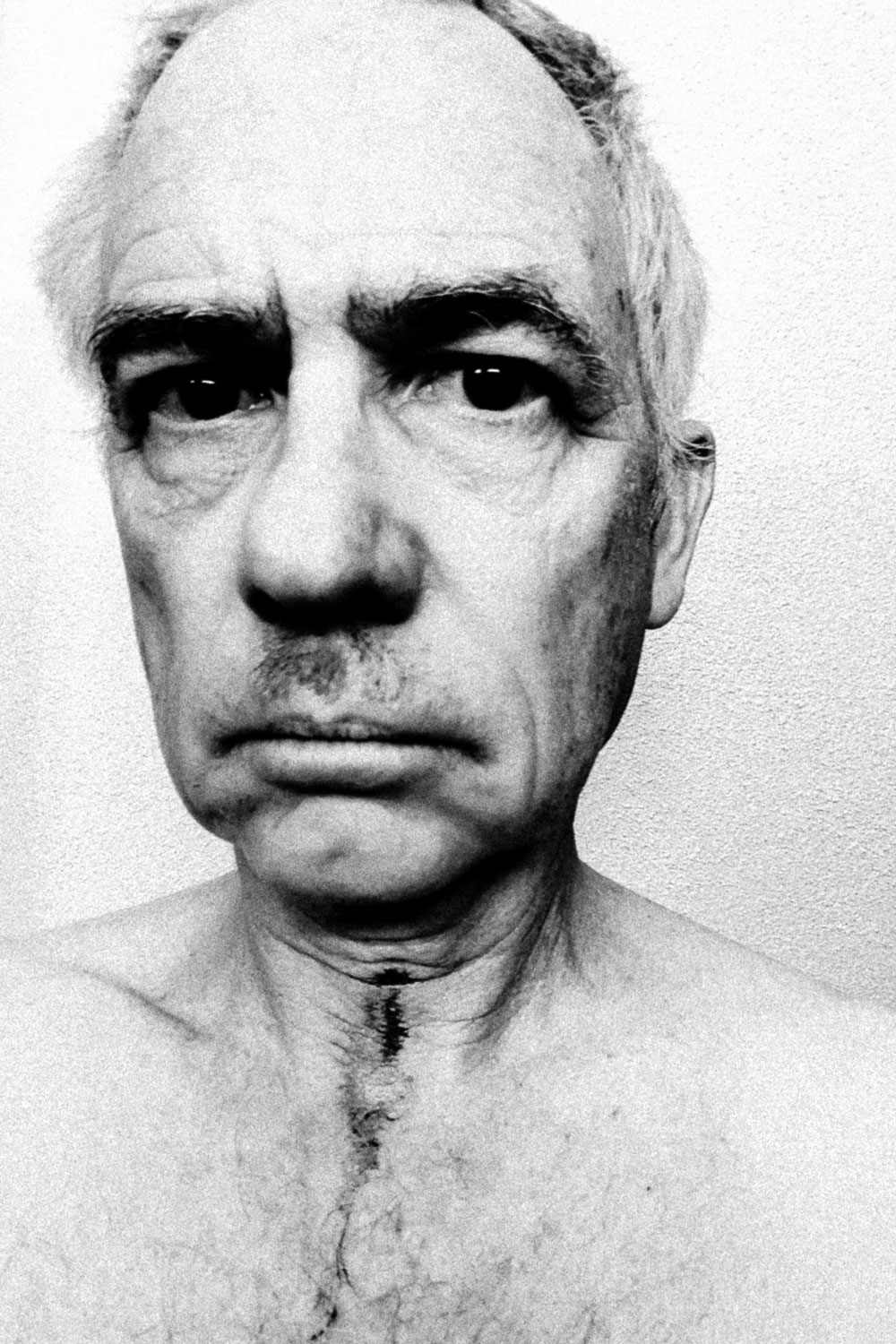
My grandfather was a Nazi. I have three portraits of him, smoking a cigar. He is ordinary. He is familiar. He is mine.
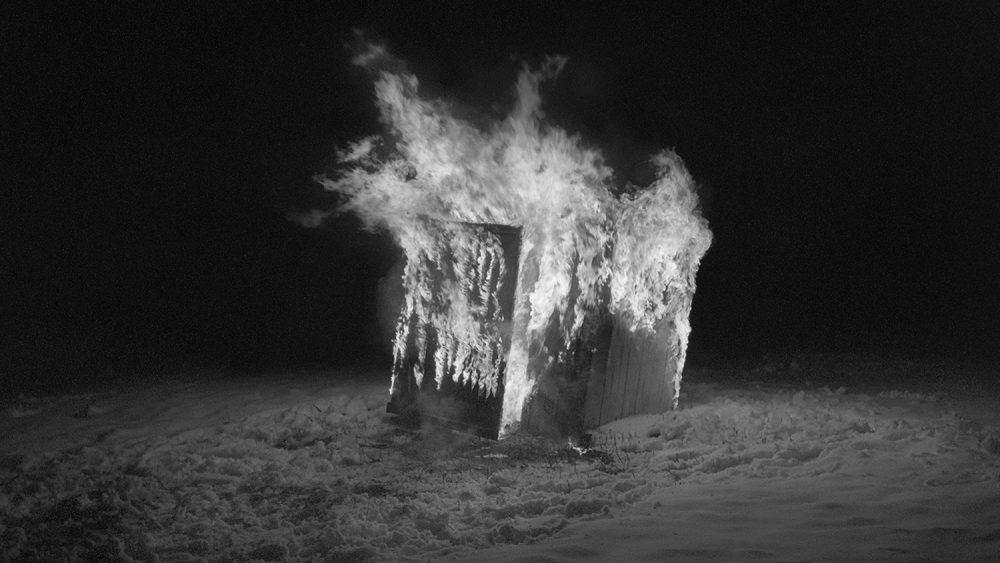
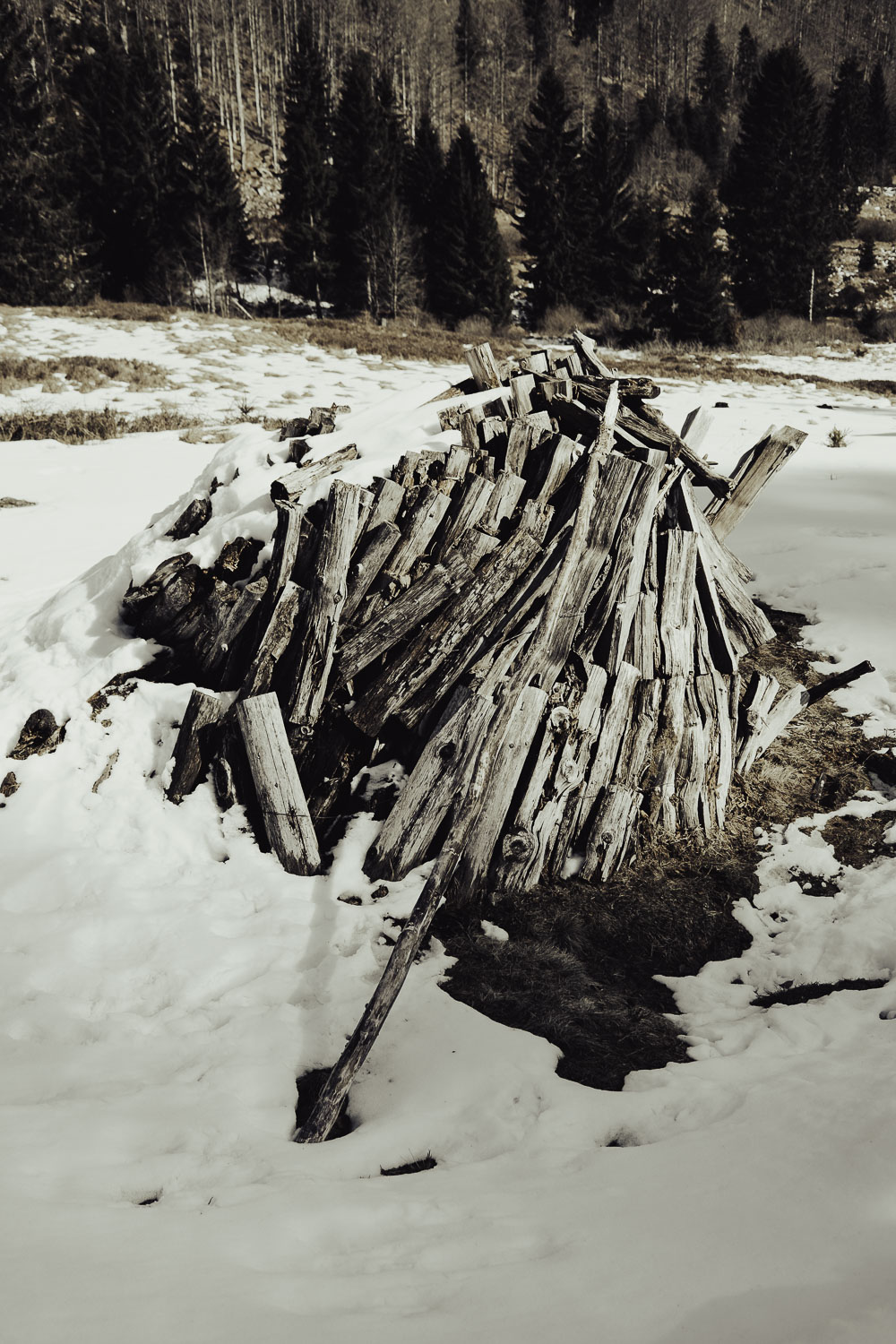
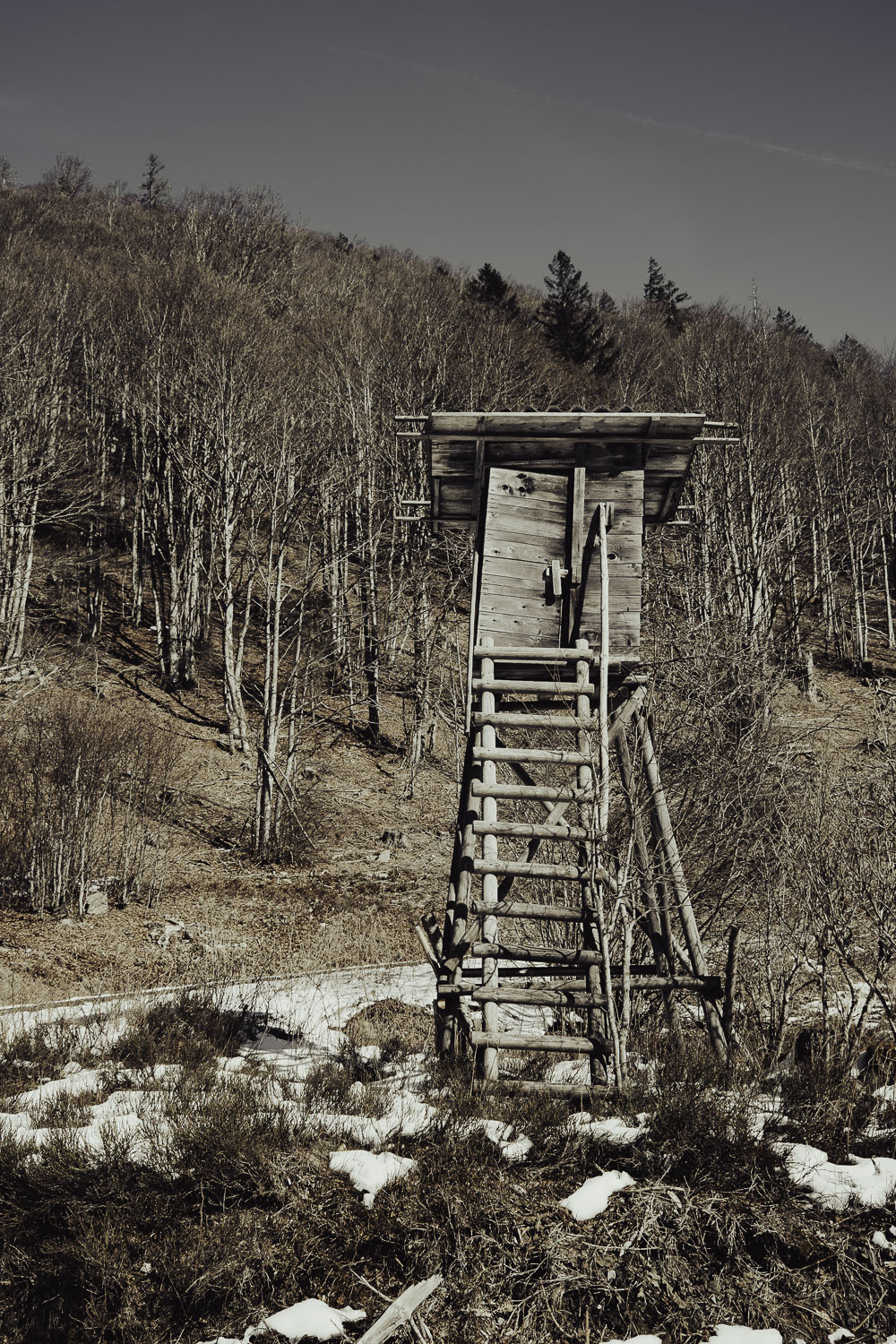
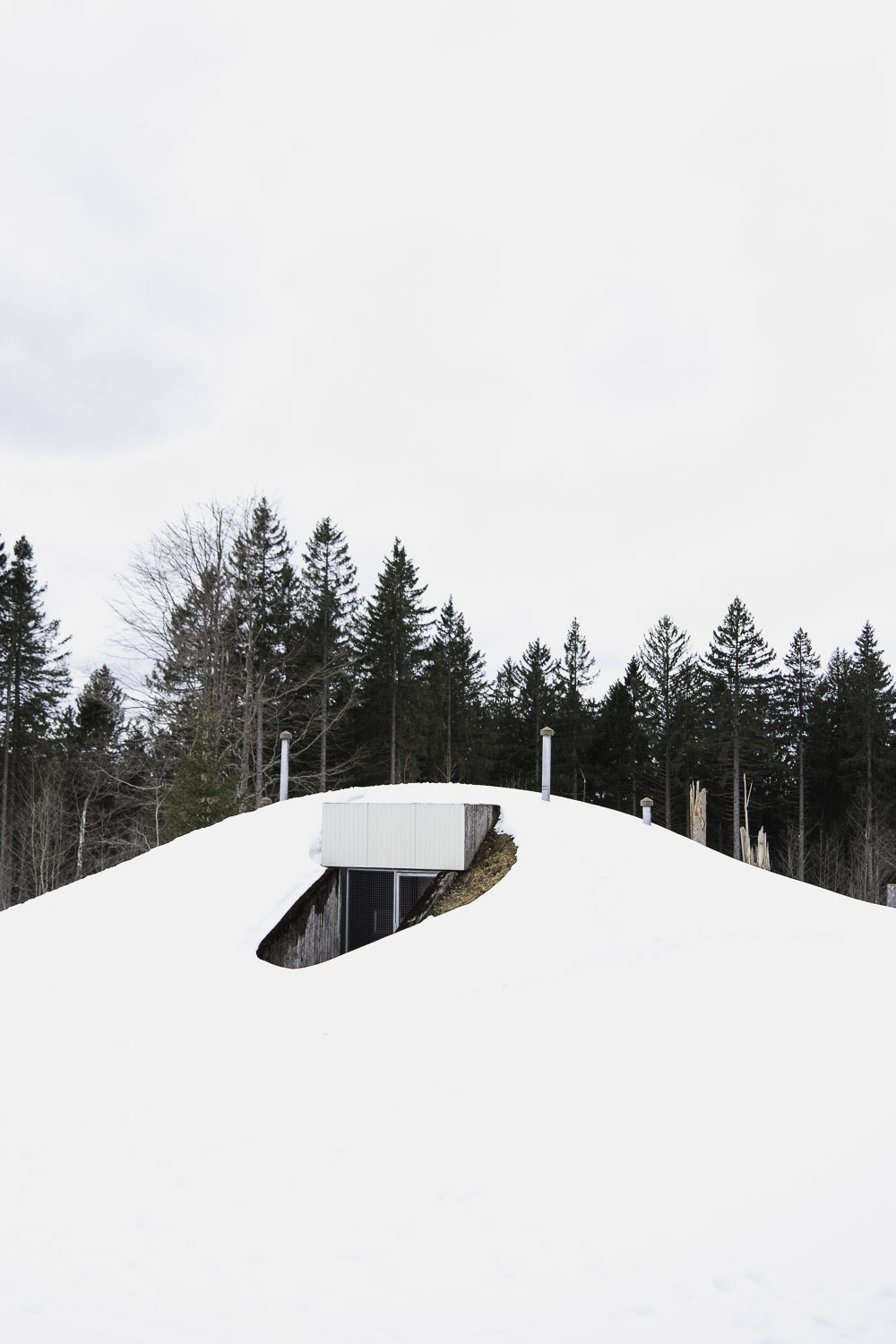
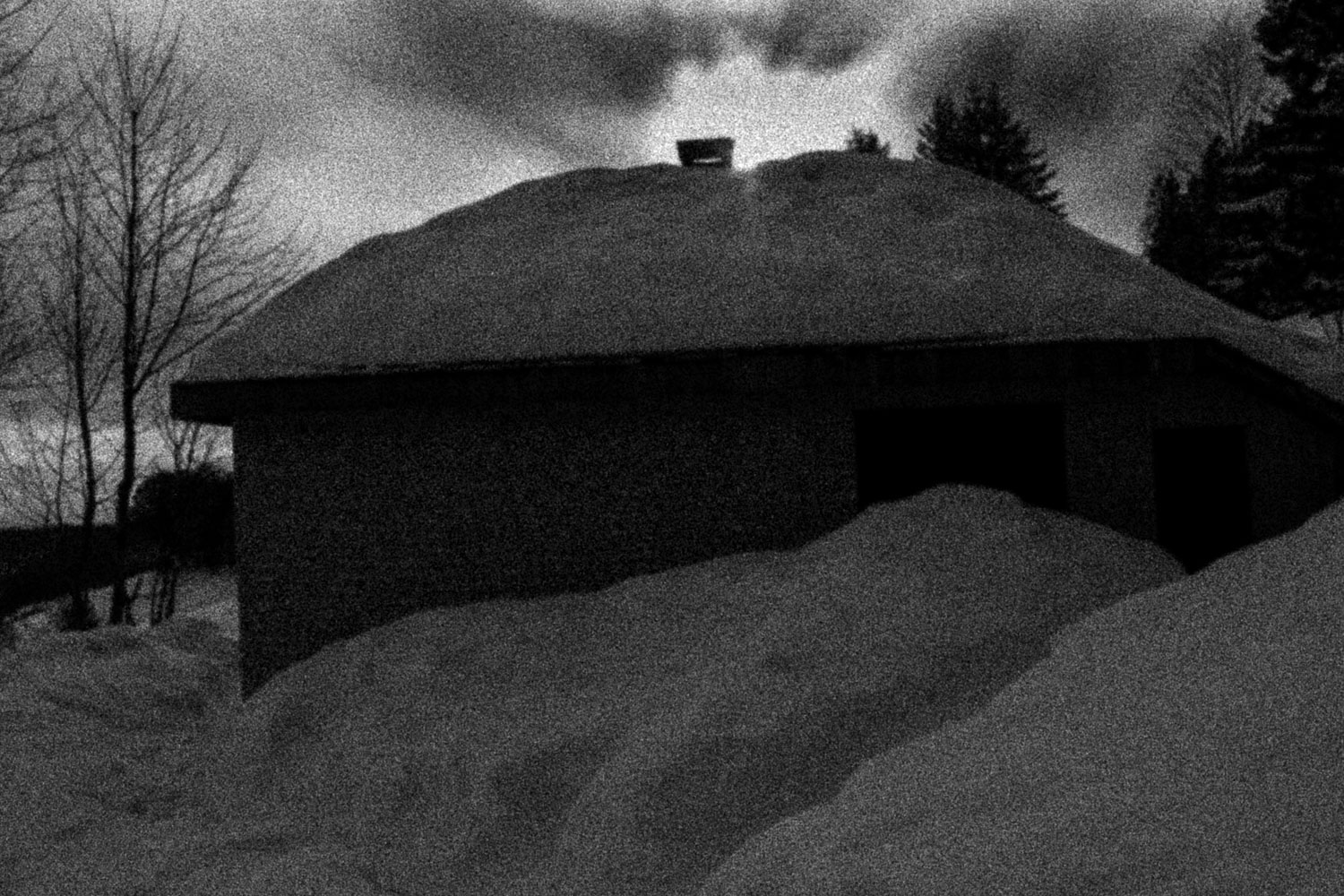
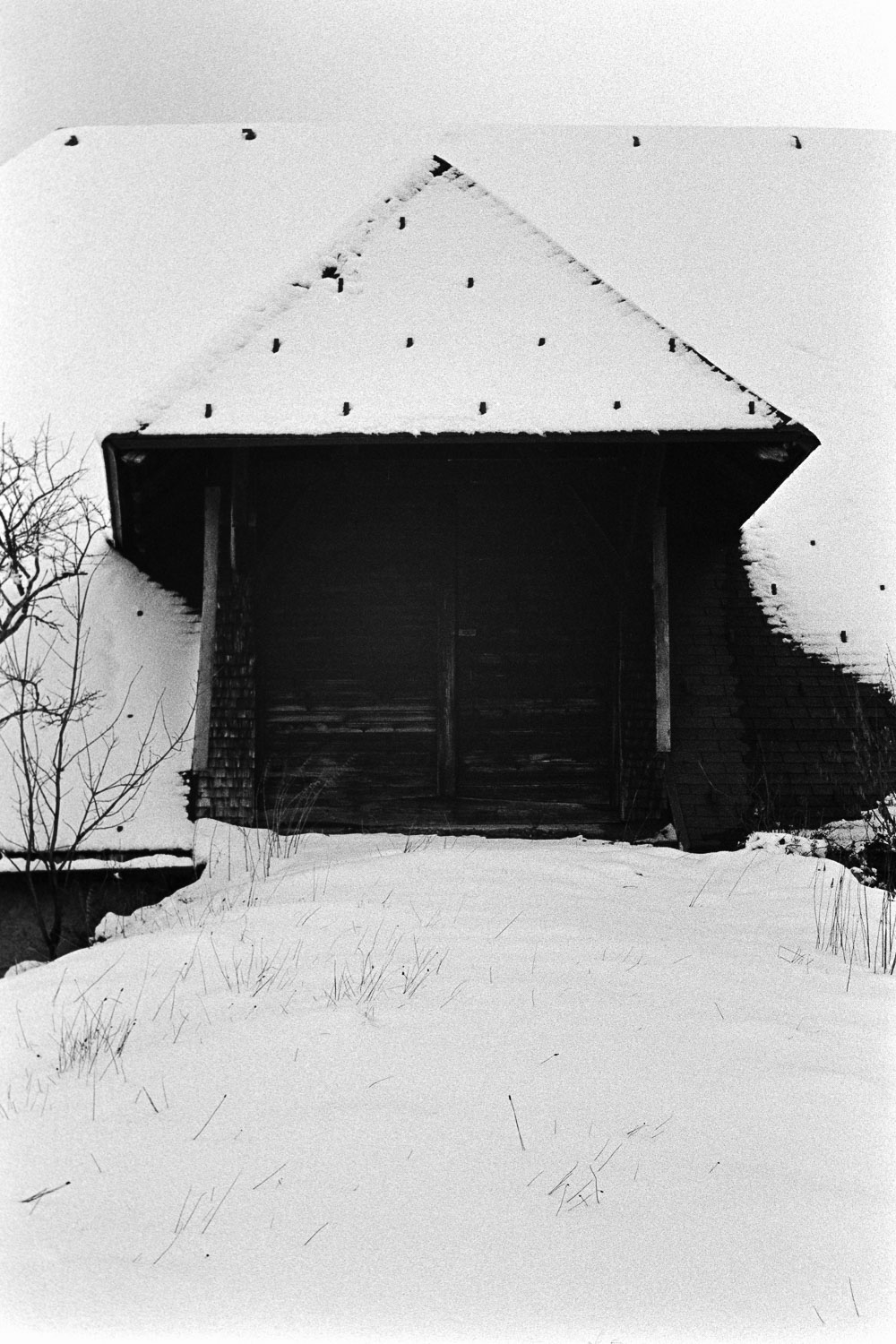
I grew up not far from Todtnauberg, in the Black Forest. Heidegger had his hut there — I photographed it. We breathed the same air. The landscapes of my childhood were beautiful, and they were complicit. This series begins where that beauty and that complicity share the same soil.
In 1967, Paul Celan visited Heidegger at Todtnauberg. The poet — survivor, witness, author of Todesfuge — came hoping for a word of acknowledgment, perhaps atonement. He left with nothing but a line in a guestbook. That silence is one of the open wounds of the twentieth century. The philosopher who had thought being more deeply than almost anyone could not think his way to a single honest sentence. Todtnauberg is the place where language failed — and where that failure still inhabits the landscape like a phantom charge.
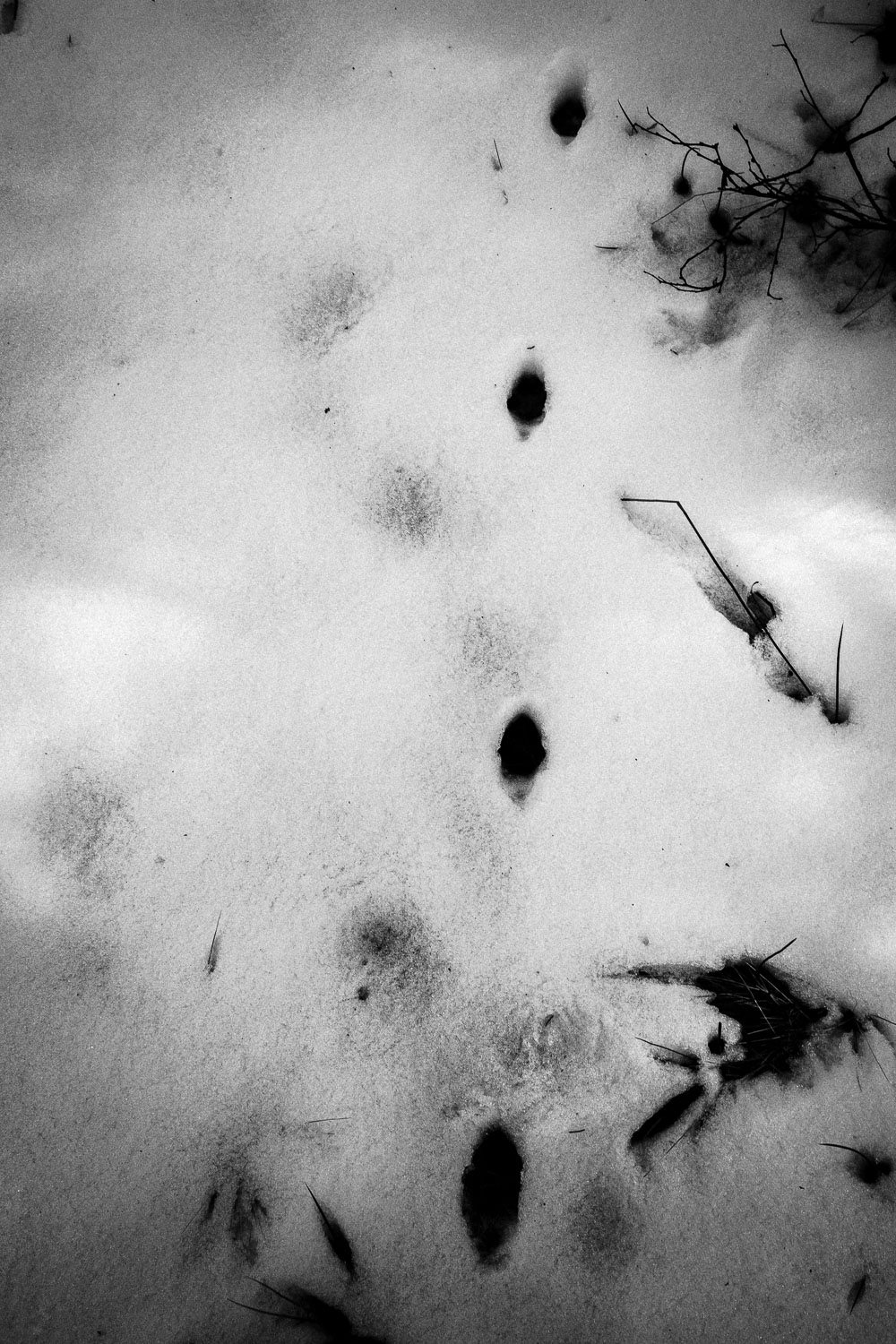
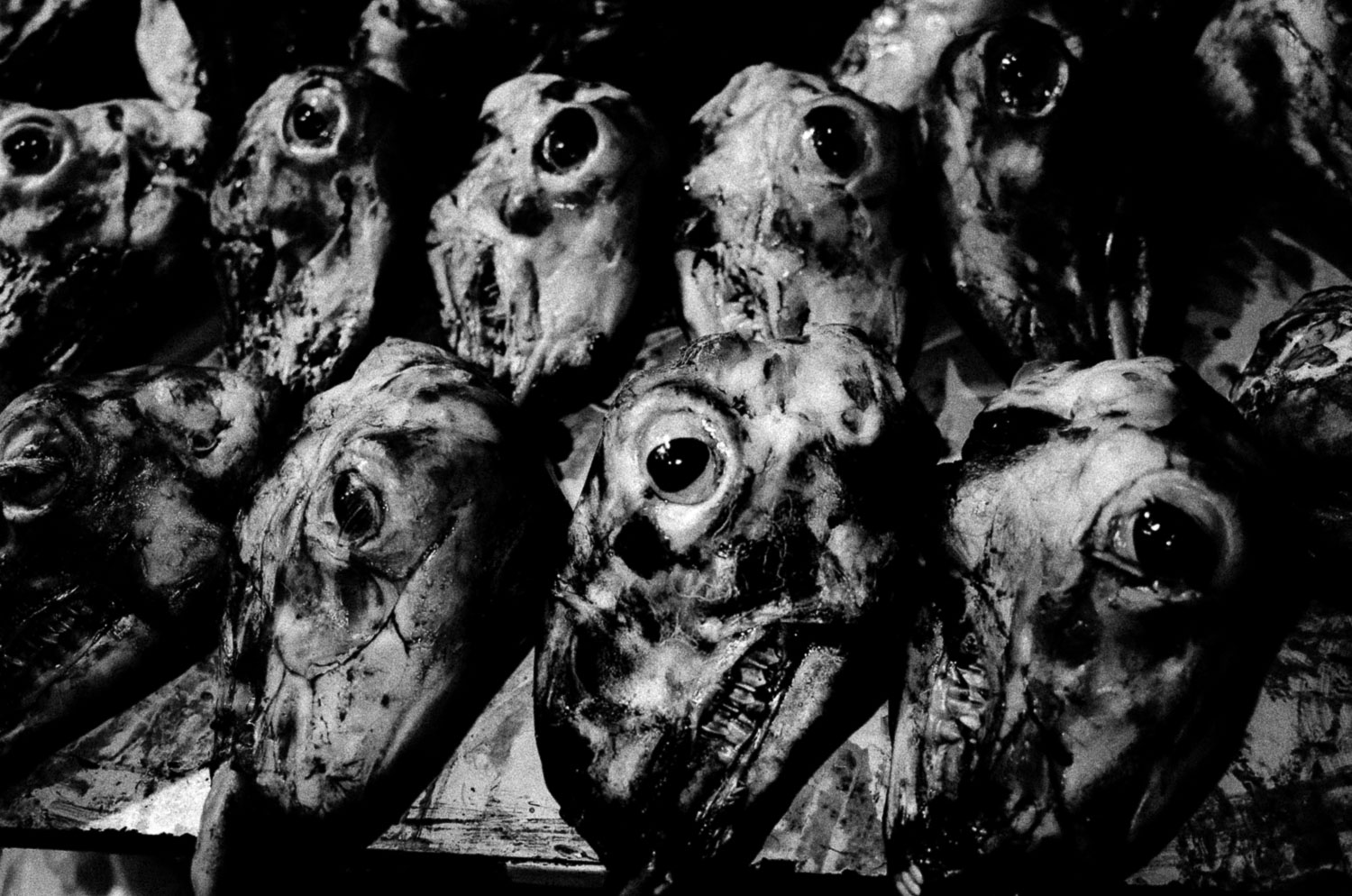
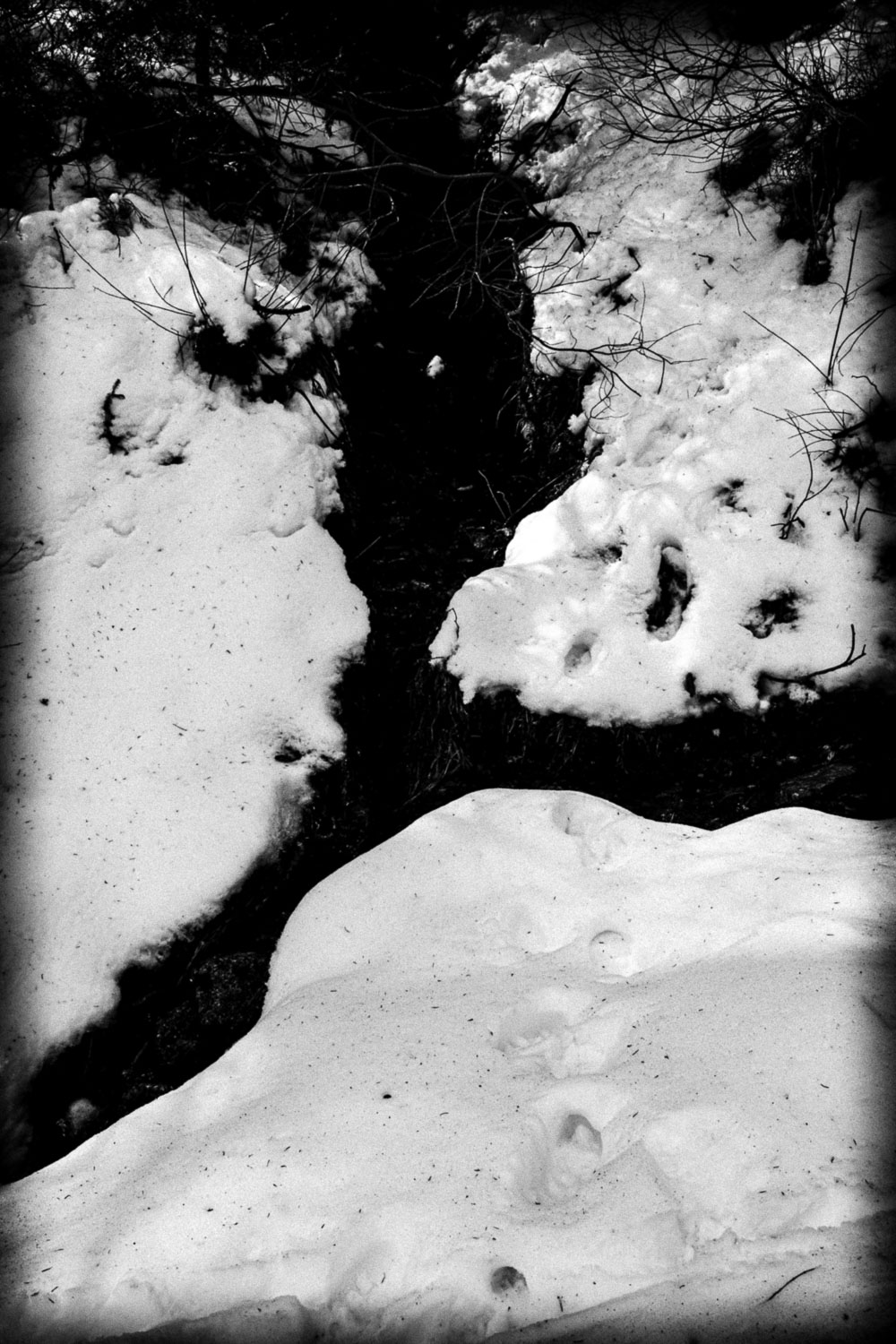
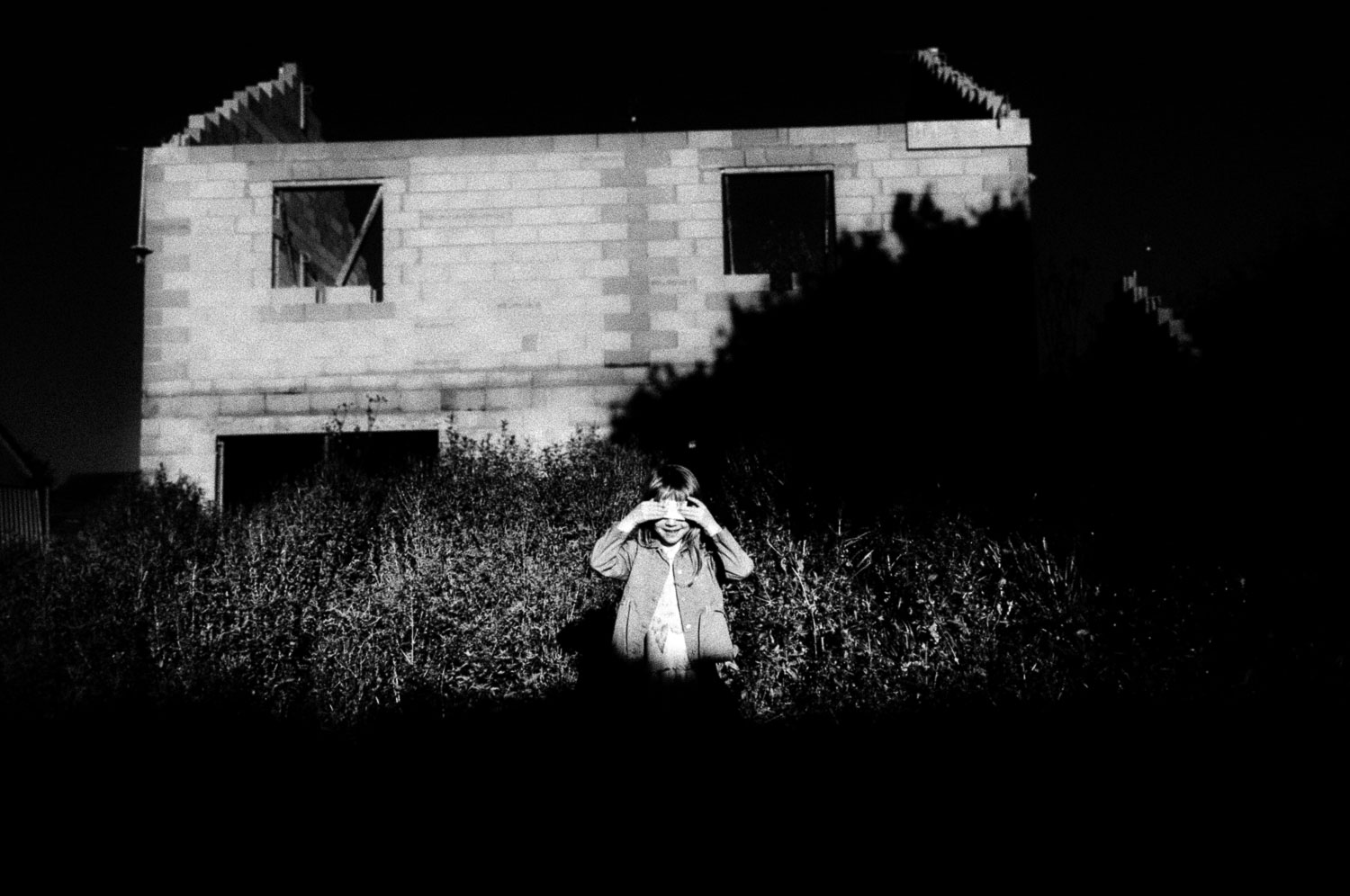
I am interested in what happens to a landscape when it has absorbed that kind of failure. The Black Forest does not represent the past; it carries it, the way a body carries a scar it did not choose. Fog, bark, clearings, paths — these are not metaphors. They are the material surface of something that was never resolved and never will be. Each photograph registers not the survival of an event, but of an energy — a tension between beauty and what beauty concealed.
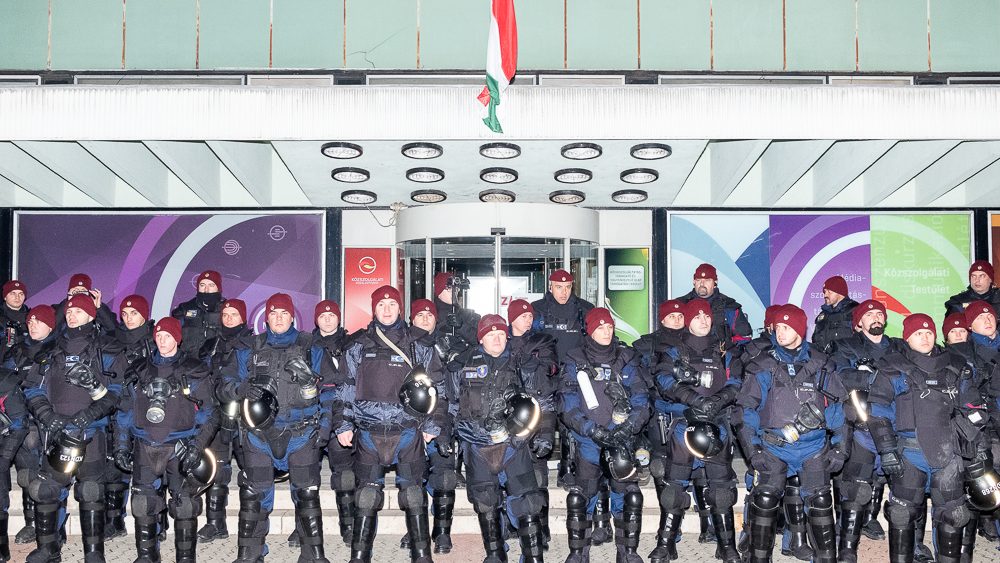
The subtitle — or the eternal return — is not a philosophical ornament. It names what I see happening around me. The mechanisms that made the twentieth century possible have not disappeared. They have returned, adapted, wearing new clothes: the normalization of authoritarian language, the redrawing of borders along ethnic lines, the slow erosion of democratic norms across Europe and beyond. The Black Forest is not a museum of the past. It is a mirror held up to the present — a reminder that the complicity embedded in beautiful landscapes and orderly societies did not end in 1945. It recurs. It is recurring now.
This is what drives the work: not nostalgia, not guilt as performance, but the recognition that the structures which enabled catastrophe are cyclical. My grandfather’s portrait is not a relic. He is a figure that reappears in every generation — the quiet man who looked the other way, the citizen who mistook order for justice and purity for peace. I photograph the landscapes where that confusion took root, because those landscapes have not changed. The light is the same. The silence is the same.
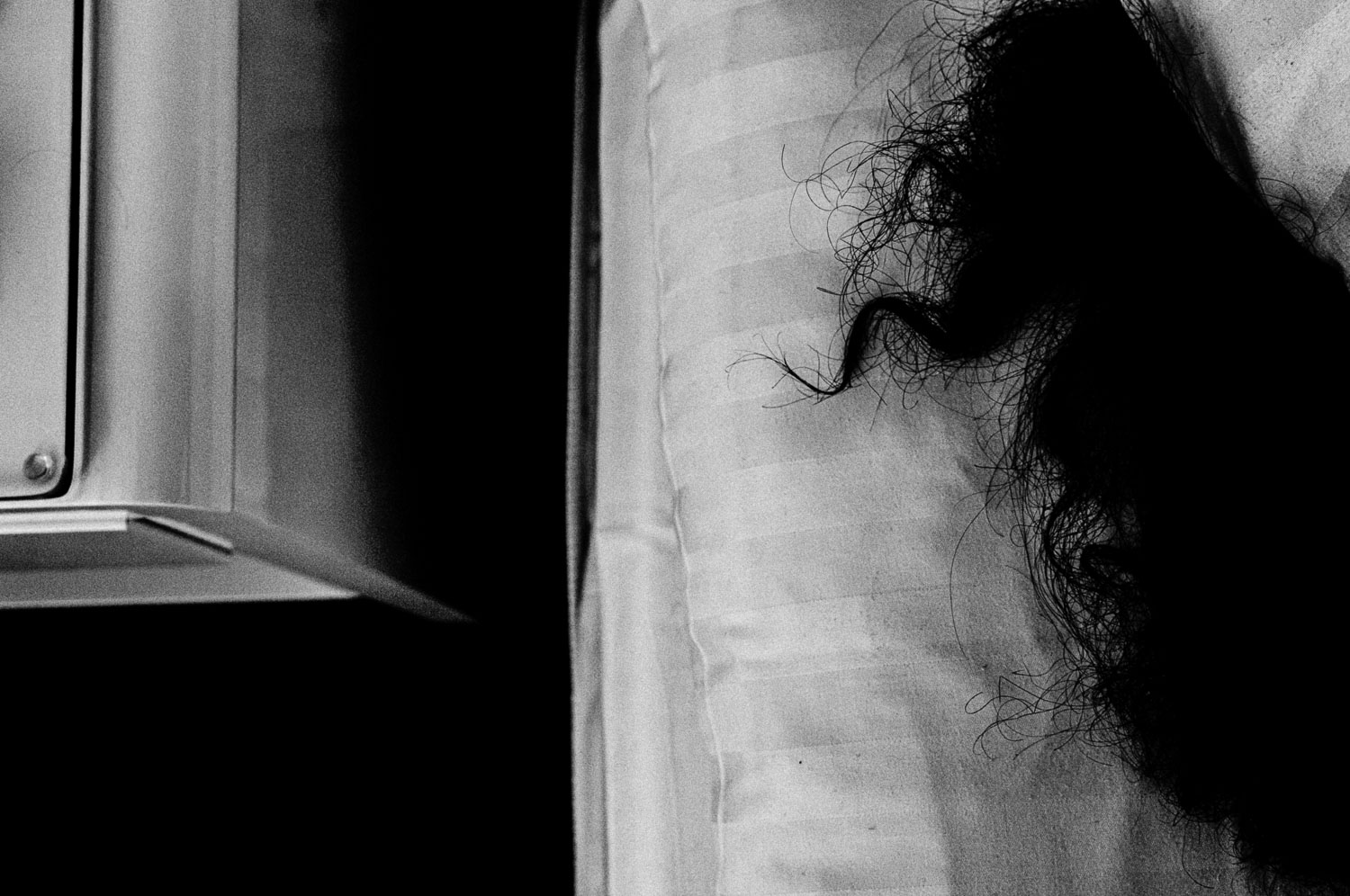
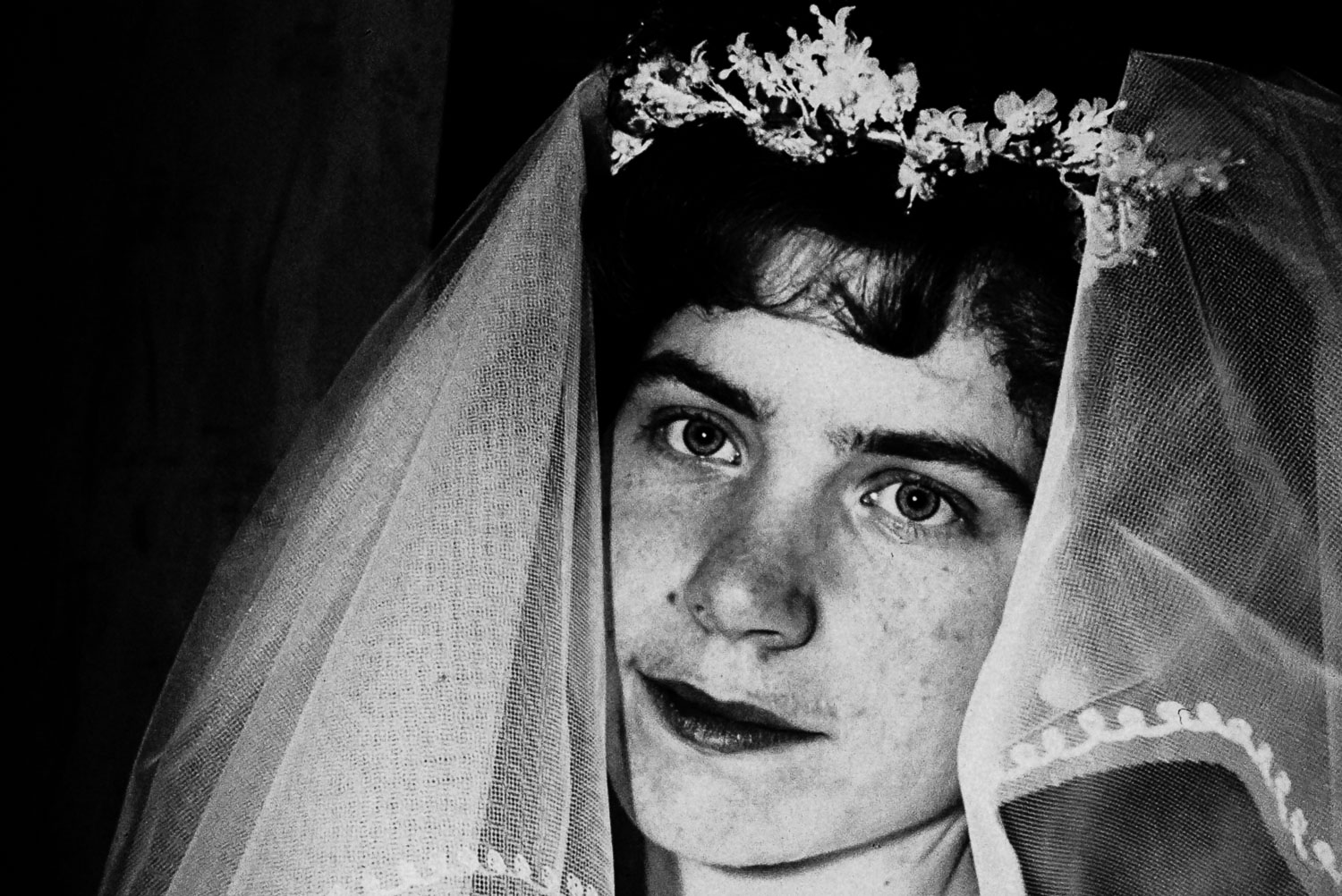
Between the old man with the cigar and the child with black hair, I stand. I cannot undo what was done. I can only photograph the landscapes — and refuse to look away.
Matthias Koch (1964) is a German fine art photographer and editor based in Ardèche, France. His work explores landscape, memory, and European identity through long-form photographic series. Shortlisted twice at the Athens Photo Festival, featured in L’Œil de la Photographie. He works in dialogue with philosopher Claude Molzino.