Summer photography news in the Baltics
ESTONIA
Fotografiska Tallinn, 9.05.2026-1.11.2026
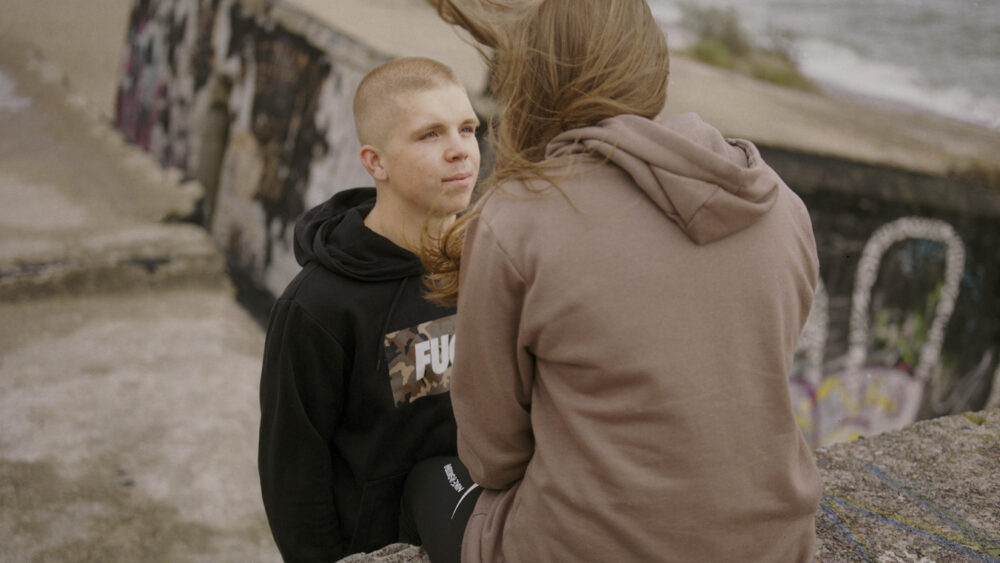
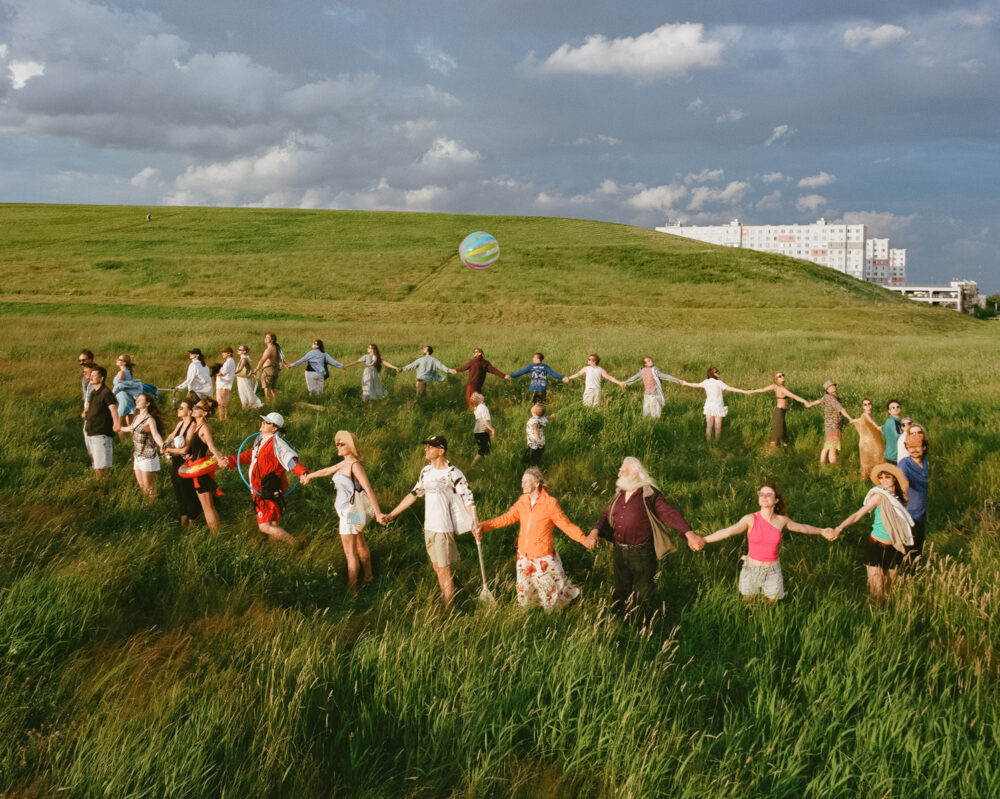
The first exhibition of Fotografiska Tallinn’s new initiative, Emerging Artists: The Baltics & Finland, brings forward rising photographic talents from the region – a new generation of bold and distinctive voices pointing toward the medium’s possible futures.
The platform’s inaugural exhibition brings together artists from four countries, whose works open up personal worlds, test the boundaries of photography, and offer new ways to experience the present moment. The artists have been selected through an international open call.
The exhibition Emerging Artists 2026: The Baltics & Finland features the following artists: Annemarija Gulbe, Krišjānis Elviks, Anna Ansone ft. Anna Marija Puķe (Latvia), Ieva Baltaduonytė (Lithuania), Shia Rówan Conlon (Finland), Karl Ketamo (Finland), Anna-Liisa Kree (Estonia), Andra Rahe (Estonia), Filips Smits (Latvia), Pavelas Šalaikiskis (Lithuania).
Fotografiska Tallinn, 6.05.2026-13.09.2026
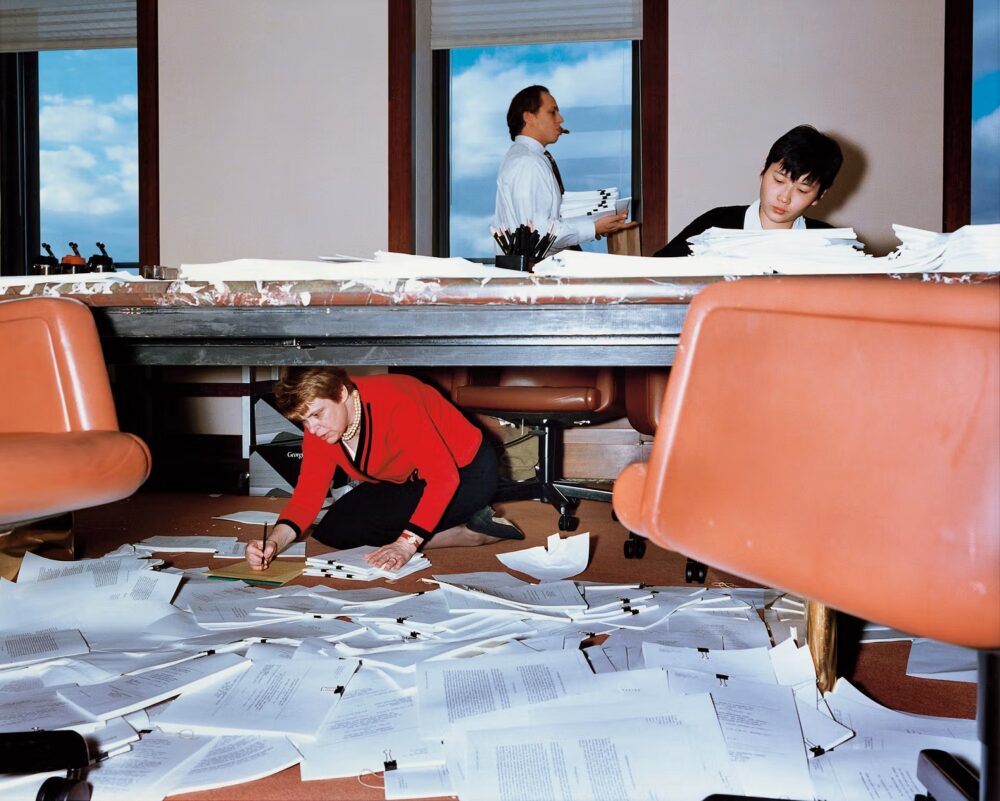
With the exhibition Photography in Power: Making Worlds Visible, Fotografiska Tallinn celebrates the force and impact of the photographers whose stories they have had the privilege to share at Fotografiska. It is a tribute to their lifelong commitment to photography that has profoundly shaped how we see the world, look at it, and perceive it today.
The exhibition brings together 127 artists, including iconic figures of fine art photography – among them Helmut Newton, Robert Mapplethorpe, Richard Avedon, Refik Anadol, Ellen von Unwerth, Paolo Roversi, Martin Schoeller, Lars Tunbjörk, Sarah Moon, Peter Lindbergh, David LaChapelle, Jimmy Nelson, and many others.
It also brings together a diverse range of contemporary photographic voices, including both international names and Estonian artists. Many of them engage with the defining tensions of our time – exploring conflict, power relations, and social pressures, while weaving together documentary (such as James Nachtwey) and staged (such as Alison Jackson) approaches.
Fotografiska Tallinn, 14.03.2026-4.10.2026
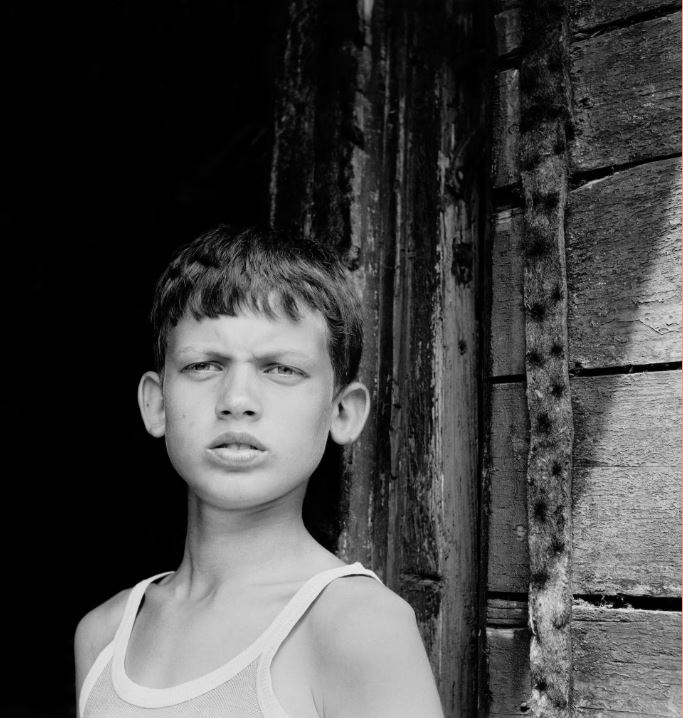
Between 1983 and 2008, photographer Inta Ruka photographed people in her native Latvia, capturing their lives in rooms, courtyards, and streets where everyday life unfolds. She returned to the same individuals repeatedly, working slowly and allowing trust to develop over time. The resulting photographs are not merely documentary, but preserve places, relationships, and lived experience from which a sense of belonging emerges.
Inta Ruka (b. 1958, Riga) began photographing at a young age without formal training, driven by a strong curiosity about the people around her. The camera became her way of encountering the world. Her working method is slow, using a classic Rolleiflex on a tripod and available light as her only aid. Ruka’s photographs are not romanticised, but direct, intimate and respectful.
Seek Gallery, Tallinn, 6.06.2026-1.08.2026
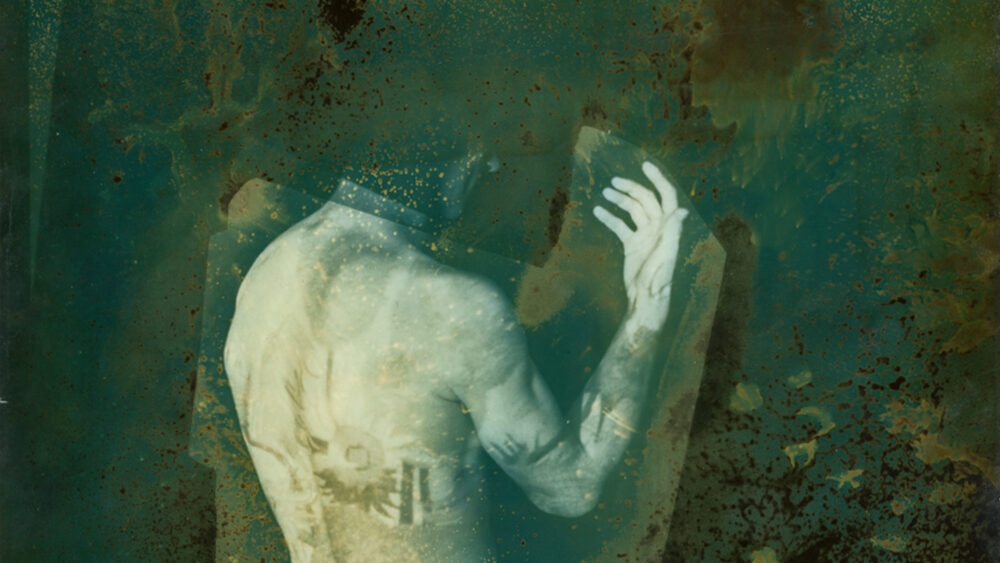
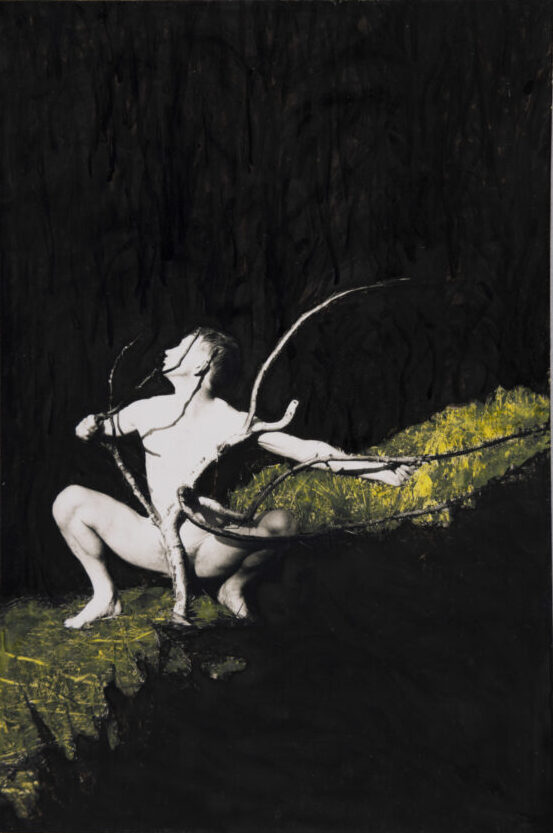
This summer’s exhibition at the Museum of Photography in the Seek gallery is a exploratory overview of the work of a hitherto unrecognized artist. Einar Tiits’ How to Be a Tree Branch brings to light nude photographs in the artist’s unique handwriting andcollages .
The work of Einar Tiits (1963–2016) is one of the greatest discoveries in recent Estonian photographic art history.
Tiits worked from the mid-1970s to the 2010s. When he started, photography had certain expectations – especially in the nude genre, where the body had to be aesthetic and the way of portraying it recognizable. This convention does not apply to his work. He photographed the body, often his own, without trying to idealize or fix it. The body changes and is not unambiguously definable.
Museum of Photography, Tallinn, 27.02.2026-23.01.2028
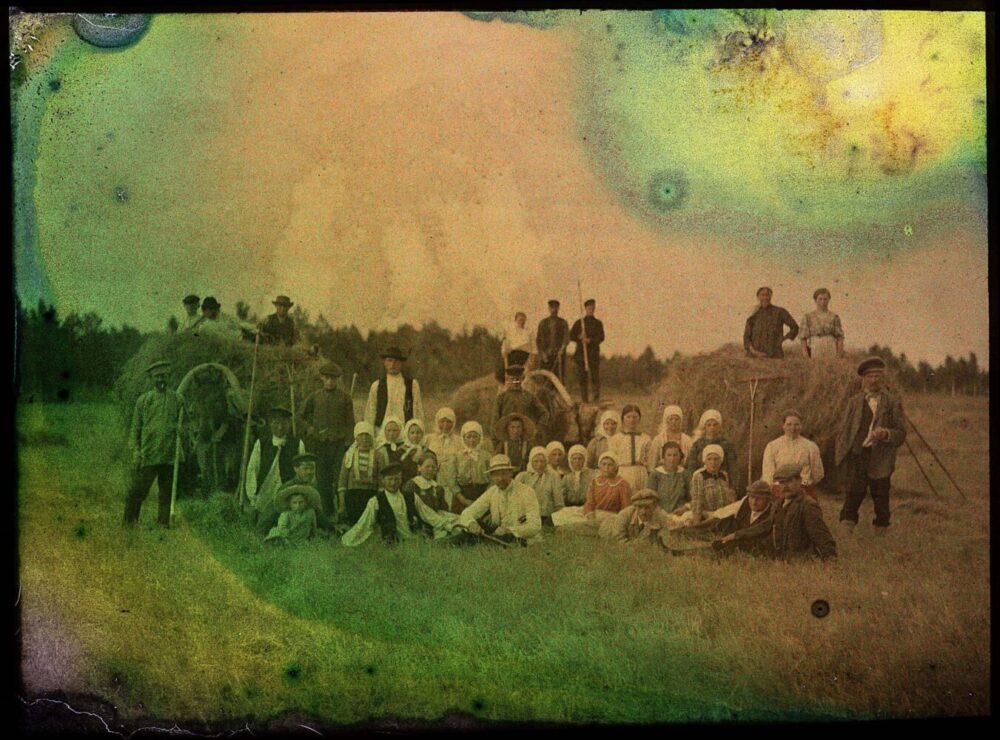
Through installations and animations, the immersive exhibition Colour Tickle in the Museum of Photography explores the intersections of visual perception, colour synthesis, and the history of photography.
Over the course of a year, the experiential Colour Tickle journey will unfold throughout the atmospheric vaulted halls and corridors of the former medieval prison that house the museum. Designed for visitors of all ages, the exhibition explains the principles of colour physics, human colour perception, and the history of colour photography through hands-on exhibits. Along the way, visitors can enter the Eye, move through colour synthesis, colorize photographs, navigate the labyrinth of Estonia’s oldest colour photographs, and engage in many other discoveries. The exhibition traces the major milestones in the history of colour photography, from the first colour photograph presented in 1861 to contemporary digital photography.
Allee Gallery, Tallinn, 21.05.2026 — 27.06.2026
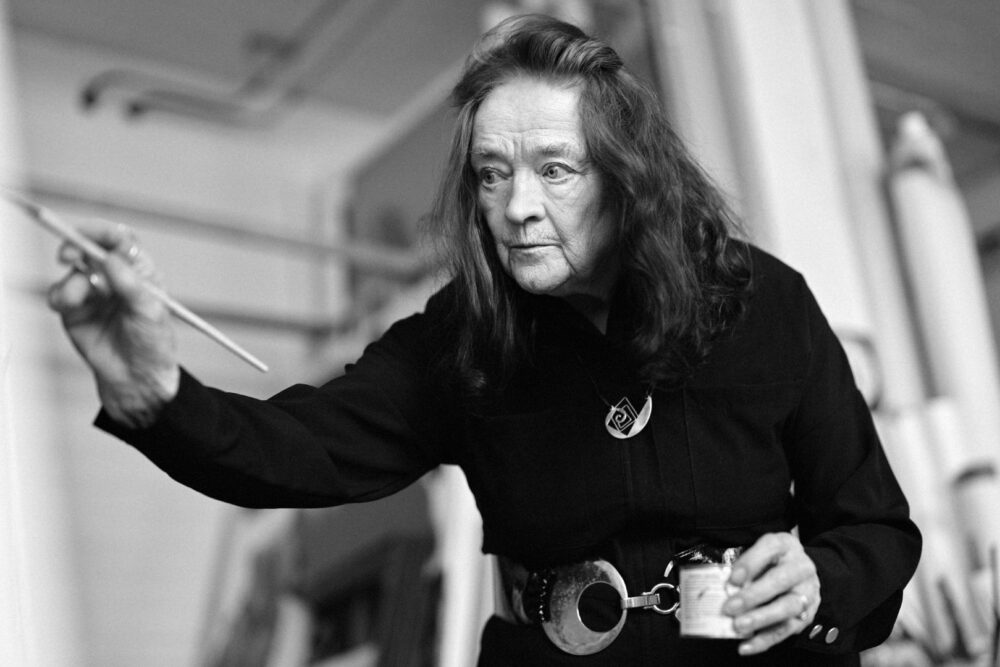
The Allee Gallery is hosting an exhibition Eternal People by Kaupo Kikkas, one of the most internationally known Estonian photographers, where the artist presents a powerful photo project of iconic authors of Estonian art created over the past 14 years. Curated by Katre Palmi and Harry Liivranna, the exhibition features 28 works by a total of 17 different artists: Tiit Pääsuke, Jüri Arrak, Sirje Runge, Olav Maran, Ludmilla Siim, Toomas Vint, Aili Vint, Mari Roosvalt, Uno Roosvalt, Vello Vinn, Herald Eelma, Vive Tolli, Raul Meel, Lembit Sarapuu, Evi Tihemets, Kaarel Kurismaa, Lola Liivat.
LITHUANIA
Museum of Photography, Šiauliai, 15.05.2026-26.07.2026
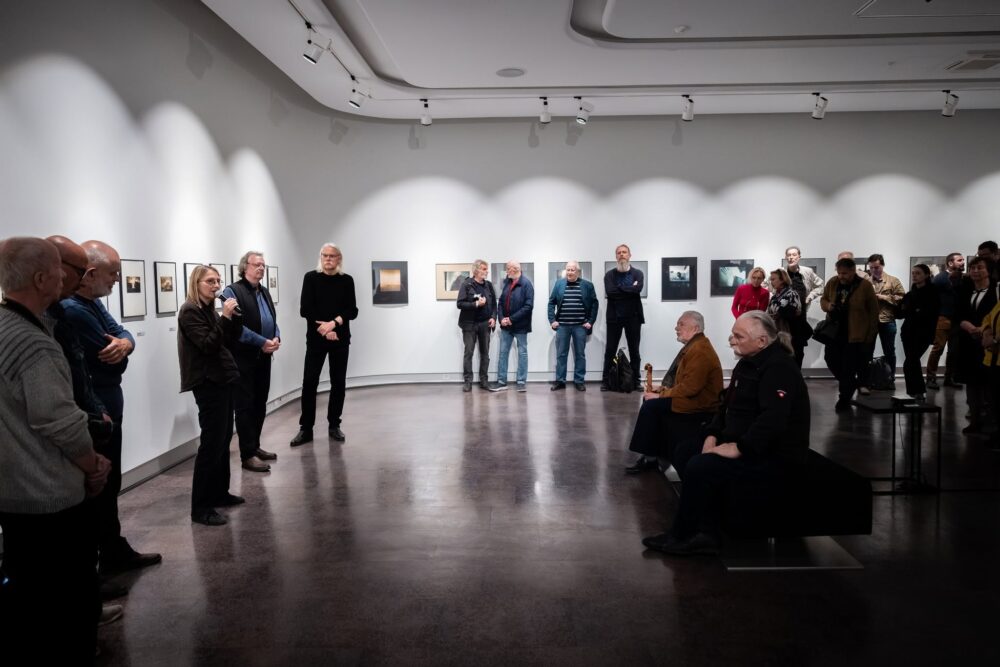
The 1980s are considered the beginning of a new creative wave in Lithuanian photography. That year, at the Exhibition Hall of the Lithuanian SSR Society of Photographic Art (hereafter – FMD) in Vilnius, the 3rd Exhibition of Young Lithuanian Photographers (also shown in Šiauliai in 1981) revealed new aesthetic attitudes that departed from the then-dominant documentary approach. These new directions highlighted the distinctive worldview of a new generation of photographers, who boldly expressed it through a new photographic language characterized by conceptualism, technological awareness, a tendency toward anti-aesthetics, self-reflection, the poetics of everyday monotony, fragmentation, and an ironic relationship with their surroundings.
The exhibition presents exclusively original photographic prints from the time the works were created, most of them mounted with authentic mats produced by the authors themselves. Many prints are unique, created using toning, virage, montage, and other photographic techniques.
1.6-2026-20.06.2026. Prospekto Gallery and Vilnius Photography Gallery
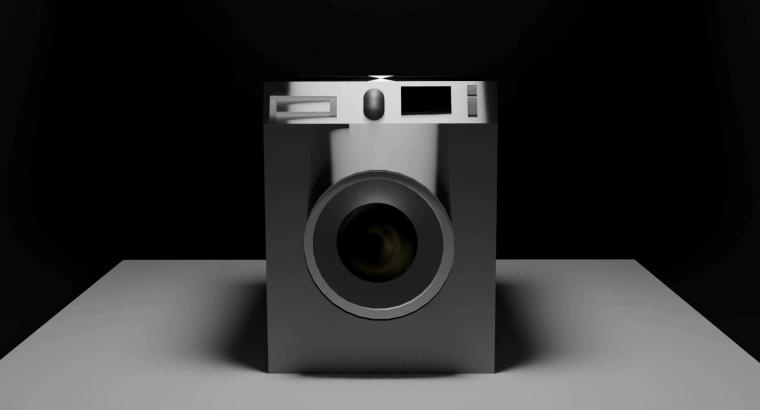
The exhibition presents the degree works by the students of the MA programmes of the Department of Photography, Animation and Media Art (FAMM) of the Vilnius Academy of Arts.
We are all spinning in the whirlpools of our personal lives and at the same time we are part of the huge whirlpool that is this strange and unfathomable world. We are looking for our unfamiliar roots and trying to escape from our lives, we no longer recognize our old homes and do not have new ones yet, we try to grasp the boundaries of what is permissible and possible, we tame the sounds of danger and find ourselves at the epicentre of cinematic explosions, we learn to live with the creations of other humans and non-humans, we obey and resist, fall apart and assemble ourselves anew. In the end, we simply sail towards the end, but along the way we experience a strange dizziness and realize that it is our life.
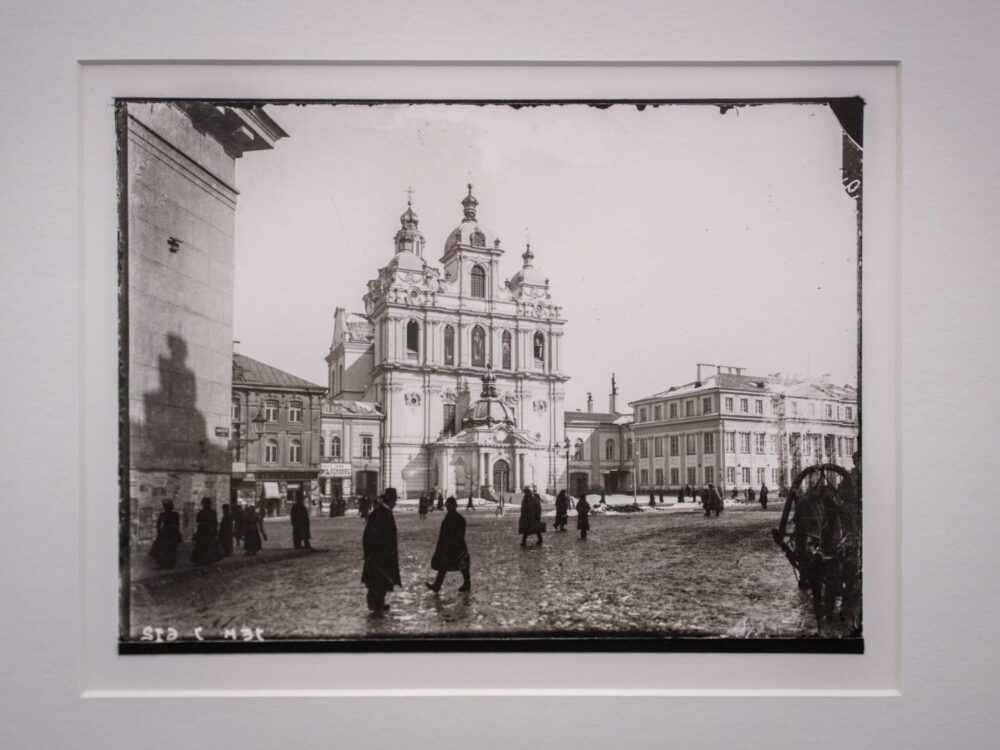
House of Histories, Vilnius, 25.03.2026-30.08.2026
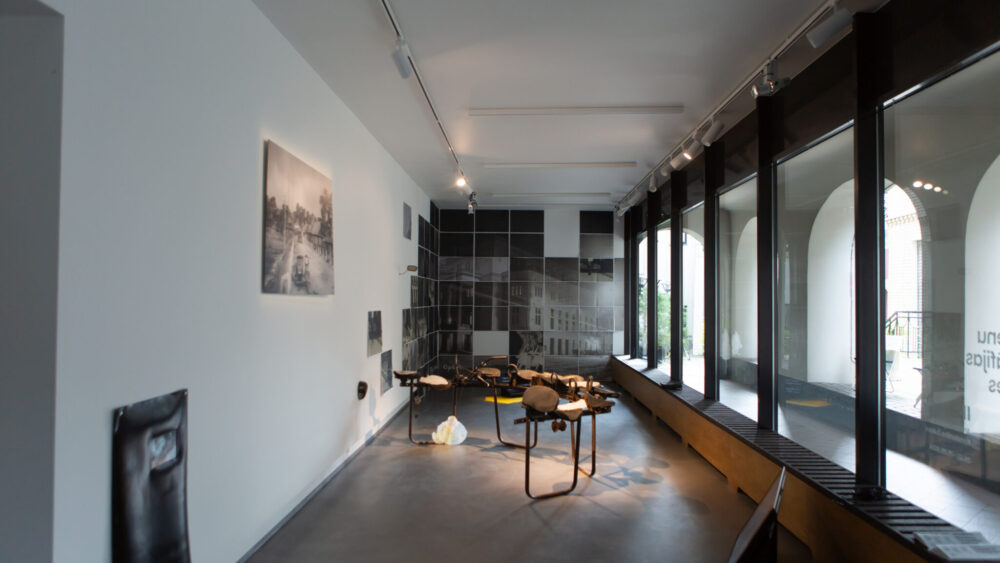
At the beginning of the 20th century, Stanisław Filibert Fleury walked through Vilnius with a camera, photographing the city – its streets, hills, bridges, and everyday life. The light once captured on glass negatives reaches us even after more than a hundred years.
More than a century later, Sigitas Parulskis comes to the same places. He sets up a large-format camera on a tripod and, after carefully focusing, looks at the same view. The same city. A different light. Different people. A different time.
This exhibition is not a dialogue between two artists. It is a meeting of two moments in time at the same place in the city. The viewer sees correspondences and differences – places that have remained and those that have disappeared. Here the city becomes more than architecture. It lives, ages, and changes. Buildings, like people, have their own fate. Photography briefly creates the illusion that time can be held still. In reality, it only allows us to see it.
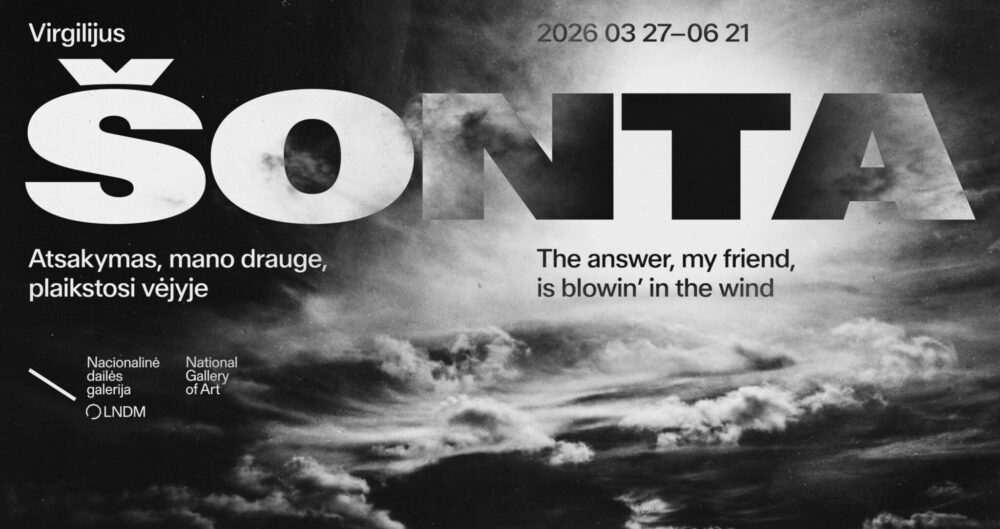
27.03.2026-21.06.2026, National Gallery of Art, Vilnius
The exhibition Virgilijus Šonta: The answer, my friend, is blowin’ in the wind is the first comprehensive retrospective presentation of the Lithuanian photographer Virgilijus Šonta (1952–1992).
The curators Margarita Matulytė and Gintaras Česonis present a selection of more than 200 of the artist’s works, complete with the biographical documents that provide insight into the artist’s enigmatic yet exceptionally sensitive and dramatic personality. The retrospect has been arranged in collaboration with the artist’s family and the Kaunas Photography Gallery. For the first time, the artwork has been drawn from all of the key collections.
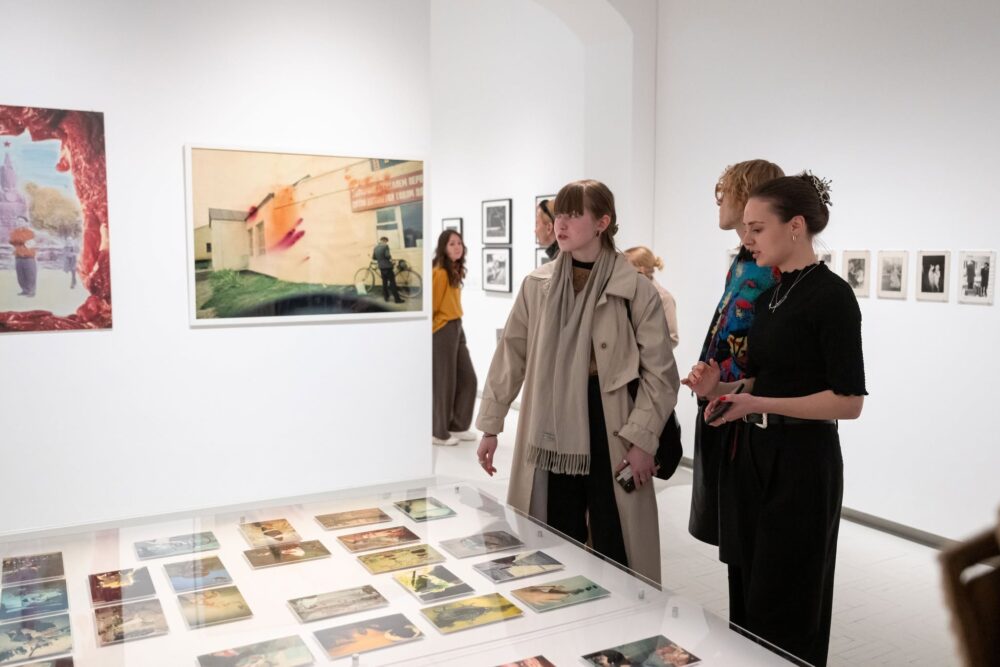
23.04.2026-20.09.2026, Radvila Palace Museum of Art
The display features artwork by 33 individual artists and groups, across four generations of the Kharkiv School of Photography community. Having opted for photography as the main means of their practice, these artists were to work during the oppressive years of Soviet censorship, during the times of the emerging Ukrainian independence and the revolutions, also now, in the thick of the ongoing russian military aggression. They consistently deployed the medium for the trenchant social and aesthetic criticism, kept pushing further the boundaries of photography. Over several hundred of exhibits – photographs, video and archival objects of the exhibition – map the six rebellious and progressive decades, tracing the evolution of methods and ideas, bringing to the foreground the foremost artists and their finest artwork.
LATVIA
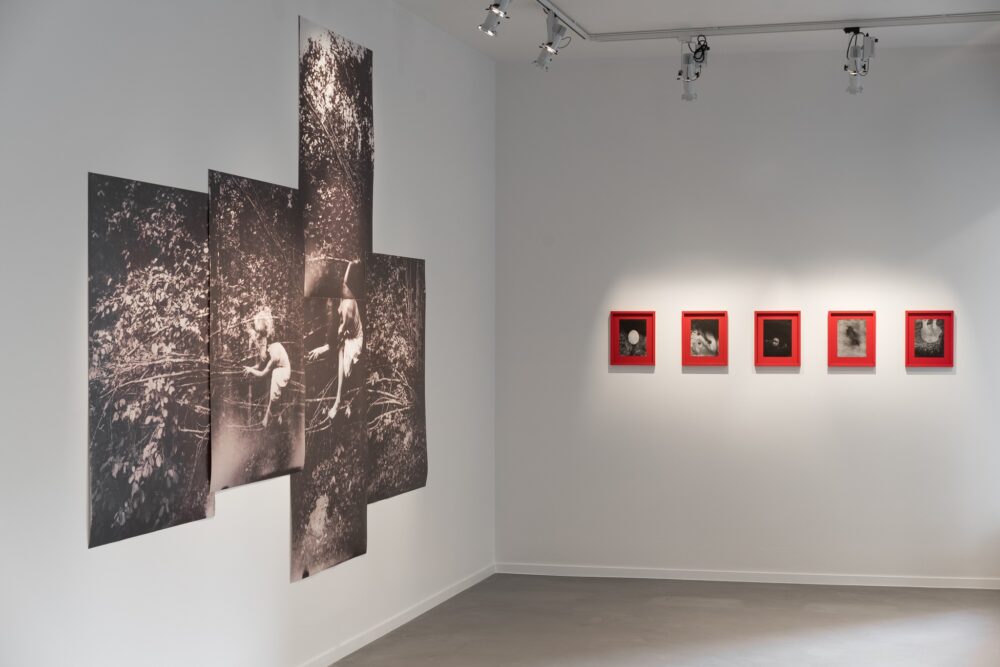
ISSP Gallery, Riga, 16.04.2026-3.07.2026
Rūta Kalmuka’s series of photographic works, created using analog techniques with a large-format camera, is based on the ancient spring solstice traditions of “driving away birds” and “calling birds,” characteristic of Livonian-inhabited areas. In these rituals, large birds symbolized illness and evil spirits, while small birds were associated with light and awakening. Through photography and butoh movement, the artist interprets this ritual as a metaphor for inner purification – the desire to dispel darkness and make space for a new beginning. The exhibition title Dzen simultaneously reveals two meanings: the imperative form “Drive away!” as a call to banish negativity, and a reference to Zen Buddhism, where peace and clarity are sought through silence and repetition.
Former MyFitness space at Berga Bazārs, Riga, 28.05.2026-18.06.2026
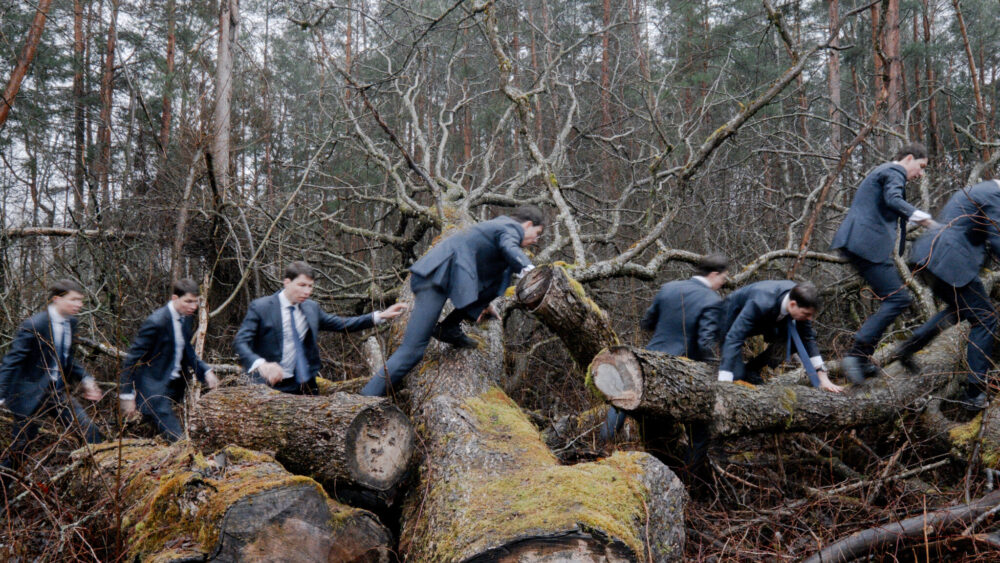
The exhibition 1,5 ha explores the forest, a landscape that covers more than half of Latvia’s territory, shapes its identity, and remains central to contemporary economic, political, and ecological debates. The title, taken from the average amount of forest hectares per person in Latvia, highlights how this environment is both shared and deeply personal.
The 14 new graduates of ISSP School explore the theme of the forest in both symbolic and material and visual ways, creating works about memory, Latvian mythology and everyday rituals, as well as creating performative installations in forest environments. The exhibition venue – the former MyFitness space in Berga Bazārs – allows visitors to enter a forest of images, whose expansive space also conceals deeper hidden corners.
5.06.2026-30.08.2026, Rothko Museum, Daugavpils
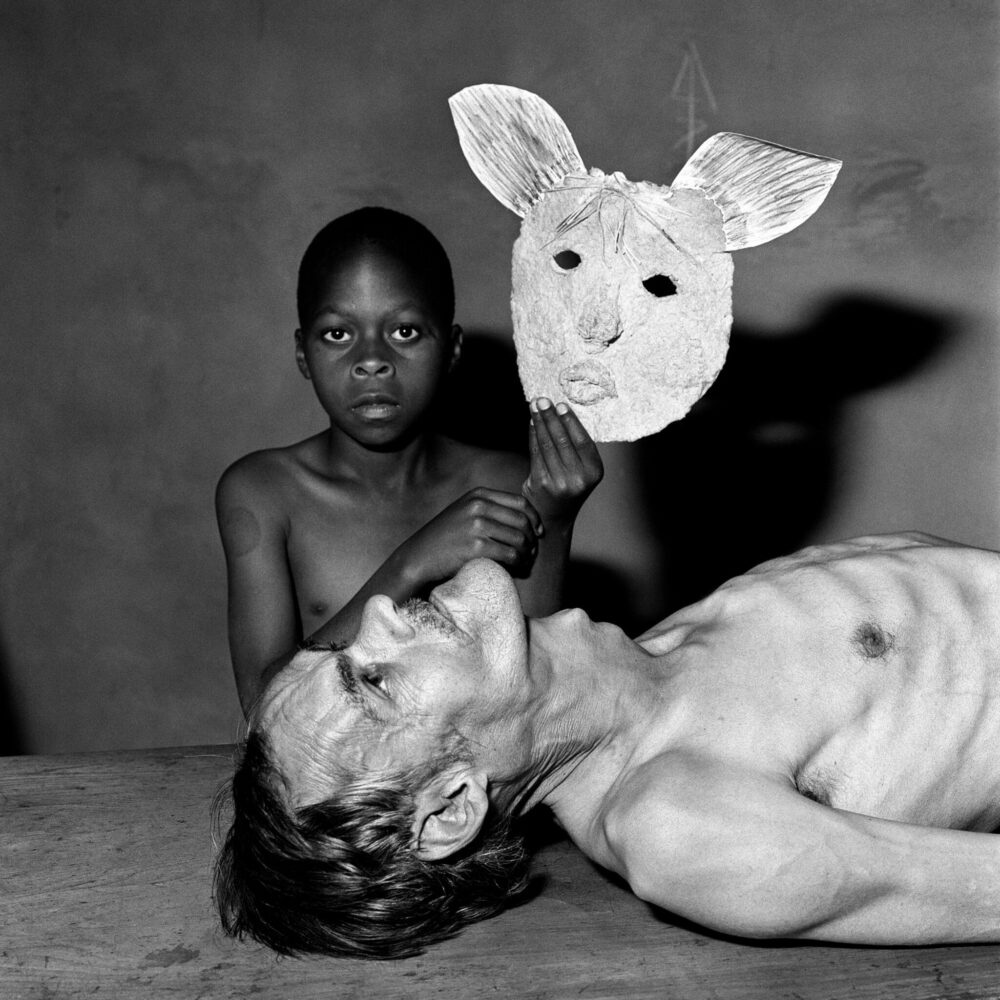
This retrospective, curated specifically for the Rothko Museum, presents Ballen’s evolution from stark documentary realism to intricately staged, psychologically charged compositions. Visitors will encounter works from key series such as Boyhood, Platteland, Outland, Shadow Chamber, Boarding House, Asylum of the Birds, and The Theatre of Apparitions, as well as newer colour photographs that expand his visual language while retaining the raw emotional power of his earlier work. Curated by Aivars Baranovskis.
Latvian Museum of Photography Public Space, Riga, 26.02.2026-01.10.2026
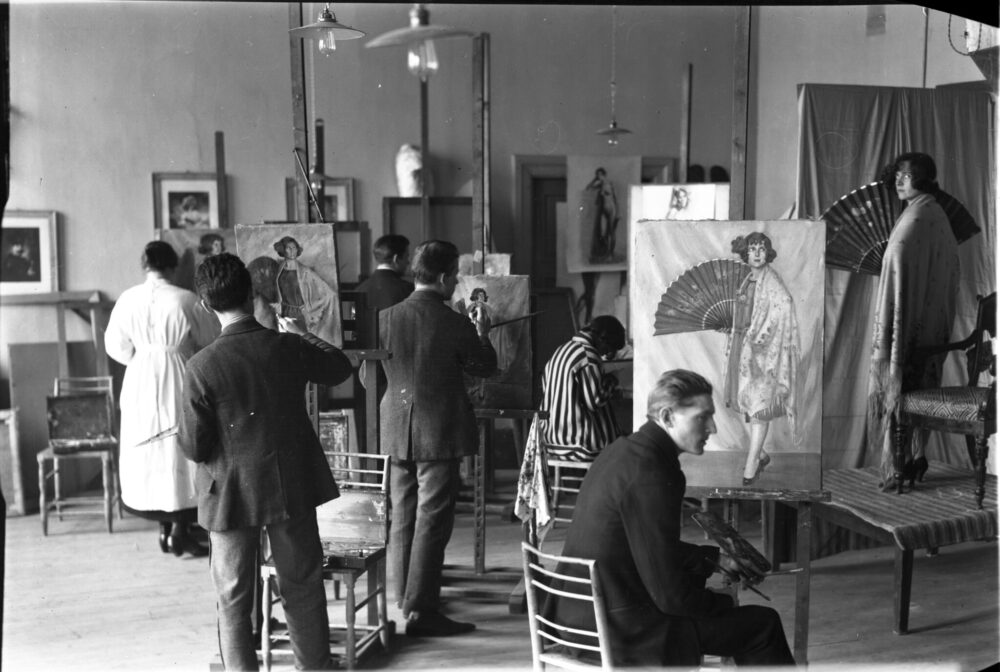
The exhibition reveals the years of the photographer’s life spent at the Latvian Academy of Art, studying painting. While also pursuing photography, he richly documented the academy’s environment, students, and artistic processes in the 1920s.
After being expelled and re-enrolling several times, Kārlis Lakše (1892-1949) never managed to graduate from the Latvian Academy of Art. Never giving up his love of painting, he spent the rest of his life in Koknese, realizing his talent in photography. He photographed both commissioned works and for his own pleasure – portraits, architecture, landscapes. The collection of more than three thousand photographs has been acquired by the Latvian Museum of Photography and is gradually being catalogued and researched. The photography museum is now housed in the building of the Latvian Academy of Art.