Vanishing Landscape
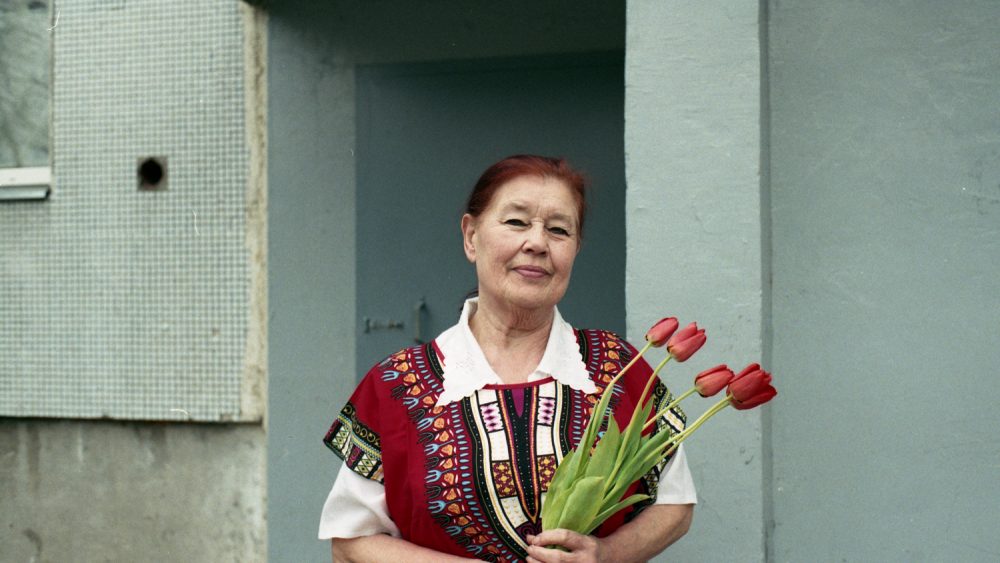
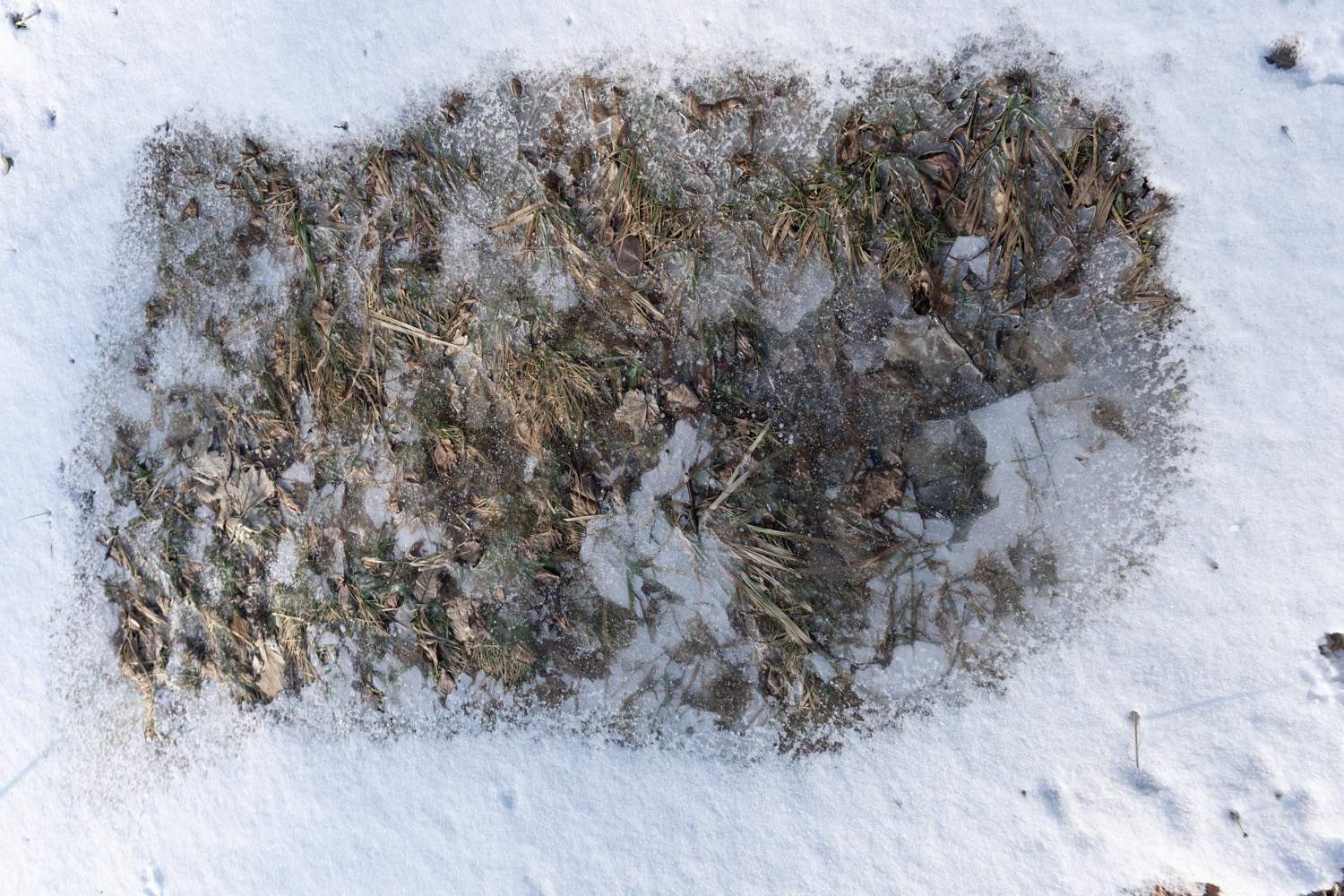
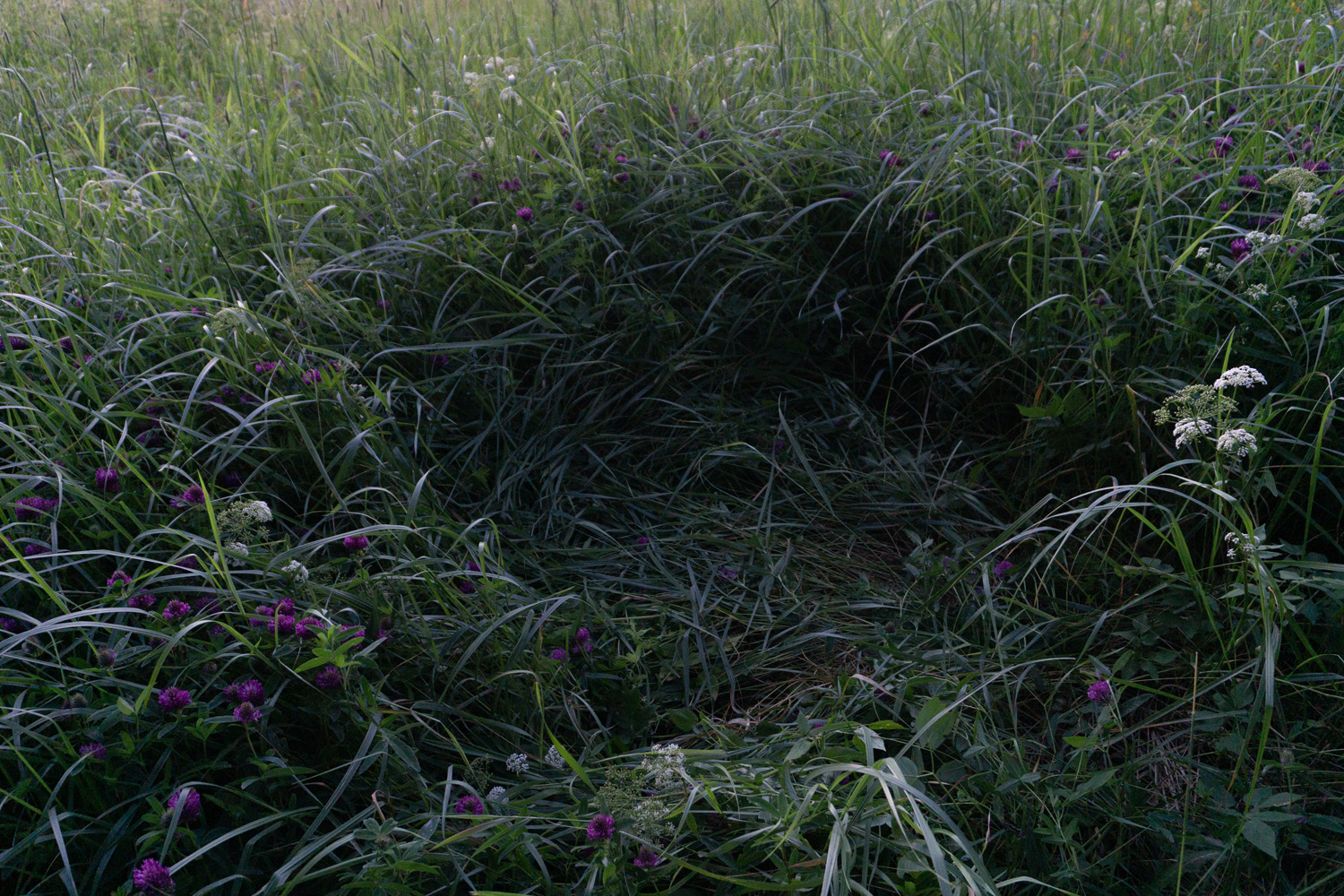
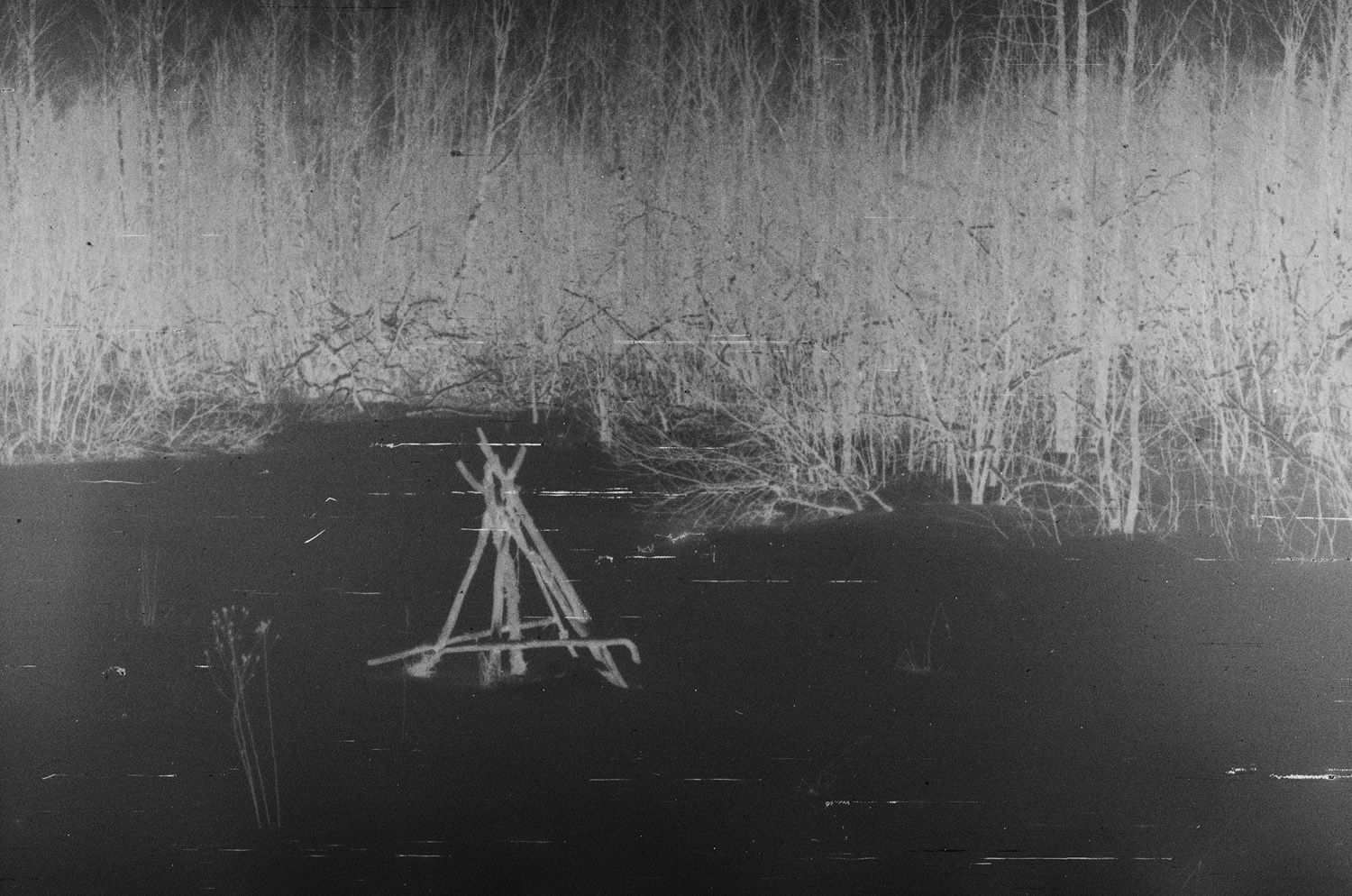
Vanishing Landscape is a work in progress—a visual and experience-based research project exploring the meadow as a living cultural space, a place where nature, humans, and knowledge passed down through generations meet. The project unfolds through long-term presence and repeated returns to a single landscape, allowing the research to develop slowly, in dialogue with the meadow’s rhythms and seasonal changes. The photographic series is being created in the Vidzeme Uplands, on Elkas Hill, which over the course of the work becomes a concrete, personally and symbolically significant site for experiencing, observing, and inhabiting the meadow.
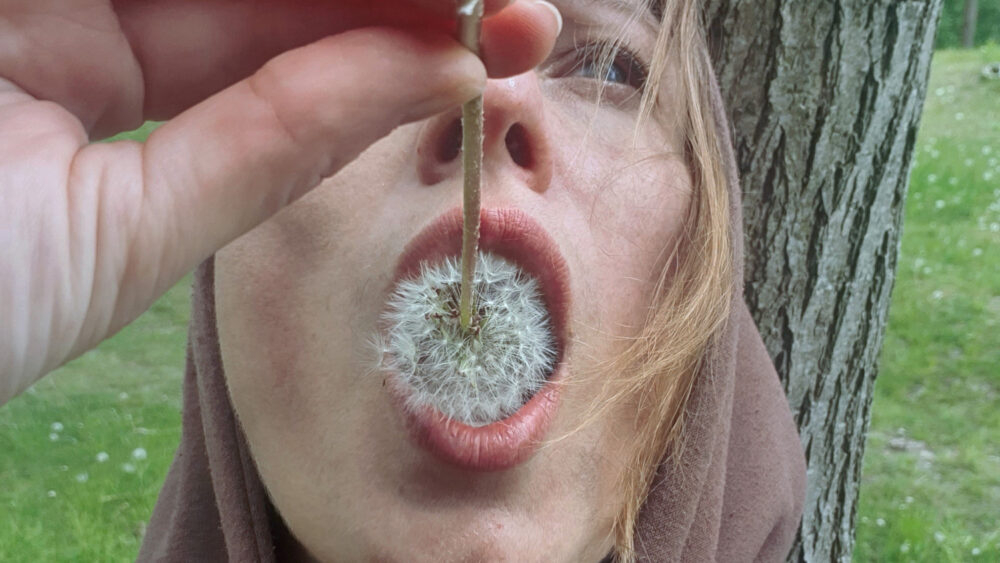
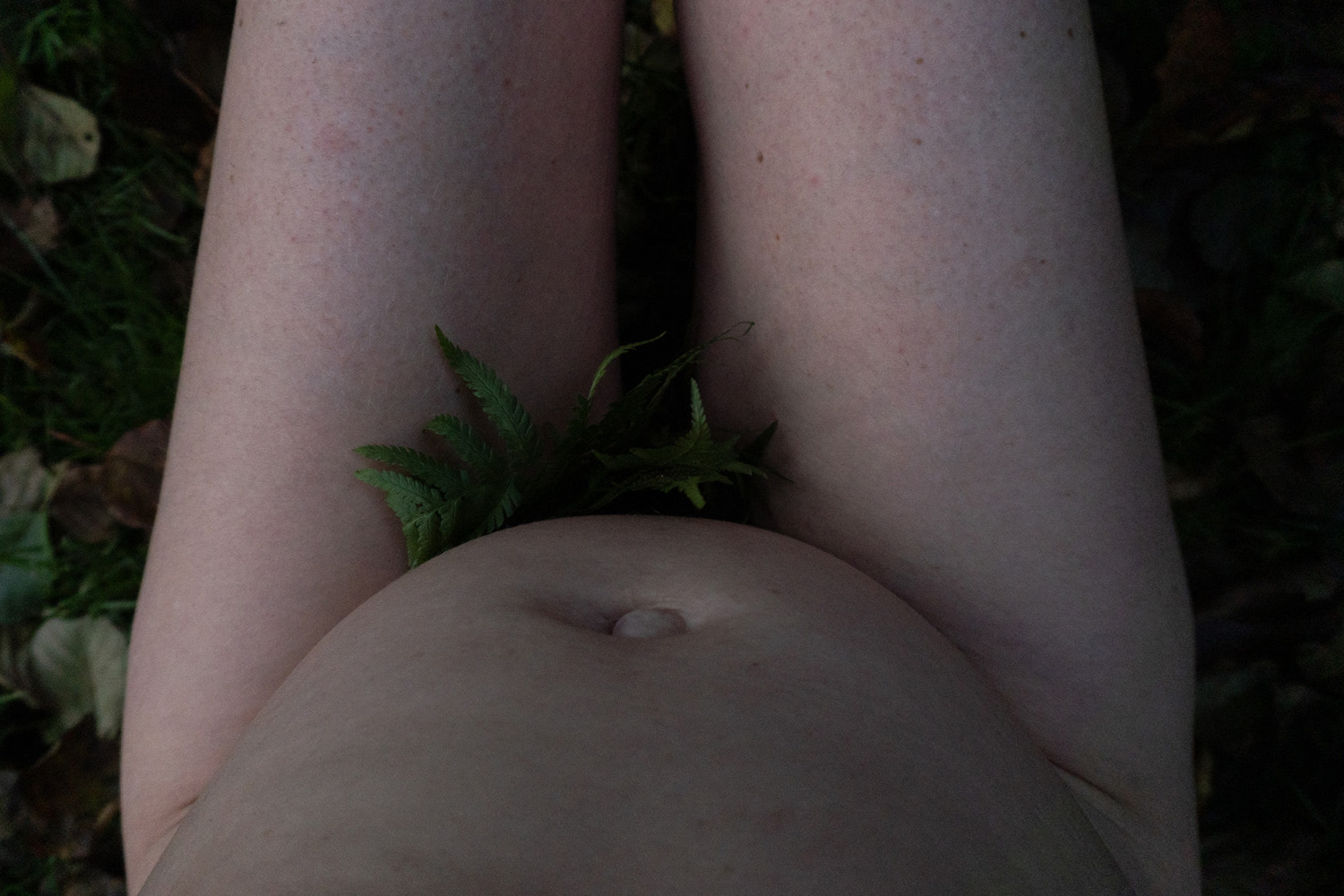
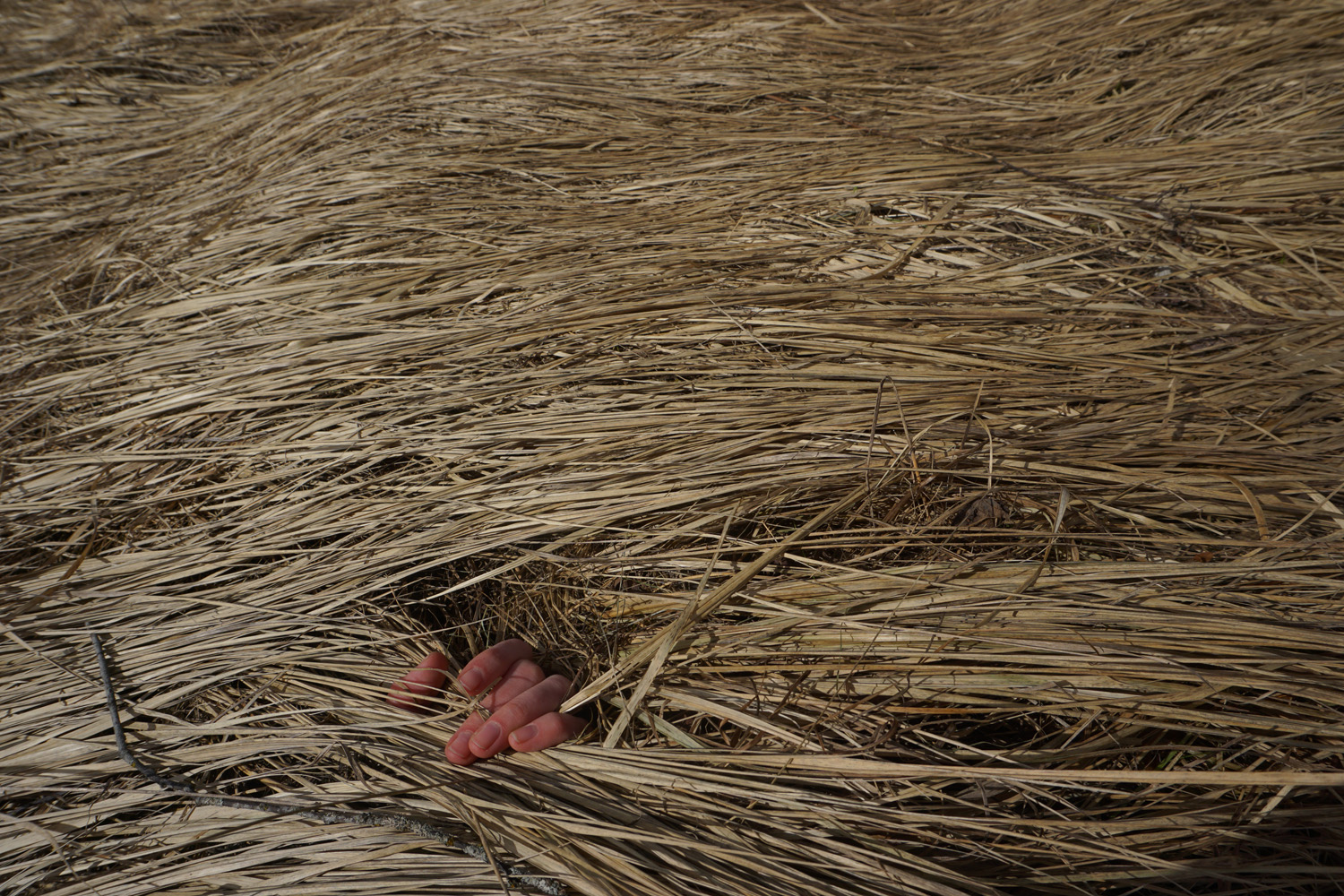
At the center of the work is the meadow as a bosom—a place where, lying in the grass, the skin smells of sun, and if one remains still for a long time, the meadow begins to open itself. This slow presence becomes the project’s methodology: patient observation, repeated return, and respectful being within the landscape, where meaning emerges through process rather than a fixed result.
In Latvian mythology and folklore, the meadow is a place of healing, rituals, and transitions—a space for gathering herbs, singing, curing, and protection. These bodies of knowledge intertwine with personal memories: a “miracle meadow” discovered near the family home in childhood, where in the evening light of sunset the meadow seemed endless and magical, and where the first awareness arose that a meadow cannot be taken with you, only experienced through presence. Today, a residential neighborhood stands in its place—only a narrow strip of flowering plants remains along a forest road, a fragile reminder of what has been lost.
Elkas Hill becomes the next encounter with the meadow—a place of strength where one can learn plants, recover, and sense the smallness of the human figure before the vastness of the landscape. It is precisely here, in the course of the project’s development, that an awareness of boundaries takes shape: the desire to take from the meadow only what is necessary, and the responsibility that comes with knowledge. From the perspectives of cultural ecology and ecofeminism, the fragmentation of meadows under the pressures of urbanization and intensive agriculture reveals not only the loss of biodiversity, but also the rupture of these personal, mythological, and everyday connections. Women’s practices—gathering medicinal plants, caretaking, and ritual—form an invisible yet essential layer of cultural heritage that this project seeks to recognize and continue.
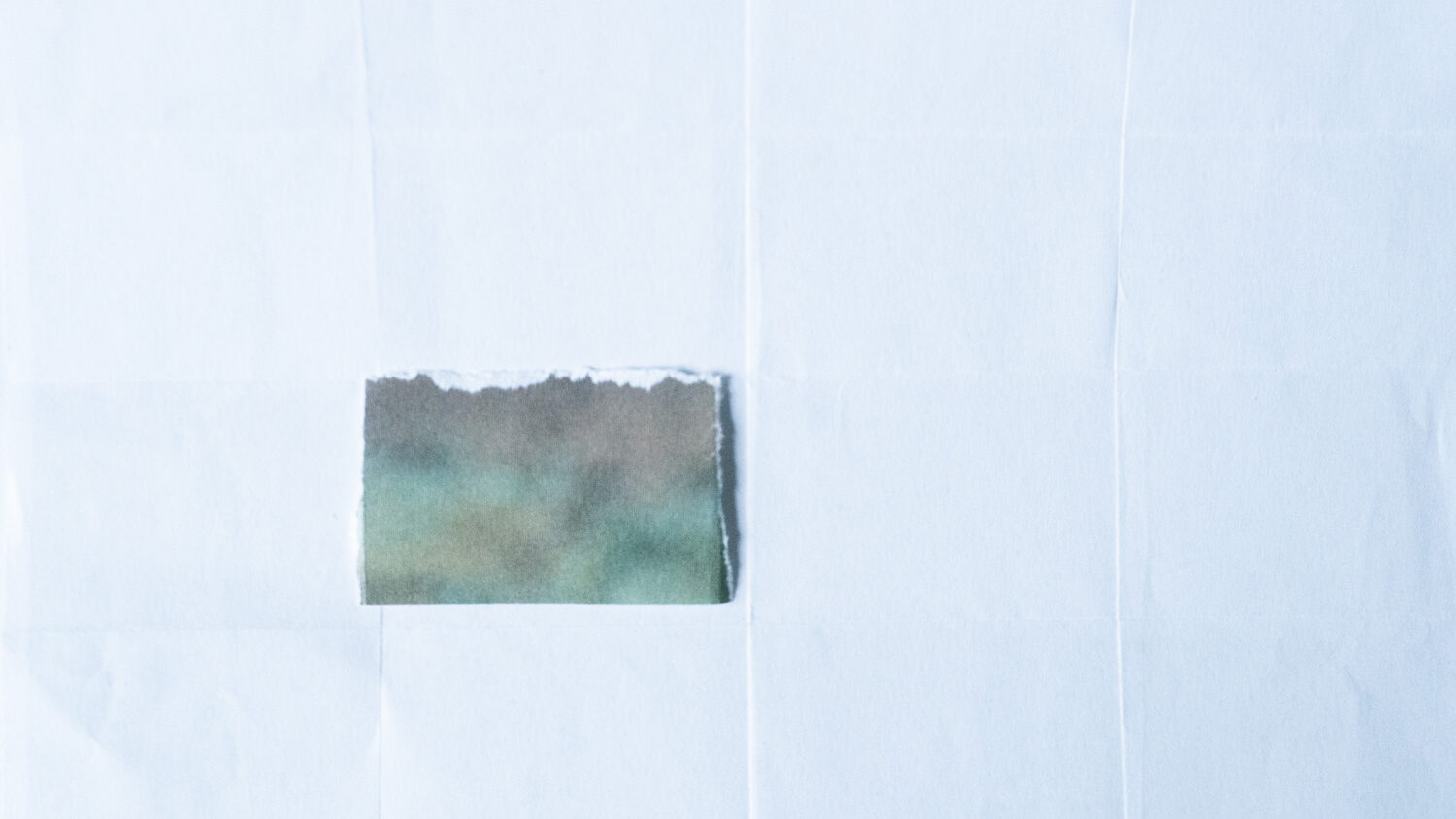
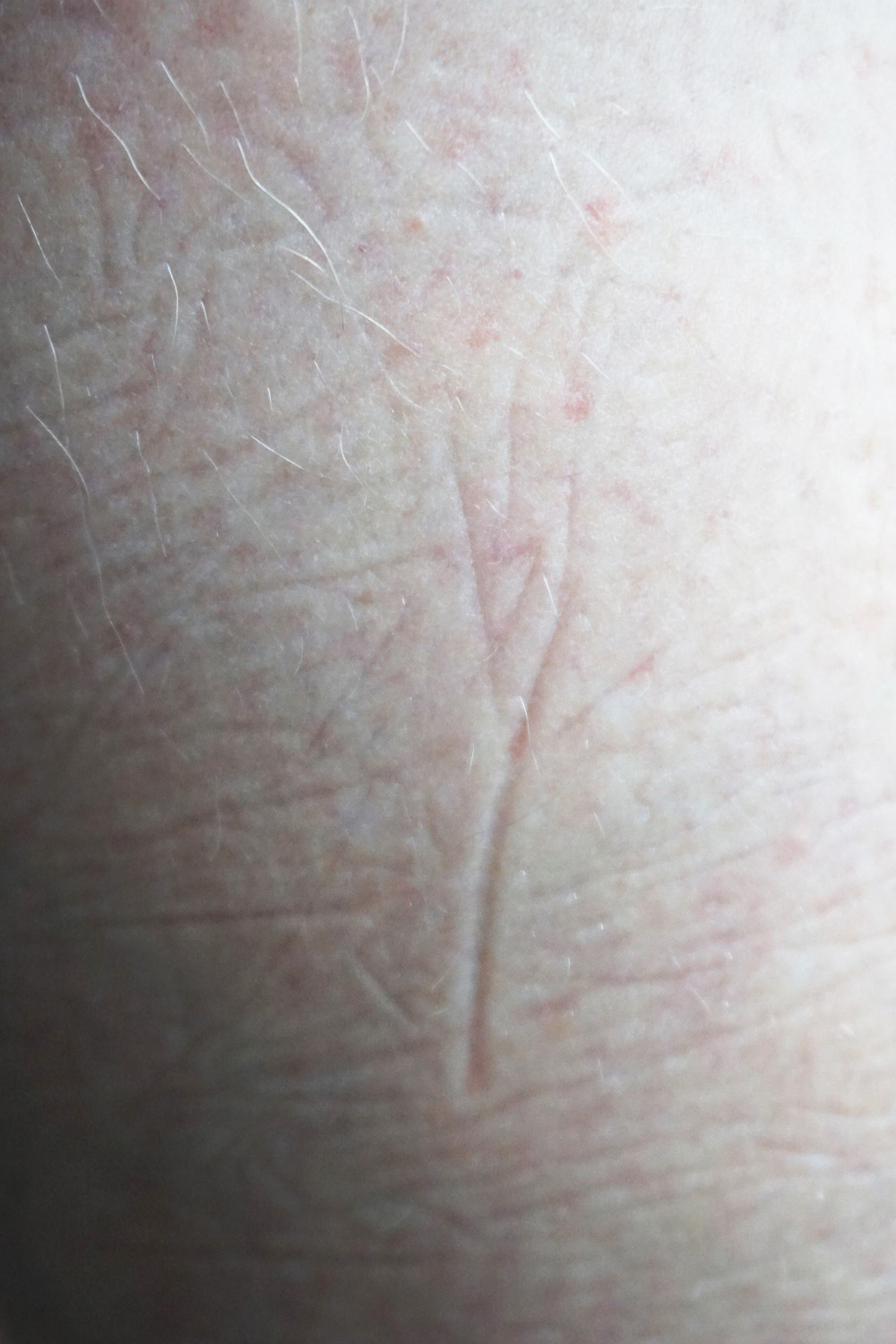
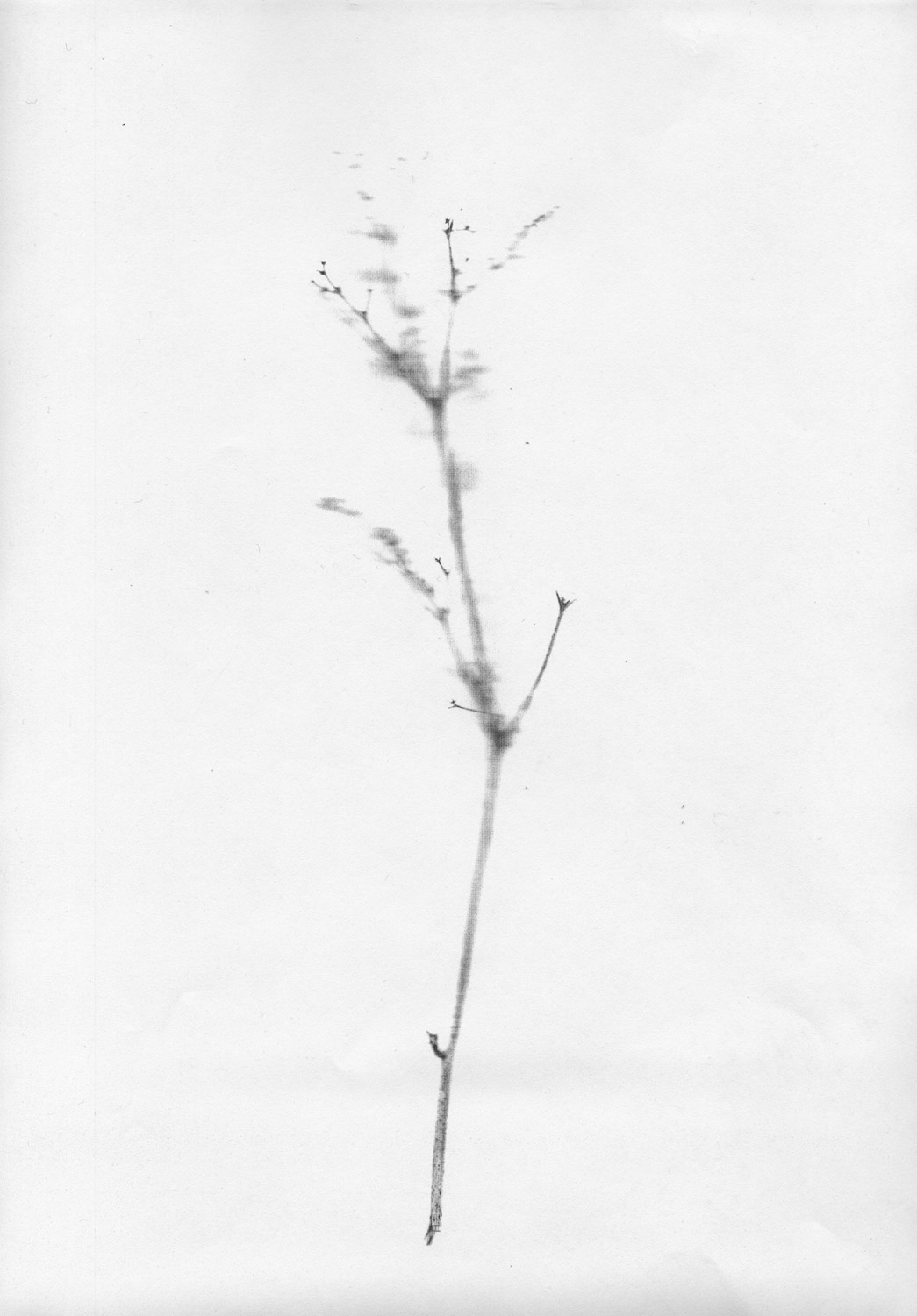
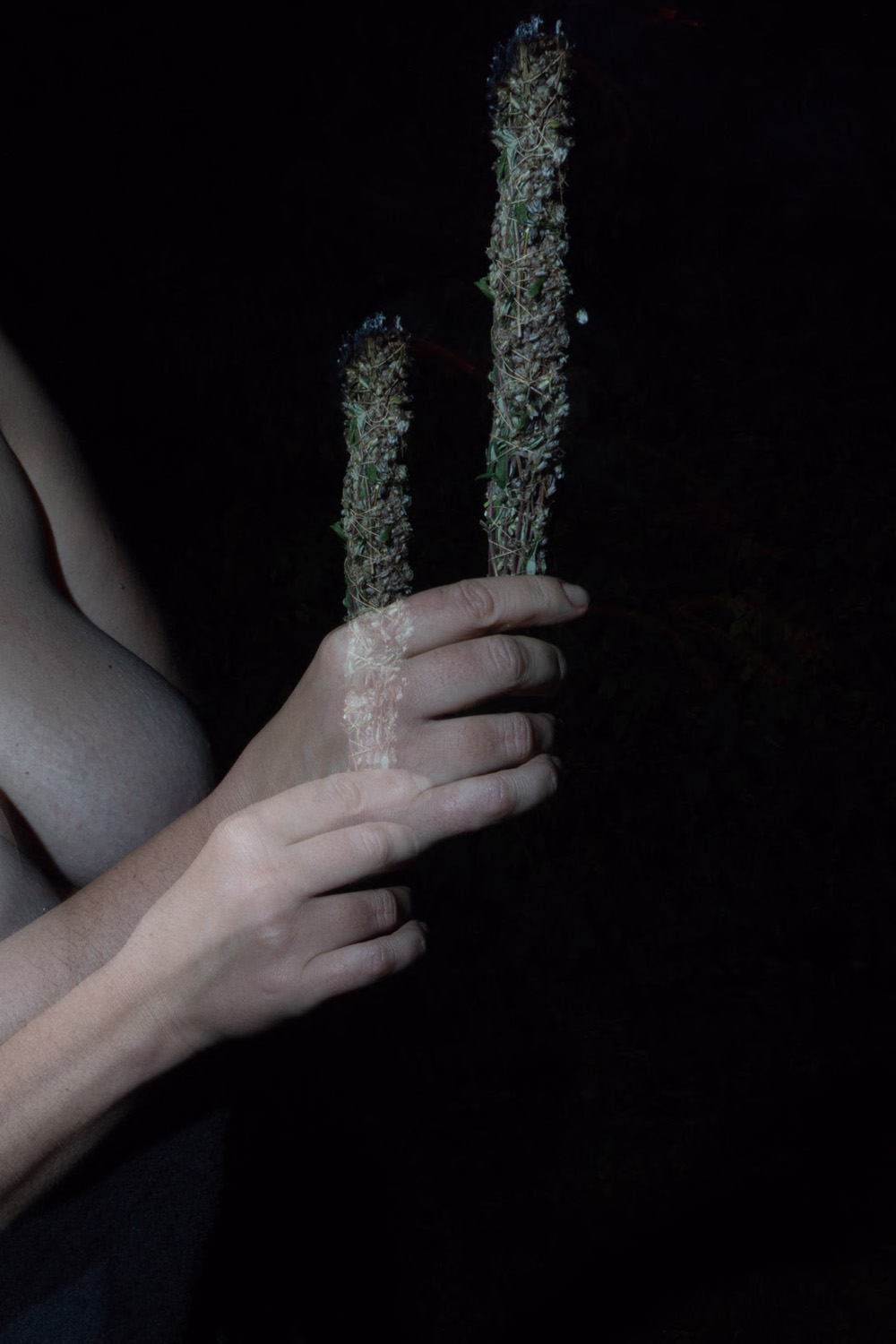
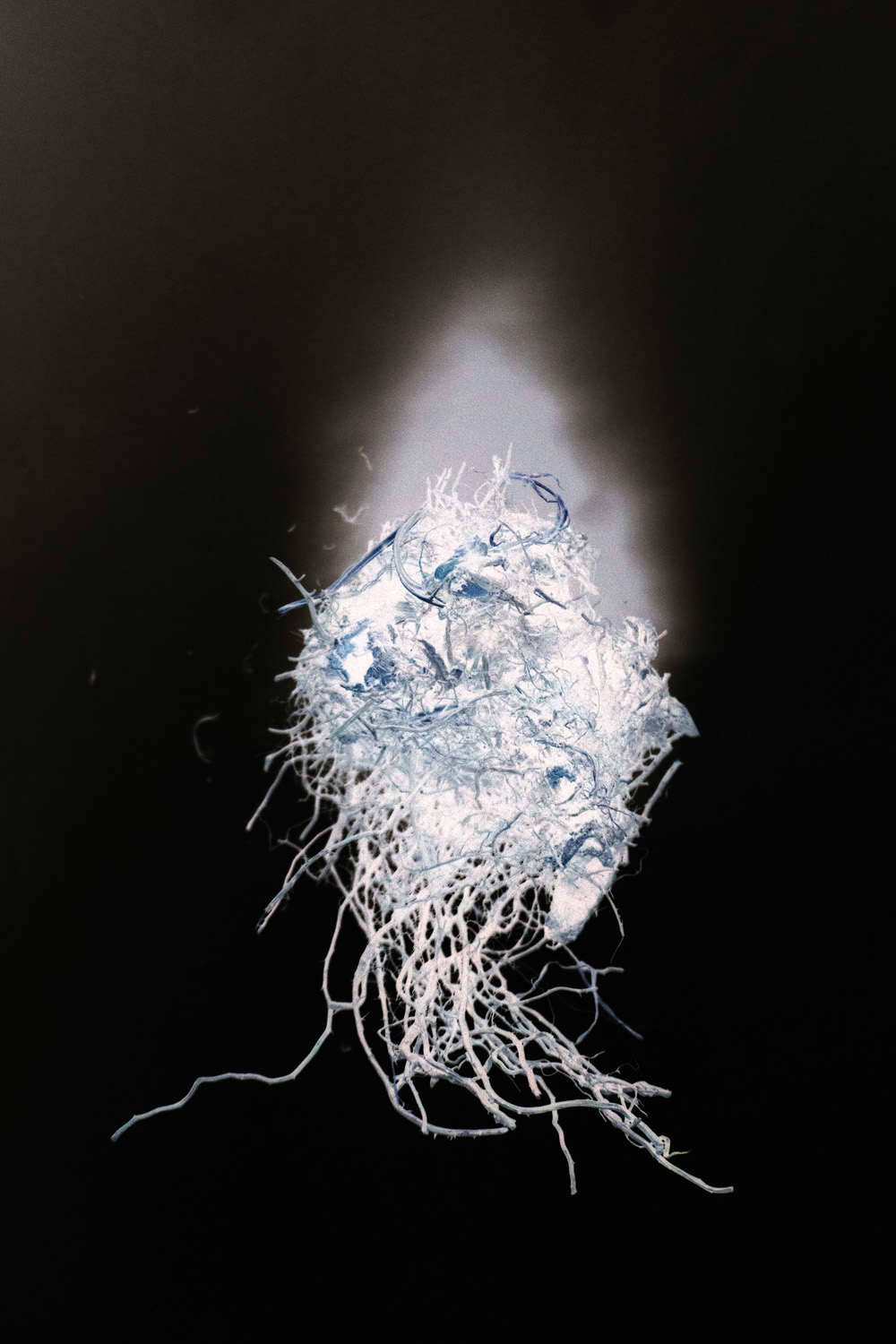
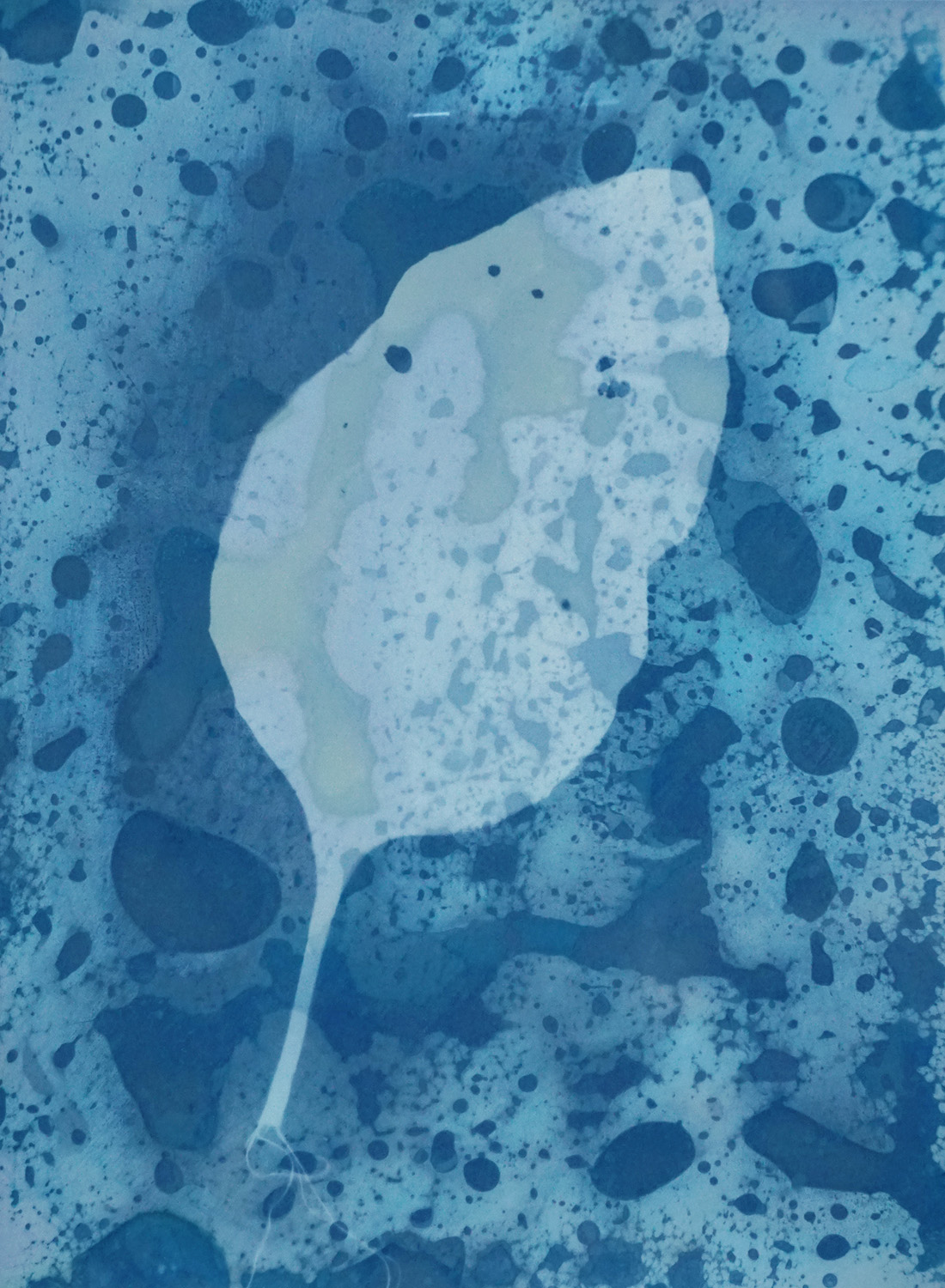
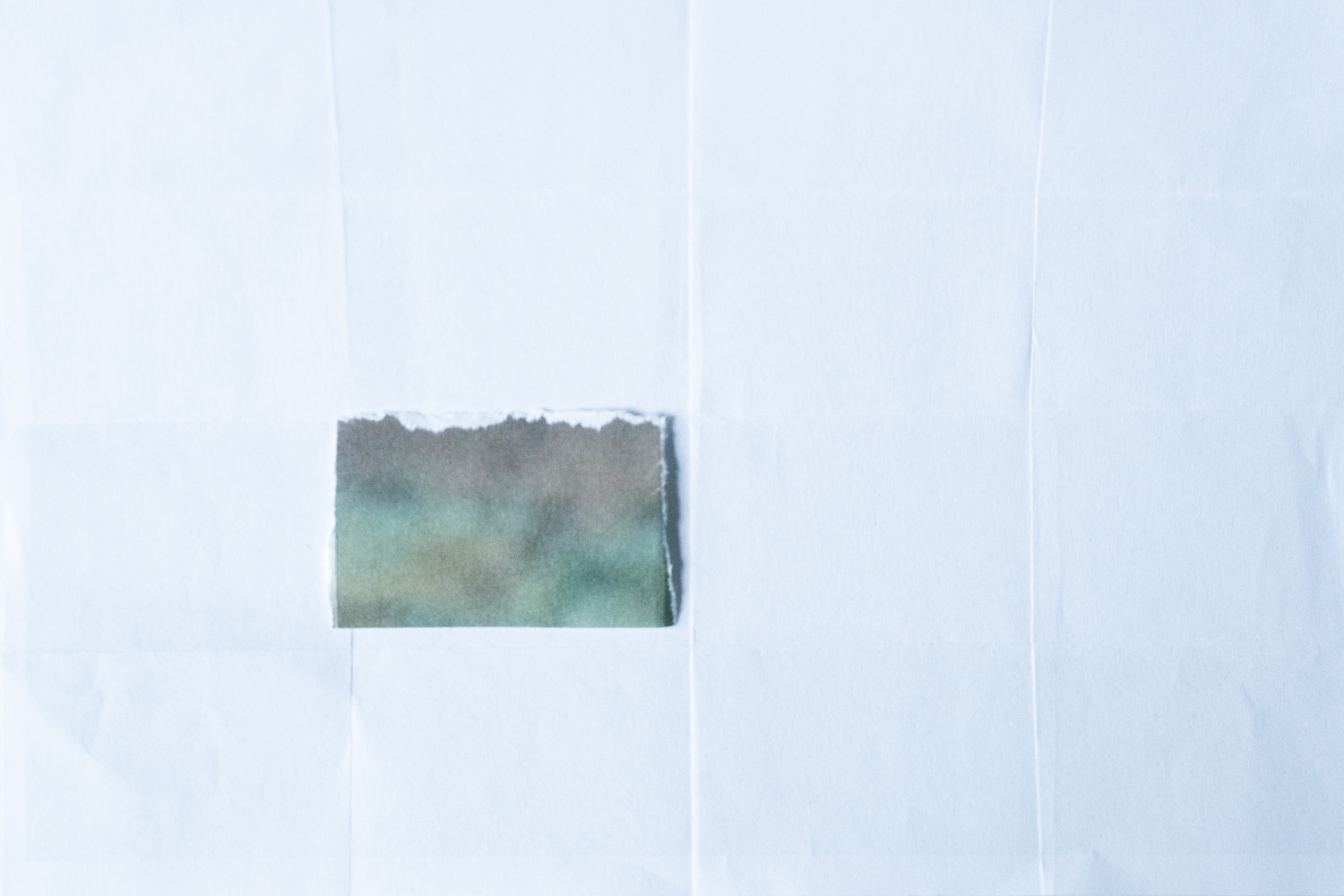
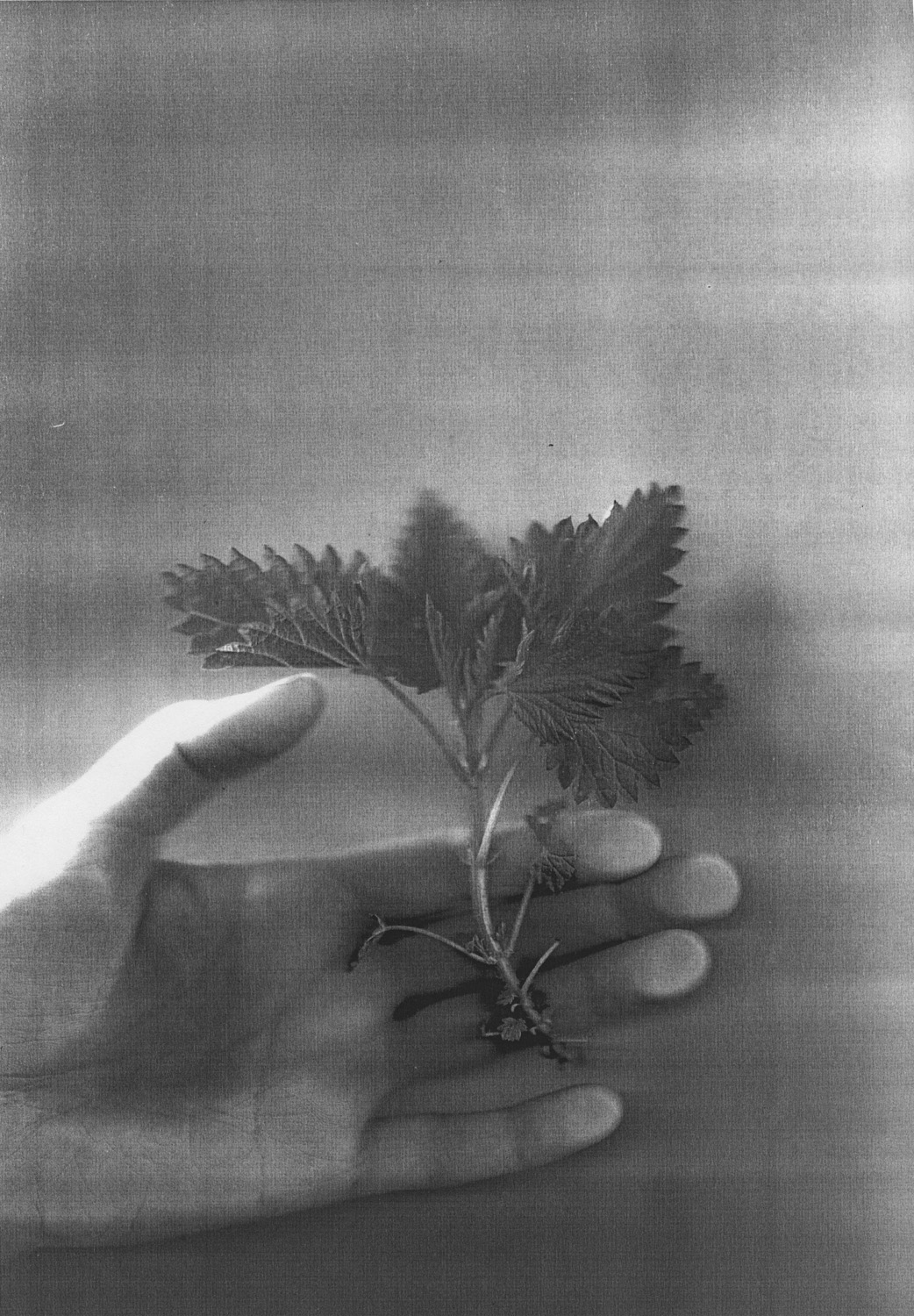
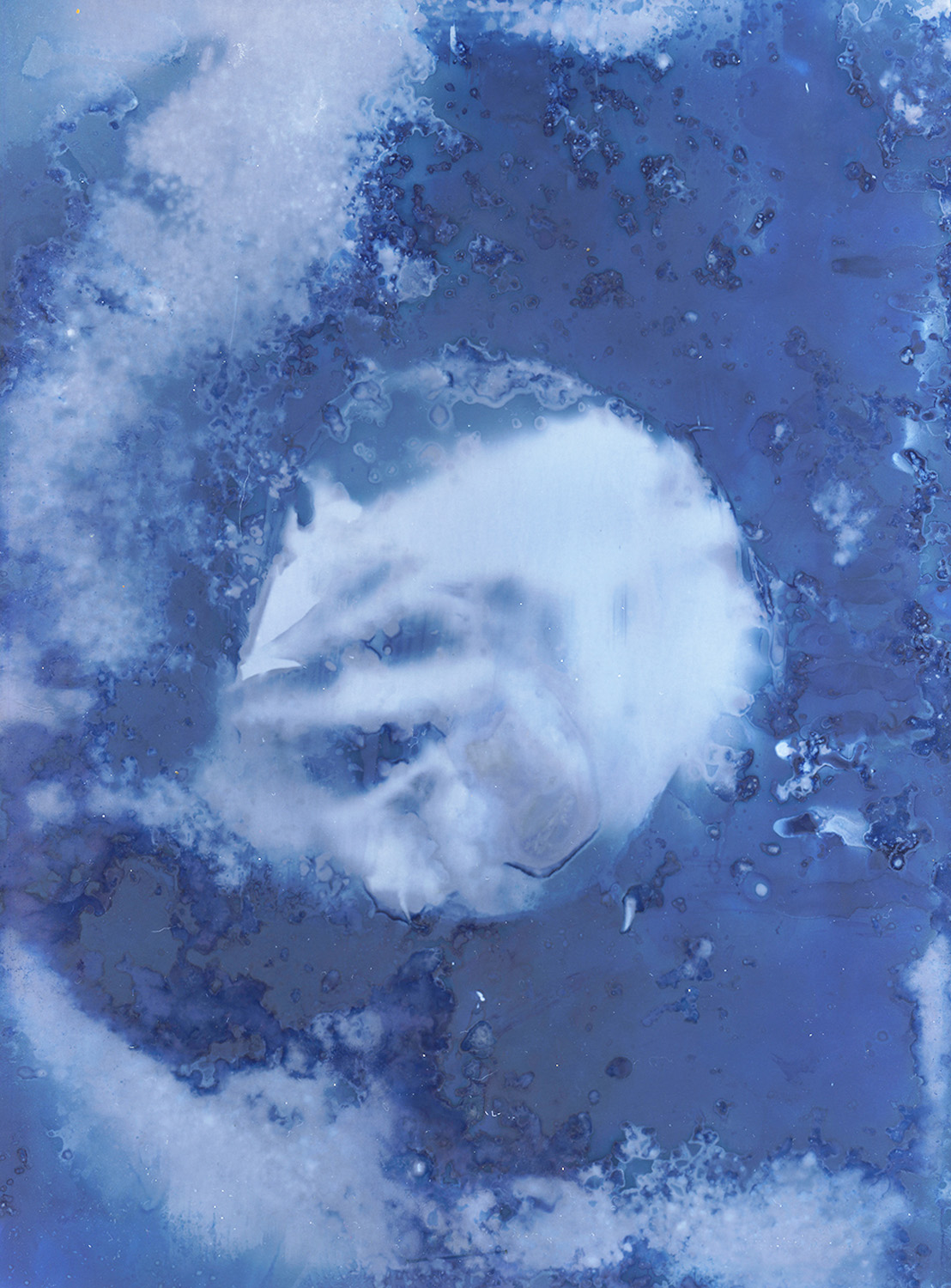
The diversity of techniques used in the photographic series—analog and digital photography, scanning, and cyanotype—creates an open archive that continues to grow and transform over time, reflecting the structure and biological diversity of the meadow itself. Cyanotype, historically associated with botanical documentation, marks a connection between science, aesthetics, and healing. Plants become co-authors here—teachers, mediators, and witnesses—encouraging slow, attentive looking. As a process, “Vanishing Landscape” invites reflection on human responsibility toward the environment and on how the meadow—as landscape, field of knowledge, and mythological space—continually shapes and reshapes our identity.
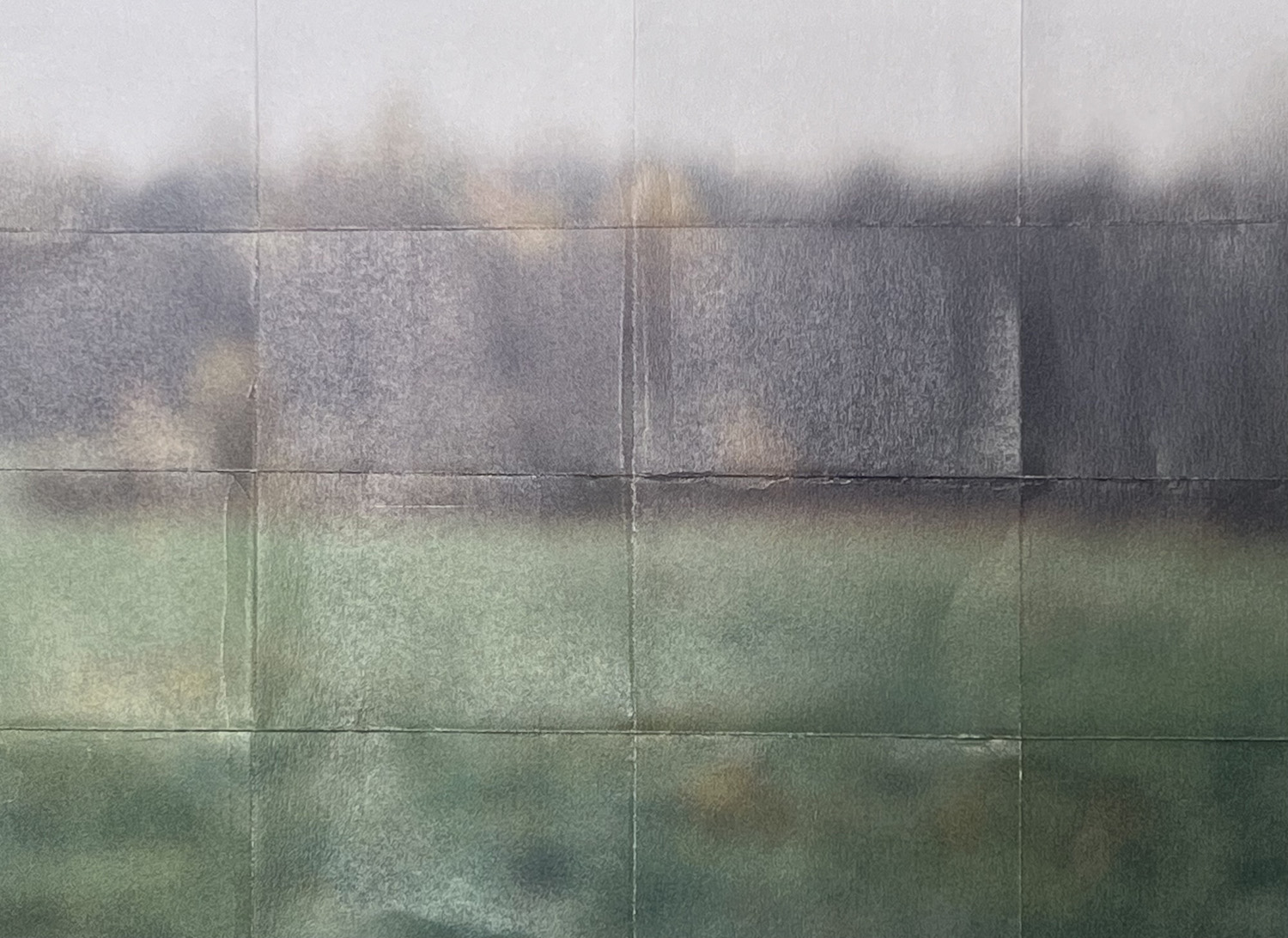
Līga Stibe graduated from the ISSP school program Developing the Language of Photography, studied with Andrejs Grants, participated in exhibitions and festivals in the Baltics. In 2023, she entered the finals of the Riga Photography Biennial and the FK Prize with her work Unidentified, and in 2024 participated in the exhibition Forest of Sounds at the Center of the Universe at the MABOCA gallery. She is currently studying at the Latvian Academy of Arts in the program Movement, Image, Sound. The series of photographs The Vanishing Landscape was created as part of the FK Photo Story program.