Shared Horizon
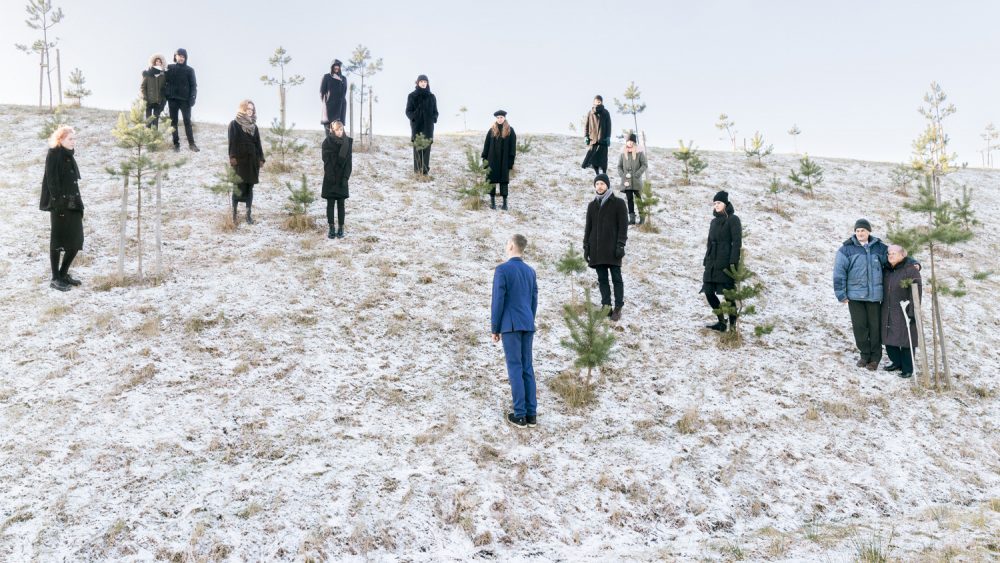
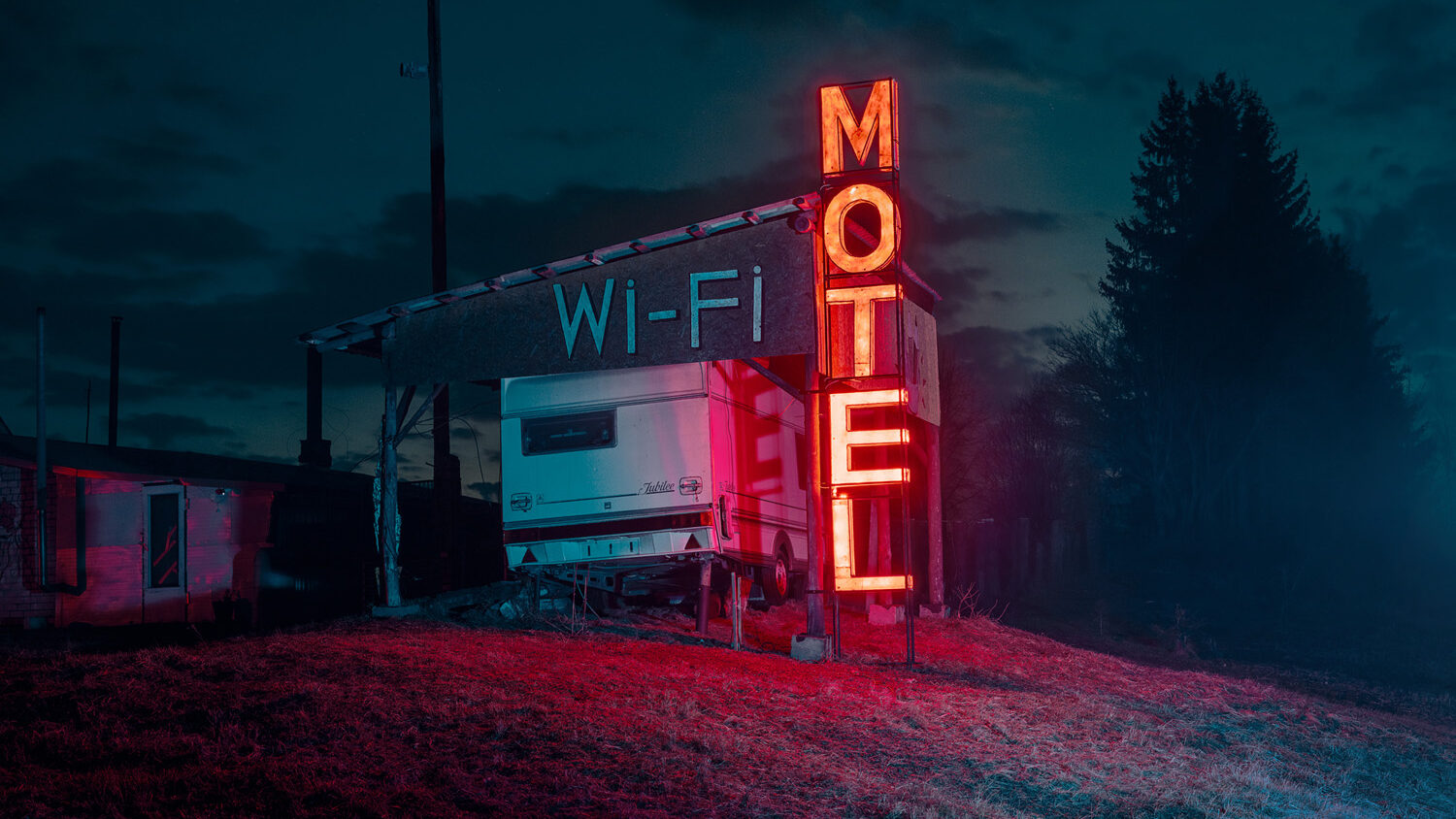
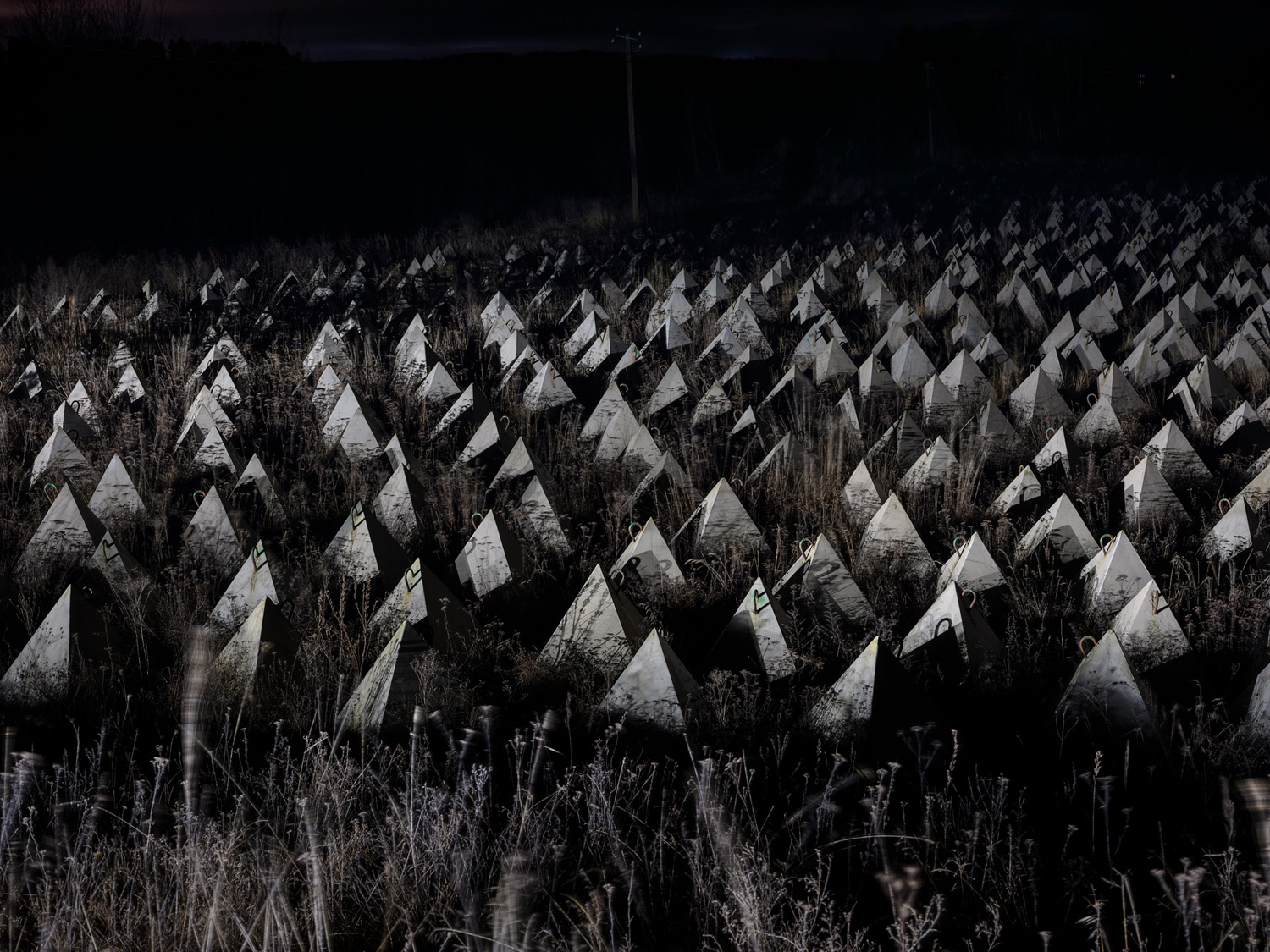
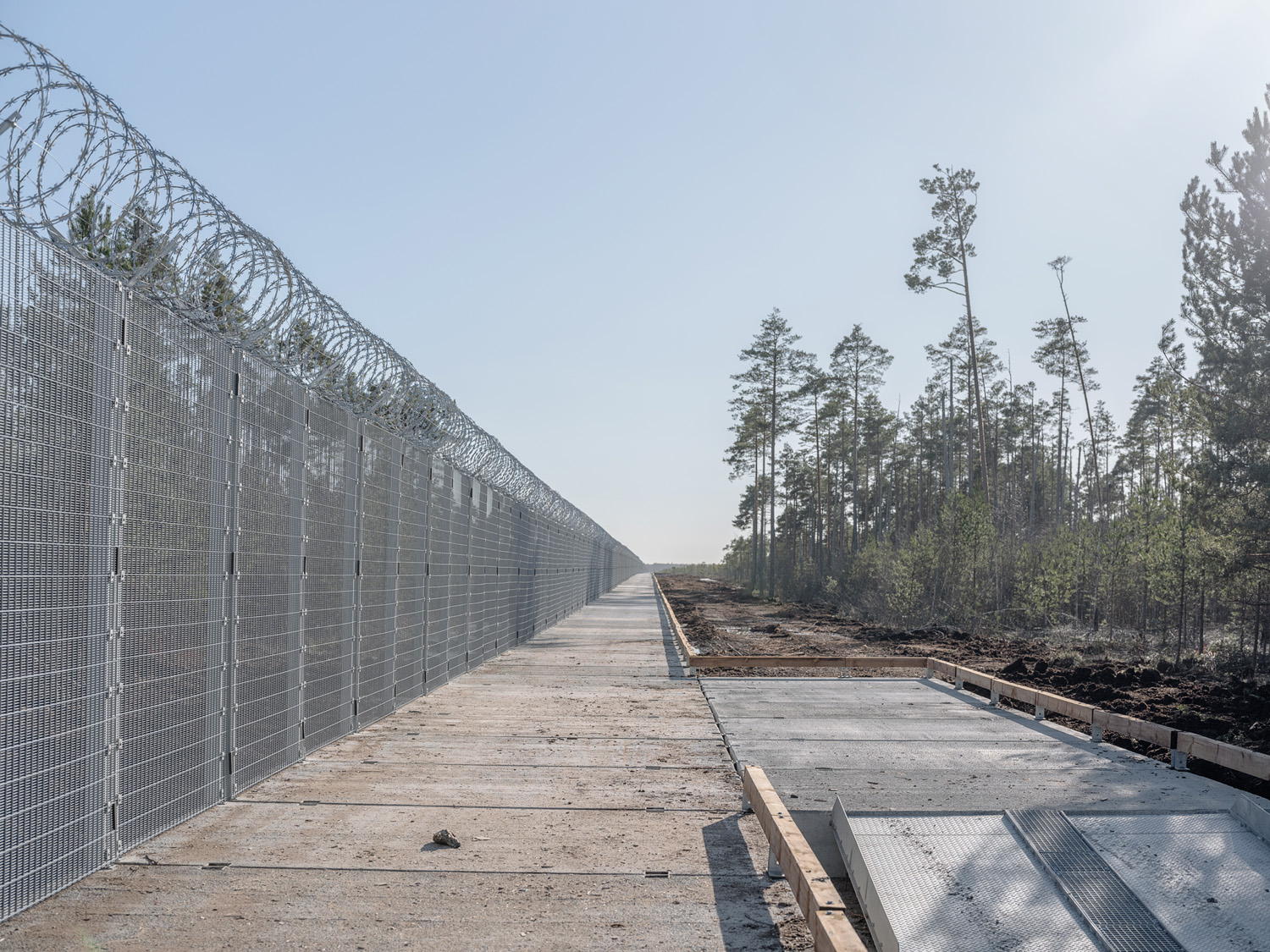
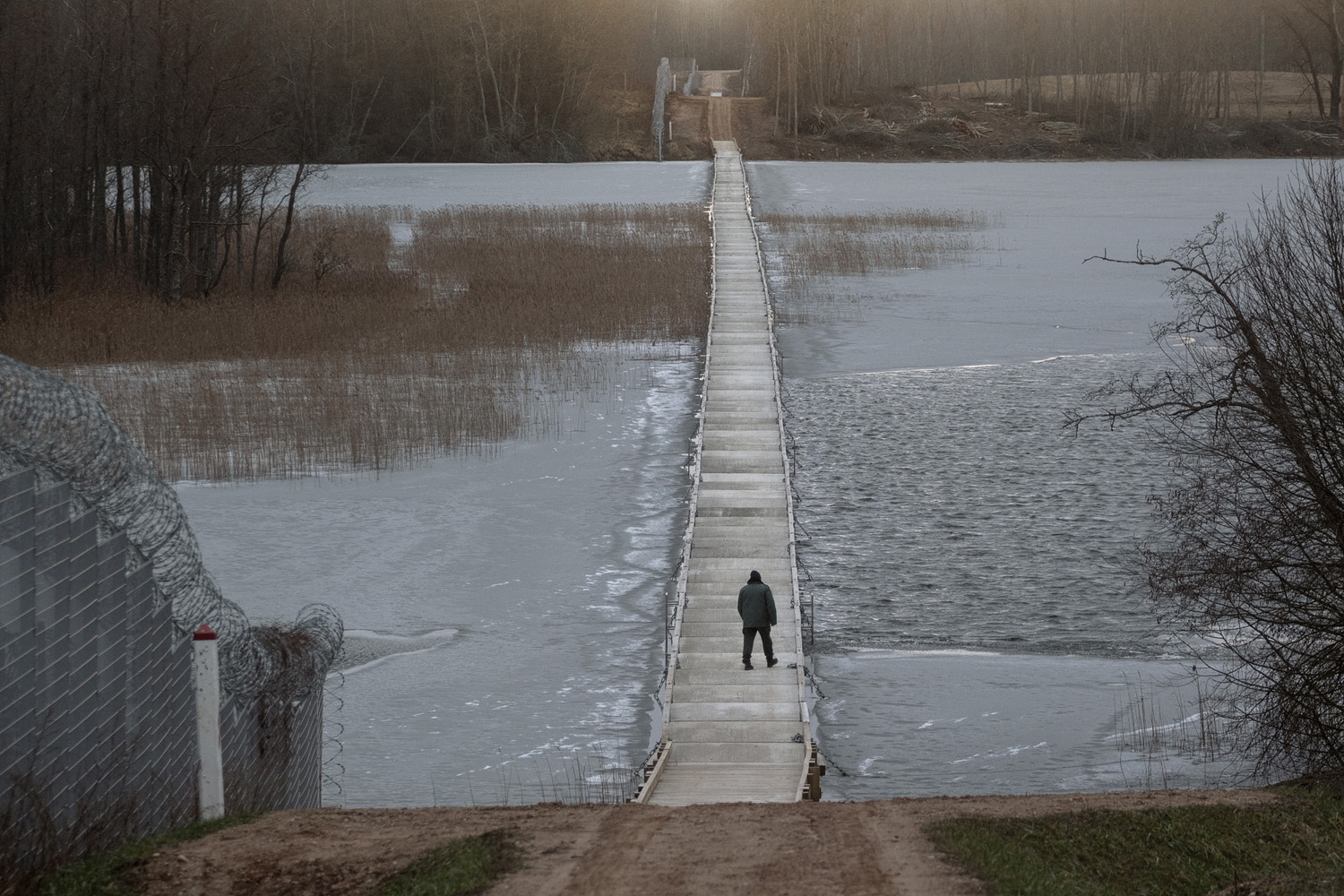
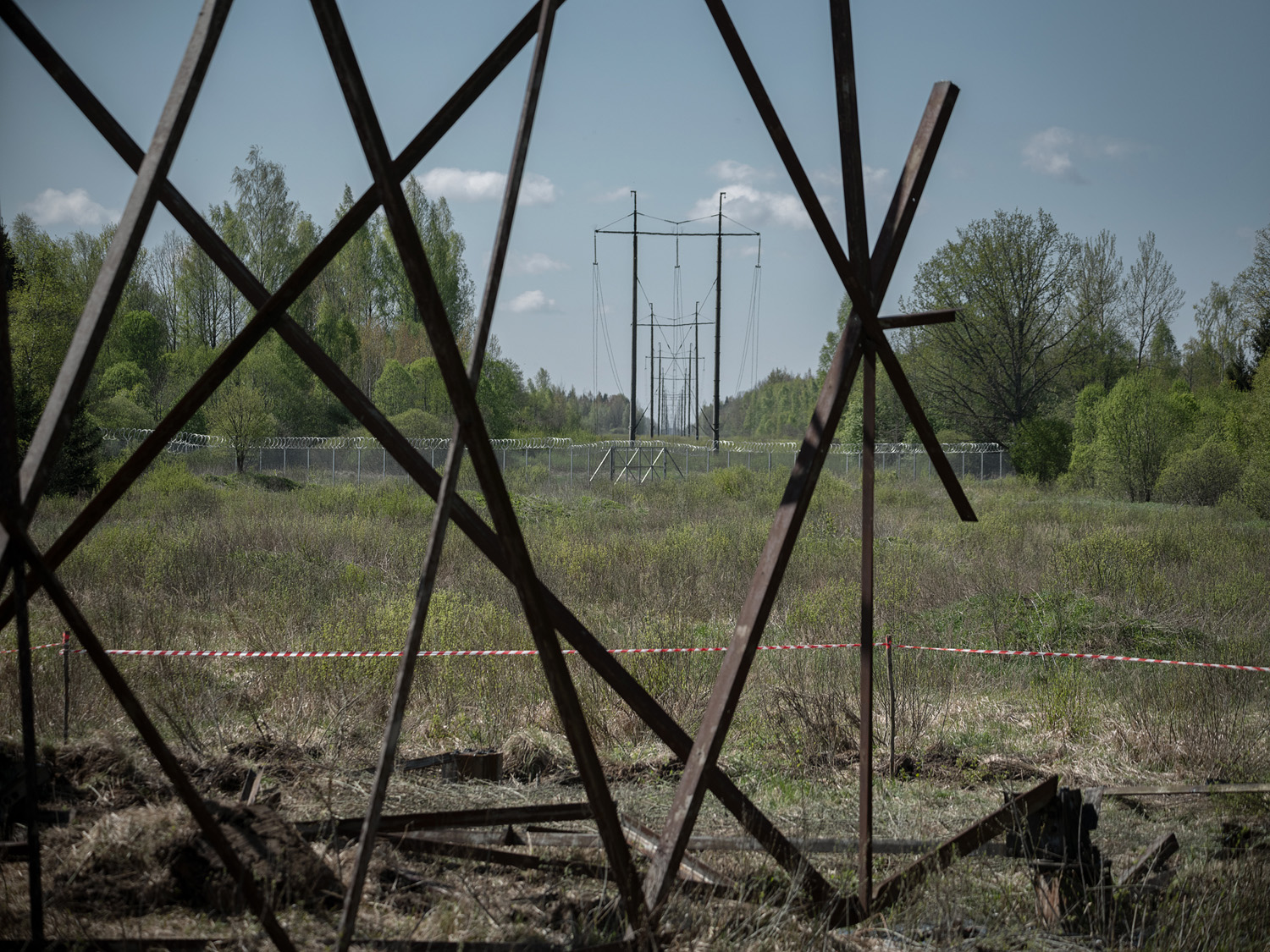
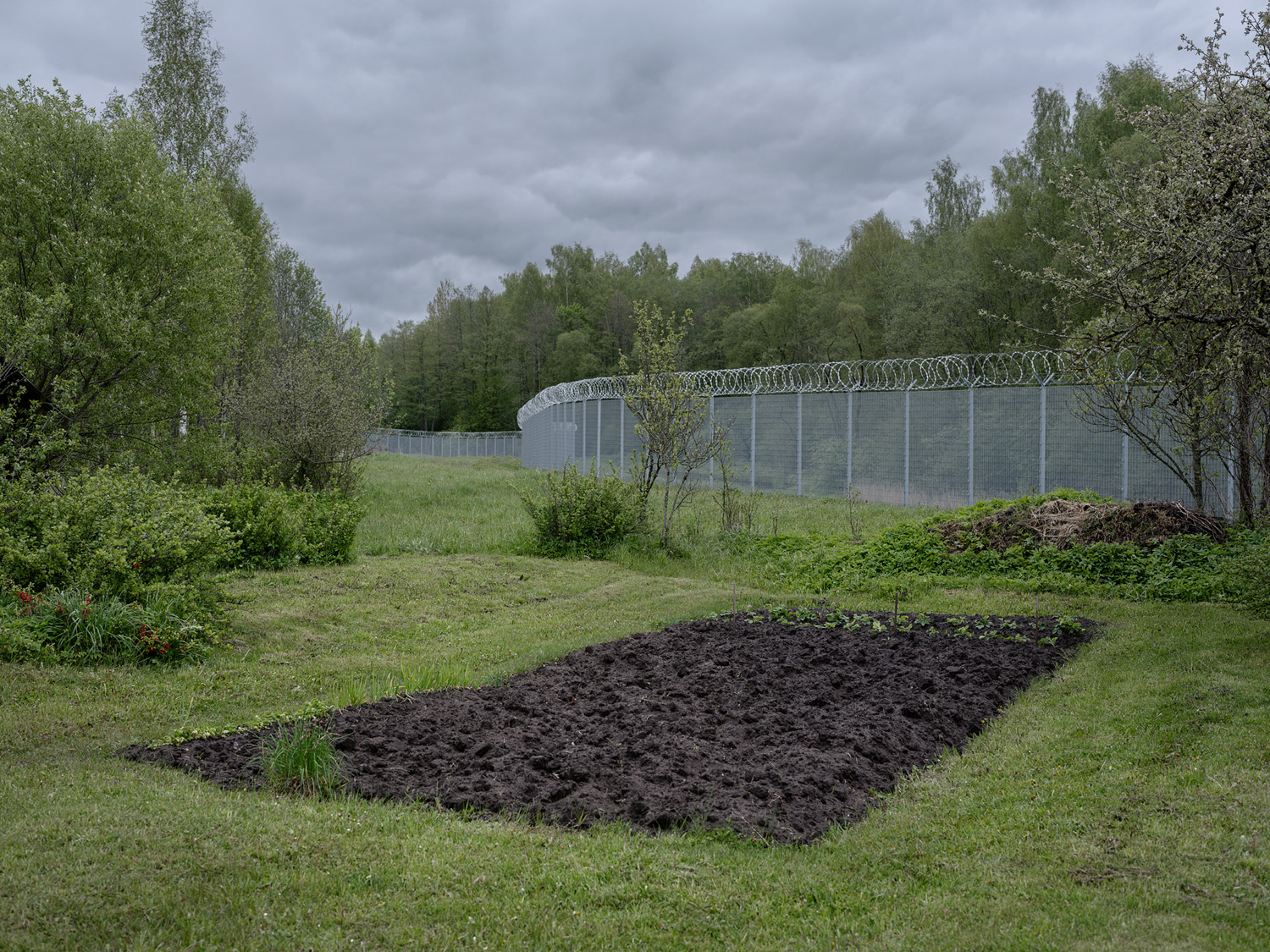
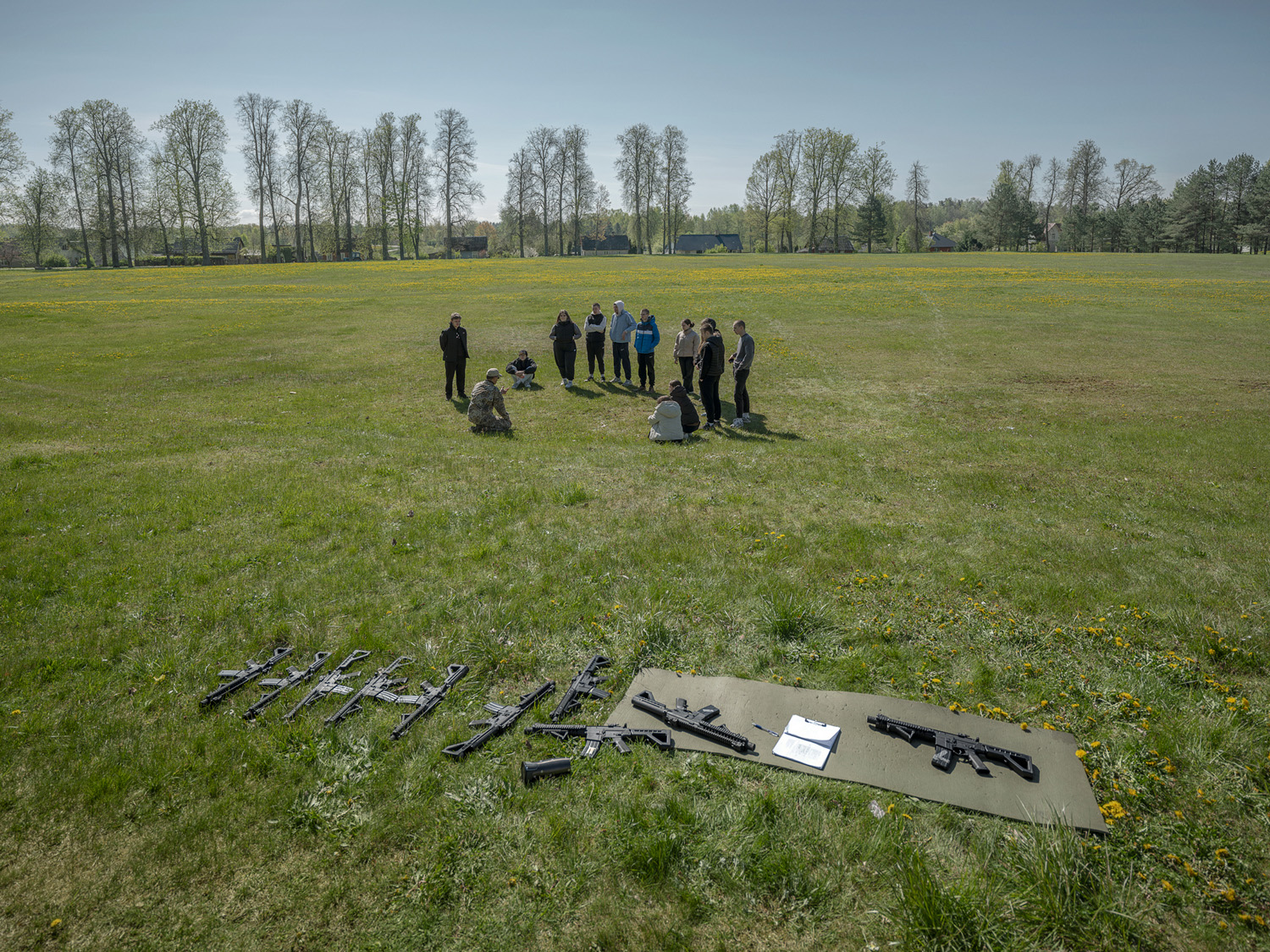
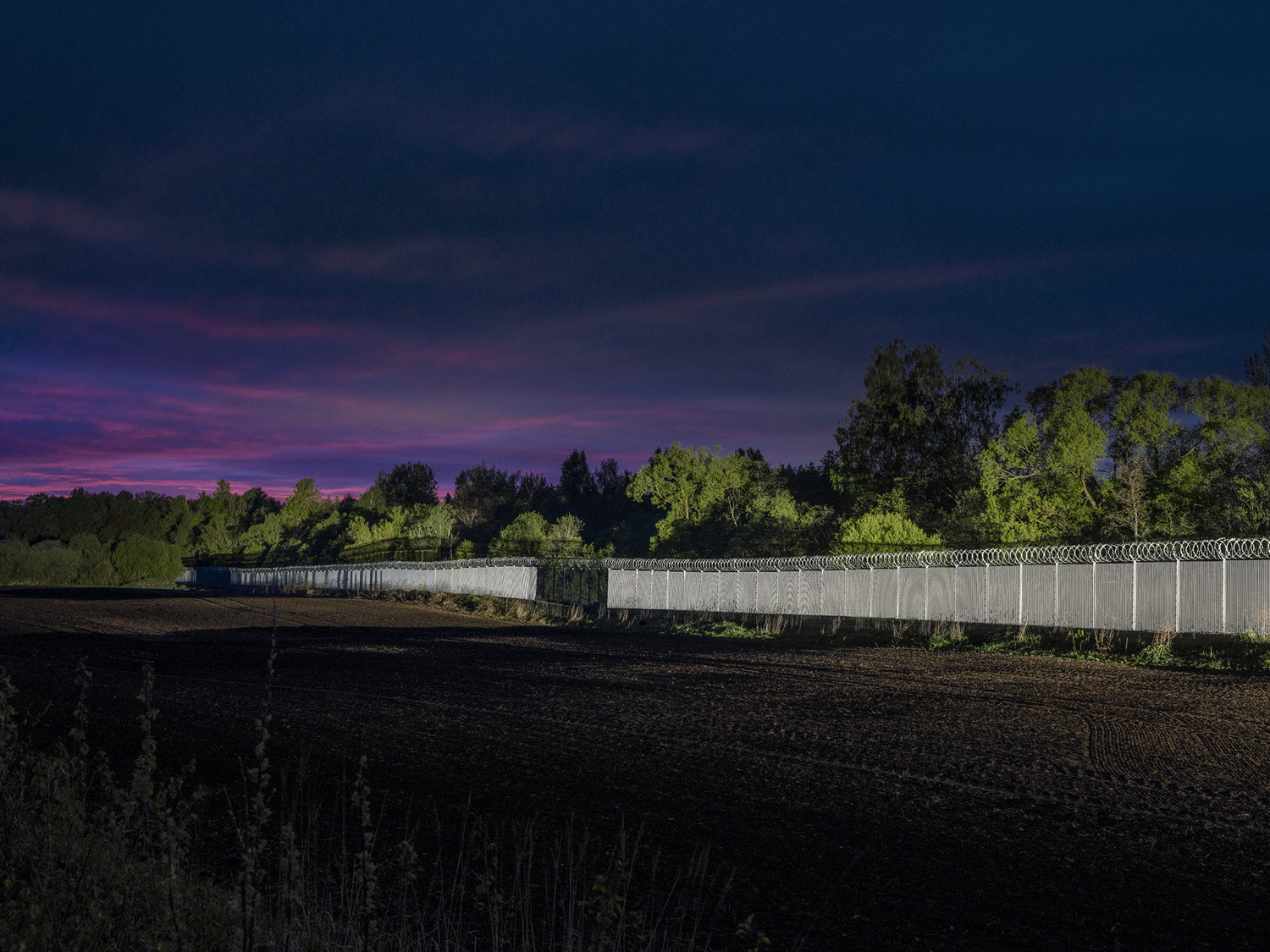
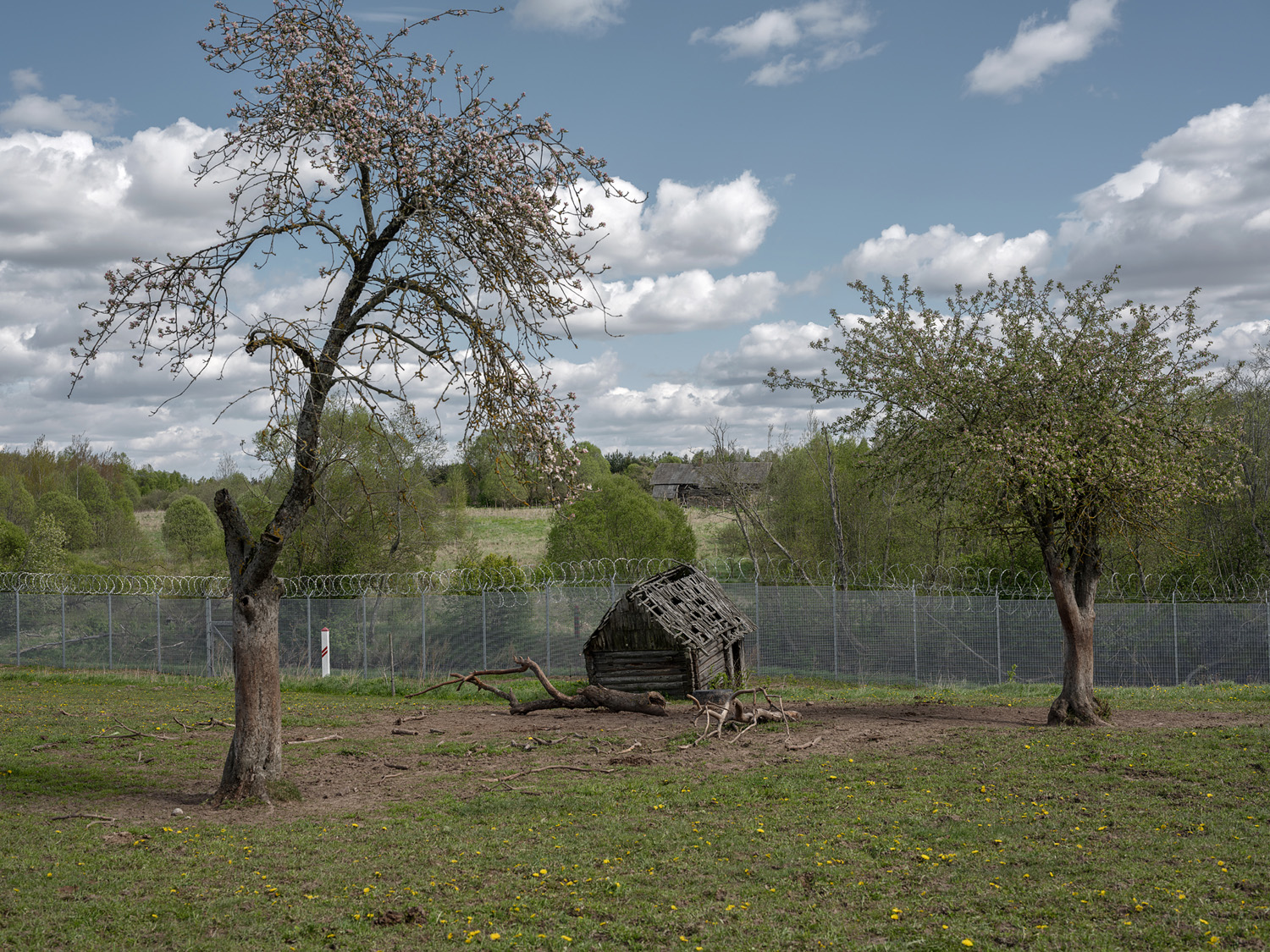
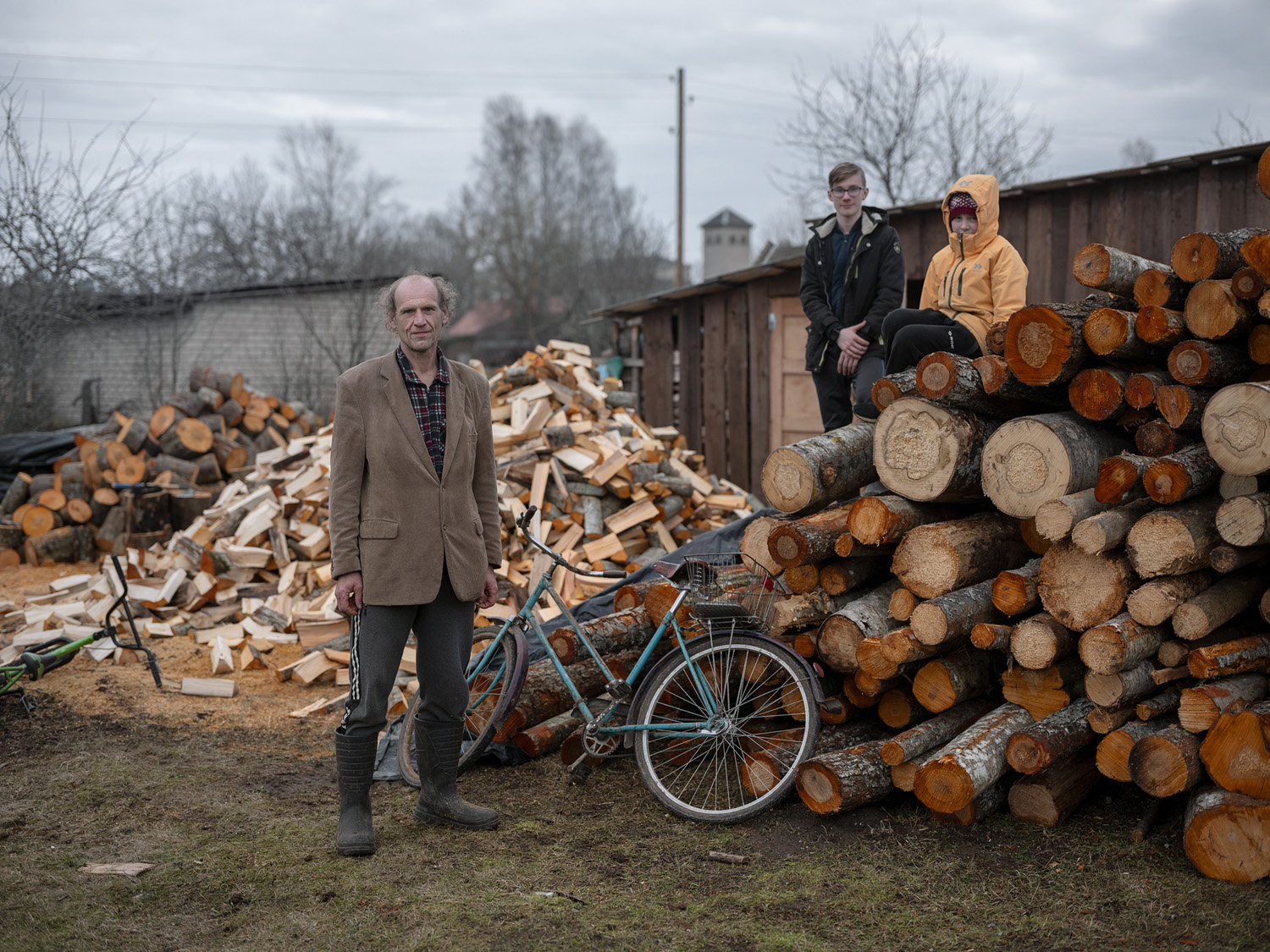
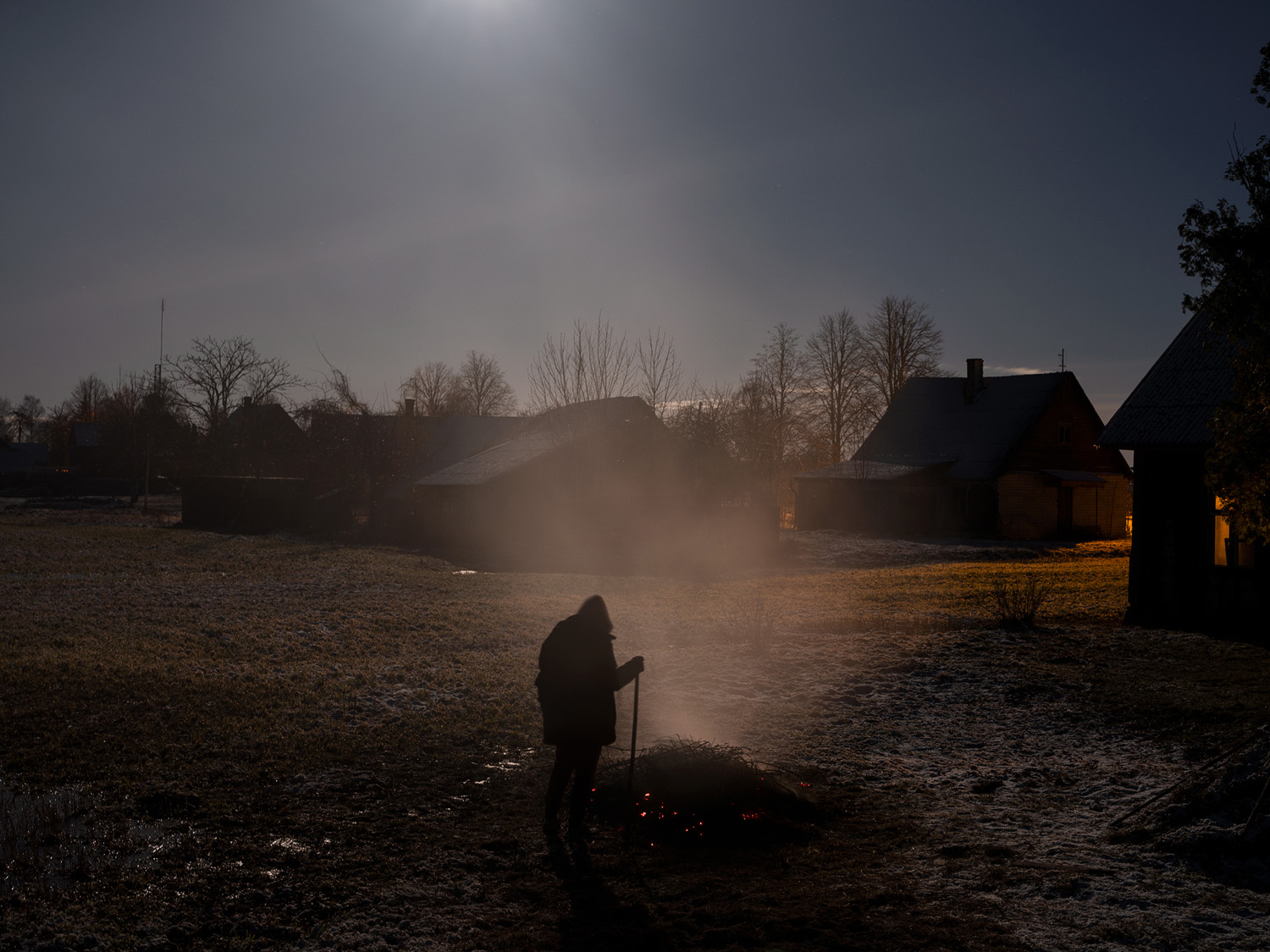
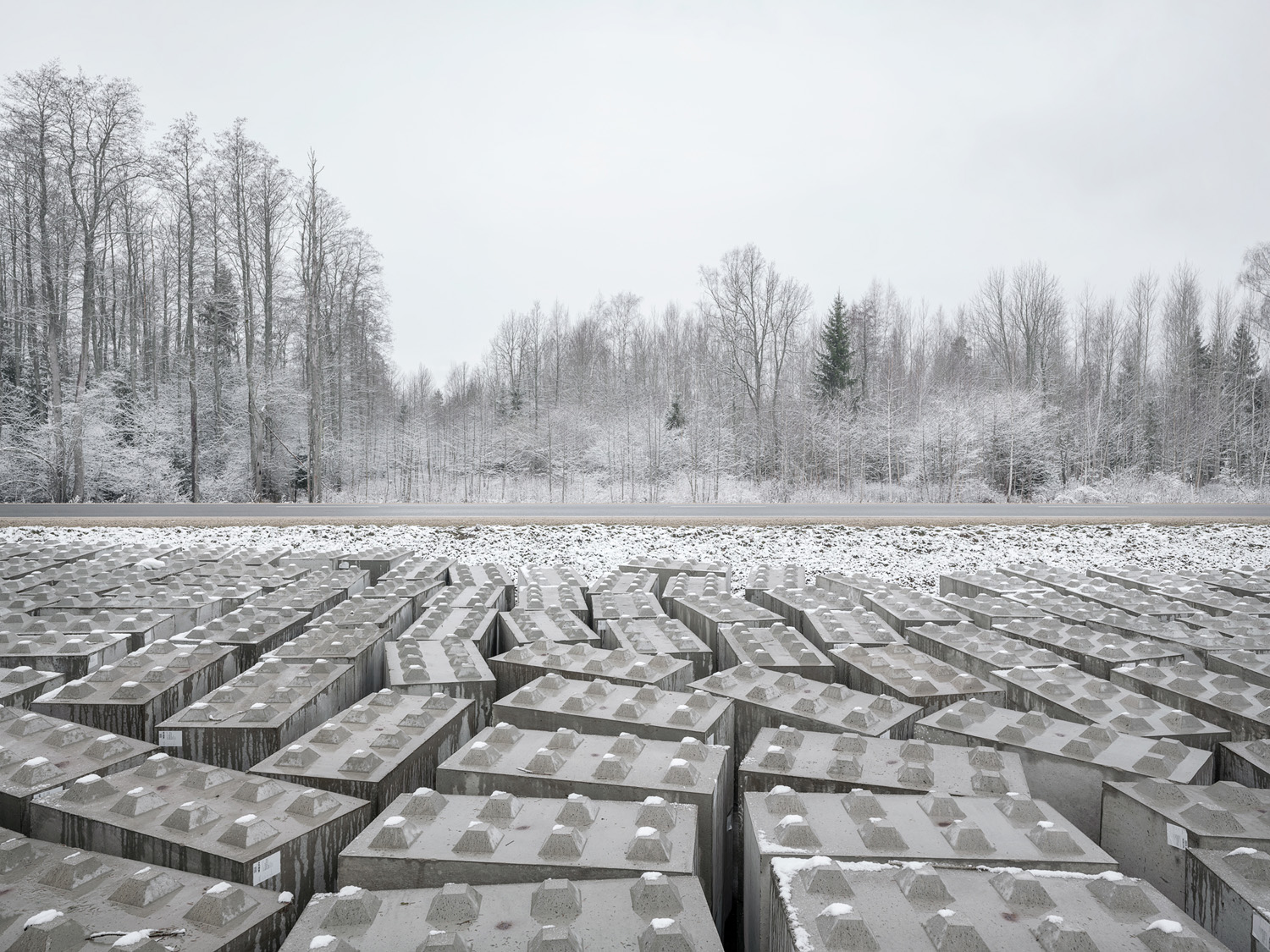
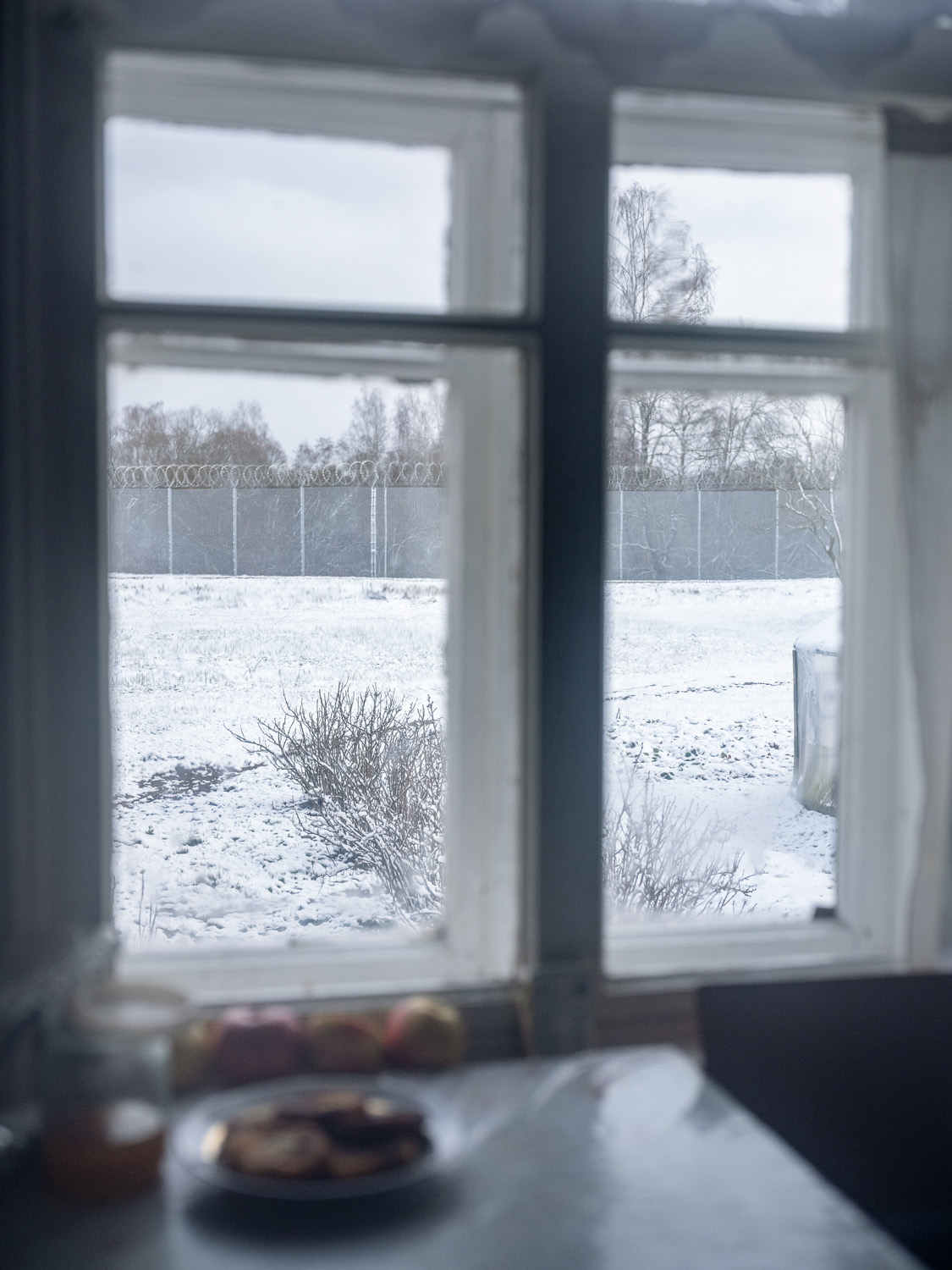
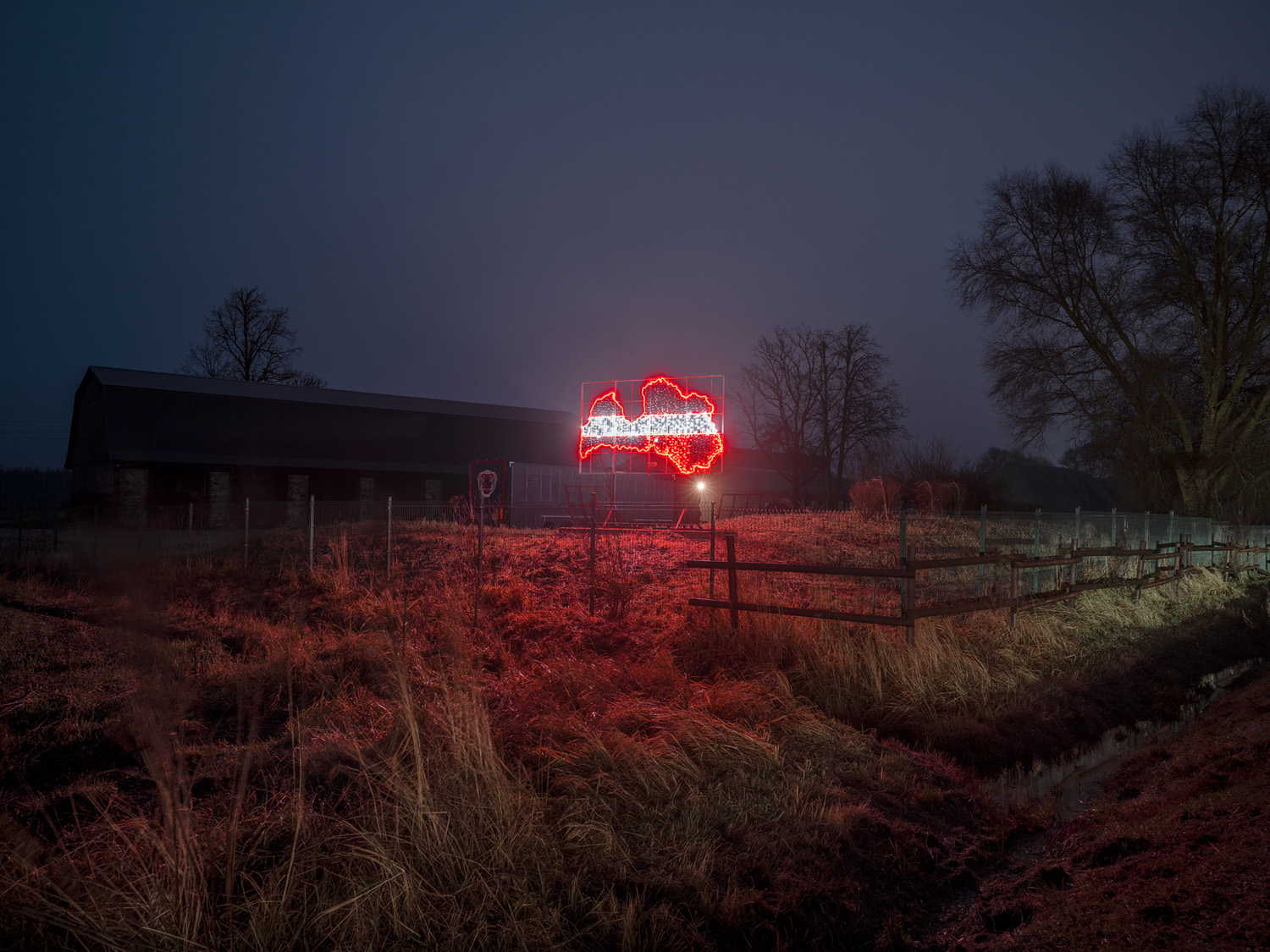
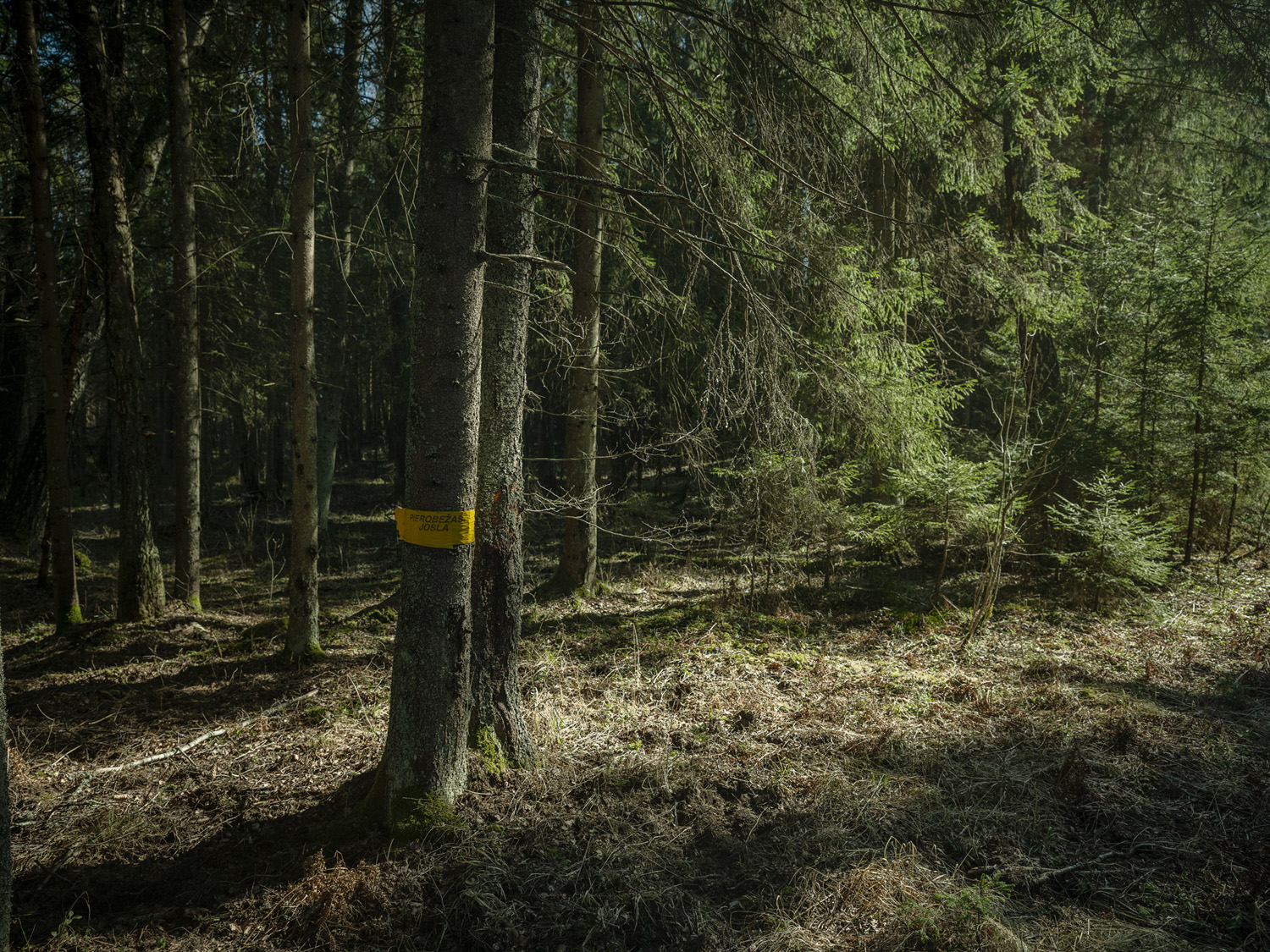
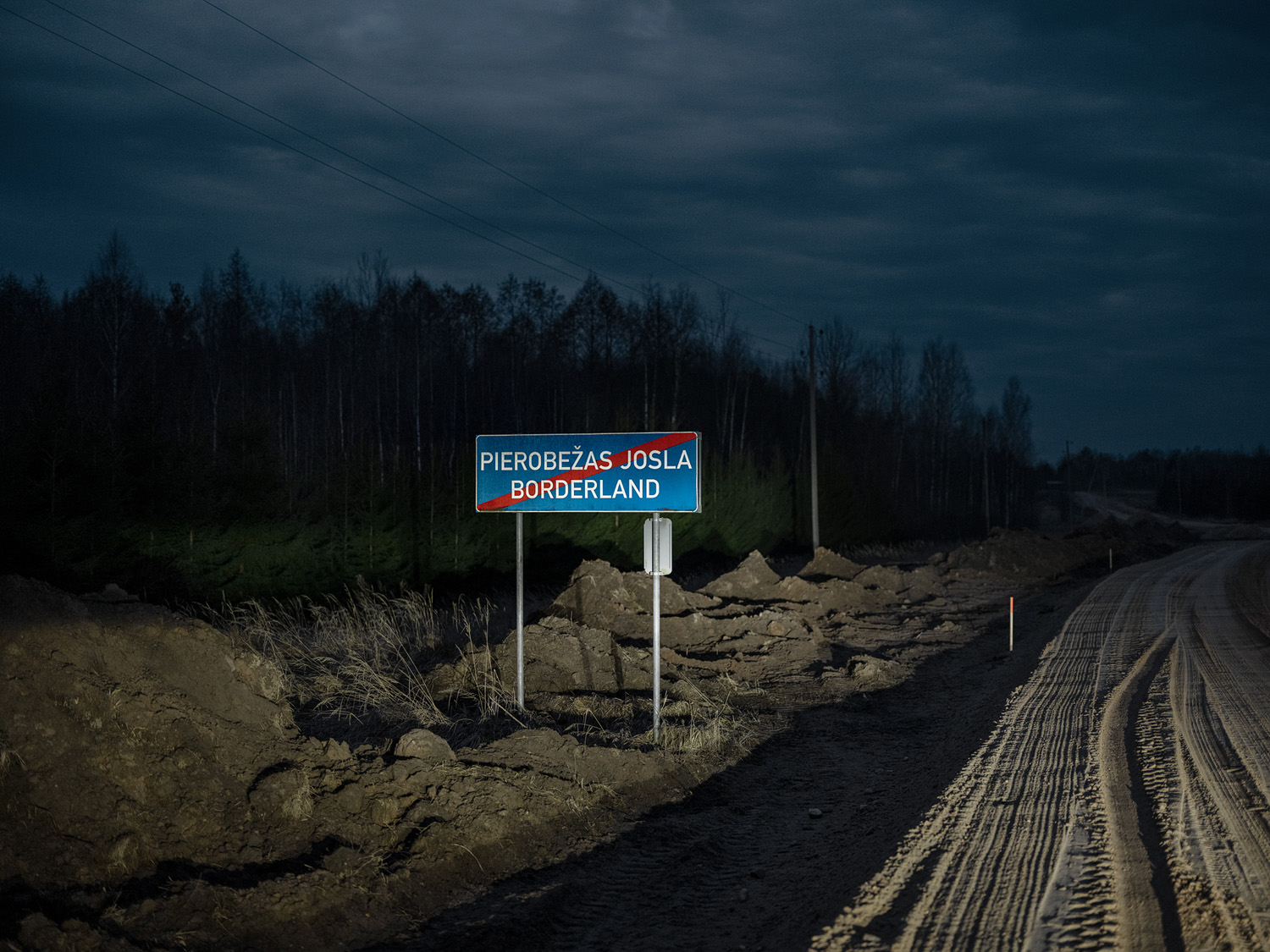
I grew up in the countryside of Latvia’s Sēlija region, not far from the borders with Russia and Belarus, and spent my early childhood in the final years of the Soviet Union. Since Latvia regained independence in 1991, the border with Russia has been marked only by boundary posts rather than barriers. The war in Ukraine and the growing confrontation between Russia and the West have brought renewed attention to Latvia’s eastern frontier. Historically caught between Western and Eastern Europe and now situated on NATO’s outer edge, Latvia is often imagined as a frontier between two worlds. Across much of Europe, borders are barely noticed. Here, however, in the past two years, the frontier has been fortified with fences, watchtowers, and patrols, making the abstract line tangible.
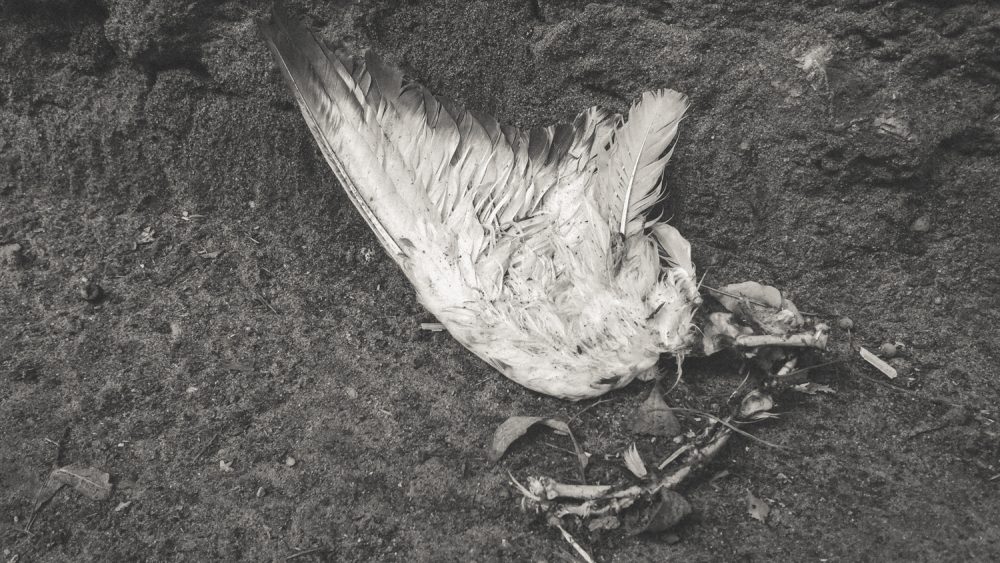
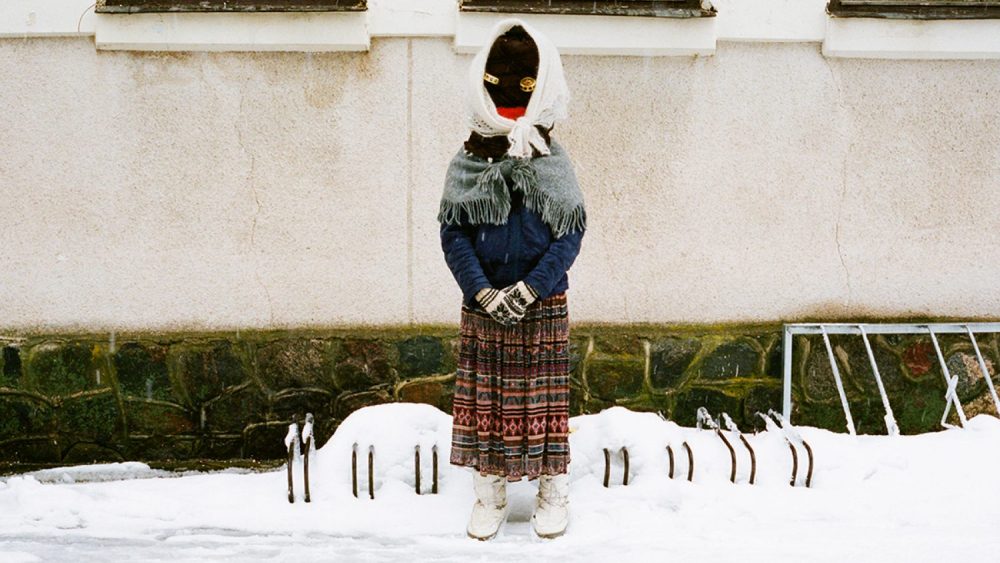
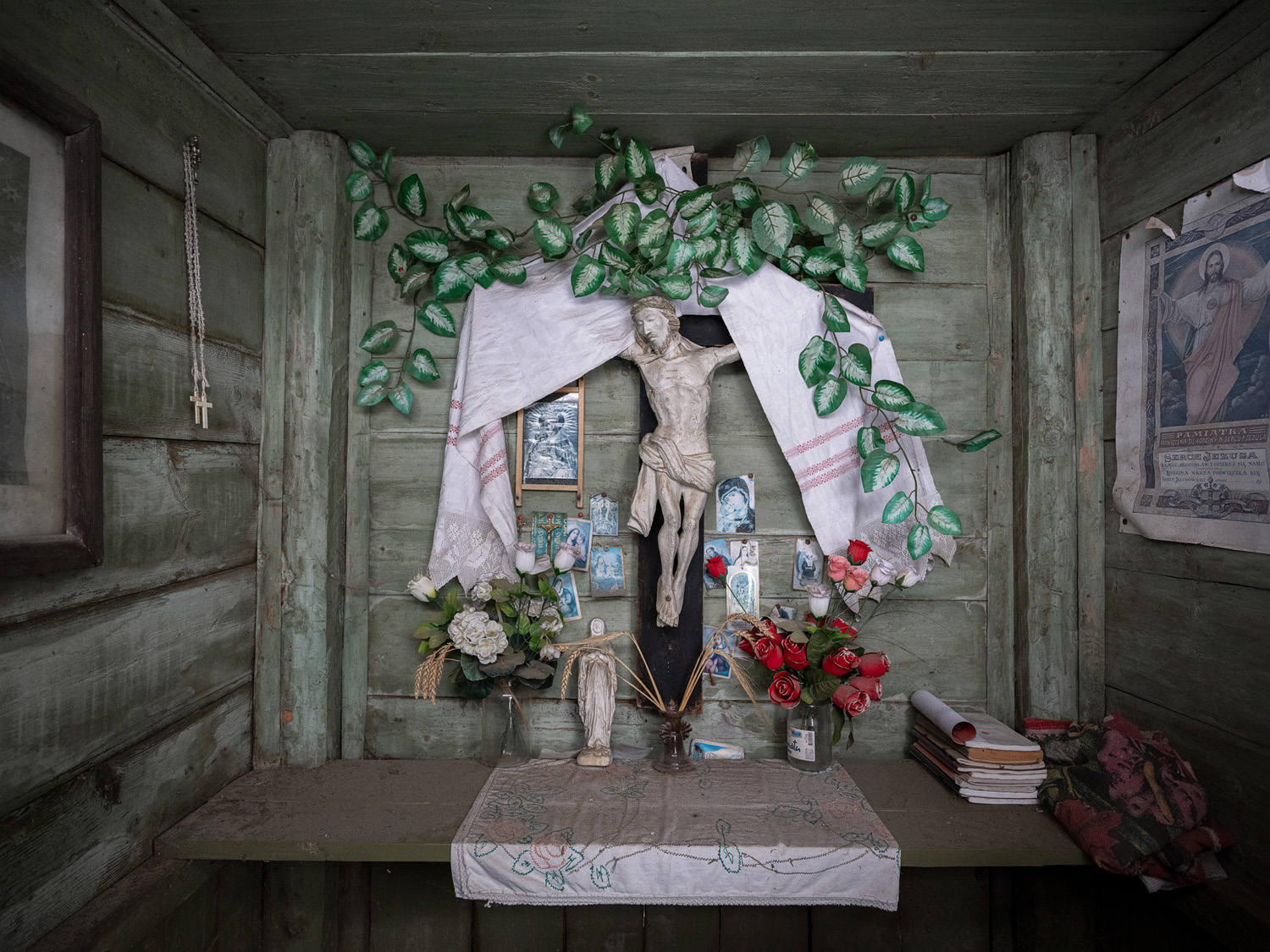
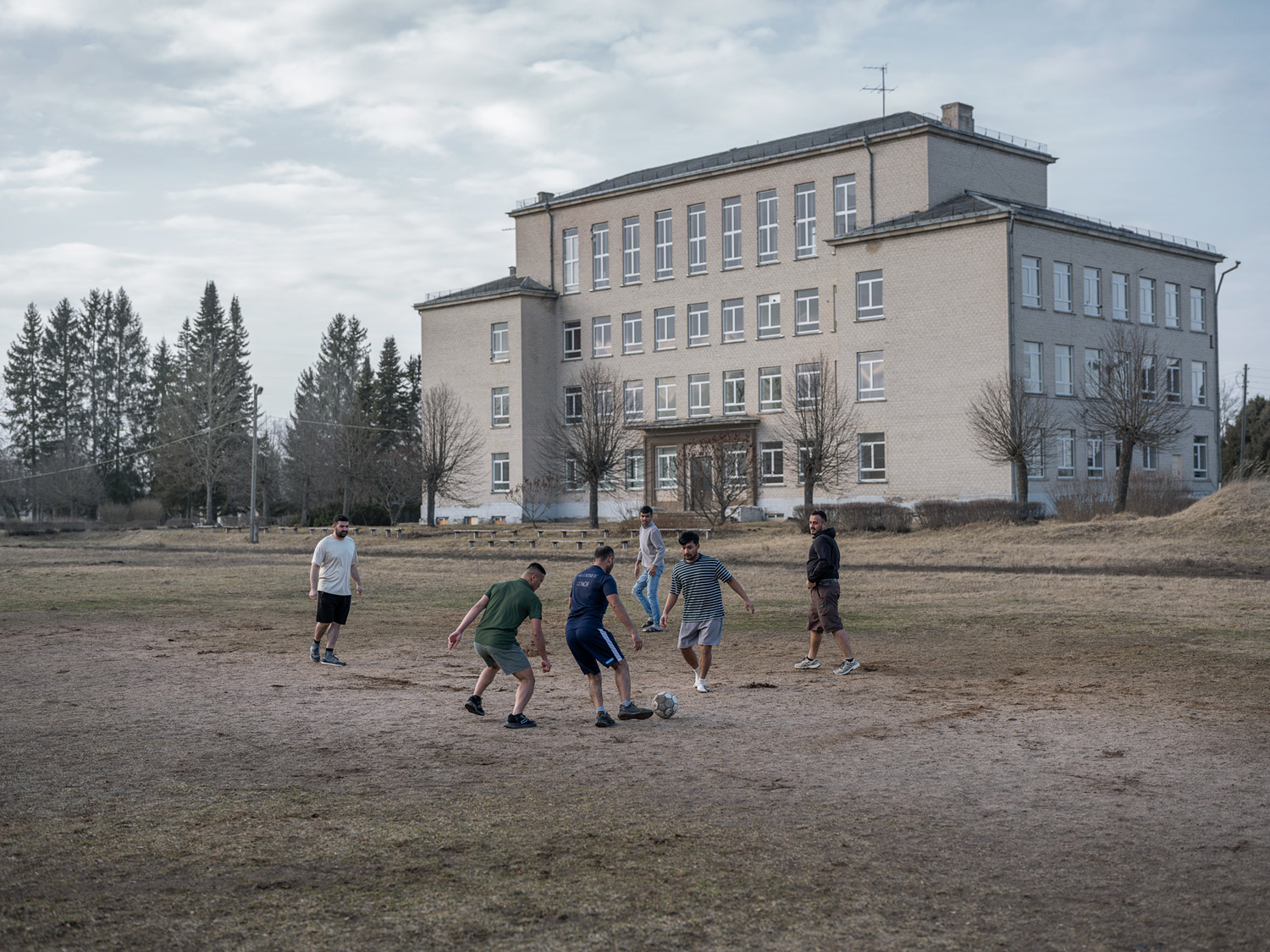
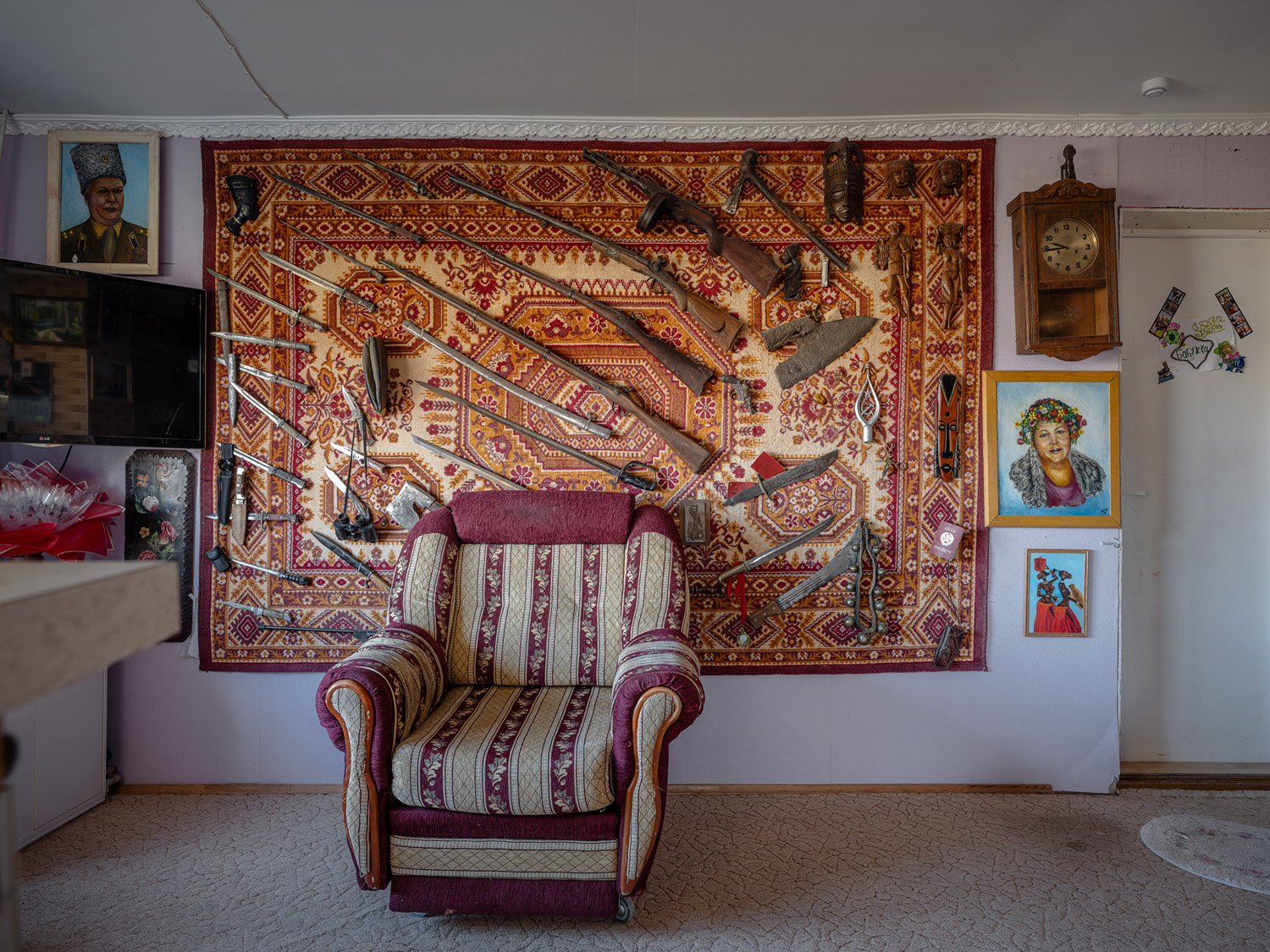
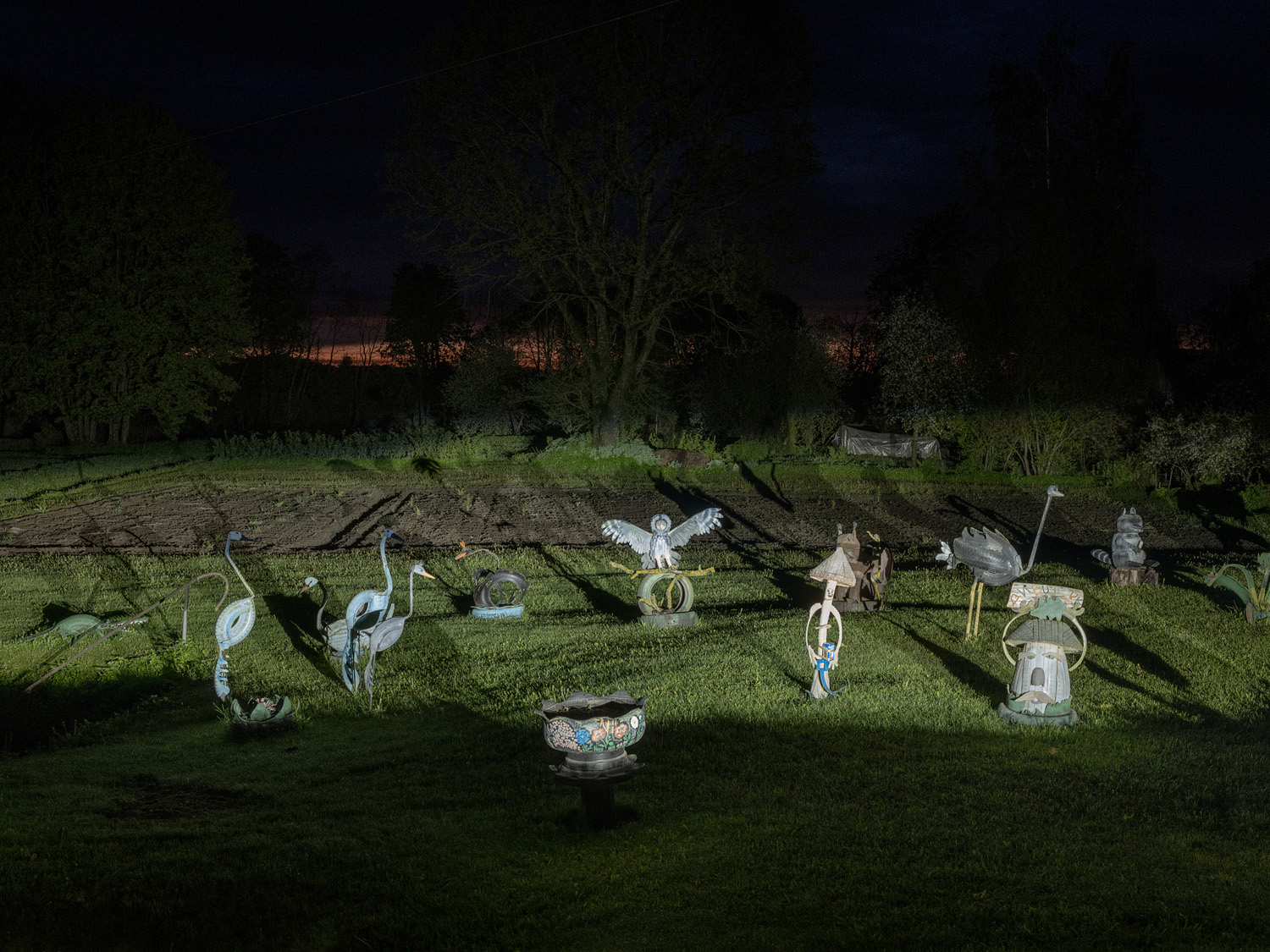
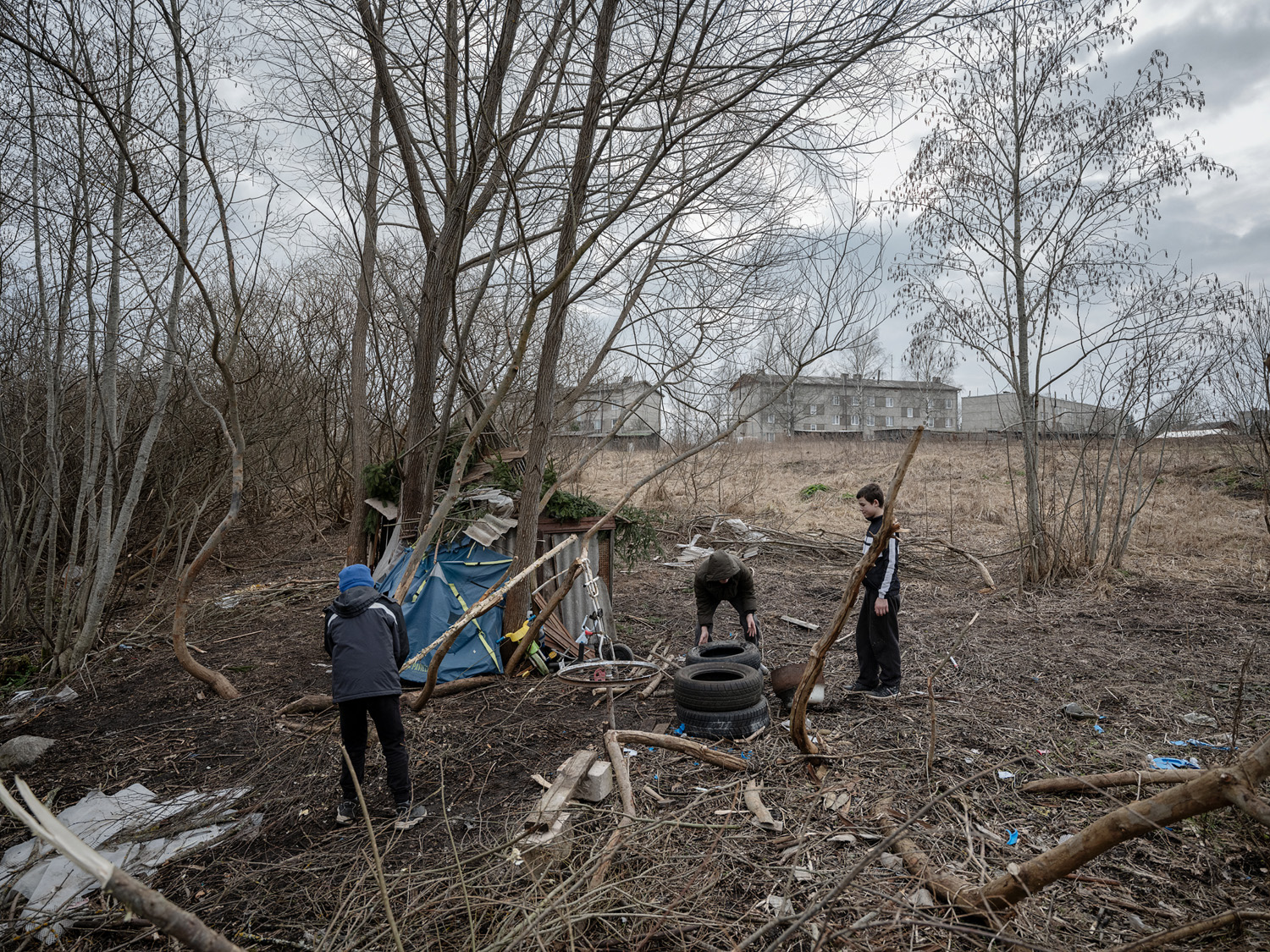
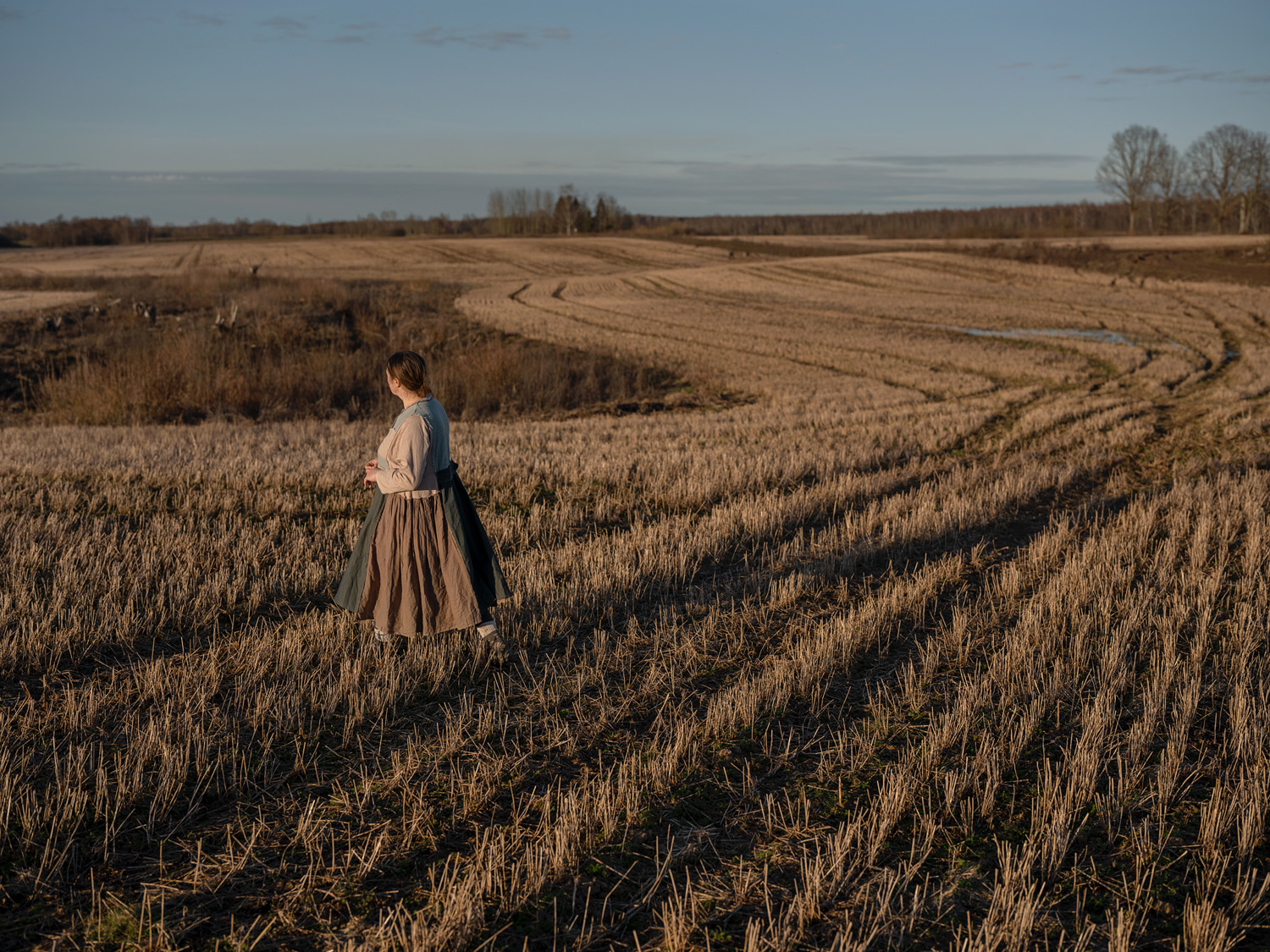
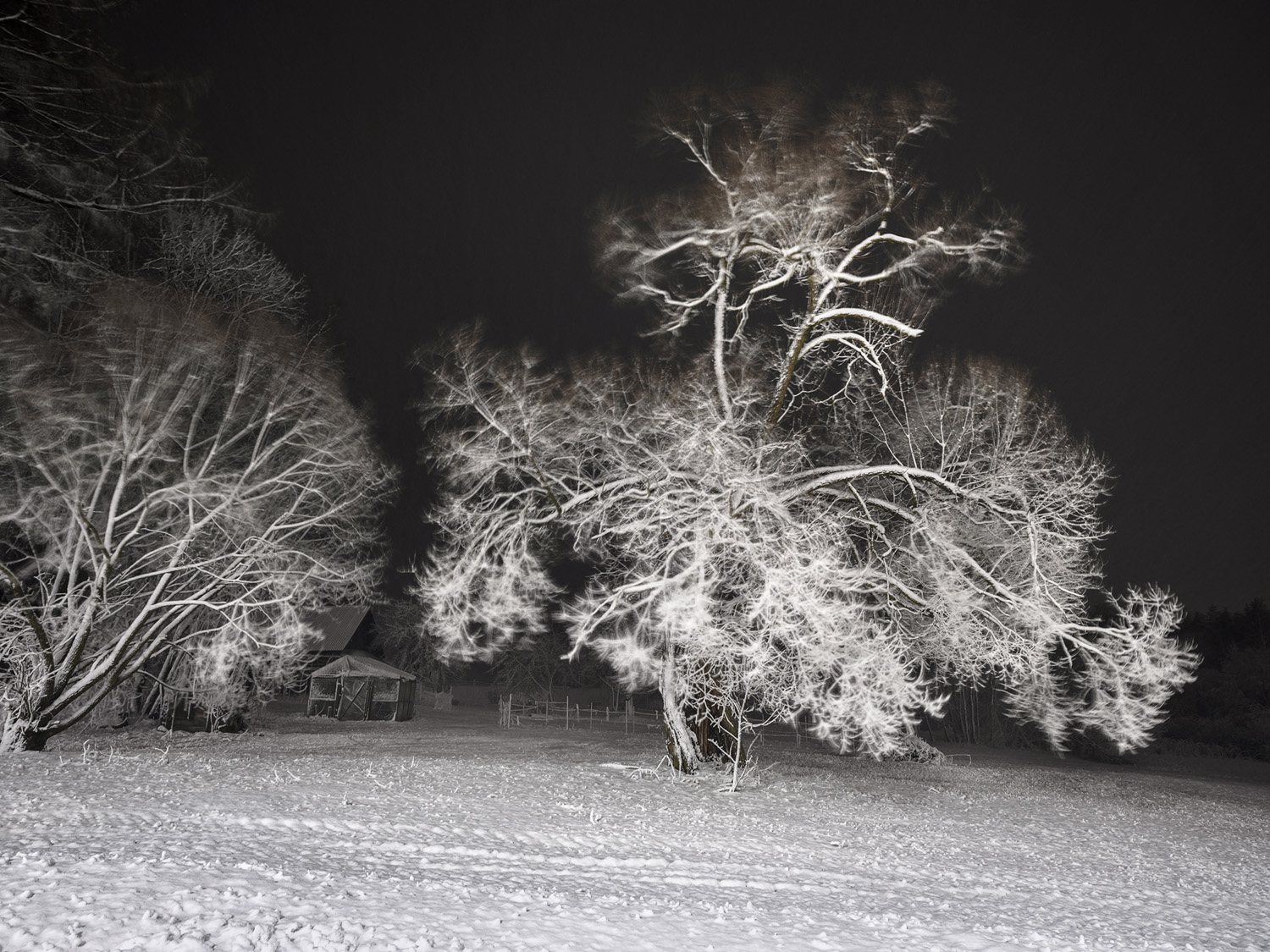
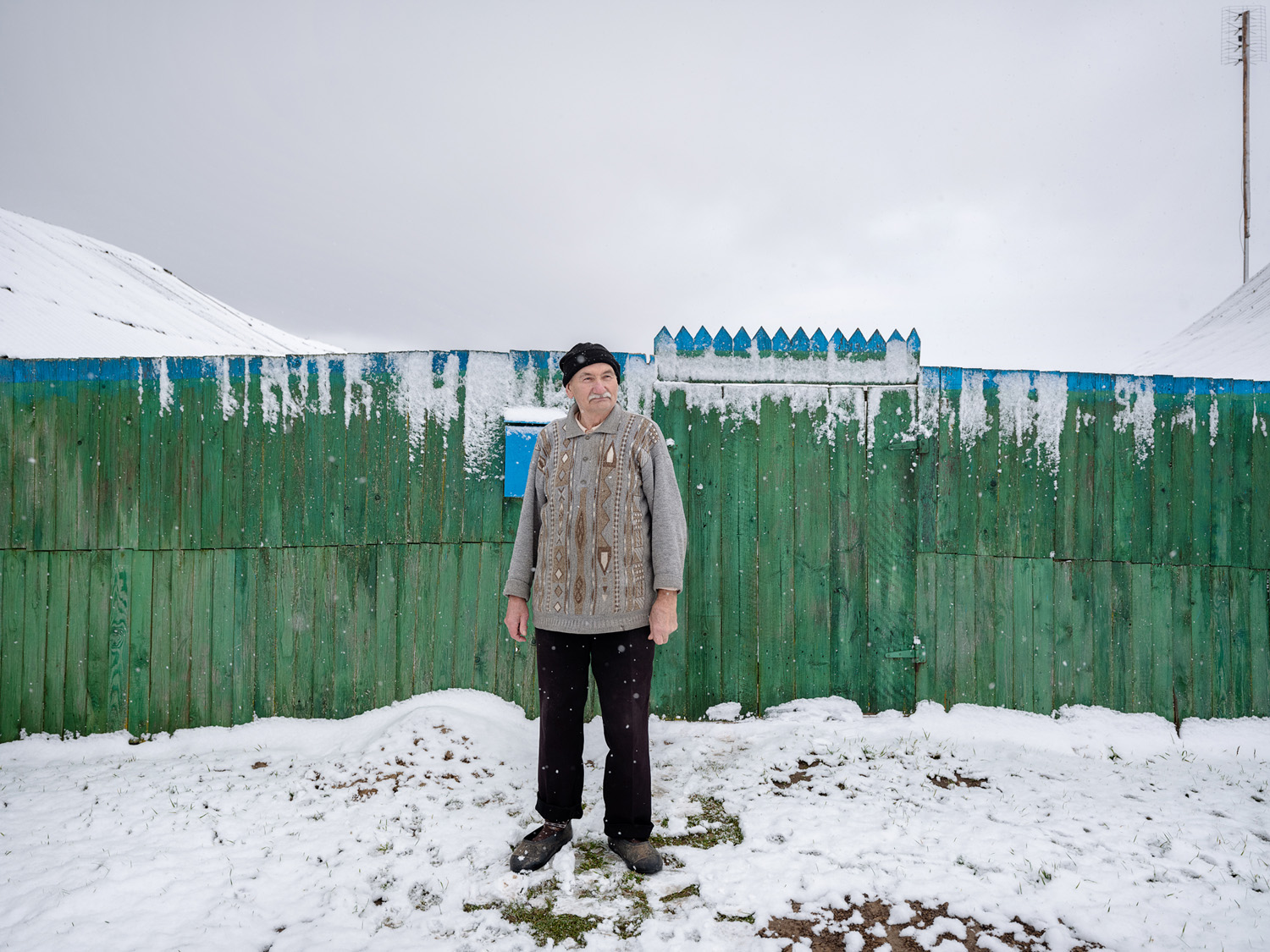
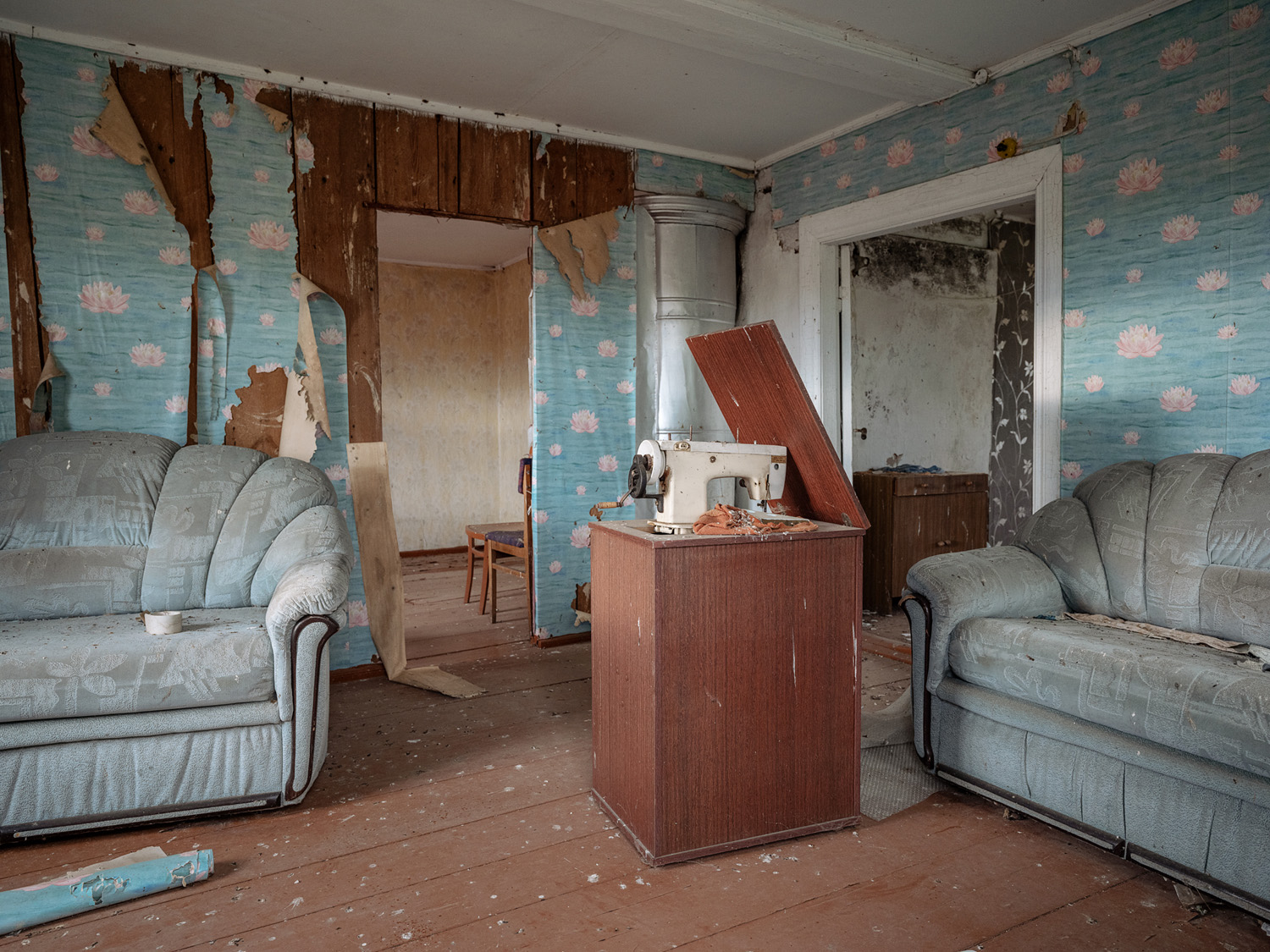
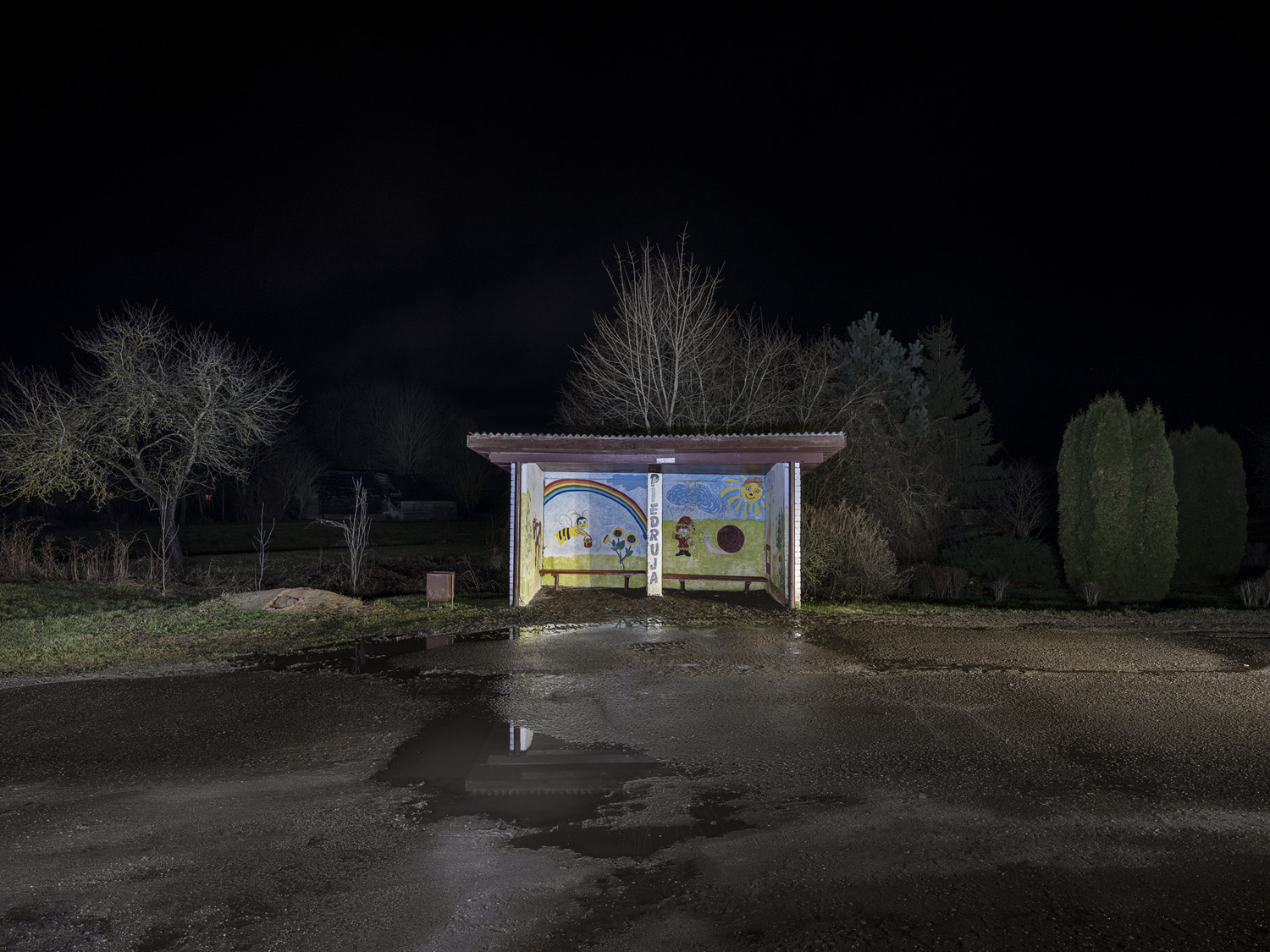
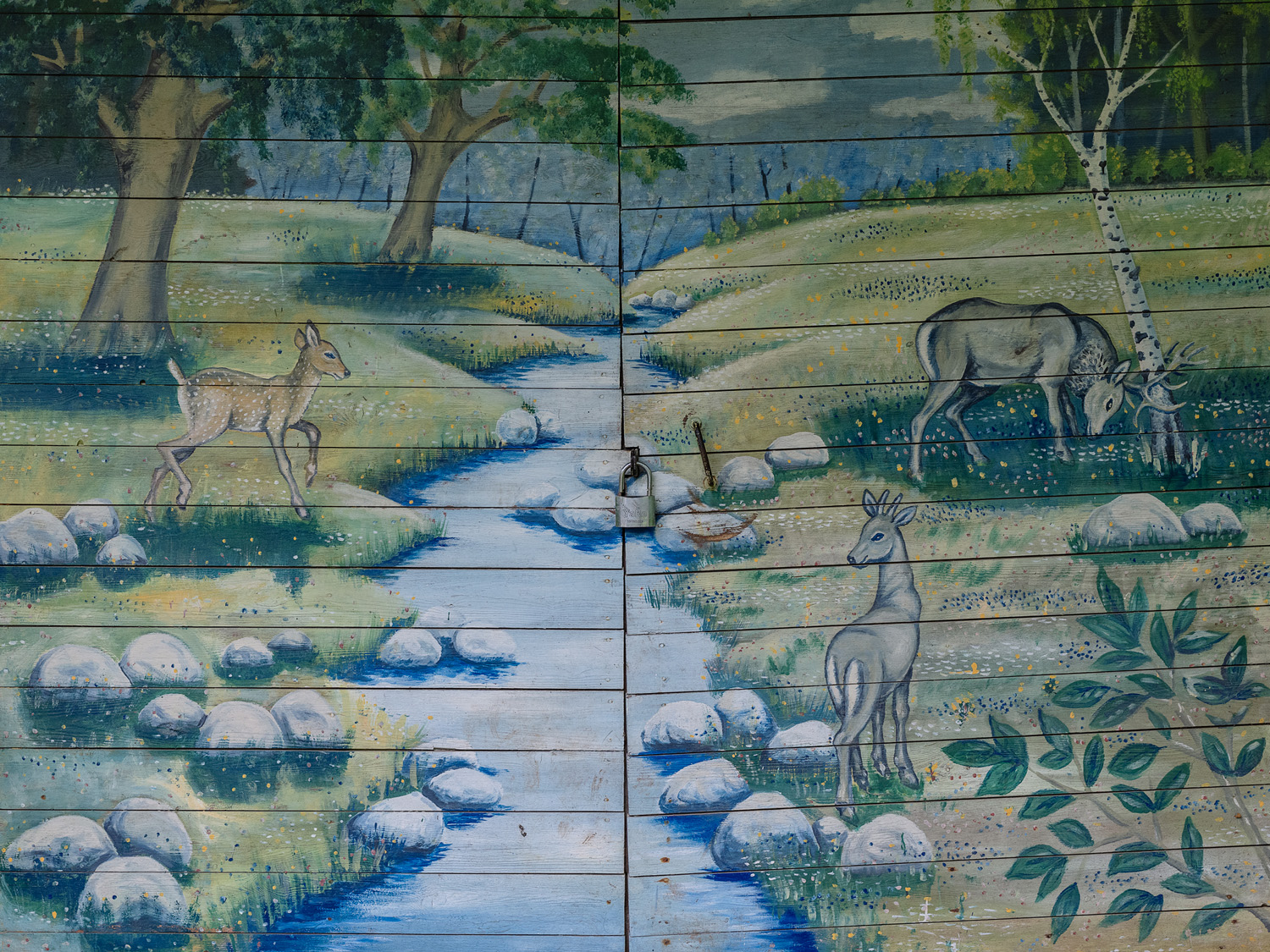
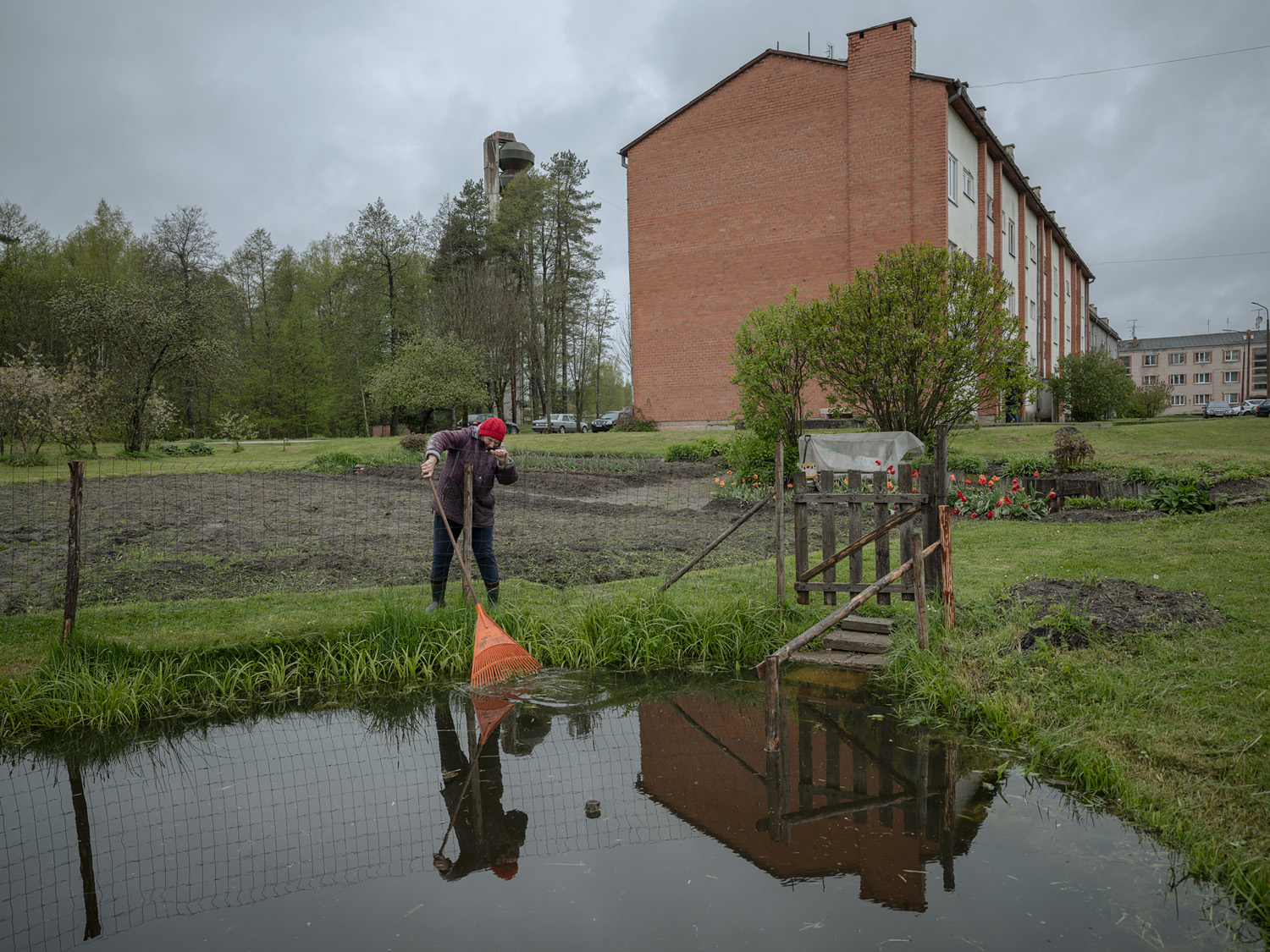
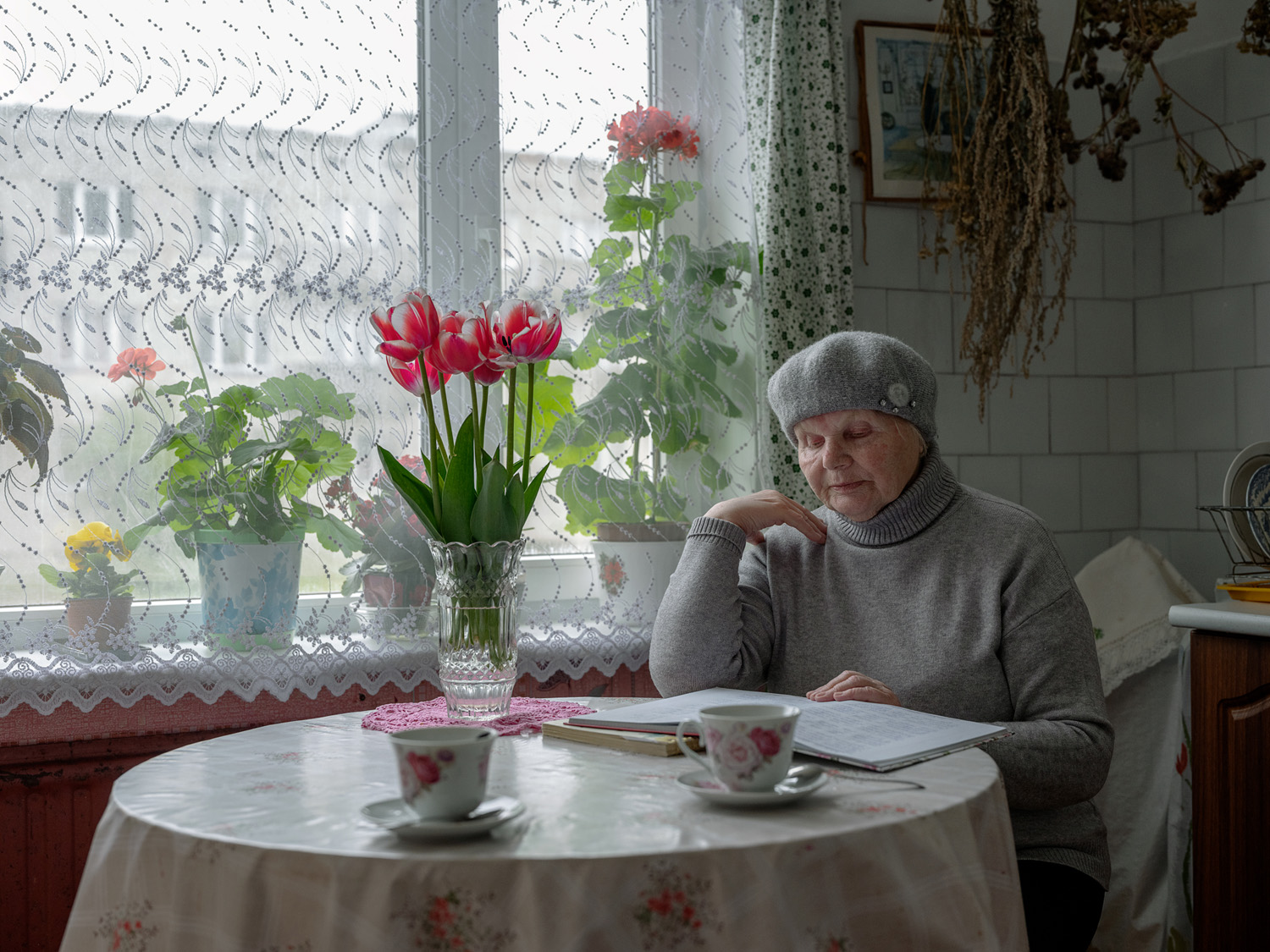
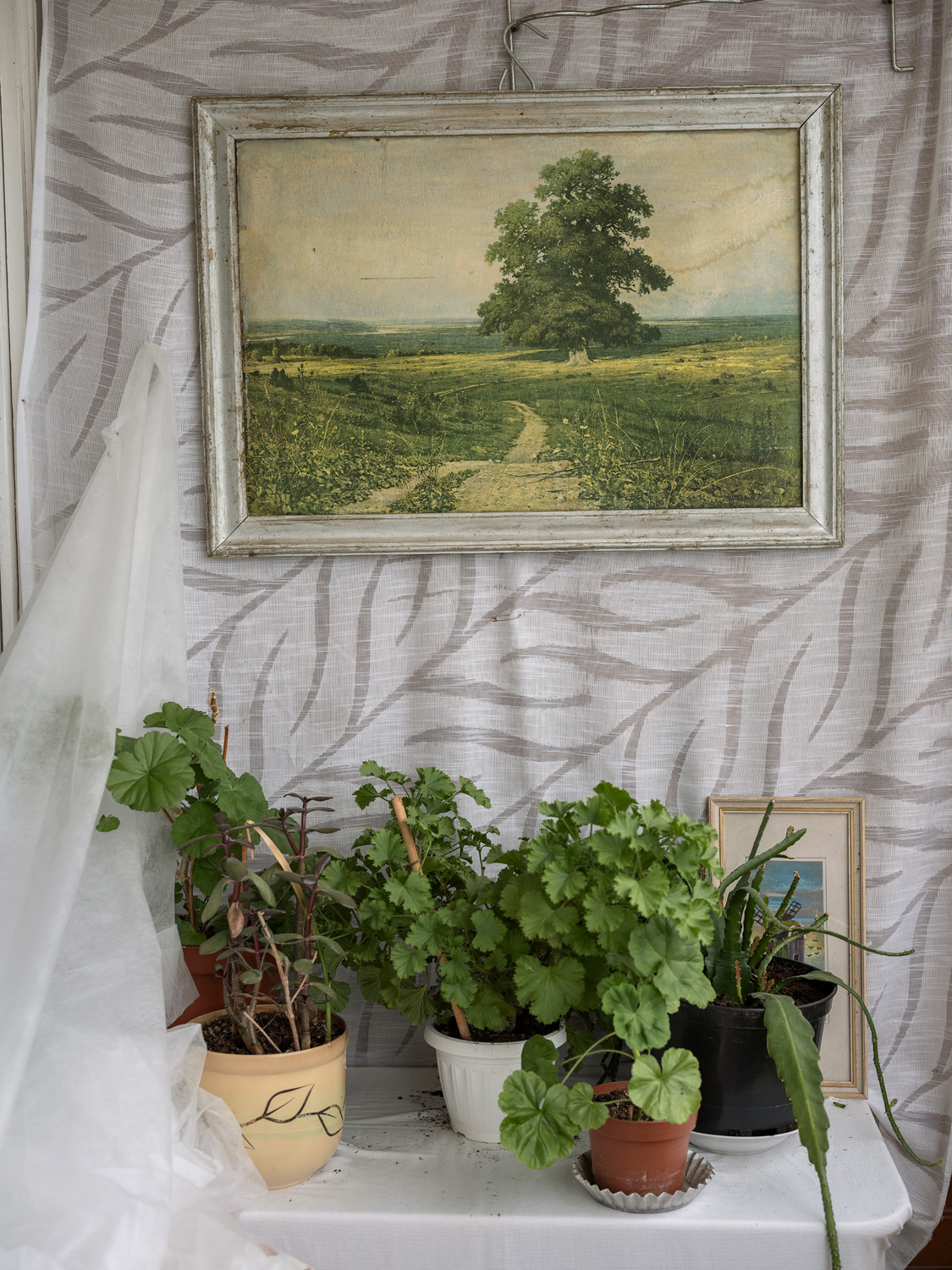
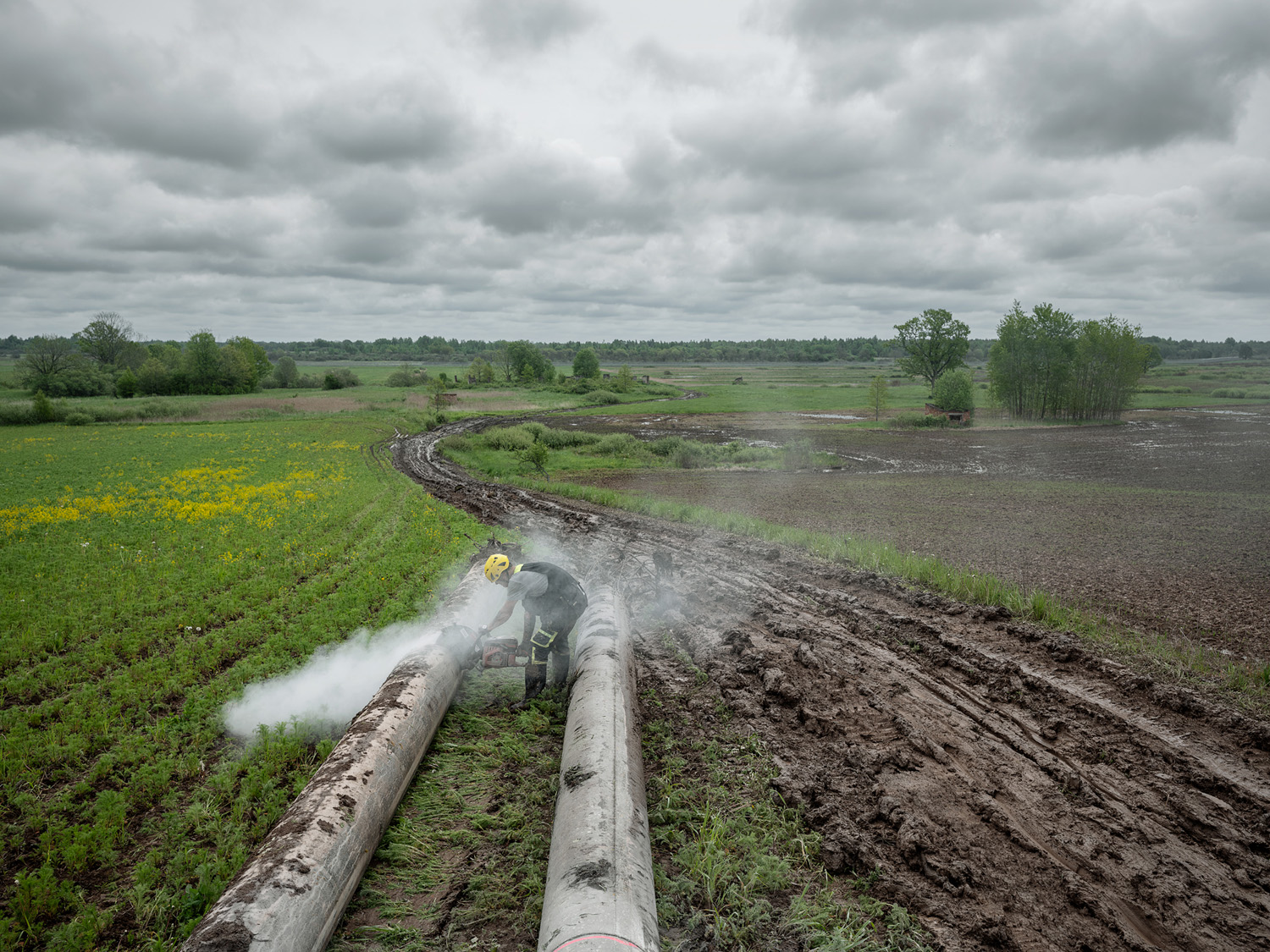
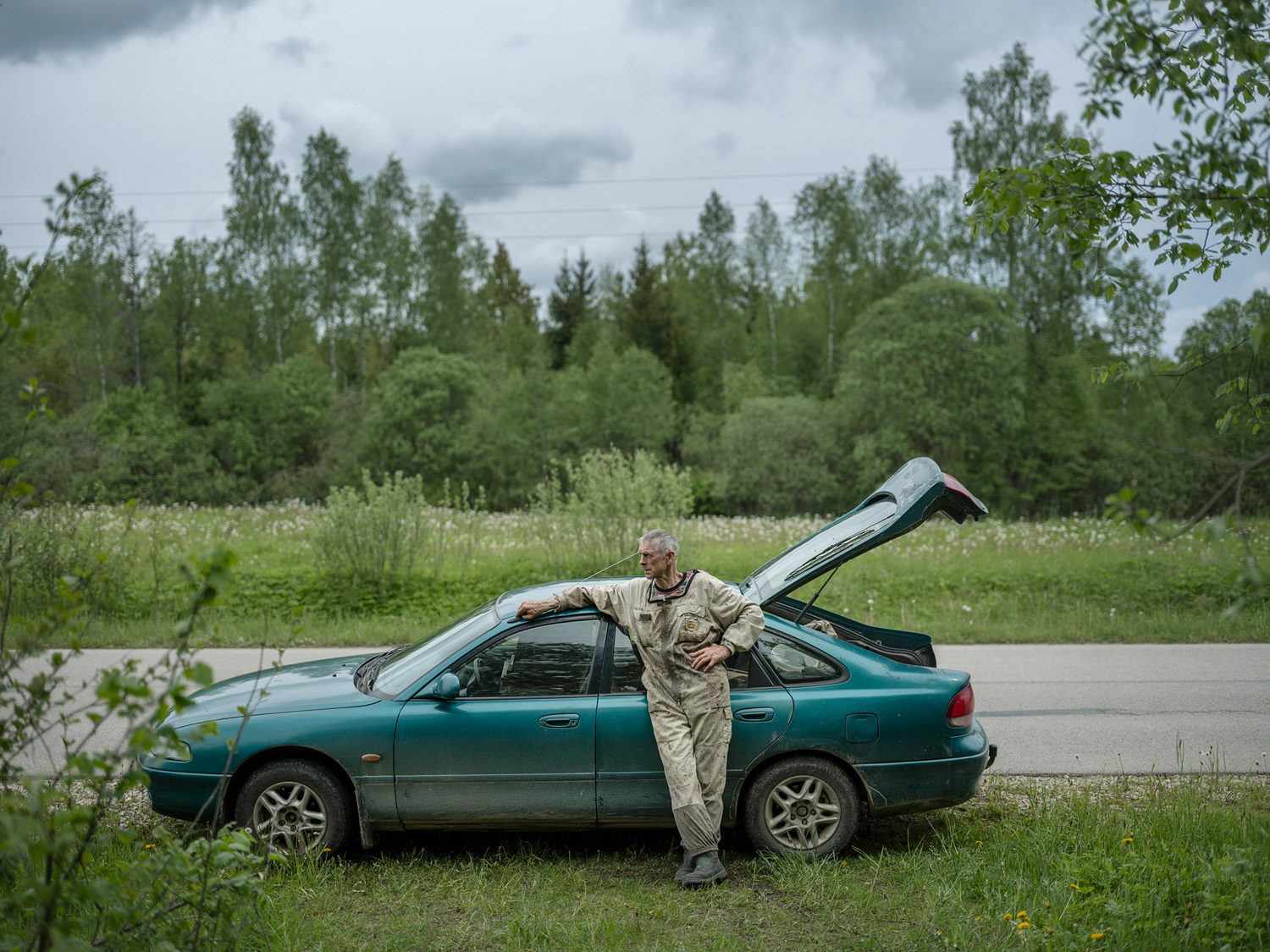
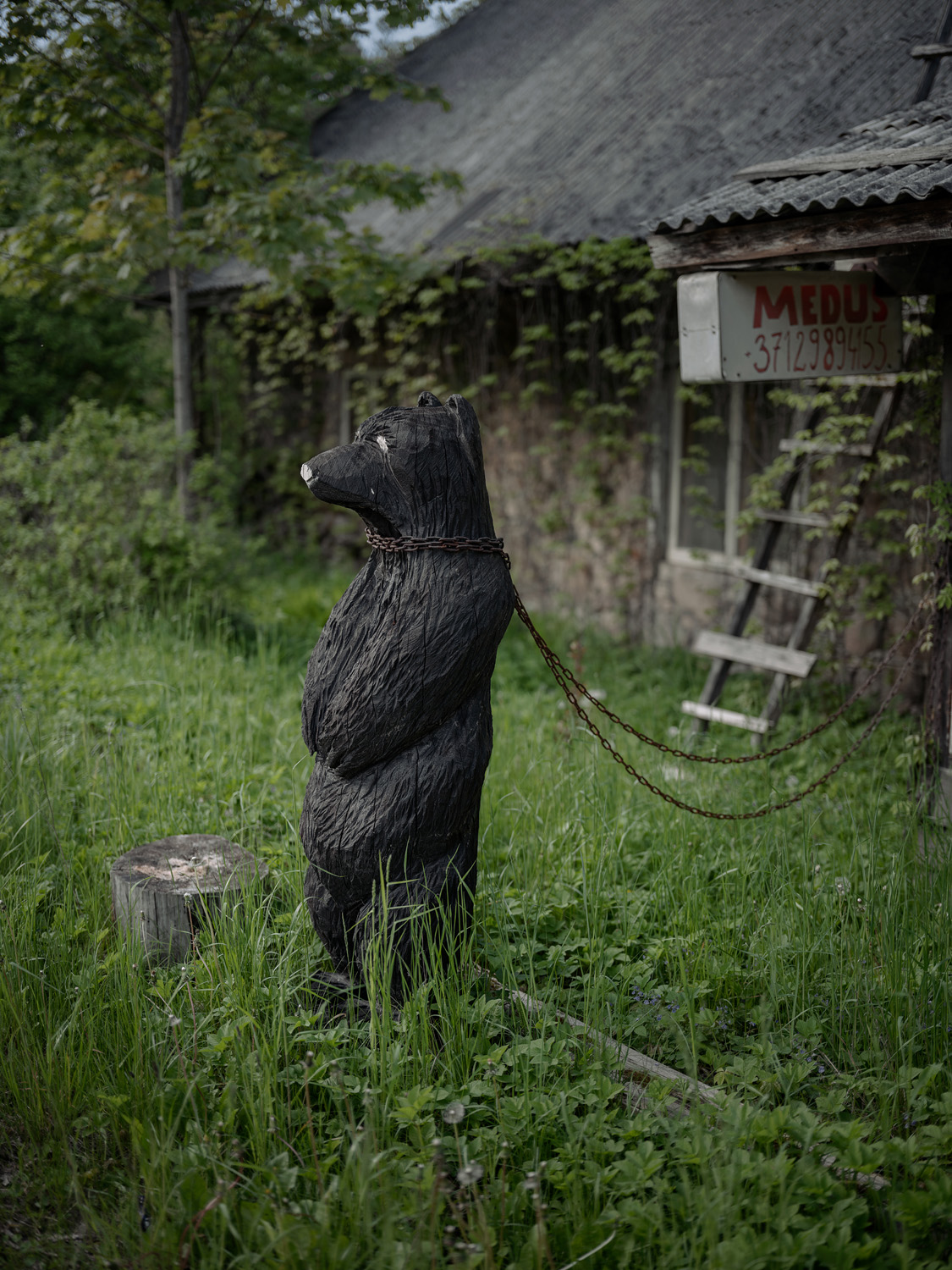
The project began with a simple question: What does it mean to live in the borderland in this geopolitical moment? Understandably, in this climate, the fence has become a necessity. Yet it also interrupts the ancient routes of migrating animals and reshapes both the ecological balance and the cultural landscape. In some villages near the border, residents have even had to demolish small outbuildings or wells that lay too close to the fence. The borderland is not a uniform territory, nor can it be described as a single whole. It is layered — on one level, a visible landscape of defence infrastructure; on another, an invisible terrain of stories and memories that slip across boundaries. An elderly woman named Ilga, for example, was born in Abrene — once part of Latvia, now within Russia. Near the fence, a man points across to a house on the far side, where his grandmother once lived. With this project, I approach the border not as a line but as a living phenomenon — one that exists simultaneously in geography, in human relationships, and in ways of thinking: a fragile weave of geopolitics, ecology, and everyday life, where memories and futures constantly cross.

Reinis Hofmanis (1985) is an artist and photographer. He studied photography at the University of Applied Sciences and Arts in Hannover, Germany, and obtained a master’s degree from the Visual Communication Department of the Art Academy of Latvia. The artist’s work is characterised by a socio-anthropological perspective, with an interest in typifying different groups of society, their behavioural patterns, and their effect on the surrounding environment. Reinis received the main prize at Archifoto in 2012 and 2013, second place in the Architecture category of the Sony World Photography Awards, and the Fujifilm GFX Challenge Global Grant Award in 2024. His work has been featured in publications such as The New York Times, Financial Times, Der Spiegel, Die Zeit, Esquire, Bloomberg, Le Monde, The Globe and Mail, and British Journal of Photography.