Gagauzlar: Tülü Küü
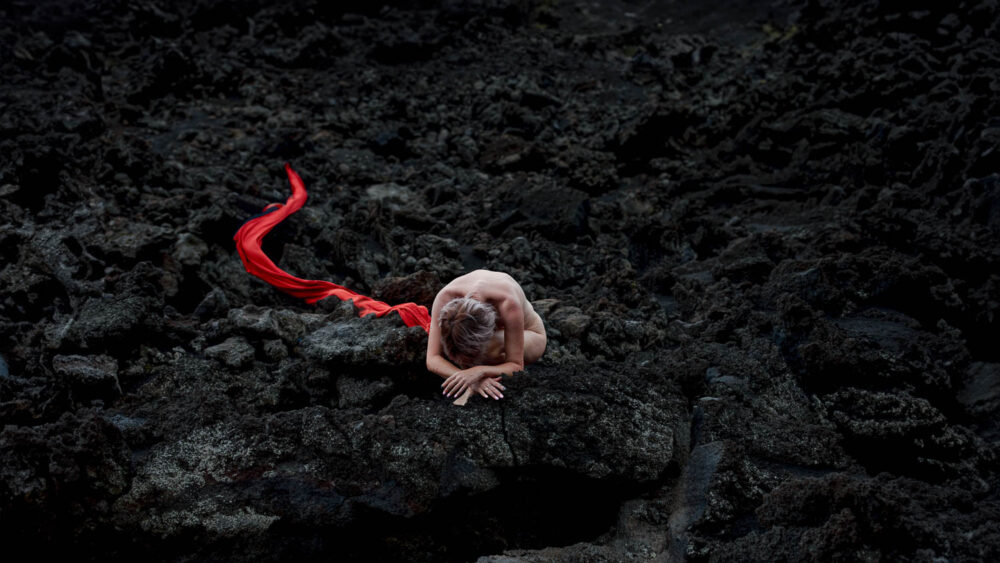
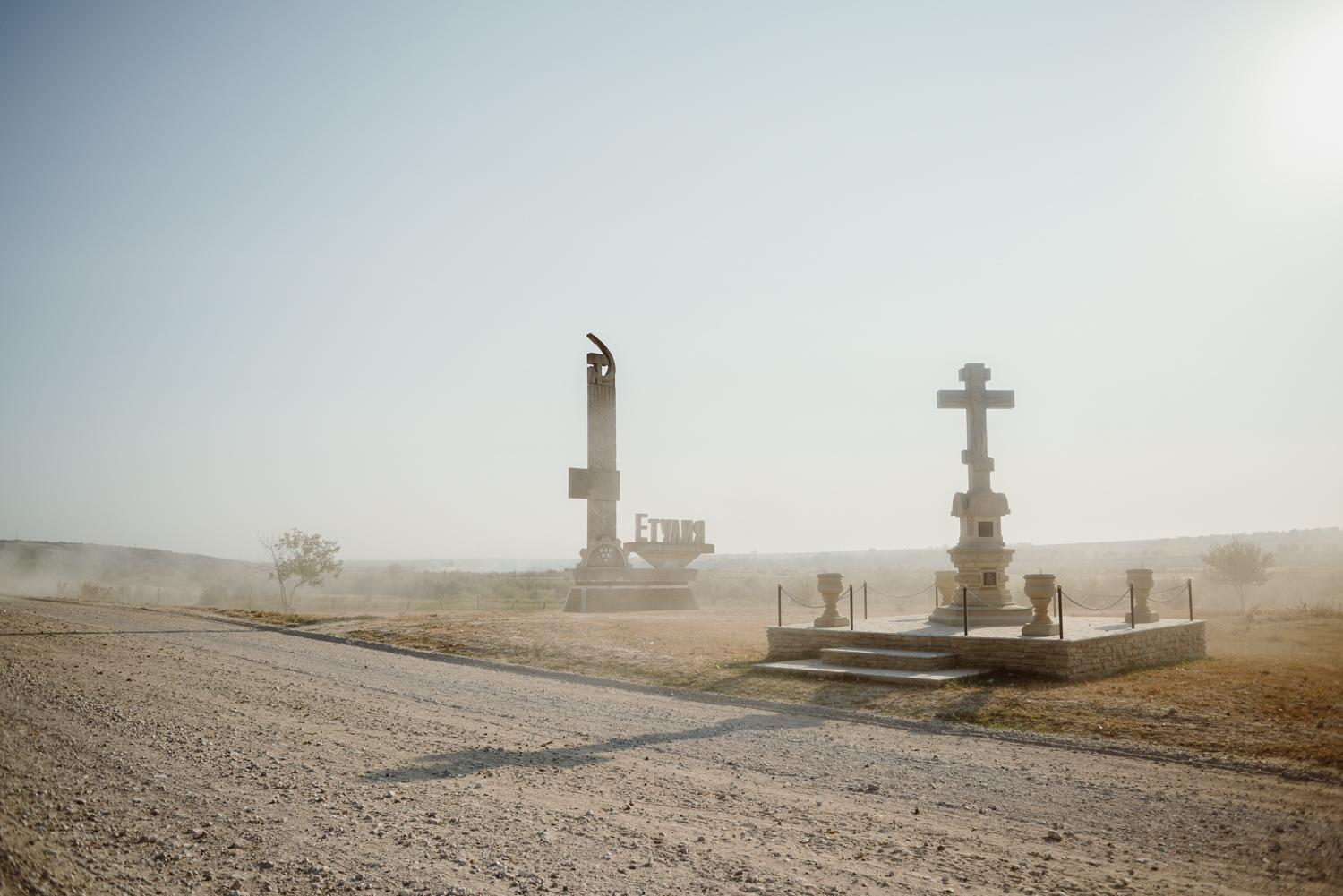
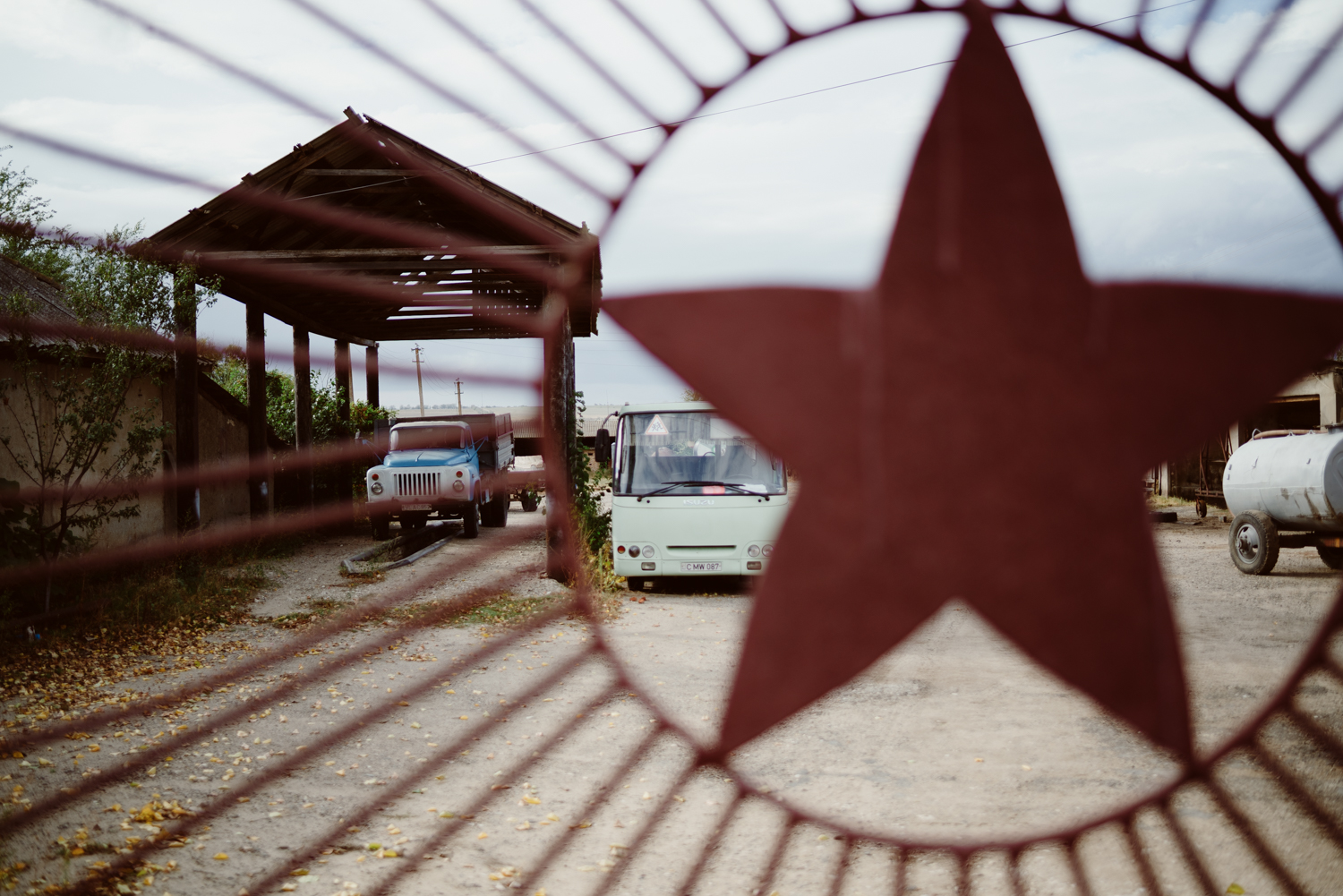
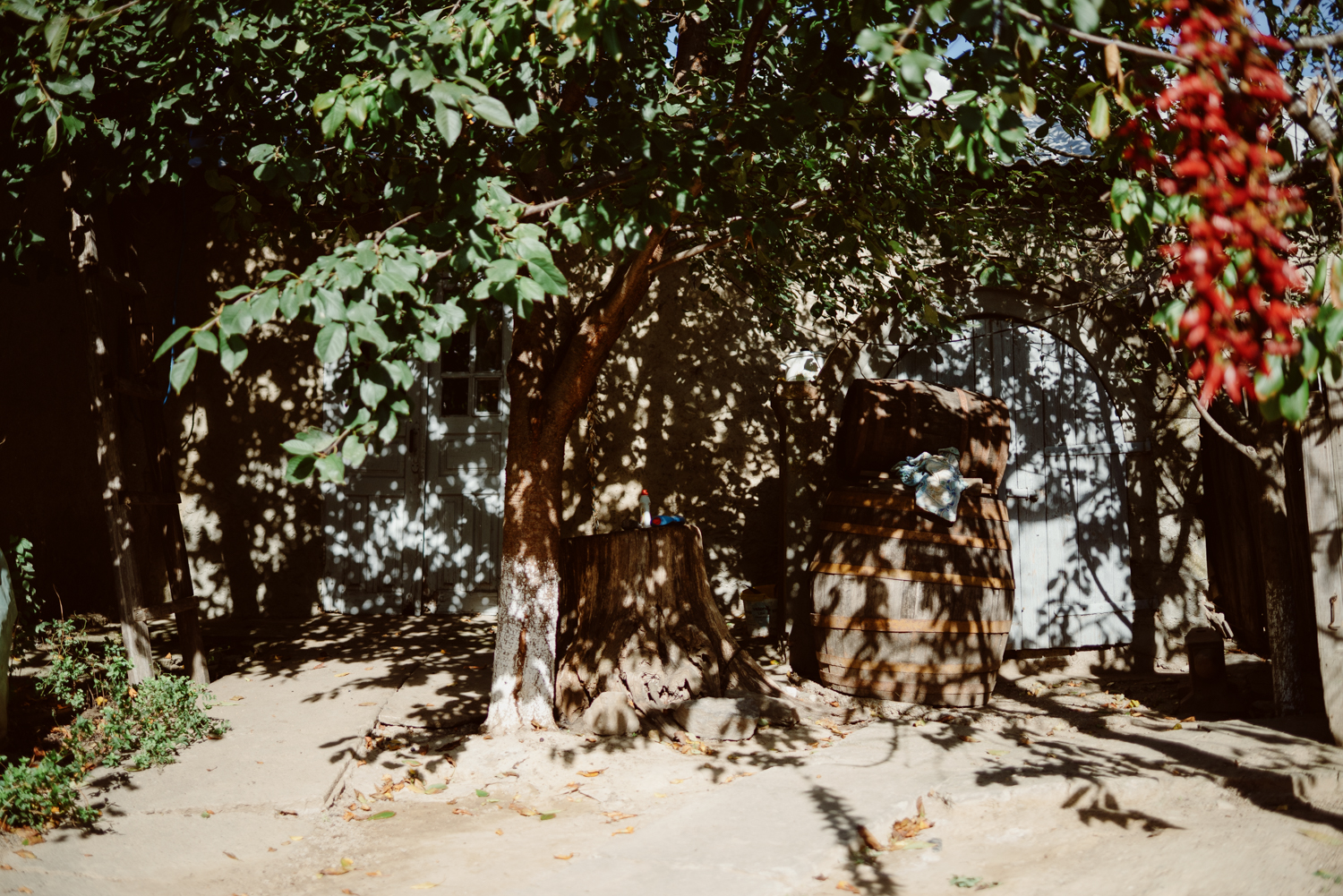
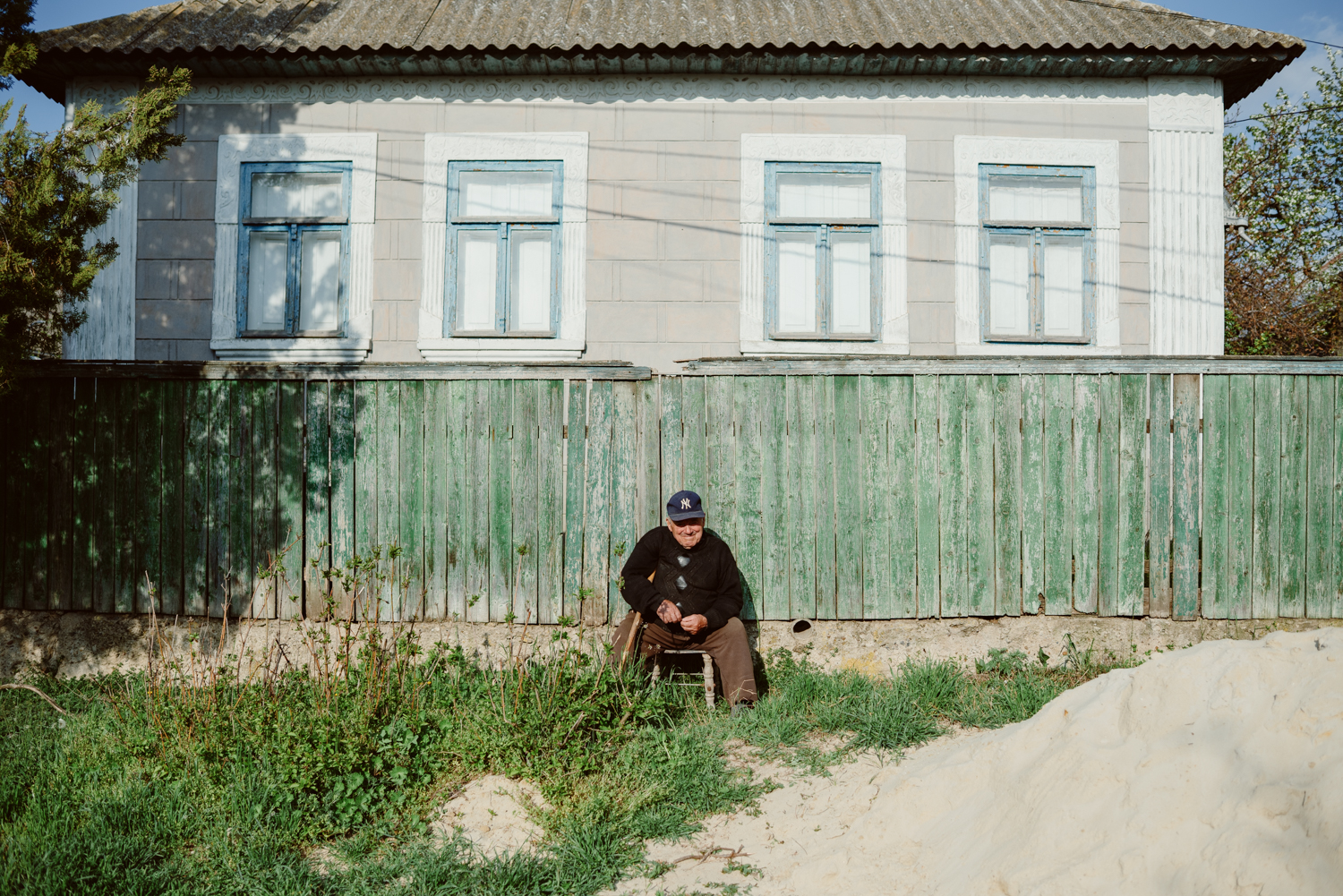
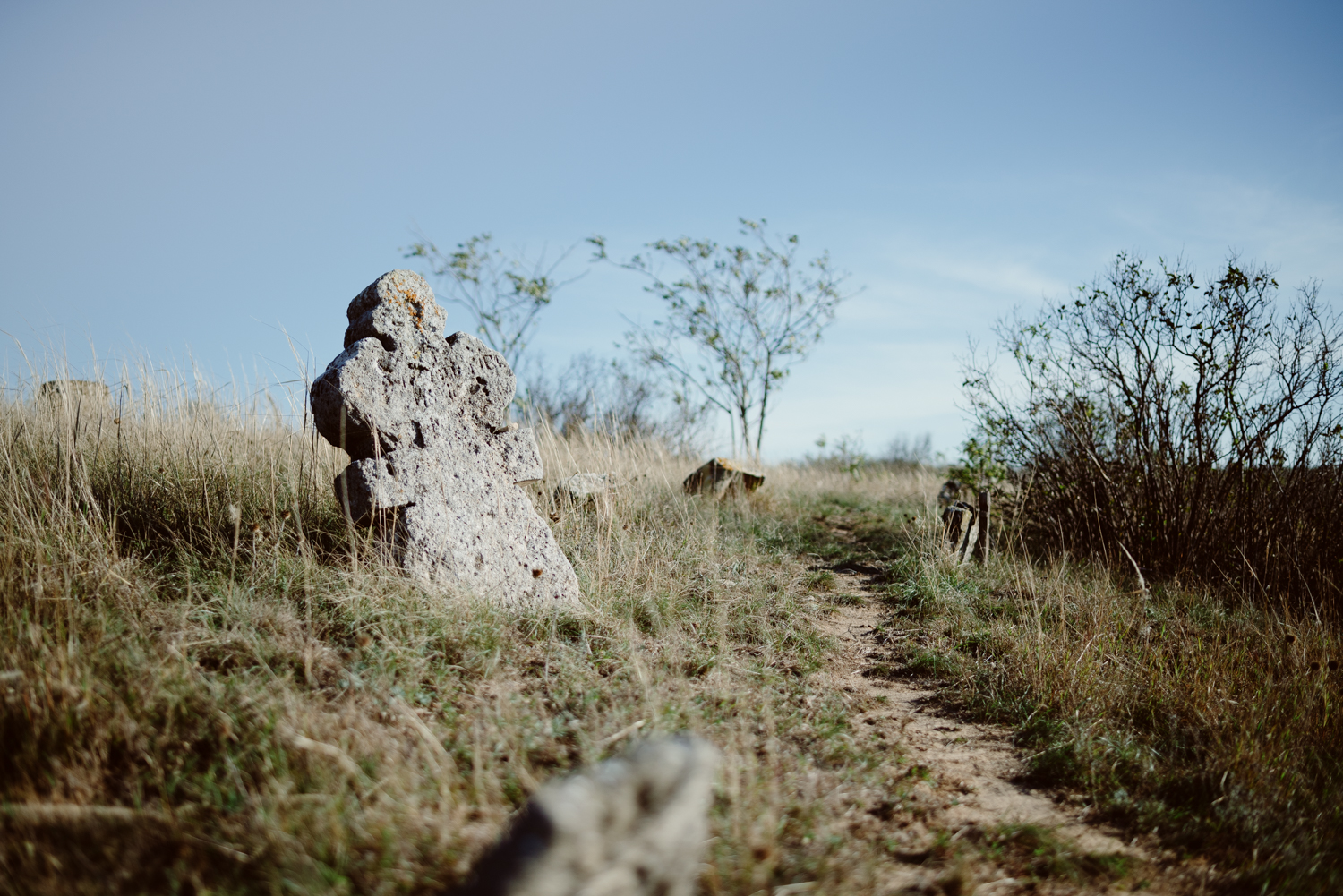
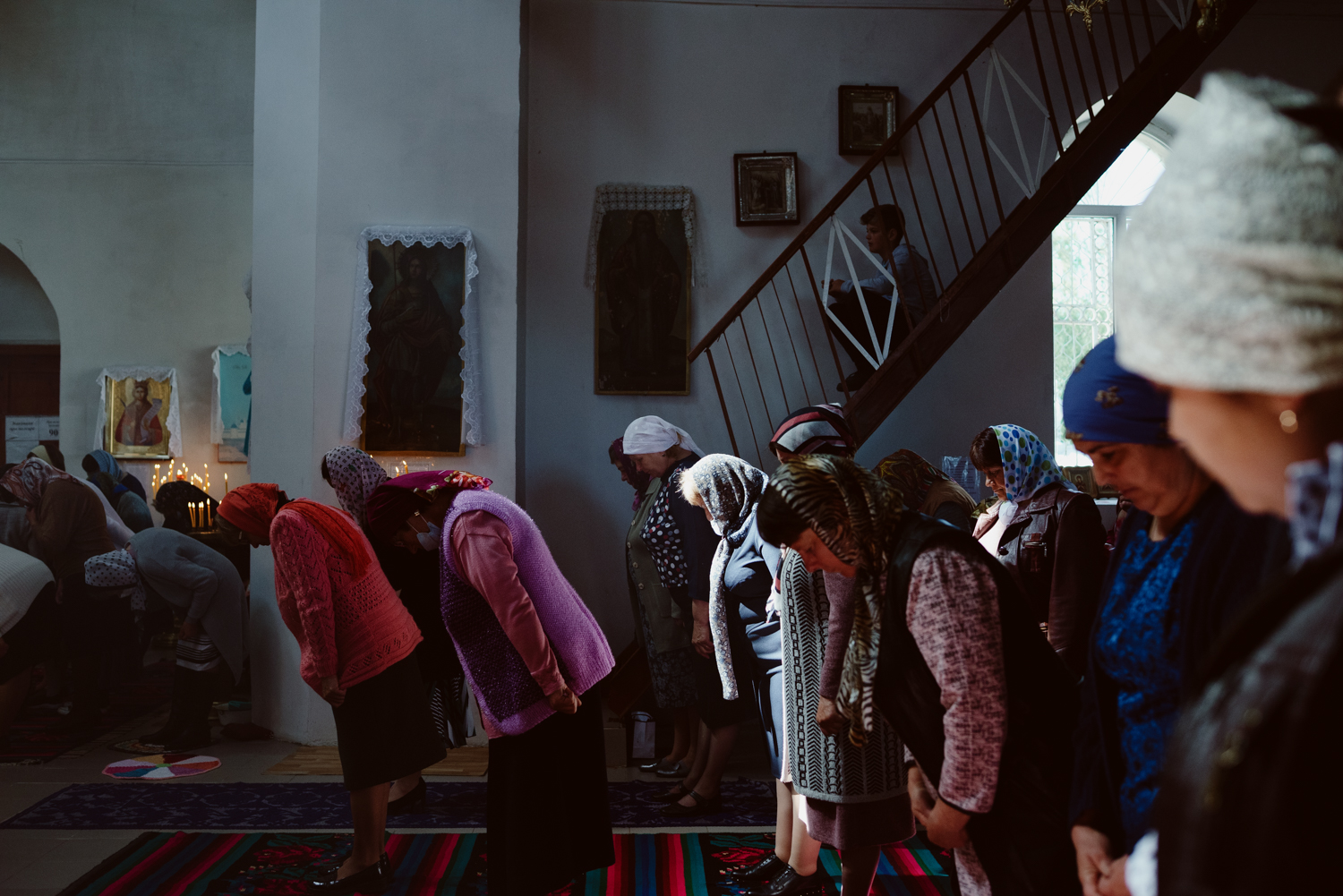
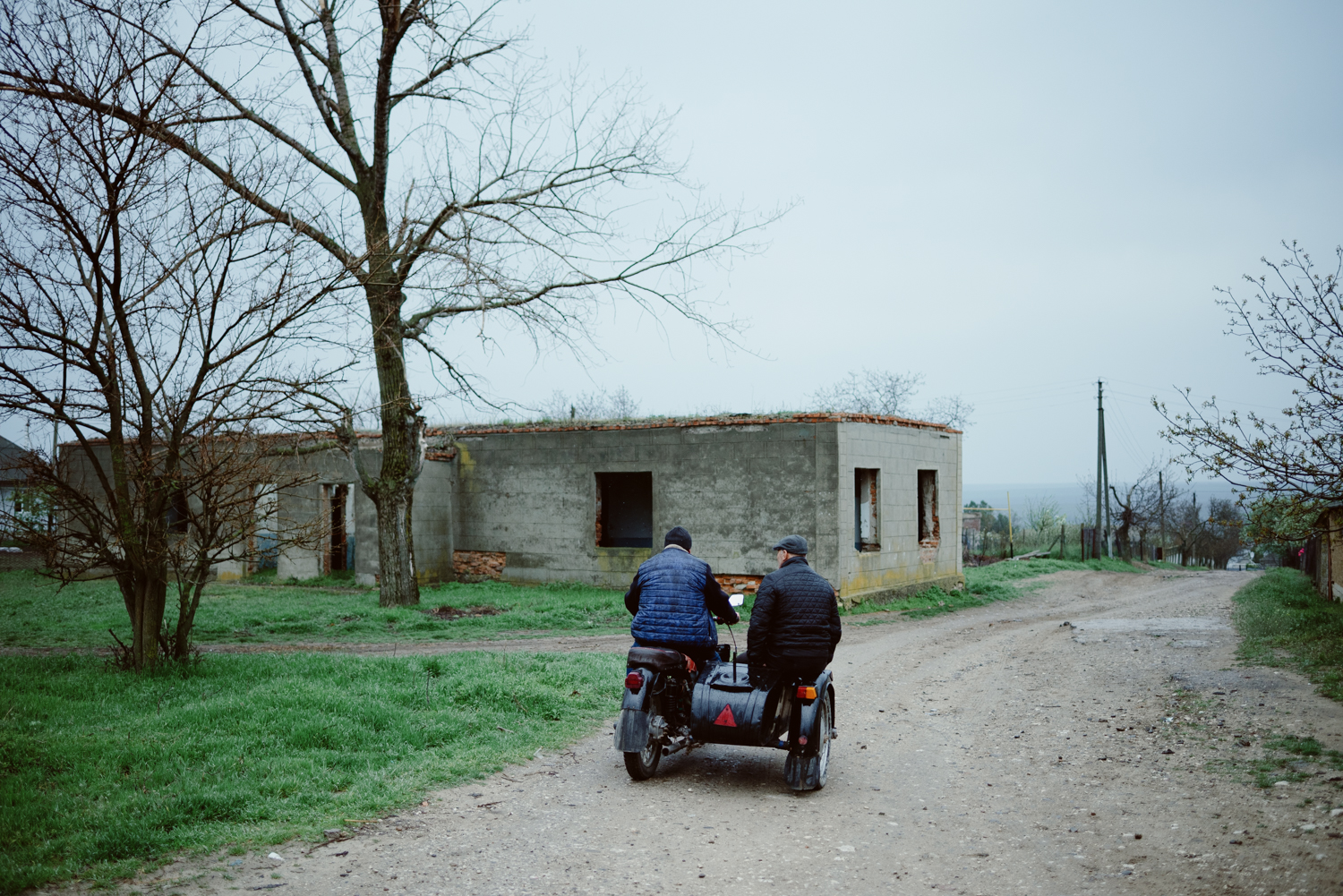
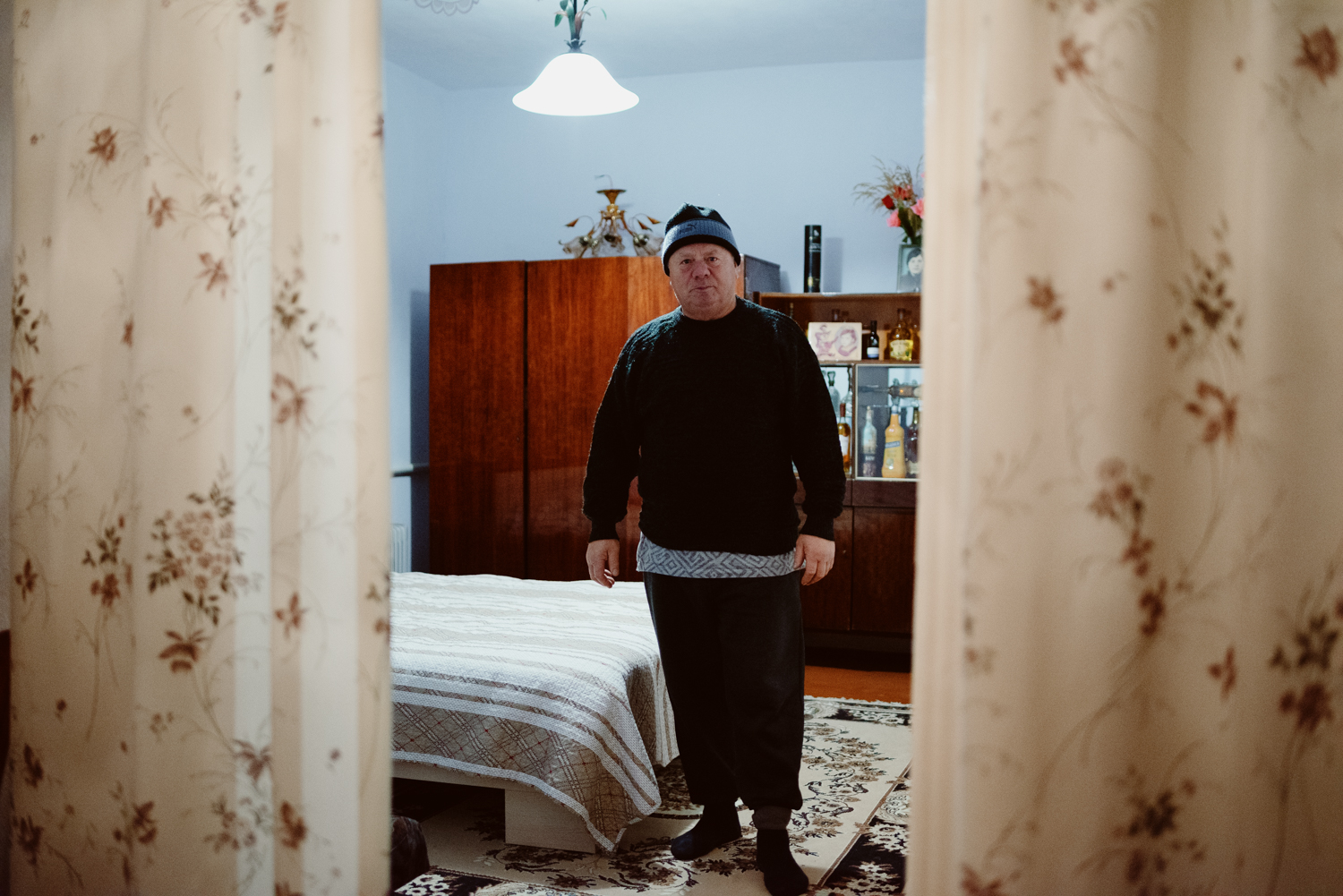
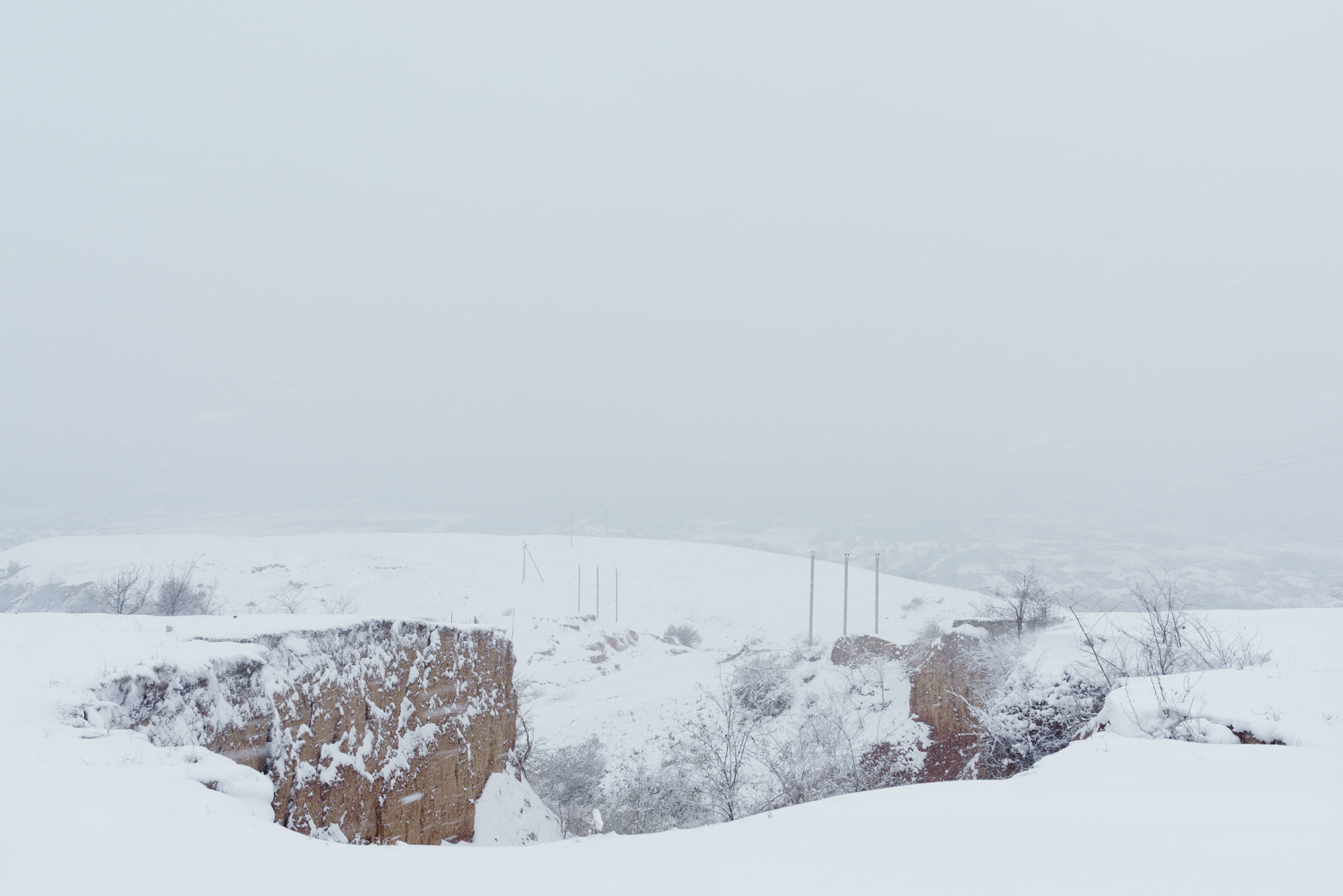
The series is a visual study of Etulia, the southernmost village in Gagauzia, Moldova. Positioned as a geographic “cul-de-sac” and surrounded on three sides by the Ukrainian border, Etulia has maintained a unique cultural and mental microclimate, far from the administrative and political centers of the region.
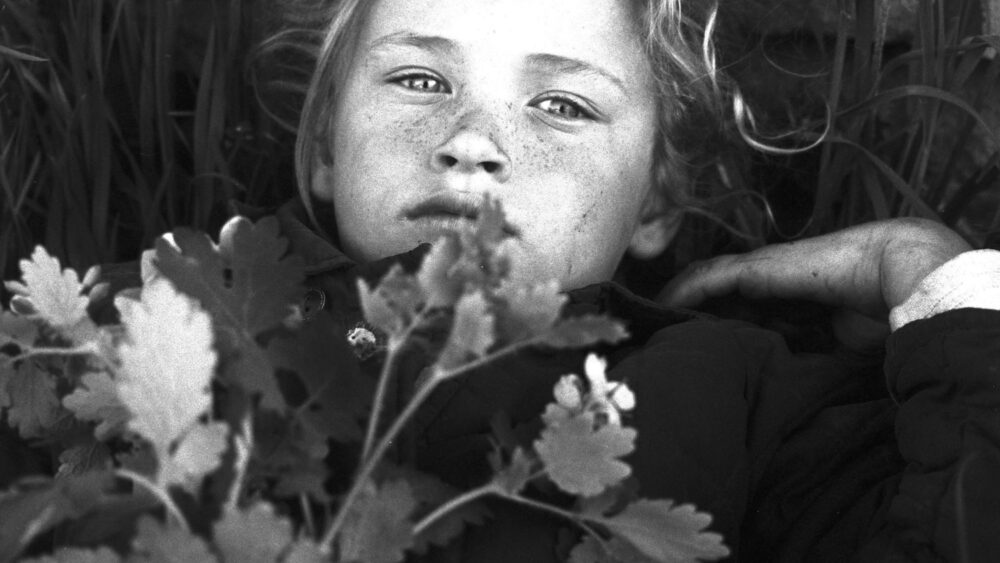
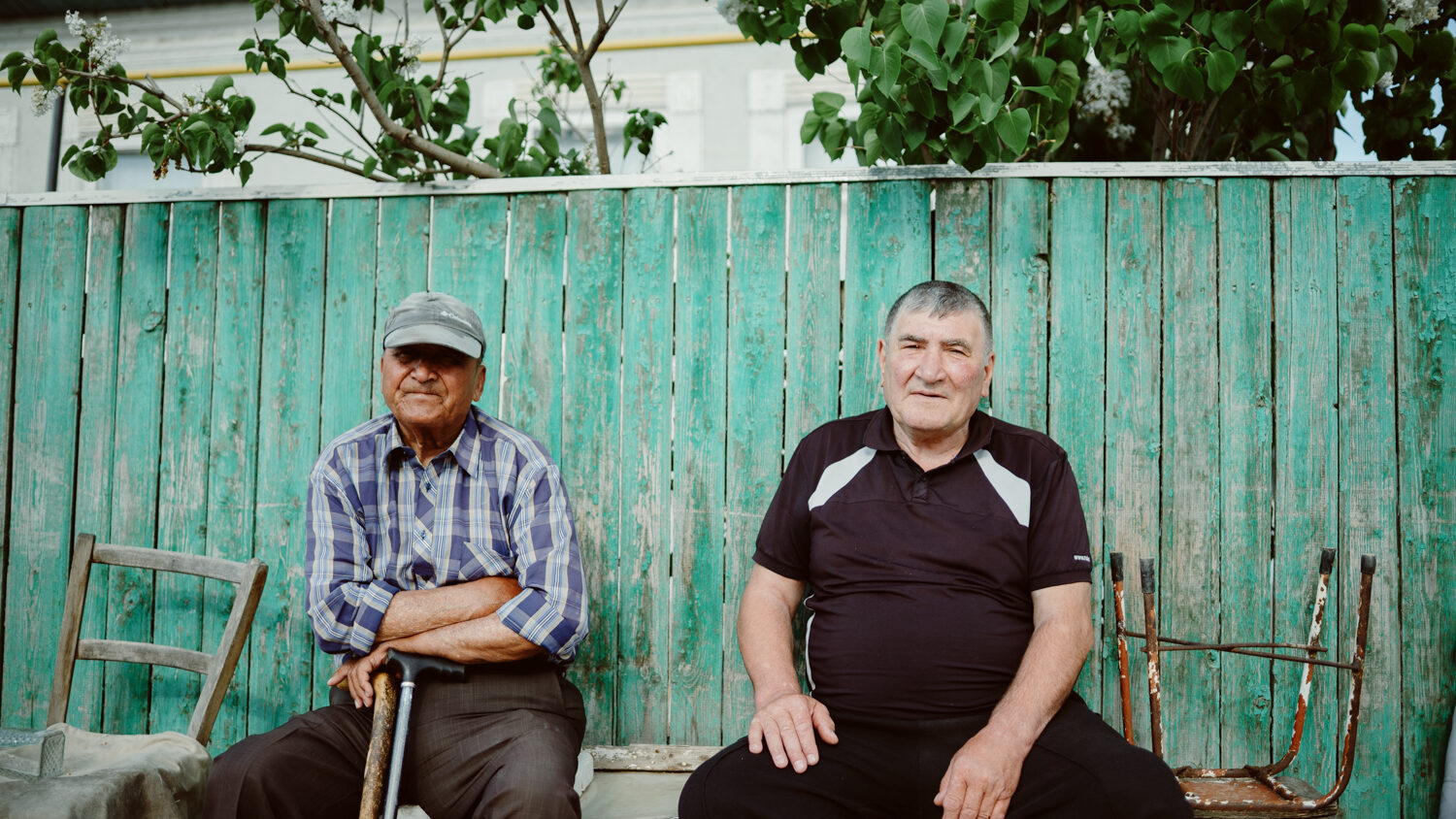
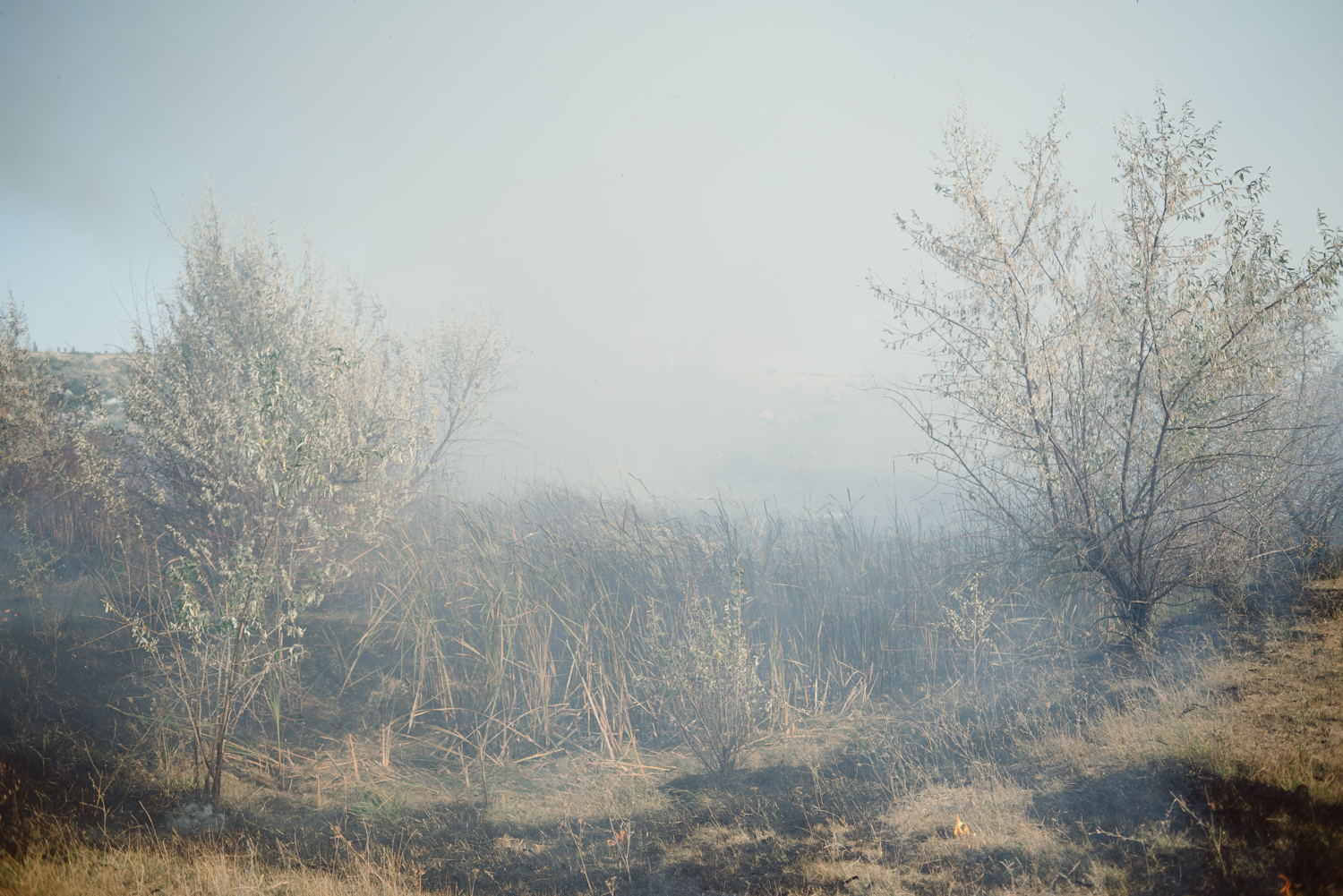
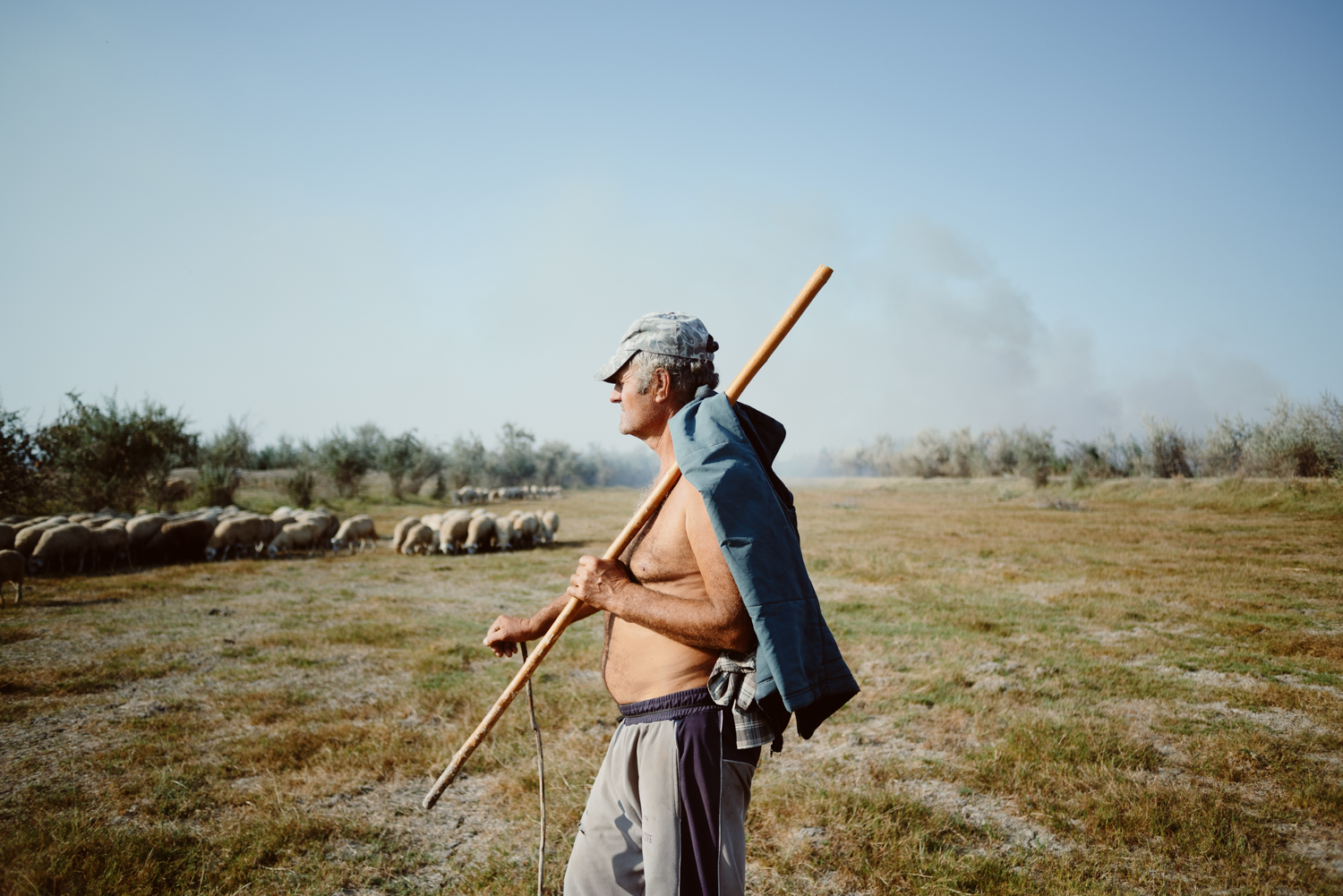
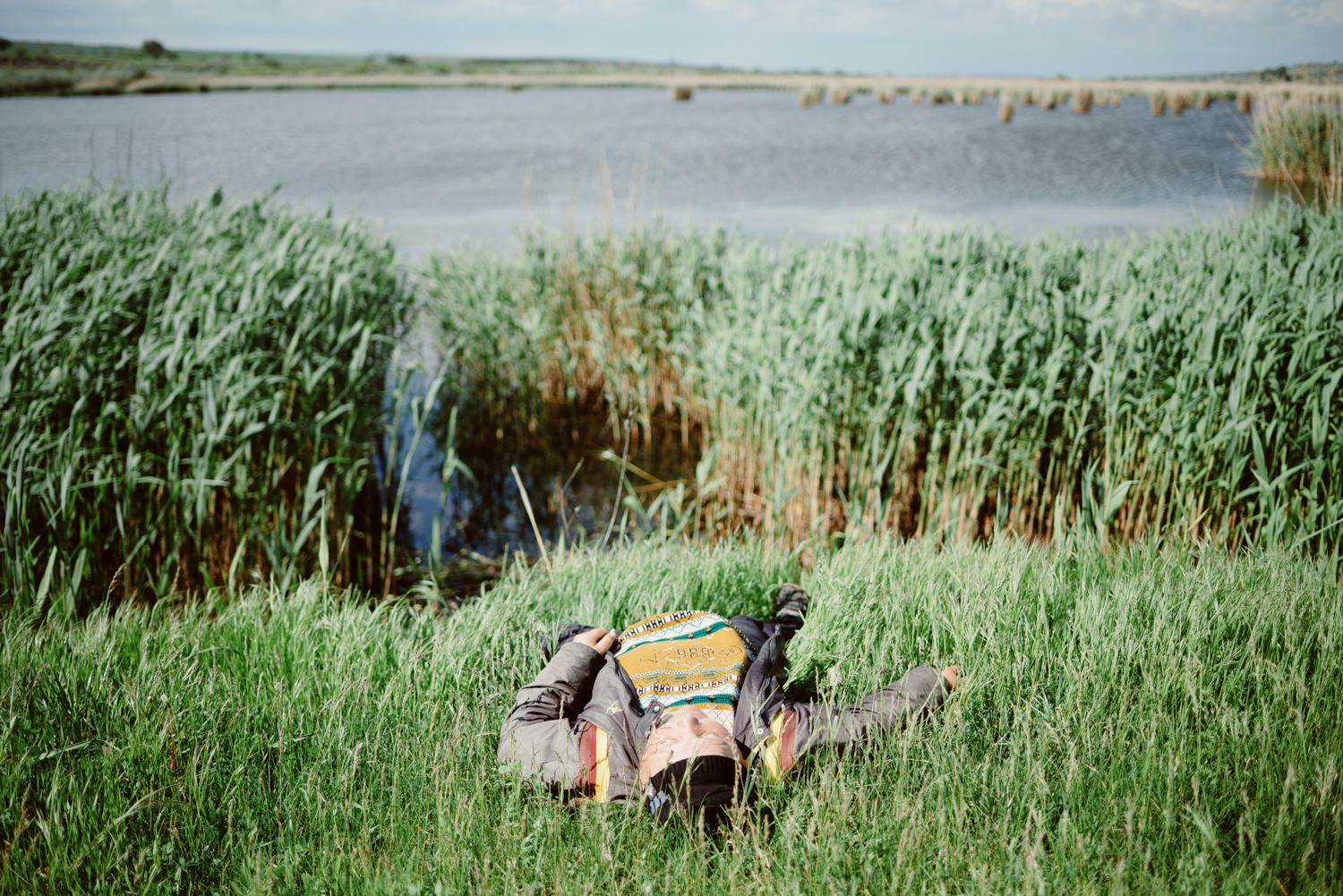
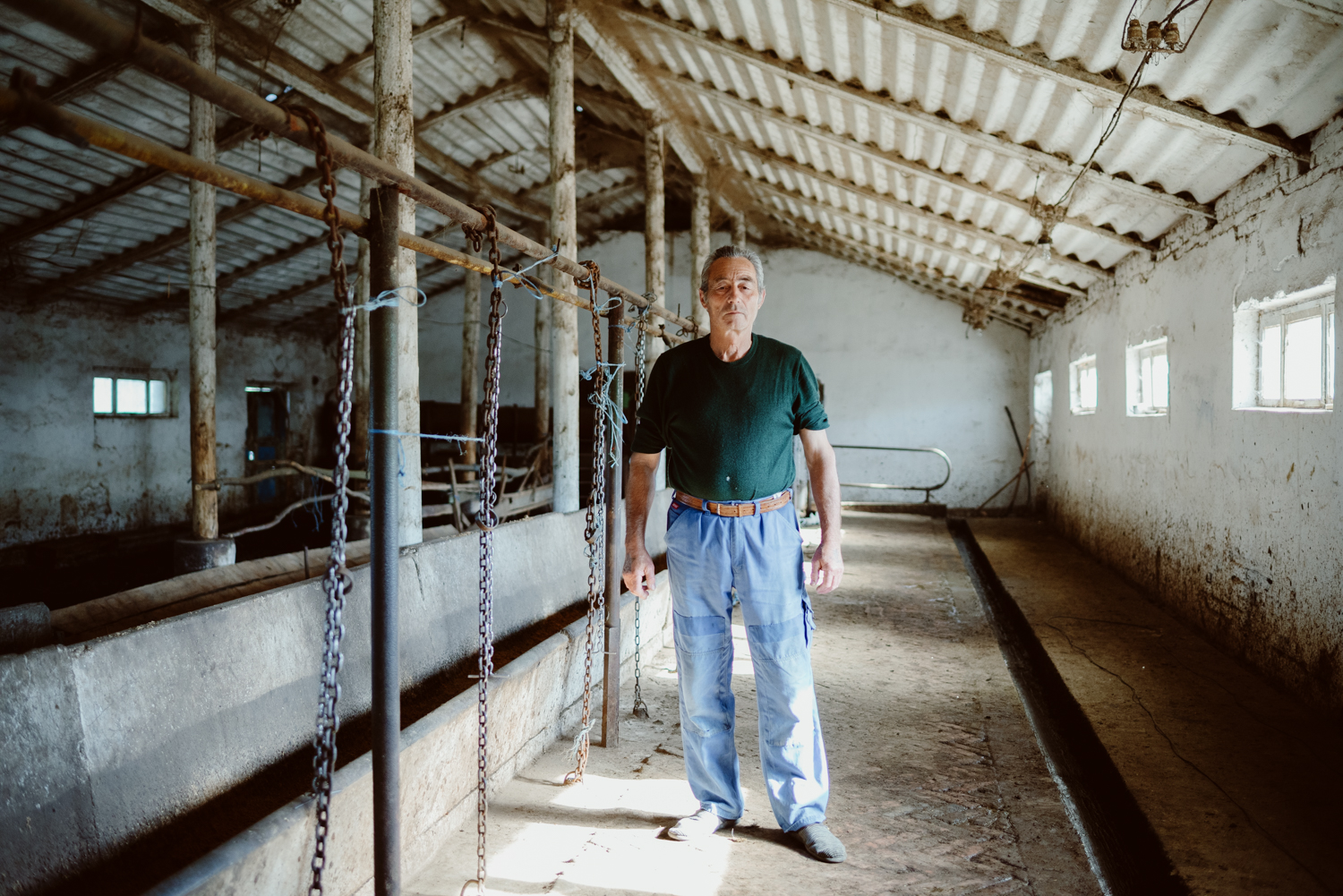
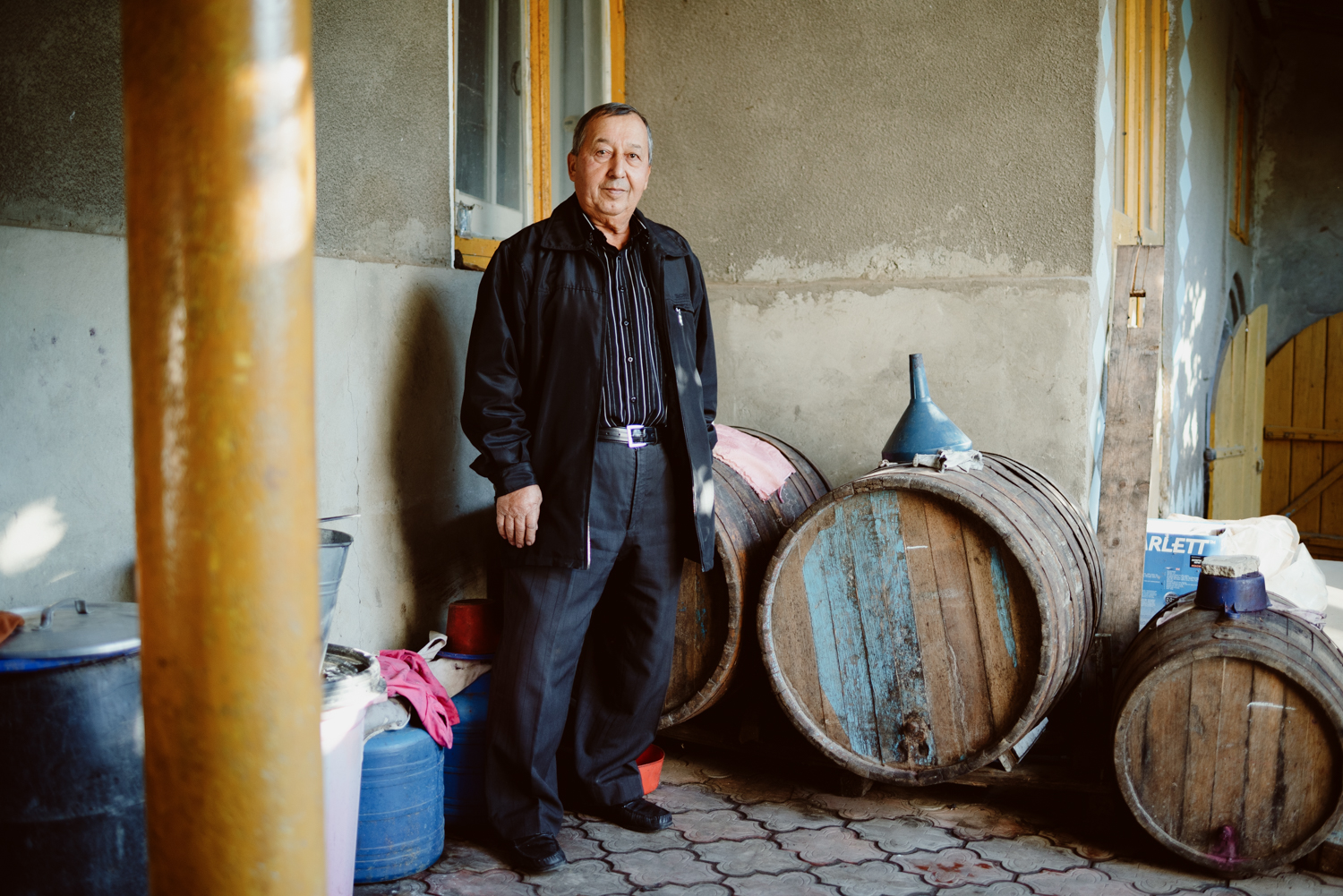
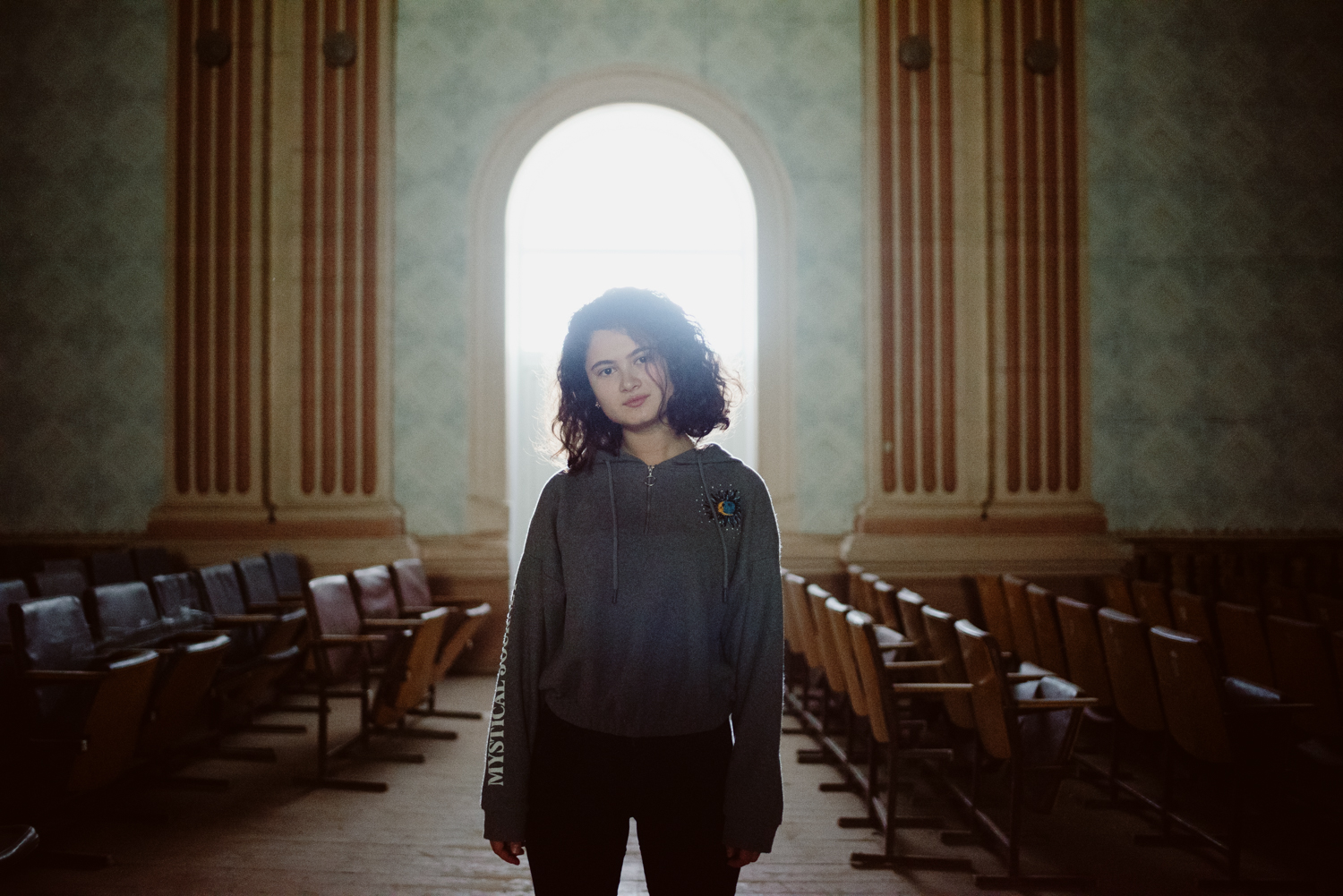
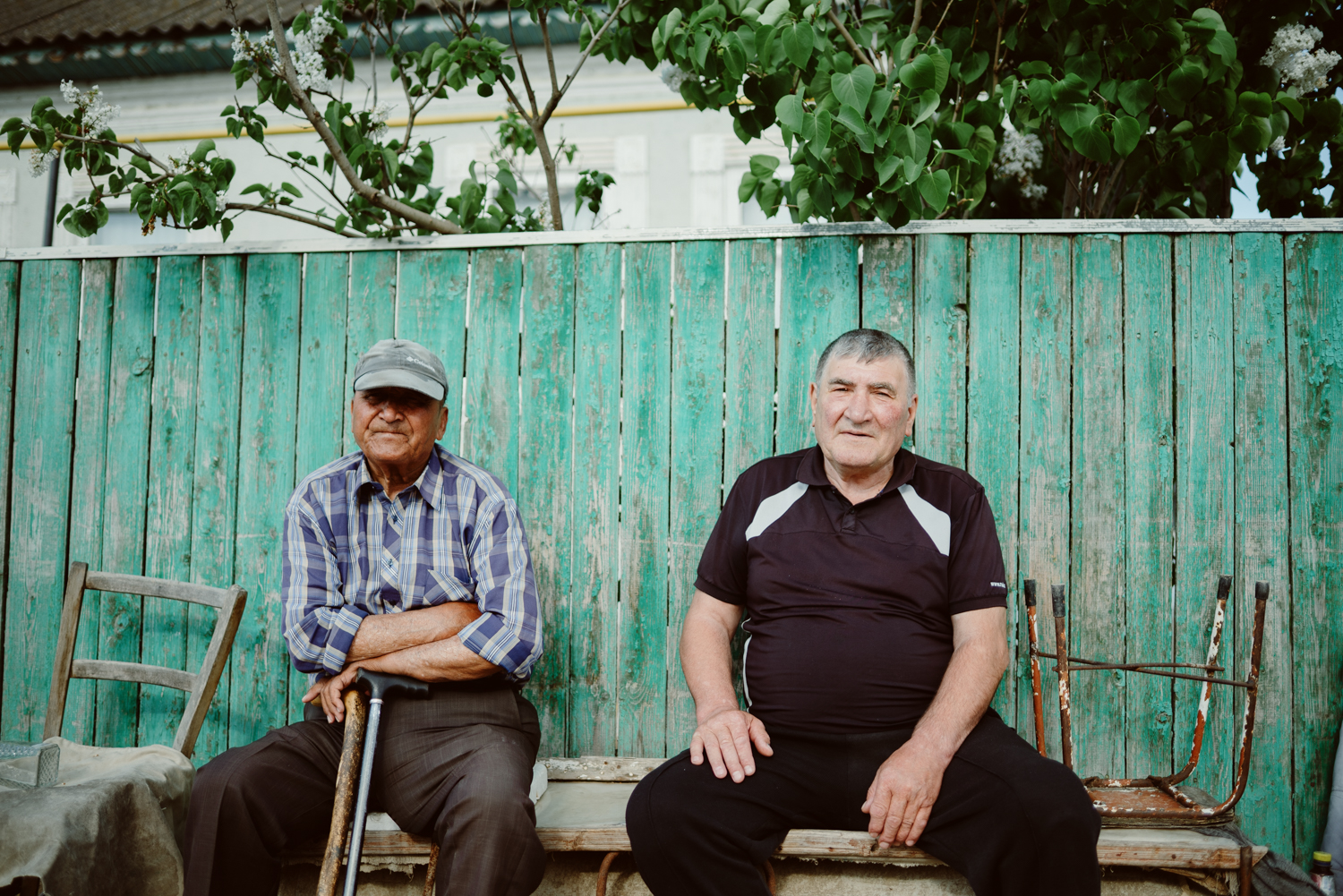
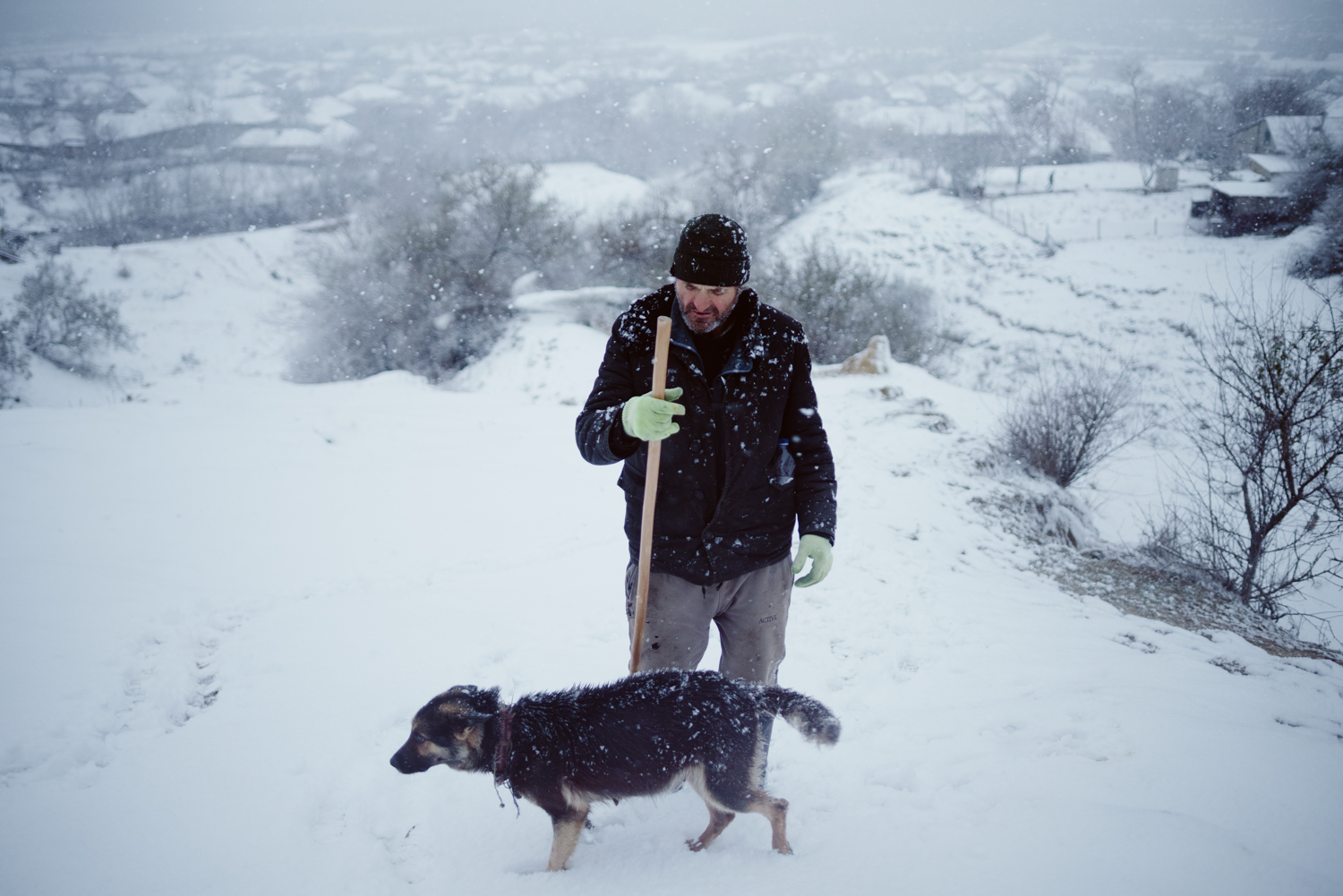
In this project, I treat the landscape as a protagonist equal to the people. For over 200 years, this arid and harsh steppe has shaped the character of its inhabitants—Turkic-speaking Christians who have adapted the land for viticulture and survival. My goal was to capture “Gagauzness” in its natural state, avoiding the “museum-style” stereotypes or staged traditions often seen in media coverage of the region.
These photographs were taken between 2020 and 2021, capturing a moment of “pre-war” stillness. Since the full-scale invasion of Ukraine, the region has increasingly become a tool in geopolitical games and efforts to destabilize Moldova. This project looks past the modern political slogans to find the authentic, quiet identity of a people who have become, in many ways, hostages of their own geography.
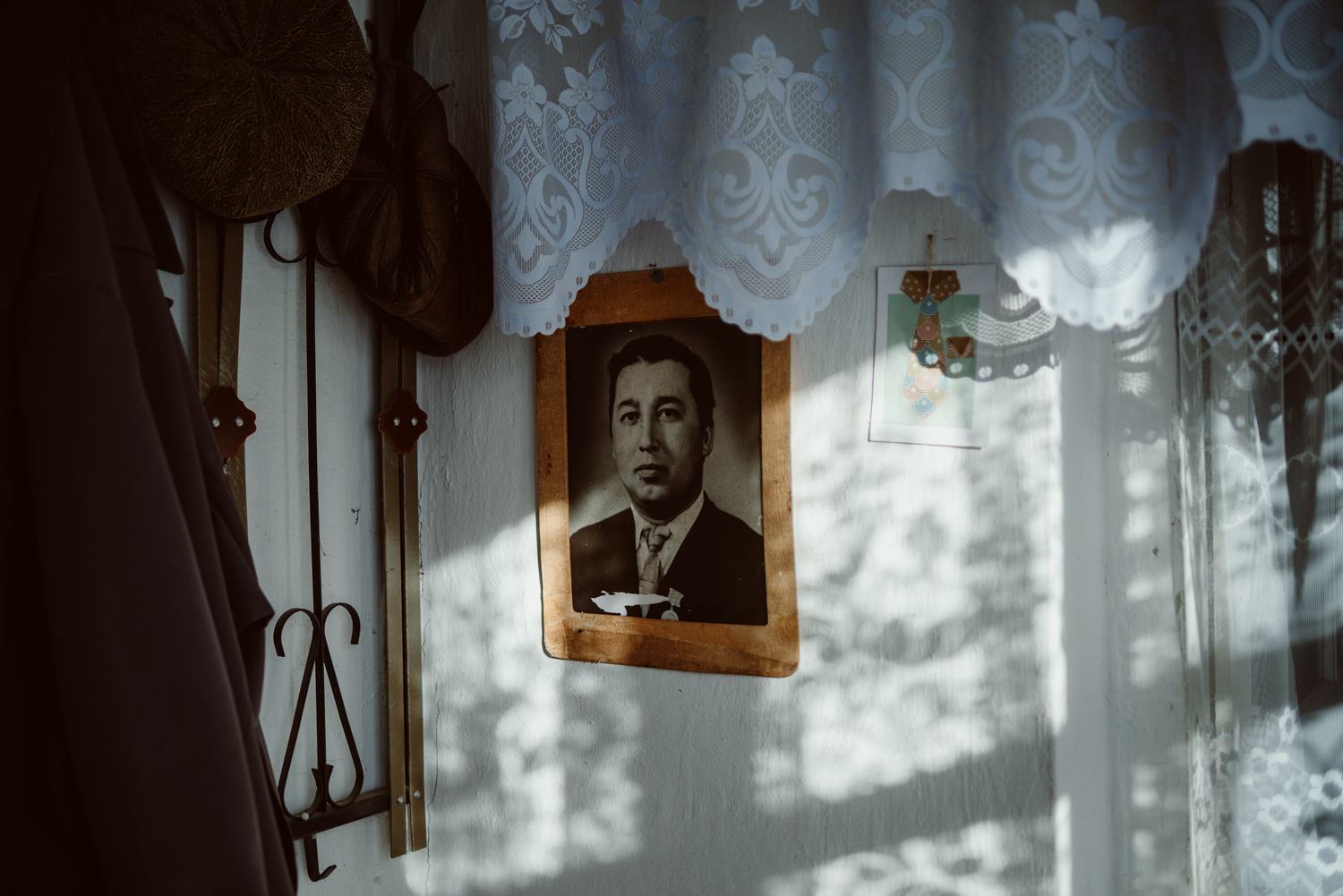
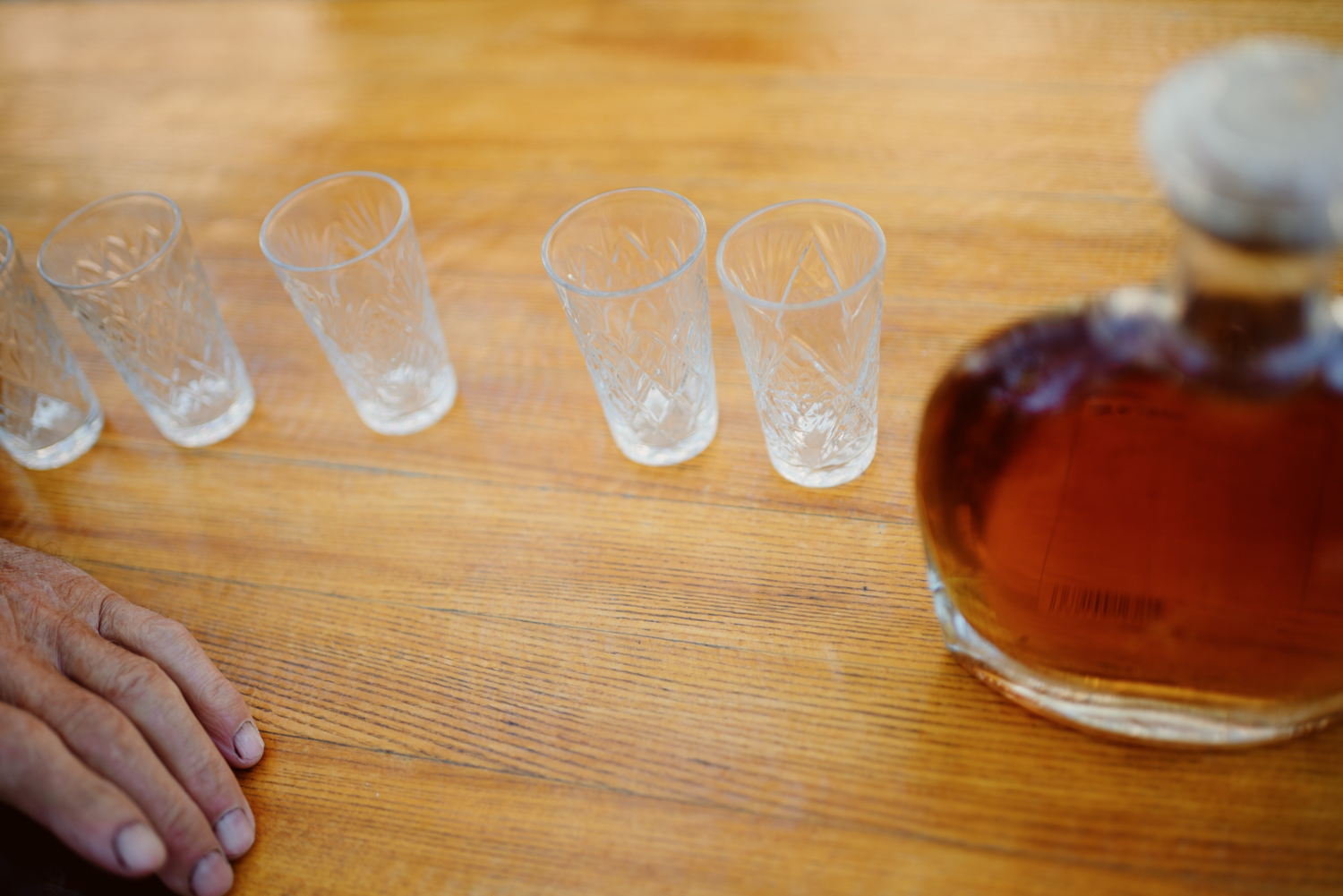
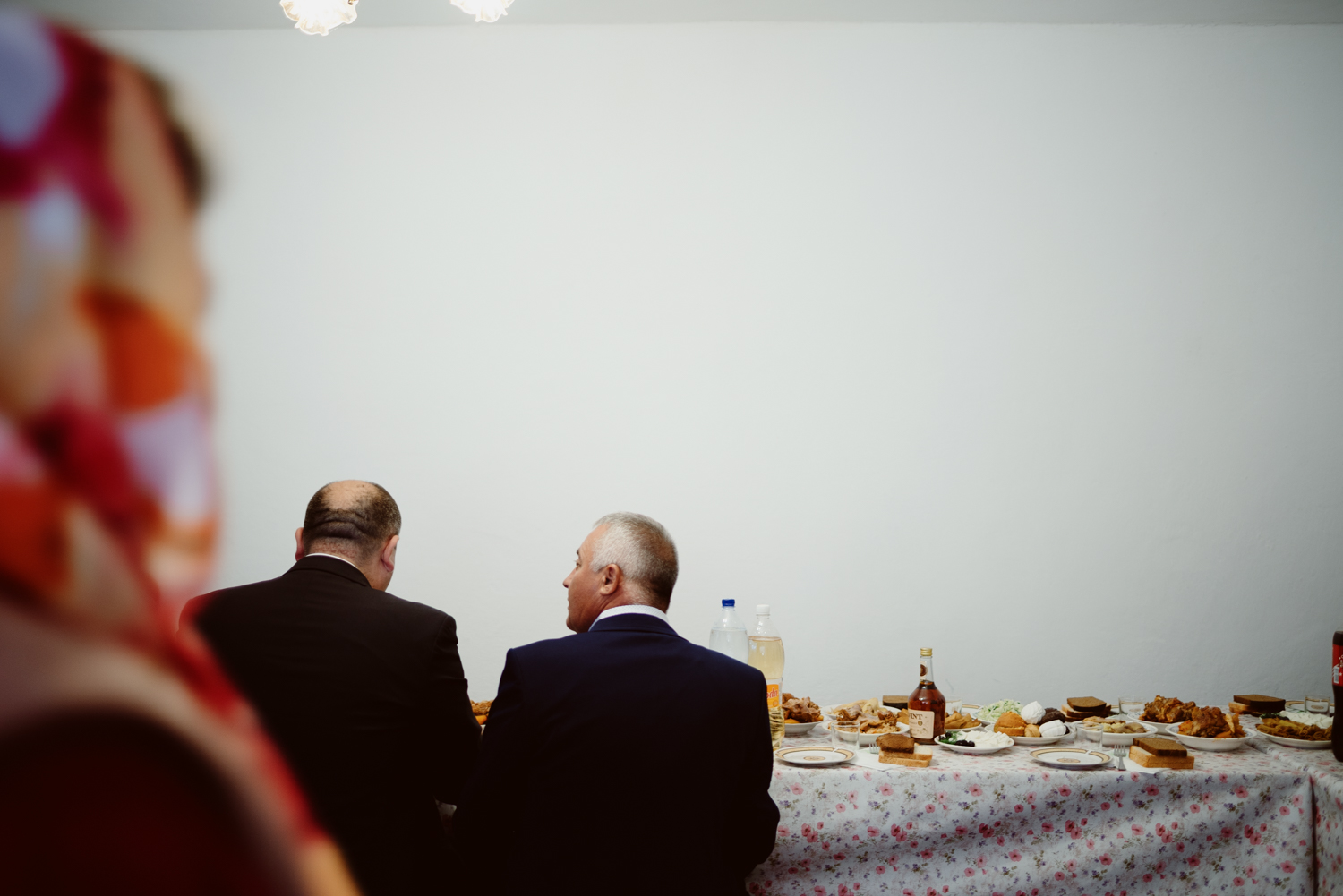
The sequence moves through intimate domestic spaces, the scorching summer fields, and the faces of those whose lives are rooted in the soil rather than in shifting borders.
Mihail Calarașan (1993) is a documentary photographer who was born in Transnistria, now is based in Chișinău, Moldova. Since 2017, he has been a key contributor to the Moldovan publication Oameni și Kilometri, working at the intersection of photography and journalism. His practice is centered on long-term visual research into identity, memory, and the social fabric of Eastern Europe, with a particular focus on “frozen” or overlooked regions like Transnistria and Gagauzia. Calarașan is a co-founder of Casa de Fotografie, a public association dedicated to promoting documentary photography and supporting the local photographic community in Moldova.