What does it mean to see? 10 minutes with Priyageetha Dia
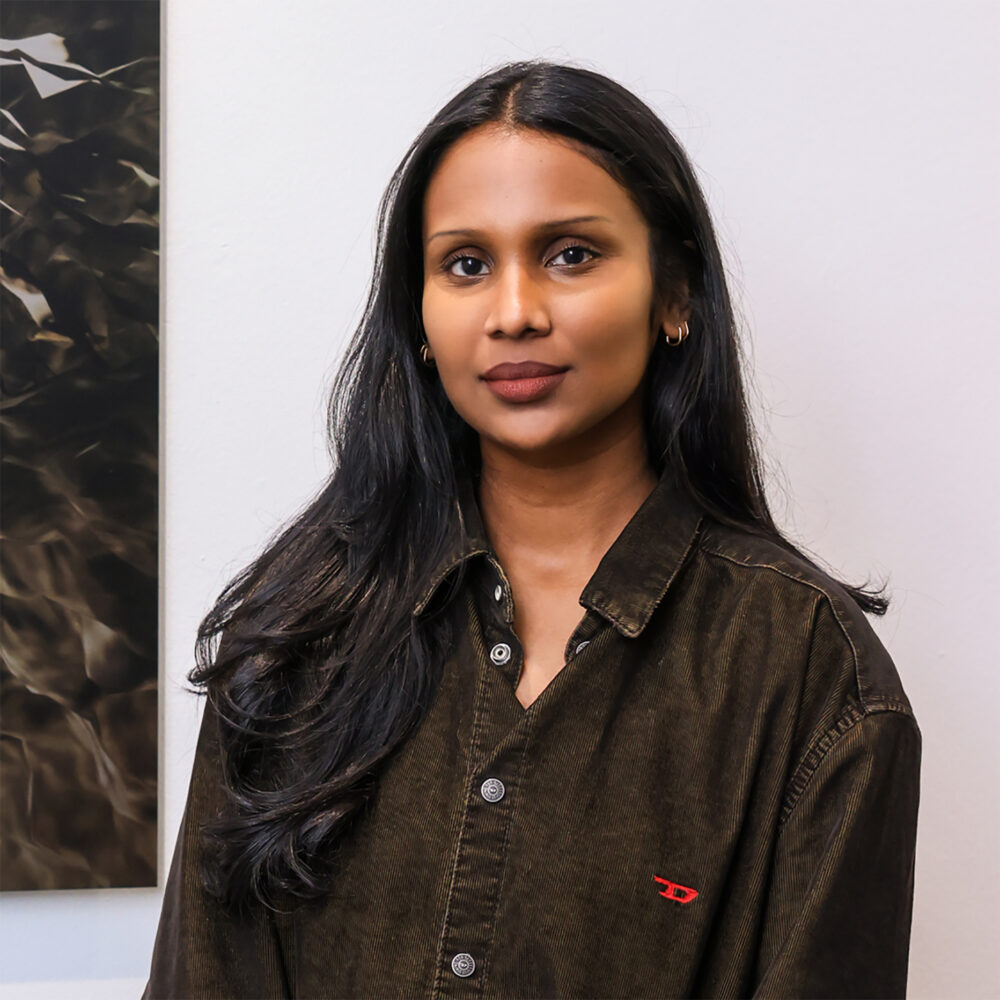
Priyageetha Dia (1992) is an interdisciplinary artist working across time-based media and installation. She lives and works in the Netherlands. Her recent exhibitions include the Aichi and Munch Triennales (2025), the 4th Bangkok Art Biennale, Manifesta 15 Barcelona, the 60th La Biennale di Venezia, and many others. Her practice braids together themes of Southeast Asian labour histories, speculative imaginaries of the tropics, and ancestral memory in relation to machine logics. Through archival and field research, she explores nonlinearity and practices of refusal against dominant narratives.
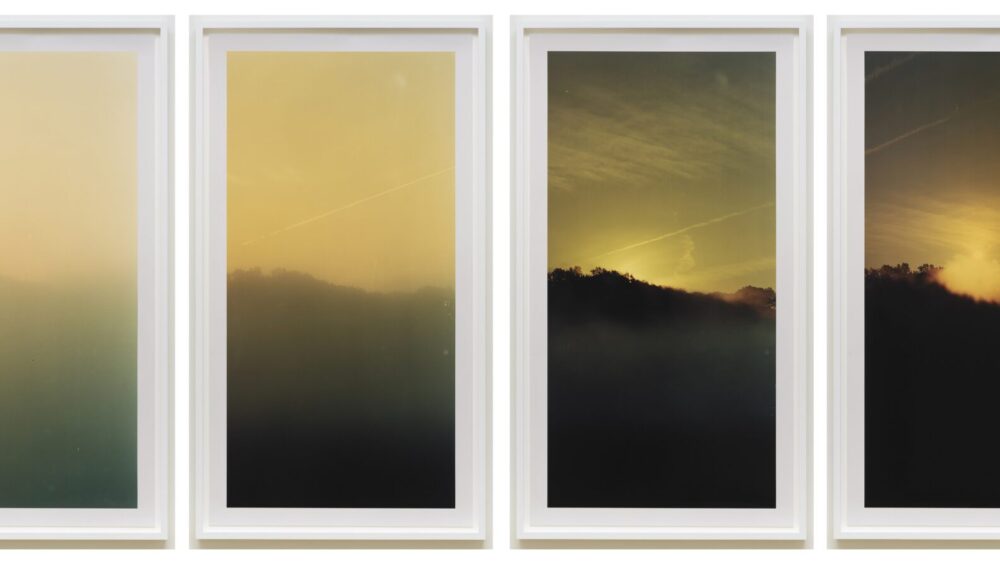
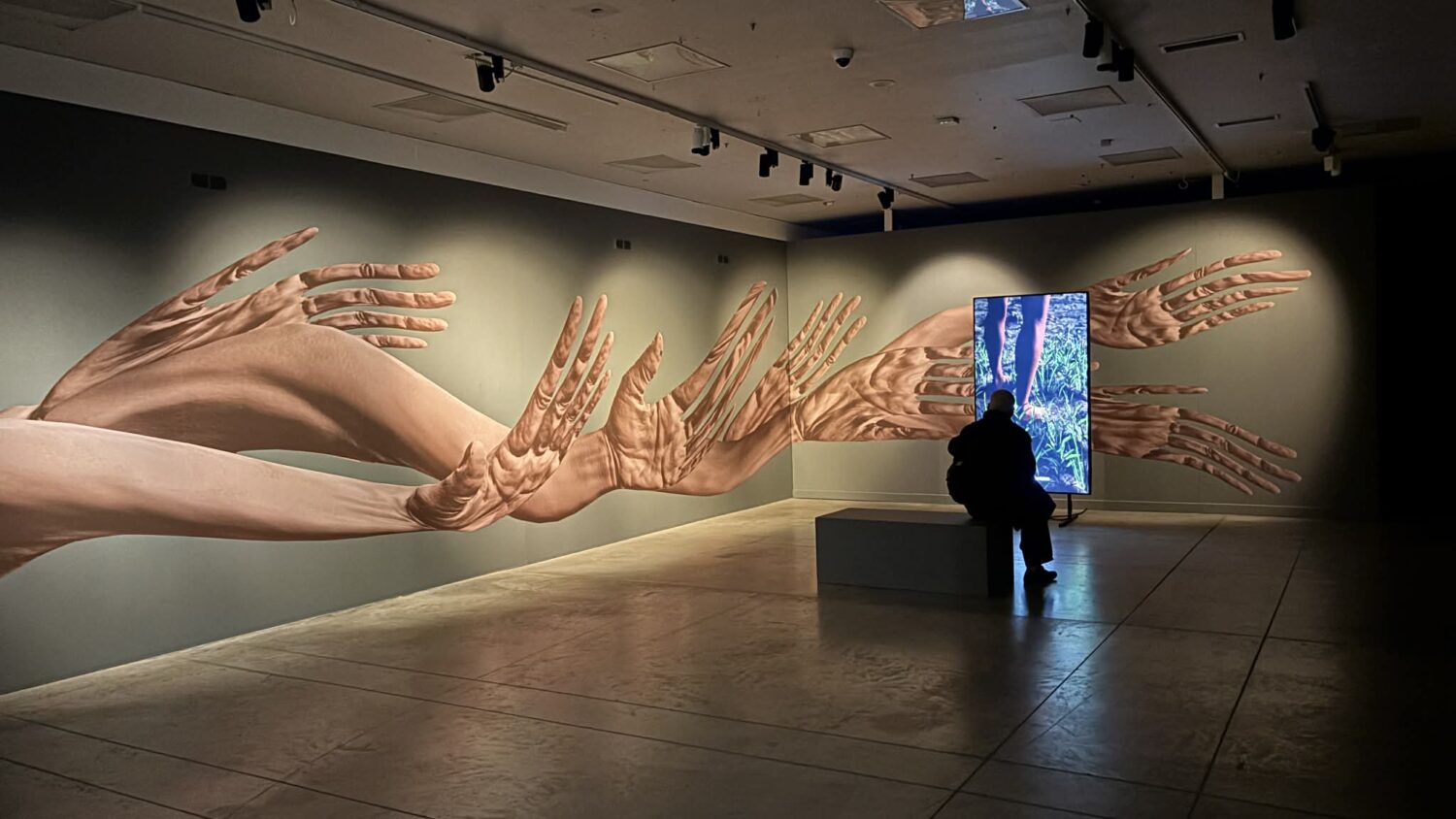
In her exhibition everything you need to see is already in front of you, currently on view within the framework of the Riga Photography Biennial, Priyageetha Dia questions photography as a medium and repository of memory. Working with archives and conducting field research in rubber plantations, she approaches the past from multiple perspectives. She seeks to perceive and attune to invisible and inaudible connections, uncovering the electromagnetic webs that ceaselessly flicker around us – carrying memories and binding us all together. The exhibition is on view at the Riga Contemporary Art Space until June 7.
What are the central ideas behind the exhibition everything you need to see is already in front of you, and how do they fit into your visual language?
The exhibition title everything you need to see is already in front of you serves as a provocation. It proposes that seeing – or sight – is never neutral but always conditioned. Rather than directing attention toward what is seen, the work is concerned with the architectures that make seeing possible in the first place, exposing how perception is shaped by access and power.
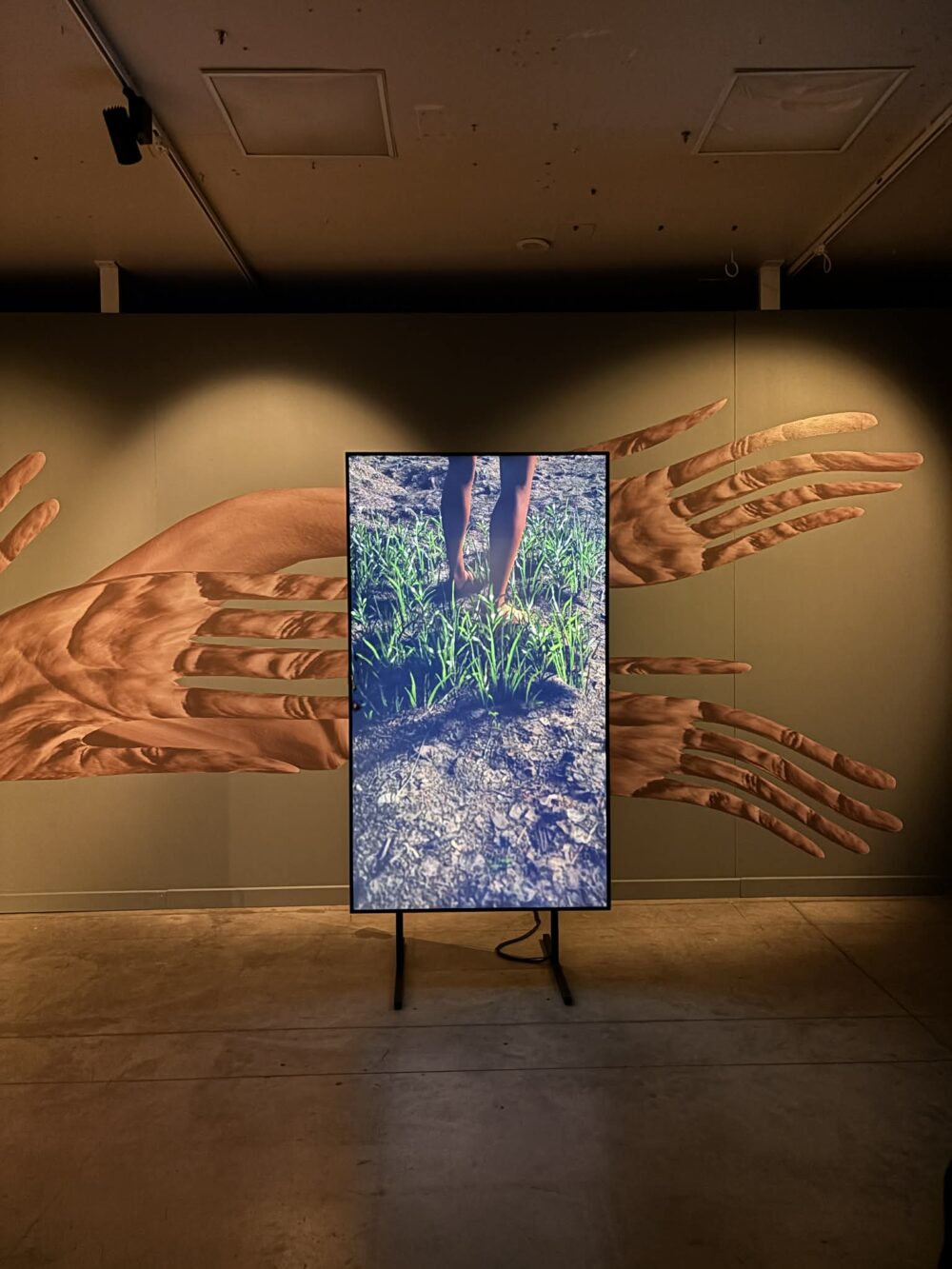
In my visual language, this manifests as gamified environments. Using fieldwork and archives, the animation resists stable or authoritative images, especially those found in colonial archives. It creates a field of unsettled visibility, where images never fully become legible. The work positions the image as both an offering and a refusal.
What draws you to photography as a medium compared to others you work with?
My practice is often image-based, but it extends outward into moving image, archival research, and forms of counter-visuality. The images become less about documentation and more about interrogating histories and power relations. What draws me in is precisely this tension: the medium’s historical role in extraction and classification, alongside its potential to speak otherwise. I treat the image not as a fixed record, but as a site that can be re-scripted.
How do you balance personal storytelling with broader political or social commentary?
I don’t approach the personal and the political as separate registers but see them as entangled. The work often begins from a situated position – whether lived or sensed – but is translated through a speculative vocabulary. This shift allows the work to move beyond individual narratives and open into a more collective reading. Fabulation is important here because it creates an in-between space that resists closure and holds multiple temporalities at once.
What do you consider to be the biggest challenge in working with photography right now?
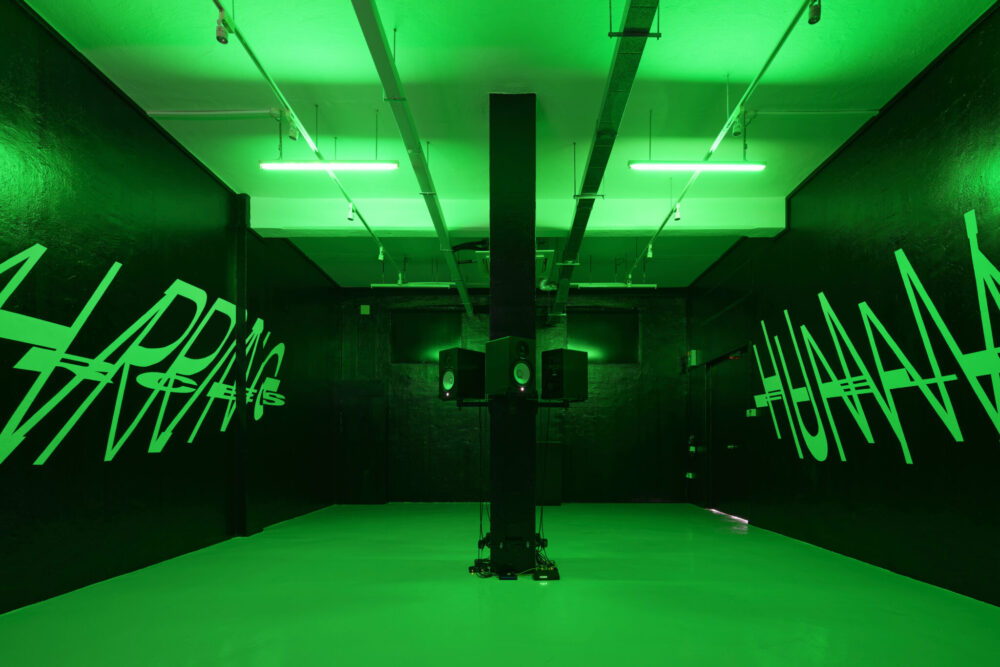
There is an overwhelming saturation of images and the speed at which they circulate, increasingly compounded by the use of artificial intelligence to generate images that are often stripped of context and consent. For me, the challenge is to create images that resist immediate legibility or passive consumption – images that slow down perception and complicate the act of viewing itself.
What are your main sources of inspiration and creative energy?
A lot of my energy comes from research, particularly around histories of labour and colonial infrastructures in Southeast Asia. I’m also drawn to sound, especially forms of lamentation such as oppari, an ancient improvised funerary practice brought into the plantations by indentured labourers from Tamil Nadu and other parts of South India. More broadly, I’m interested in how knowledge is carried and transmitted across bodies and lands. This ongoing inquiry continues to generate new directions in the work.
Can you tell us anything about your future creative plans?
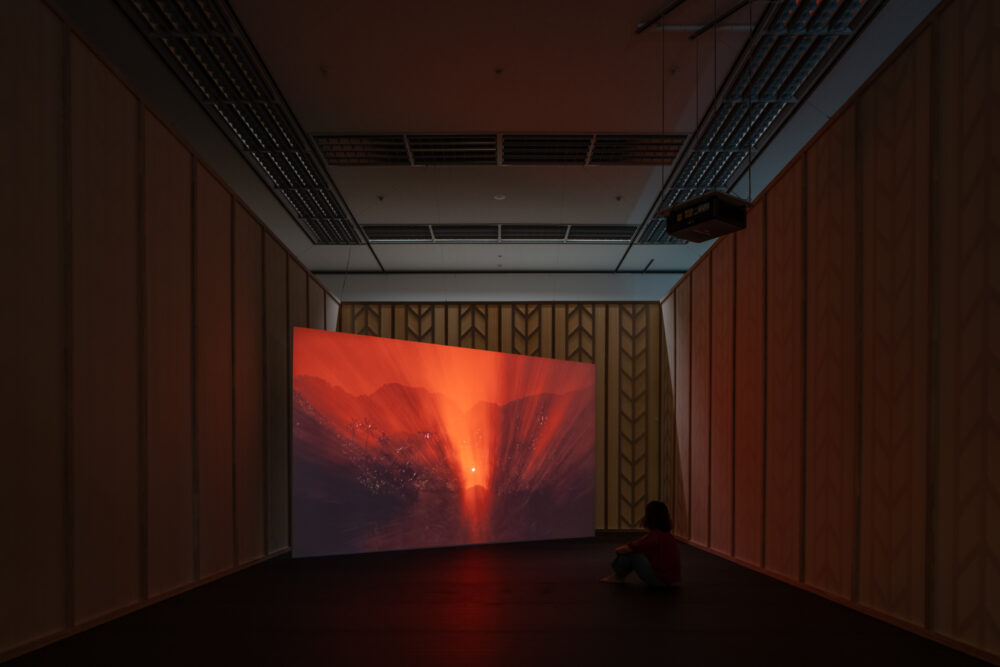
I’m currently working toward finishing my Master’s research this coming summer. I’ve been focusing on sound and listening through the lens of necropolitics, thinking about how death can be heard and felt through auditory and vibrational registers. This research extends into a new installation work in which I use sound to shape space and perception, creating an environment where listening becomes a way of sensing what often remains unseen.