Spring photography news in the Baltics
ESTONIA
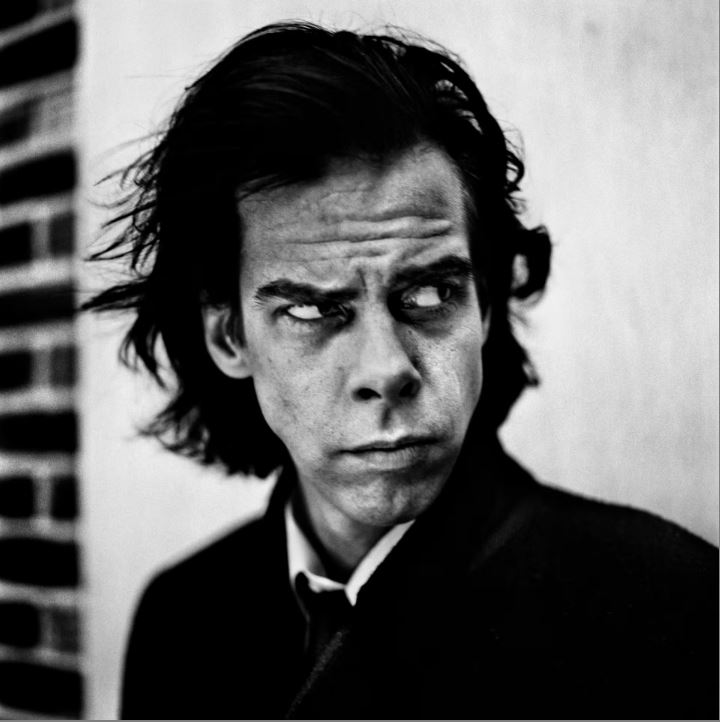
24.01.2026.–30.04.2026., Fotografiska Tallinn
Anton Corbijn’s intimate portraits of the greatest artists of our time are known all over the world. In 2025, the master photographer marked a double anniversary – celebrating both his 70th birthday and 50 years of creative work. To mark this special milestone, he opened a major retrospective at Fotografiska, which after a successful premiere in Stockholm will continue its journey to Tallinn in January 2026.
Corbijn, Anton is a journey through time, following the photographer’s remarkable career from the 1970s to the present day. The exhibition features portraits of music legends such as Depeche Mode, Tom Waits, Patti Smith, Nick Cave, David Bowie, U2, The Rolling Stones, and many others – as well as artists like Gerhard Richter and Ai Weiwei, and leading figures from the world of fashion including Kate Moss, Rick Owens, Naomi Campbell, Virgil Abloh, and more.
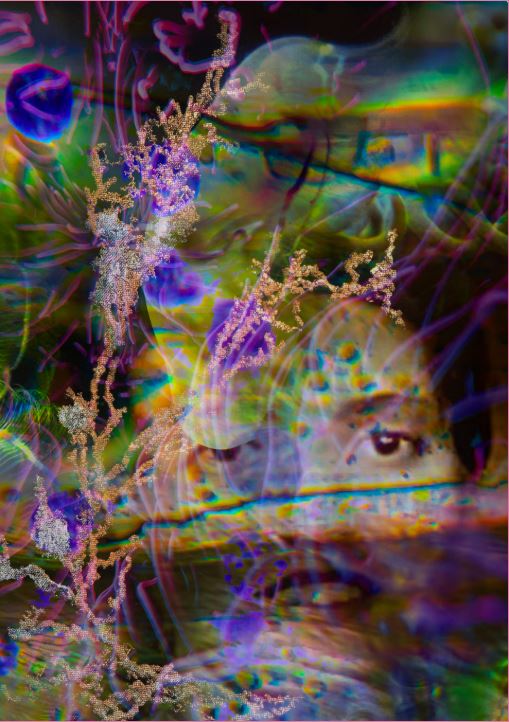
7.11.2025.–03.05.2026., Fotografiska Tallinn
The solo exhibition of French multimedia artist Josèfa Ntjam invites visitors on a multi-layered sensory journey. The exhibition intertwines stories of historical movements that have empowered the oppressed and opens a door toward possible futures. Bringing together biomorphic sculptures, video installations, and photomontages, the presentation is fluid and poetic – filled with hybrid forms and endless dialogues.
What are the stories that shape your perception of the world and yourself? Who determines them, and how can we create alternative narratives within our communities to mobilize change?
Josèfa Ntjam’s exhibition Futuristic Ancestry: Warping Matter and Space-time(s) seeks to deconstruct these dominant narratives. Ntjam explores collective histories, as well as her own memories and personal and family archives, through images of African mythologies, ancestral rituals, Cameroonian independence movements, and freedom fighters such as the Black Panthers – highlighting the transformative power of community to create new realities.
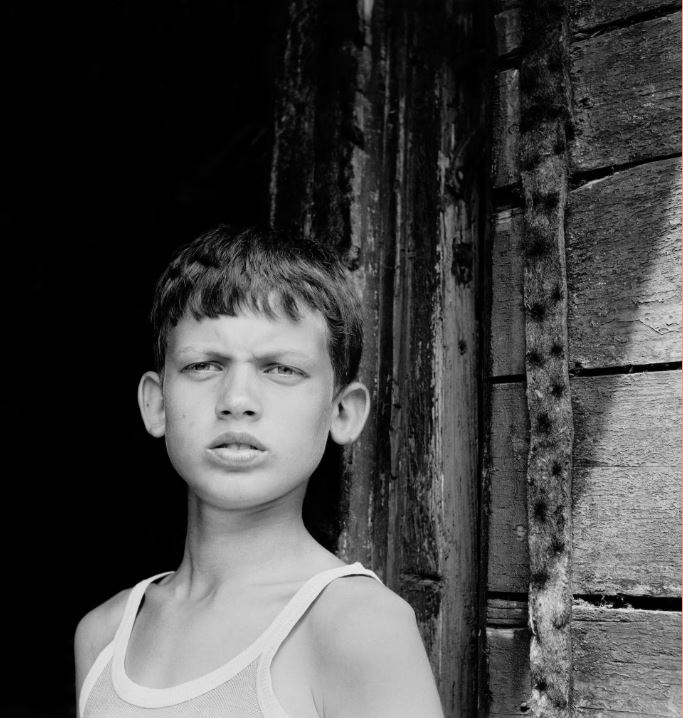
From 14.03.2026, Fotografiska Tallinn
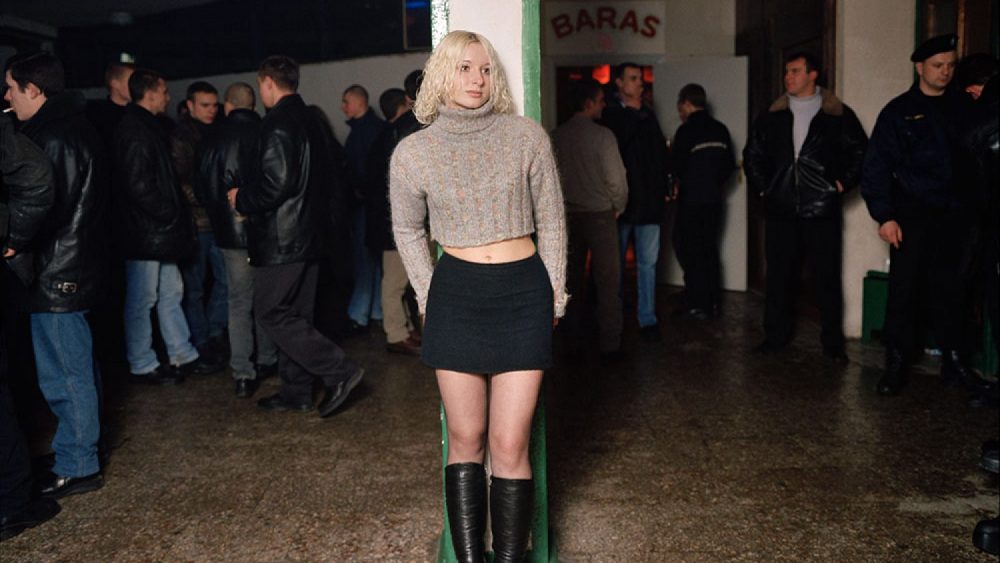
Between 1983 and 2008, photographer Inta Ruka photographed people in her native Latvia, capturing their lives in rooms, courtyards, and streets where everyday life unfolds. She returned to the same individuals repeatedly, working slowly and allowing trust to develop over time. The resulting photographs are not merely documentary, but preserve places, relationships, and lived experience from which a sense of belonging emerges.
Inta Ruka (1958, Riga) began photographing at a young age without formal training, driven by a strong curiosity about the people around her. The camera became her way of encountering the world. Her working method is slow, using a classic Rolleiflex on a tripod and available light as her only aid. Ruka’s photographs are not romanticised, but direct, intimate and respectful.
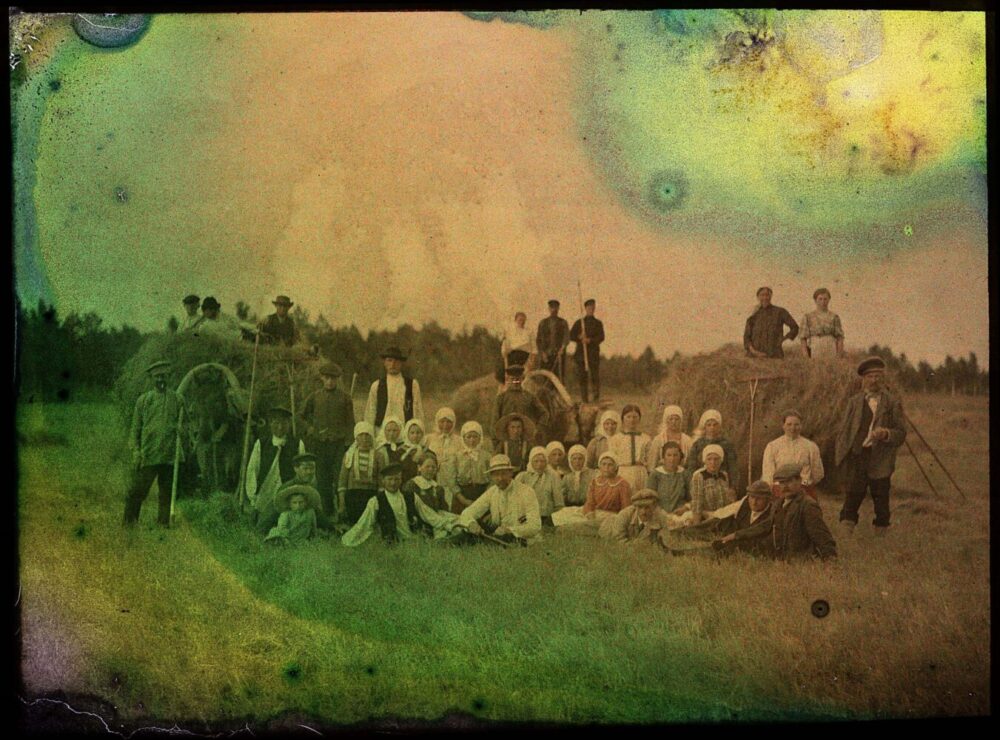
27.02.2026 to 23.01.2028. Museum of Photography, Tallinn
Through installations and animations, the immersive exhibition Colour Tickle in the Museum of Photography explores the intersections of visual perception, colour synthesis, and the history of photography.
Over the course of a year, the experiential Colour Tickle journey will unfold throughout the atmospheric vaulted halls and corridors of the former medieval prison that house the museum. Designed for visitors of all ages, the exhibition explains the principles of colour physics, human colour perception, and the history of colour photography through hands-on exhibits. Along the way, visitors can enter the Eye, move through colour synthesis, colorize photographs, navigate the labyrinth of Estonia’s oldest colour photographs, and engage in many other discoveries. The exhibition traces the major milestones in the history of colour photography, from the first colour photograph presented in 1861 to contemporary digital photography.
04.02.2026.-26.04.2026, Juhan Kuus Documentary Photo Centre
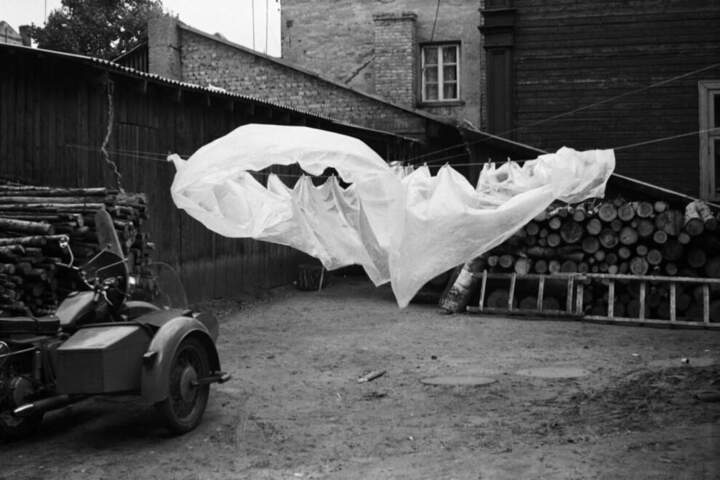
Human Baltic brings together works by masters of Baltic humanist photography from 1960 to 1990, a period when life behind the Iron Curtain existed in two parallel realities. In one, everything had to be in order – plans were fulfilled, people smiled, and slogans promised a bright future. In the other, everyday life lived on with its quiet perseverance: empty counters and queues, but also intimate joys, holidays, moments at the seaside, market days and domestic customs that did not fit into the frames of the “official image”.
The photographers in this exhibition from Estonia, Latvia and Lithuania moved between these two realities. Some broke the propagandistic illusion almost imperceptibly – through small shifts in gaze, space or silence. Others found gaps where the system that controls everything was not yet fully present, and there they preserved the person as he or she really is: fragile and defiant, strange and funny, tired and gentle. Humanism here does not mean embellishment, but closeness and honest attention to the person in his or her everyday life.
06.02.2026.-22.03.2026, Punctum Gallery, Tallinn
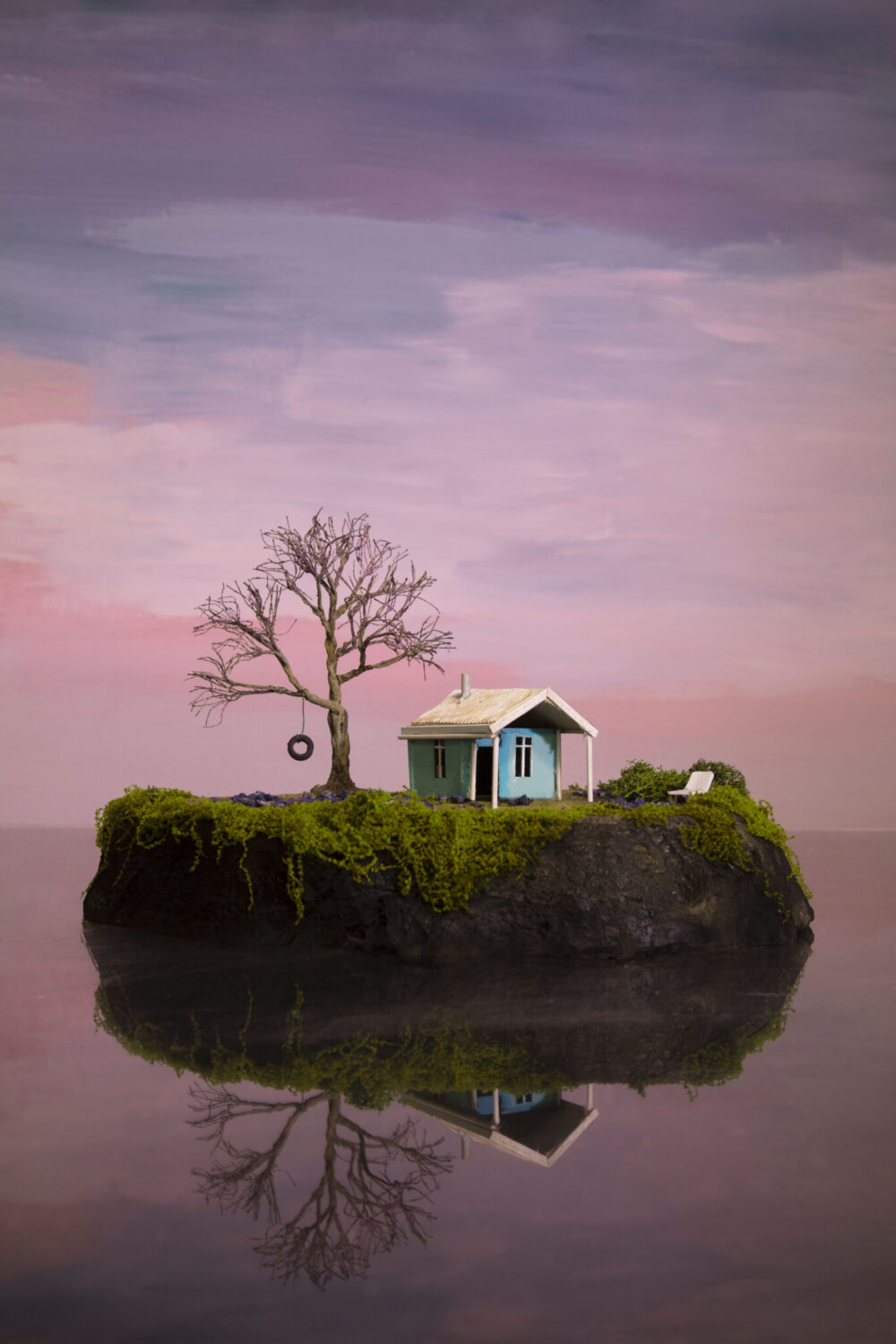
There are places that become visible only when their surroundings grow dim. From this light emerges a softening of the polar night, giving rise to something new and perceptible within the darkness. For the first time in Estonia, audiences can experience the mystical, luminous installation-based works of Dutch artist Lisanne Hoogerwerf – works that are not merely photographs, but traces of temporary worlds created in the artist’s studio.
Hoogerwerf constructs her landscapes on a small scale, using everyday materials such as wood, sand, cardboard, paint, and light sources. Tiny lamps, concealed beams of light, and carefully shaped shadows do not simply illuminate the image; they lend it spatial depth and a sense of presence that extends beyond the flat surface into the surrounding space, forming an installative condition. For Hoogerwerf, photography is a means of capturing something inherently fleeting – moments in which light, form, and chance reach a fragile equilibrium. Once photographed, these worlds are dismantled and returned to fragments, leaving behind only the photograph as a quiet testimony to something that once physically existed but has now disappeared.
LITHUANIA
24.02.2026.–24.04.2026., Vyatutas the Great War Museum
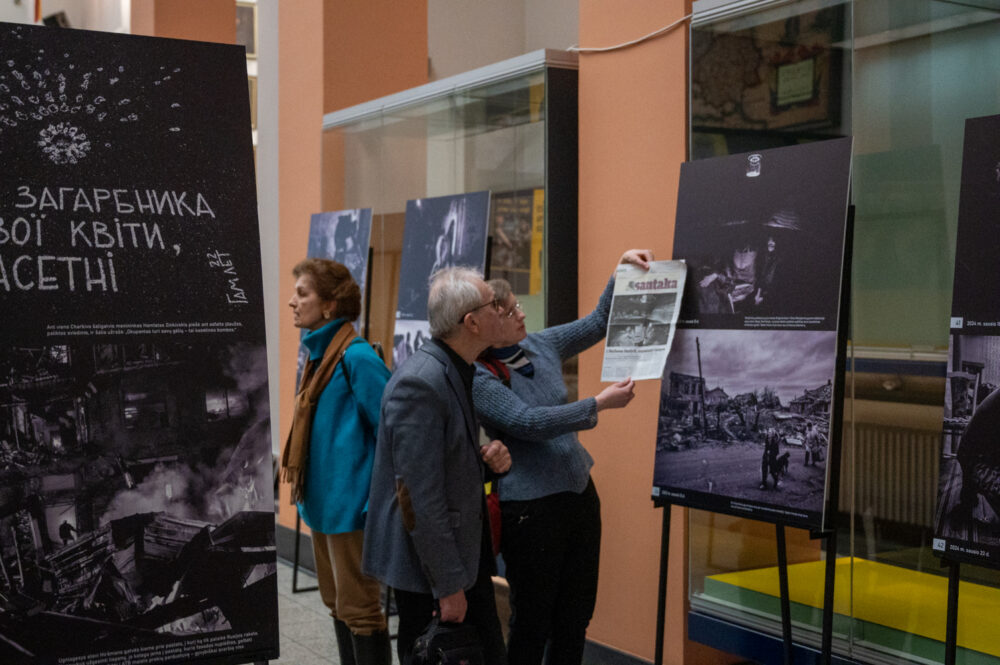
The Vytautas the Great War Museum presents an exhibition of photographs by French photographer Jérôme Barbosa, entitled Despite the Darkness, which invites viewers to look at the war in Ukraine through the prism of everyday life, human solidarity with others, and resistance.
In February 2022, when Russia launched a large-scale aggression against Ukraine, the photographer began documenting protests and public reactions in Western Europe, but soon realized that simply observing from afar was not enough. During nine trips to Ukraine, Barbosa visited Zaporizhia, Kharkiv, Dnipro, Izium, Sloviansk, Chernihiv, Kherson, and many small Ukrainian towns and villages. The photographs capture not only the devastation of people’s lives, but also their determination, mutual support, and communities’ efforts to survive even in such conditions. The photographs in the exhibition invite visitors not only to observe the reality of war from a safe distance, but also to reflect on the role of the individual and the community in the face of war.
05.02.2026.–15.03.2026., Museum of Photography, Siaulai
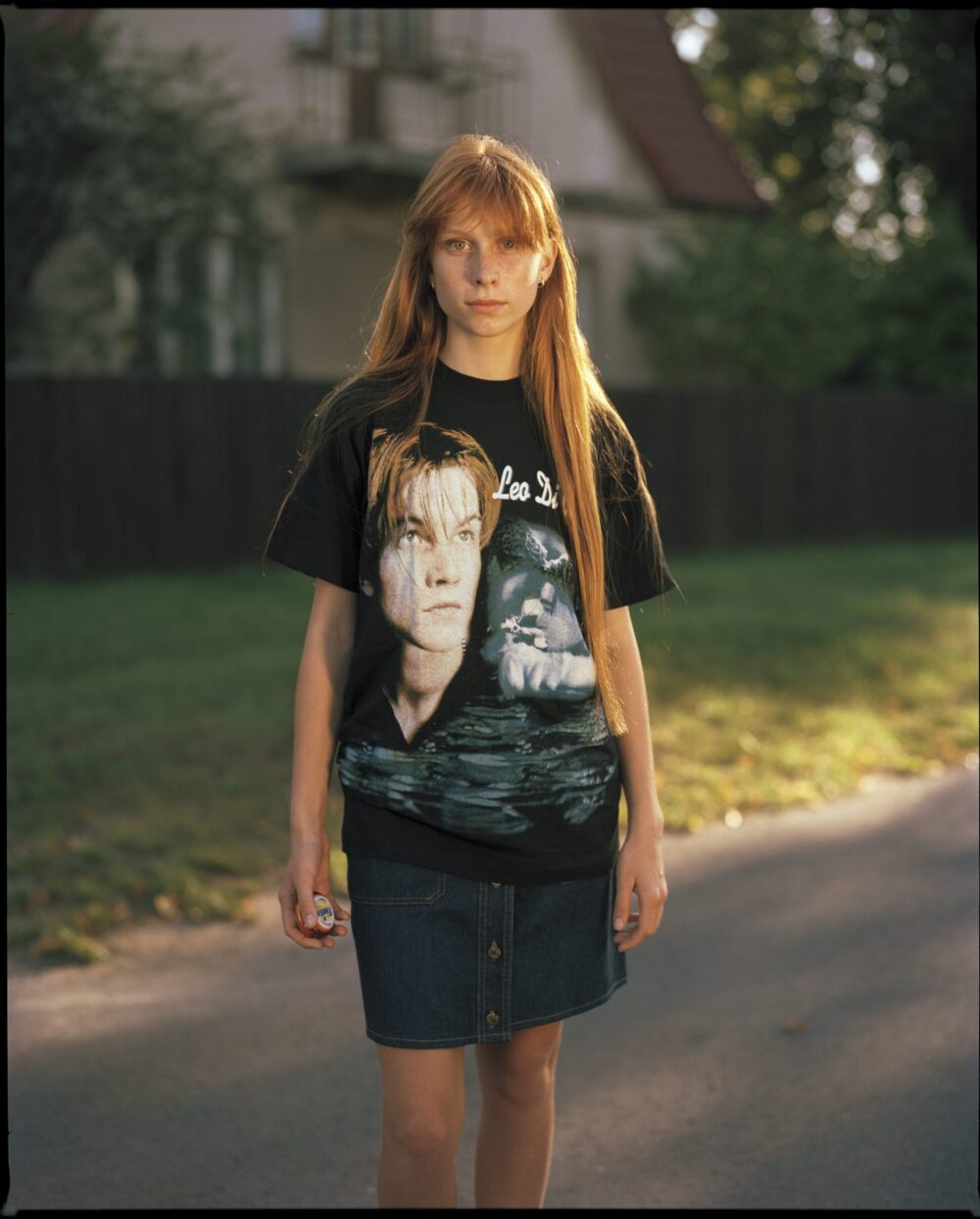
The exhibition presents a series of photographs of the same name – a visual narrative about a generation that grew up during a period of systemic upheaval in Lithuania. The photographs meticulously recreate everyday life at the end of the 1990s and the beginning of the 2000s.
The series was started in 2019 as a master’s thesis at the Vilnius Academy of Arts. It is an attempt to address the issue of memory through artistic means and to fill the gap in high-quality images of everyday life in Lithuania in the early 1990s and 2000s, which are needed by visual anthropologists. In cinematic frames, the author reconstructs his experiences from childhood, adolescence, and school graduation, the people he met, and the situations he encountered. Personal stories become universally recognizable symbols of a bygone era—toys, first skateboards, video cassettes, gum wrappers, and other artifacts of the time, testifying to the transition from Soviet everyday life to Western pop culture.
12.11.2025.–15.03.2026., Energy and Technology Museum, Vilnius
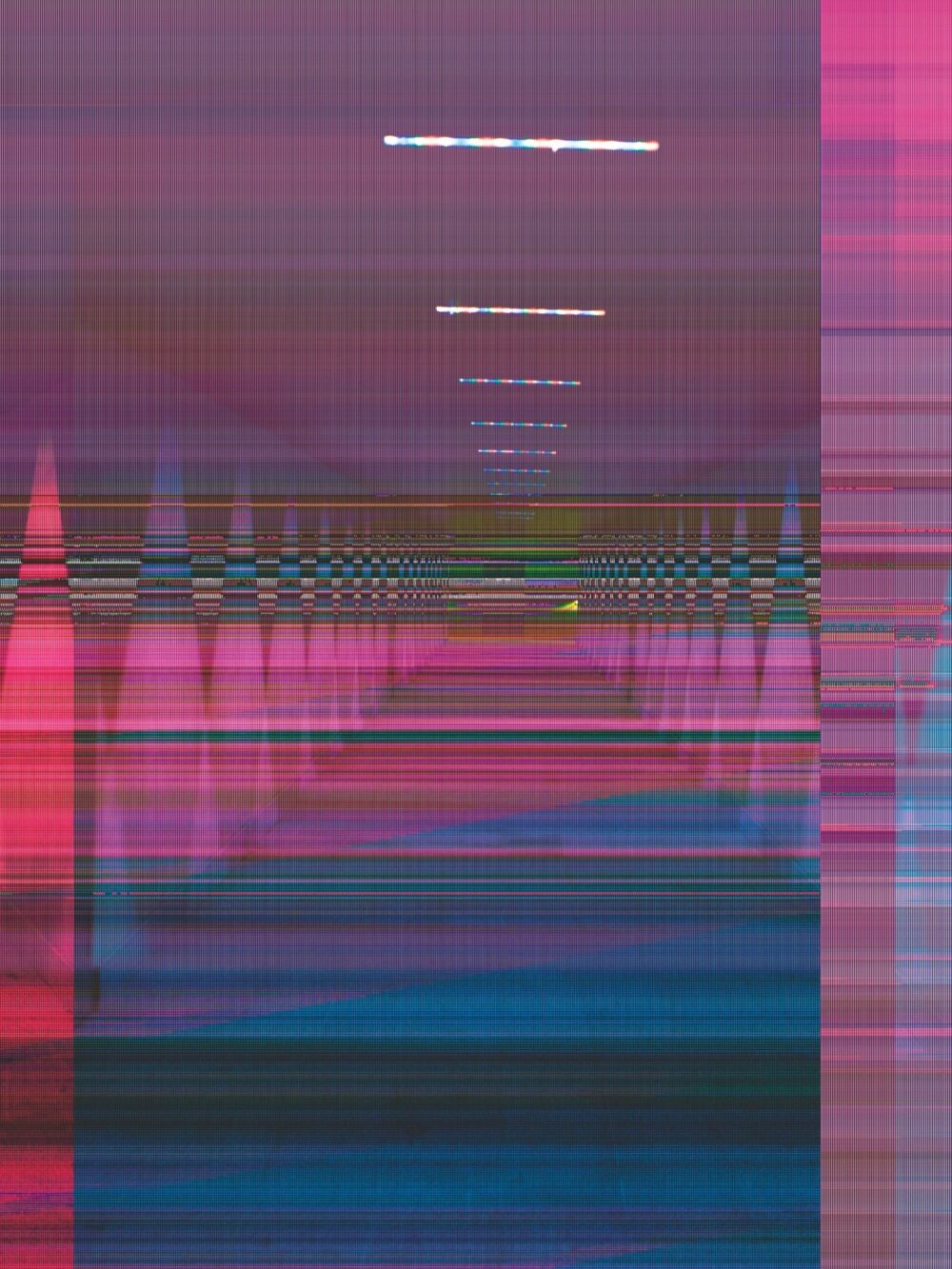
When we say a work of art is “damaged,” we tend to see it as worthless. But what if we could bring that artwork back to life — giving it a new meaning and value? This exhibition reveals images that are broken or corrupted — photographs that most artists would never attempt to preserve. Experimenting with technology, Laurinaitis photographed using a faulty memory card reader, viewing the resulting “glitches” as accidental artworks created by technology itself. These unpredictable visual errors open up new creative possibilities and challenge our understanding of artistic authorship. DAMAGED invites viewers to reconsider what true artistic value means and how technology shapes and contributes to creative expression.
05.03.2026.–19.04.2026., Panevėžys Art Gallery
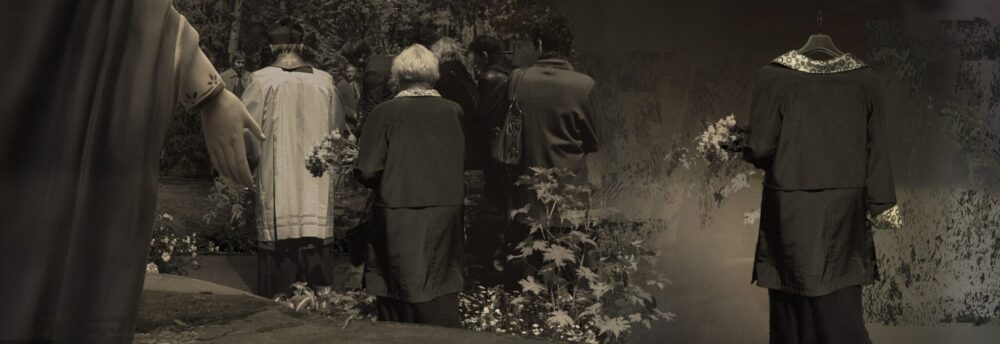
Regina Šulskytė’s work has always balanced personal and shared experiences that highlight the essential moments of human existence. The photographer is remarkably consistent in her work. Her series of photographs are like parts of a single film: as we travel from one story to another, time, contexts, and details change, and certain emotions appear and disappear. However, the main characters almost always remain the same. On the other hand, in each of her series of photographs, she sharpens a different angle of life. In the artist’s photography, life and death are felt side by side, but there is no great tension here. It is more like a story promising fulfillment with a realistic ending. Therefore, it is not surprising that in the same print, existence already foreshadows extinction. Until now, all this has been conveyed rather cautiously, with subtle hints, leaving enough room for individual adaptation of the story.
25.02.2026.–20.03.2026., VDU Art Gallery 101, Kaunas
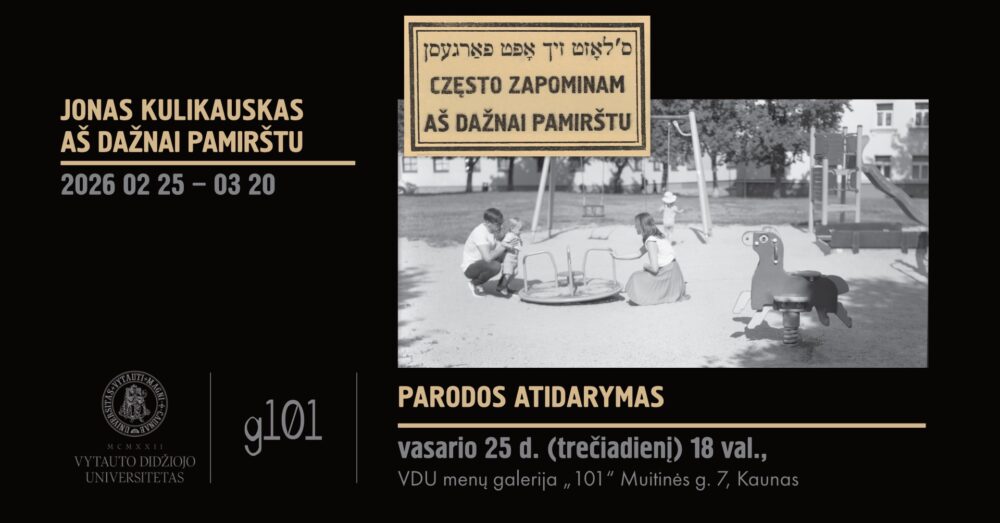
The exhibition I Often Forget explores the fragile layer of time that exists in everyday spaces. Jonas Kulikauskas, using a World War II-era lens and a modern 8 x 10-inch camera, embarked on a journey to capture today’s life in the former Vilnius Ghetto in Vilnius, Lithuania.
The photographs are exhibited as objects, providing visitors with a tactile experience. Folders with photographic silver prints, attached to tables and pedestals, combine contemporary scenes with historical descriptions of specific places and testimonies of survivors, present chilling memories of the Vilnius Ghetto, where tens of thousands of Jews were forcibly held.
LATVIA
12.02.2026 – 16.04.2026, ISSP Gallery, Riga
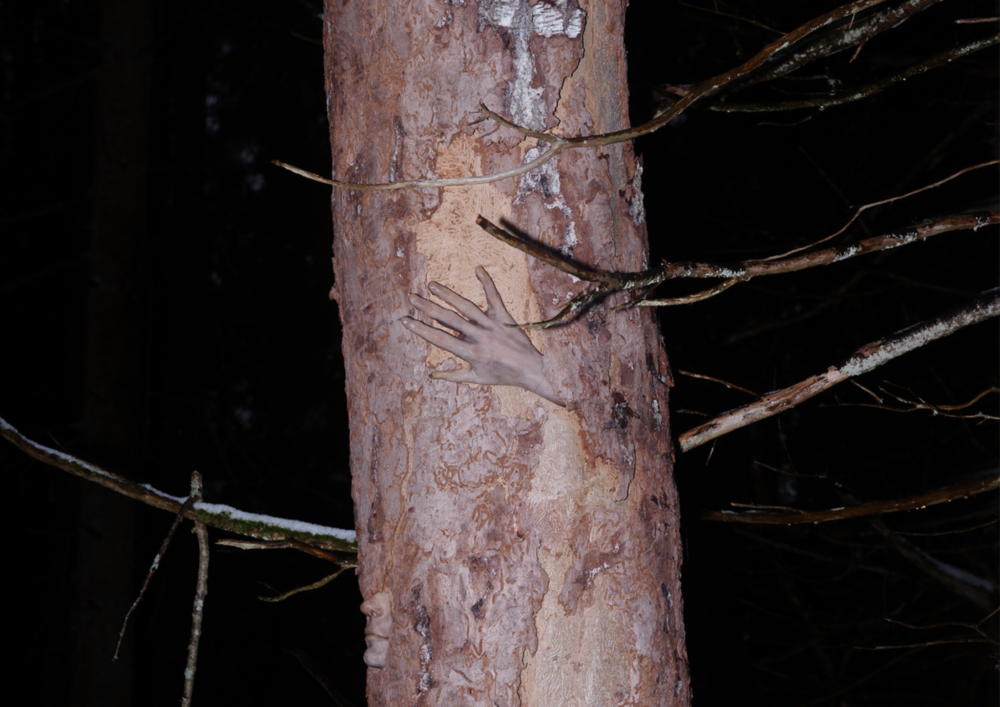
The exhibition addresses the disappearance of forests and reflects on the role of humans in processes related to both the biological and cultural dimensions of forests. So-called old forests, which are responsible for crucial ecological processes, are becoming extinct as an ecological form both in Latvia and across Europe. In public discourse, old forests are often perceived as symbolically and emotionally valuable; however, in forestry practice they are considered economically less valuable. As a result of human activity, old forests are rapidly disappearing from the landscape.
Forest Evenings explores alternative ways of perceiving the forest – not only as a means of protecting its biological functions, but also as a way of recognizing the forest’s role in human survival. The exhibition invites viewers to see themselves as part of the biological world rather than separate from it.
From 26.02.2026, Latvian Museum of Photography
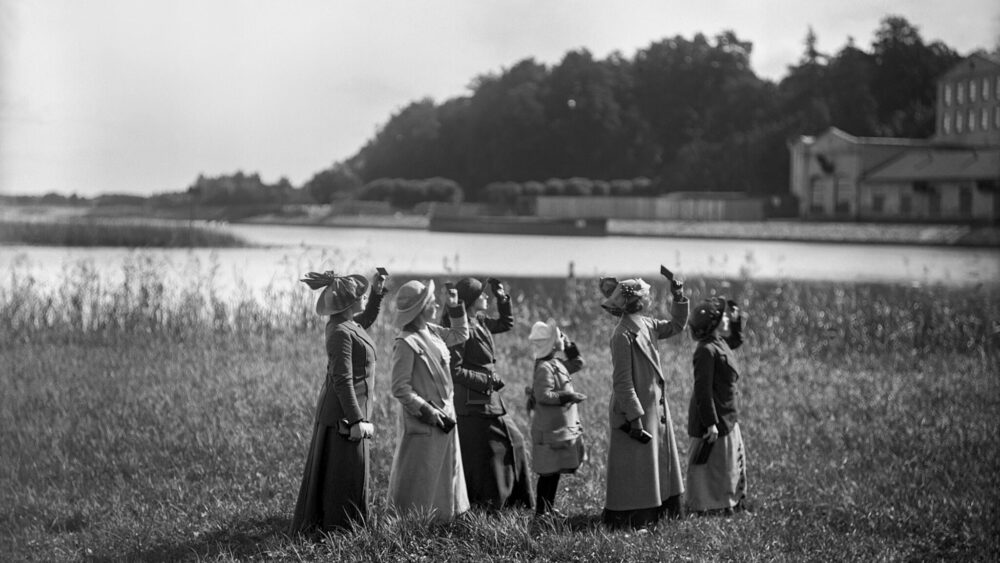
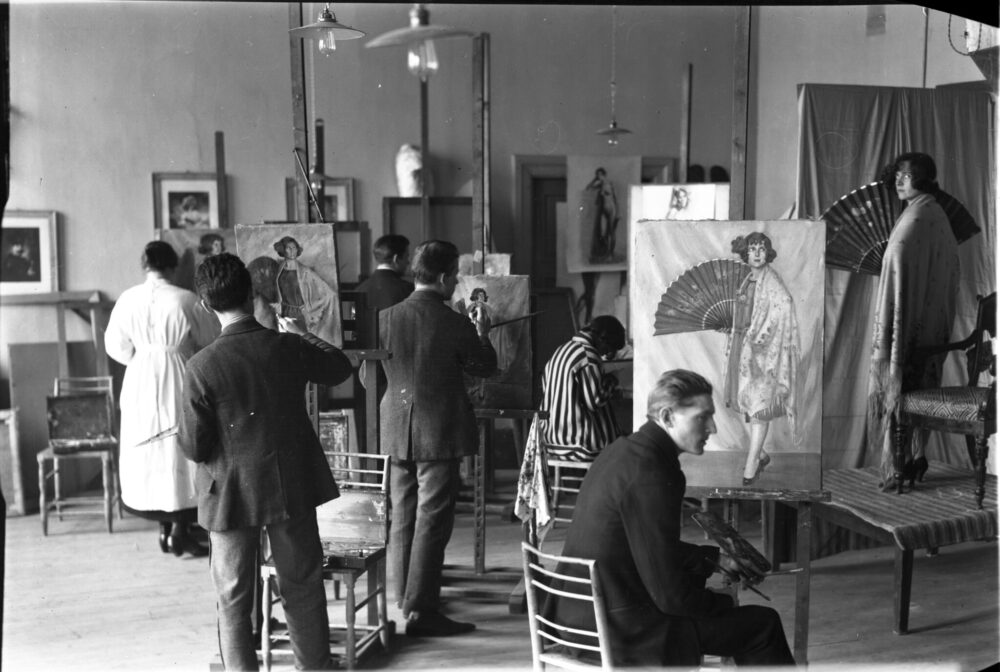
The exhibition will reveal the years of the talented photographer’s Kārlis Lakše’s life spent at the Latvian Academy of Art, studying painting. While also pursuing photography, he richly documented the academy’s environment, students, and artistic processes in the 1920s.
After being expelled and re-enrolling several times, Kārlis Lakše (1892-1949) never managed to graduate from the Latvian Academy of Art. Never giving up his love of painting, he spent the rest of his life in Koknese, realizing his talent in photography. He photographed both commissioned works and for his own pleasure – portraits, architecture, landscapes. The collection of more than three thousand photographs has been acquired by the Latvian Museum of Photography and is gradually being catalogued and researched. The photo museum is now housed in the building of the Latvian Academy of Art. The exhibition will feature Kārlis Lakše’s photographs, paintings and early graphic works. Visitors will also be able to take a look behind the scenes at the creation of the ceiling paintings at the Splendid Palace cinema, where Lakše was present.
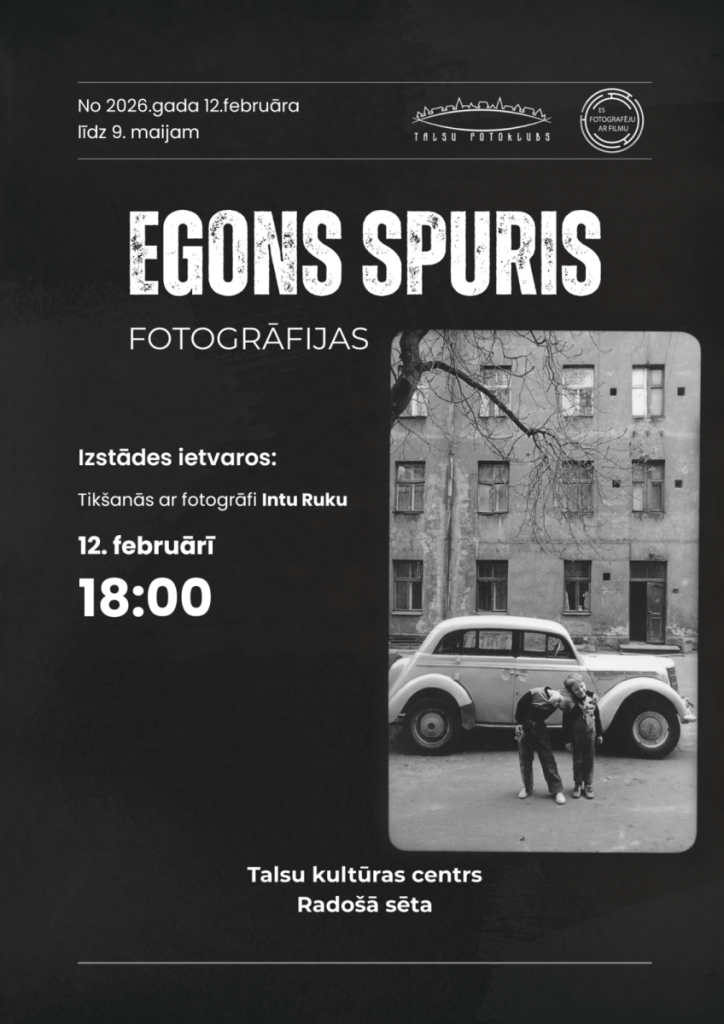
12.02.2026.–09.05.2026., Culture Center in Talsi
Egons Spuris (1931-1990) is one of Latvia’s most outstanding photographers, whose works from the series Riga’s Proletarian Districts at the End of the 19th Century and the Beginning of the 20th Century are included in the Latvian Cultural Canon. This is remarkable because Egons Spuris is the only photographer to be included.
During his lifetime, the photographer’s works were exhibited in more than 350 exhibitions in 48 countries. Today, Egon Spuris’ photographs are gaining increasing significance not only in the context of the art of his time, but also as outstanding examples of 20th-century international visual art. Egons Spuris took up photography in the late 1950s. In 1962, he graduated from the Riga Polytechnic Institute with a degree in radio engineering. That same year, the Riga Photo Club was founded, and Egons Spuris became one of its first members. However, starting in 1975, he devoted all his energy to the development of the Ogre Photo Club, becoming its artistic director.
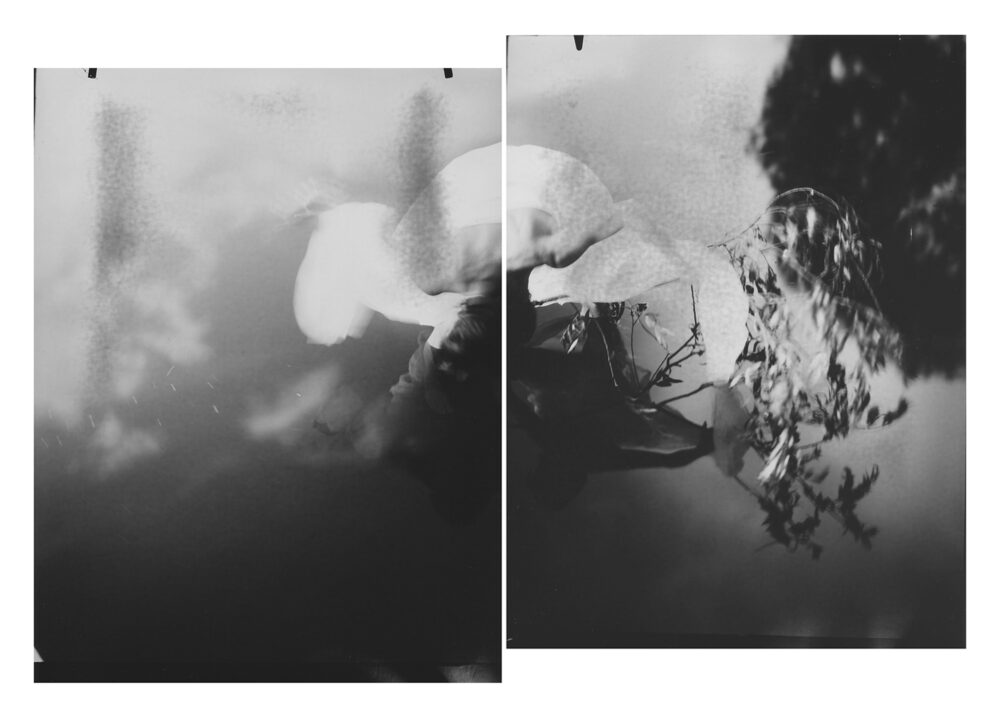
14.03.2026.–18.04.2026., Sabile Art, Culture and Tourism Center.
The exhibition Dzen explores the processes of purification and liberation. It is inspired by ancient spring rituals, in which evil was embodied in an image and driven away to make way for light and restore balance. The title of the exhibition has two meanings – the imperative form “dzen!” as a call to drive away negativity and a reference to the practice of Zen Buddhism, where peace and clarity are sought through silence and repetition. The exhibition focuses on the body and its movement as a ritual activity.
The series of works is based on an ancient spring solstice tradition – “bird chasing” and “bird calling” – which was characteristic of the areas inhabited by the Livonians. In these rituals, large birds symbolized illness and evil spirits, while small birds were attributed with the meaning of light and awakening. With the help of photography and butoh movement, the artist interprets this ritual as a metaphor for inner purification – the desire to get rid of darkness and create a place for a new beginning.