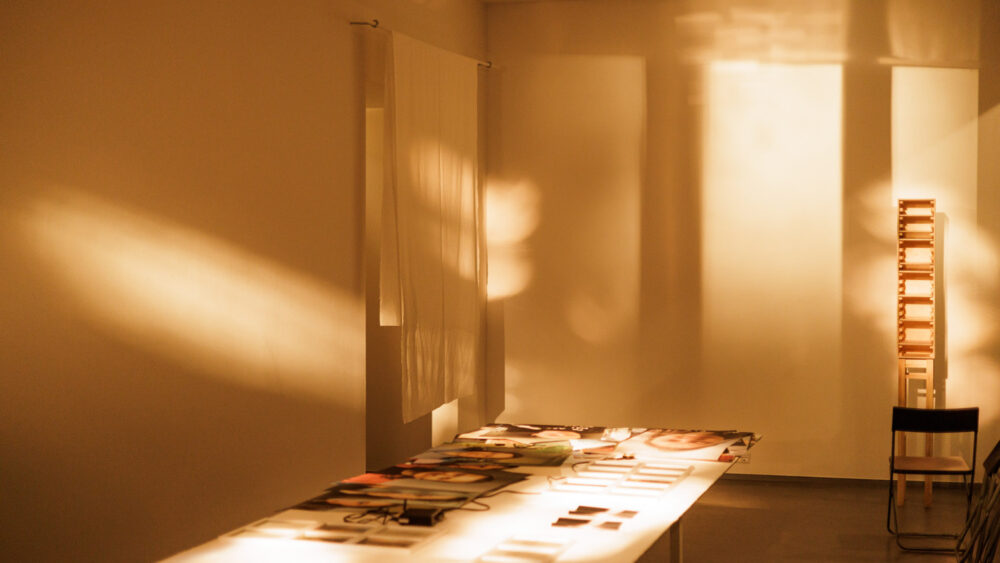
Poverty Bingo
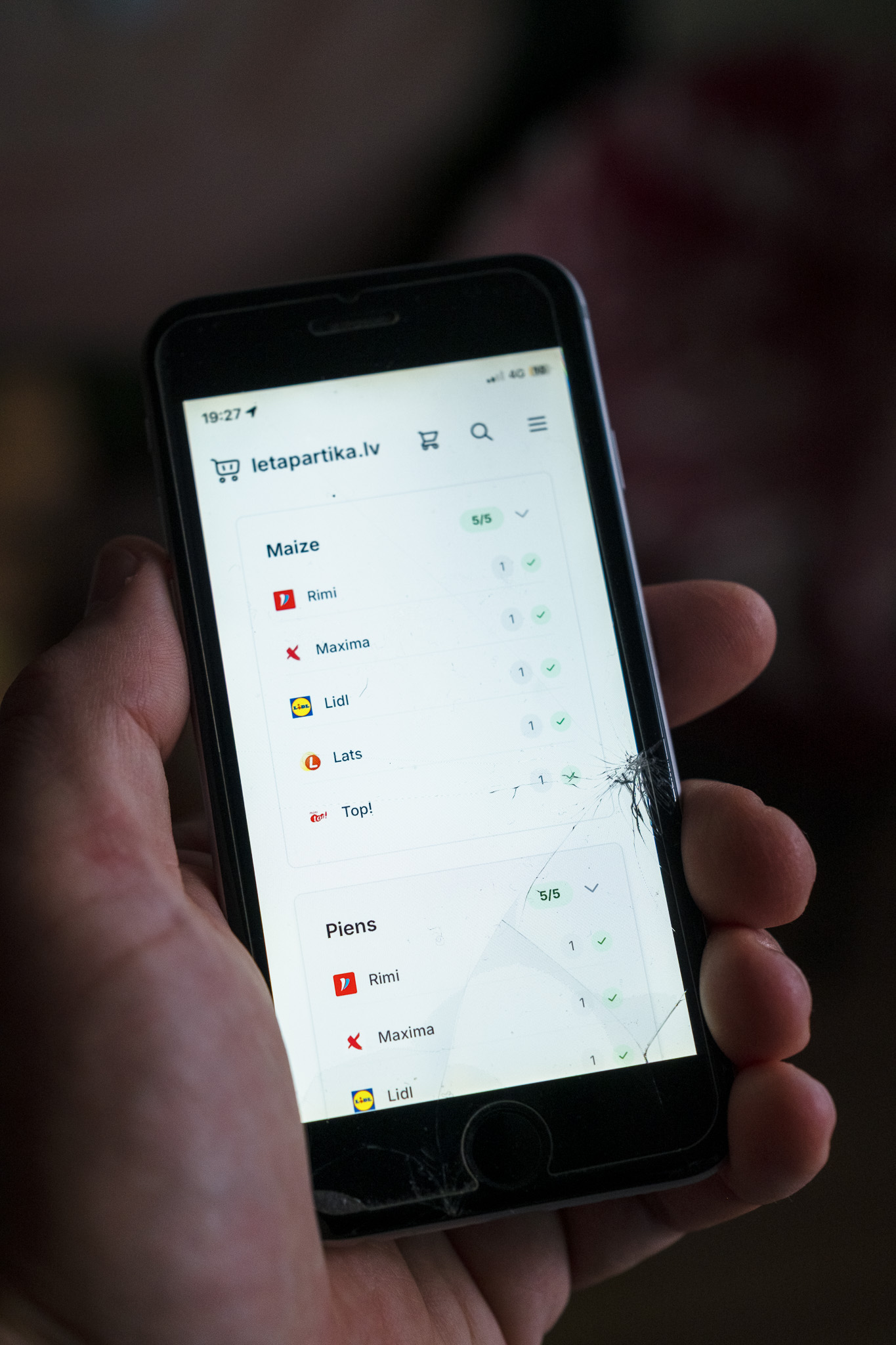
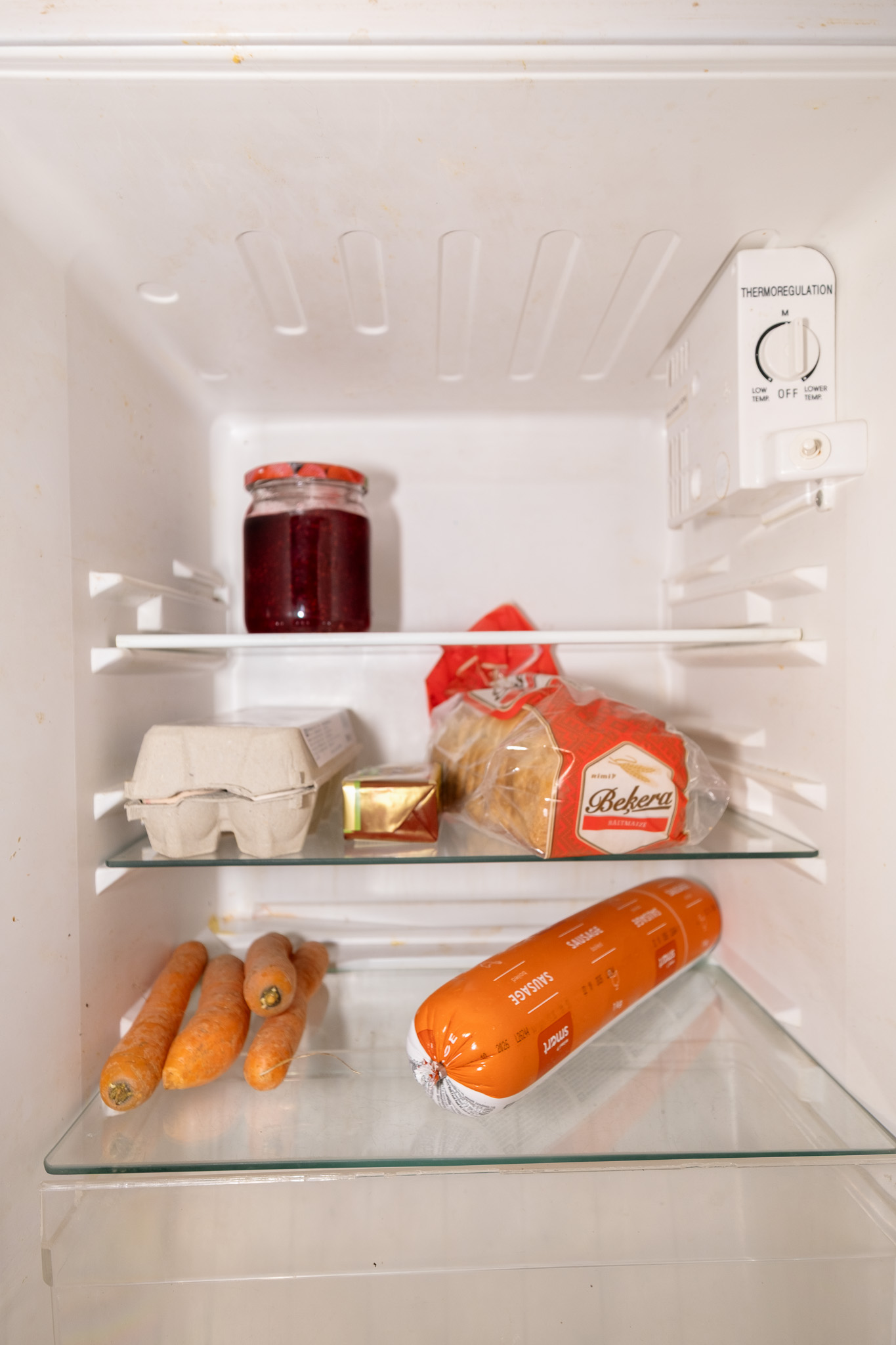
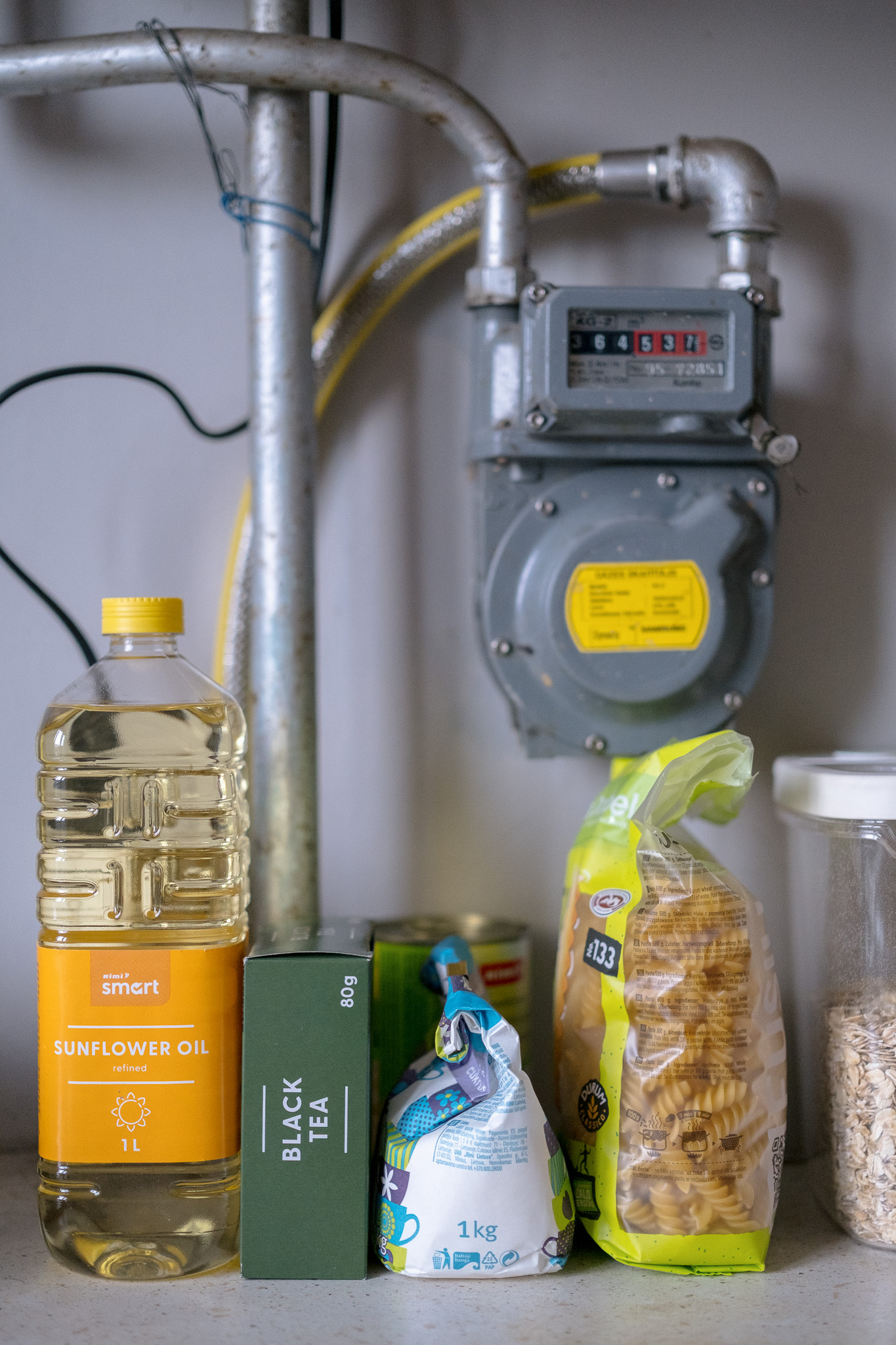
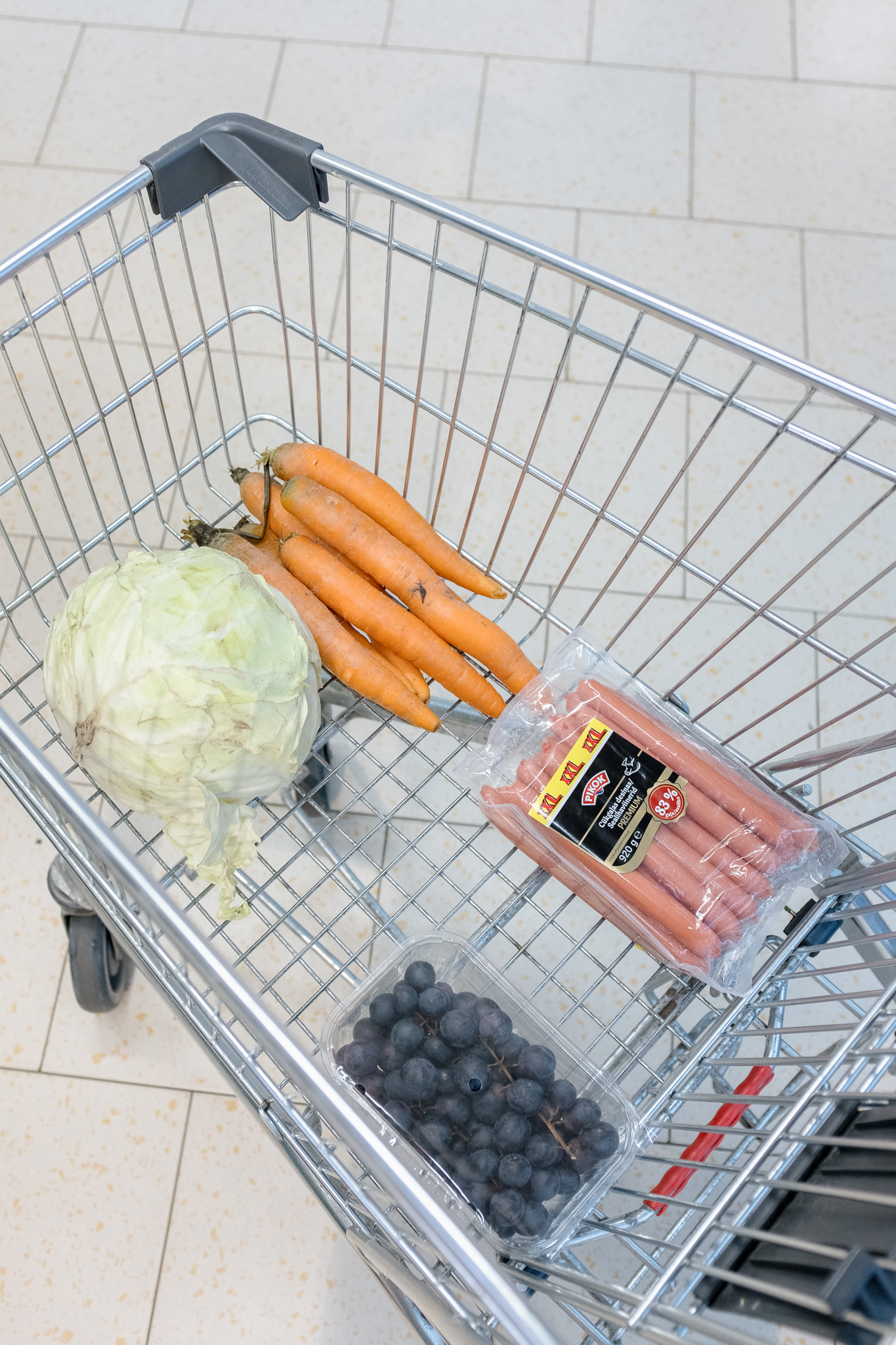
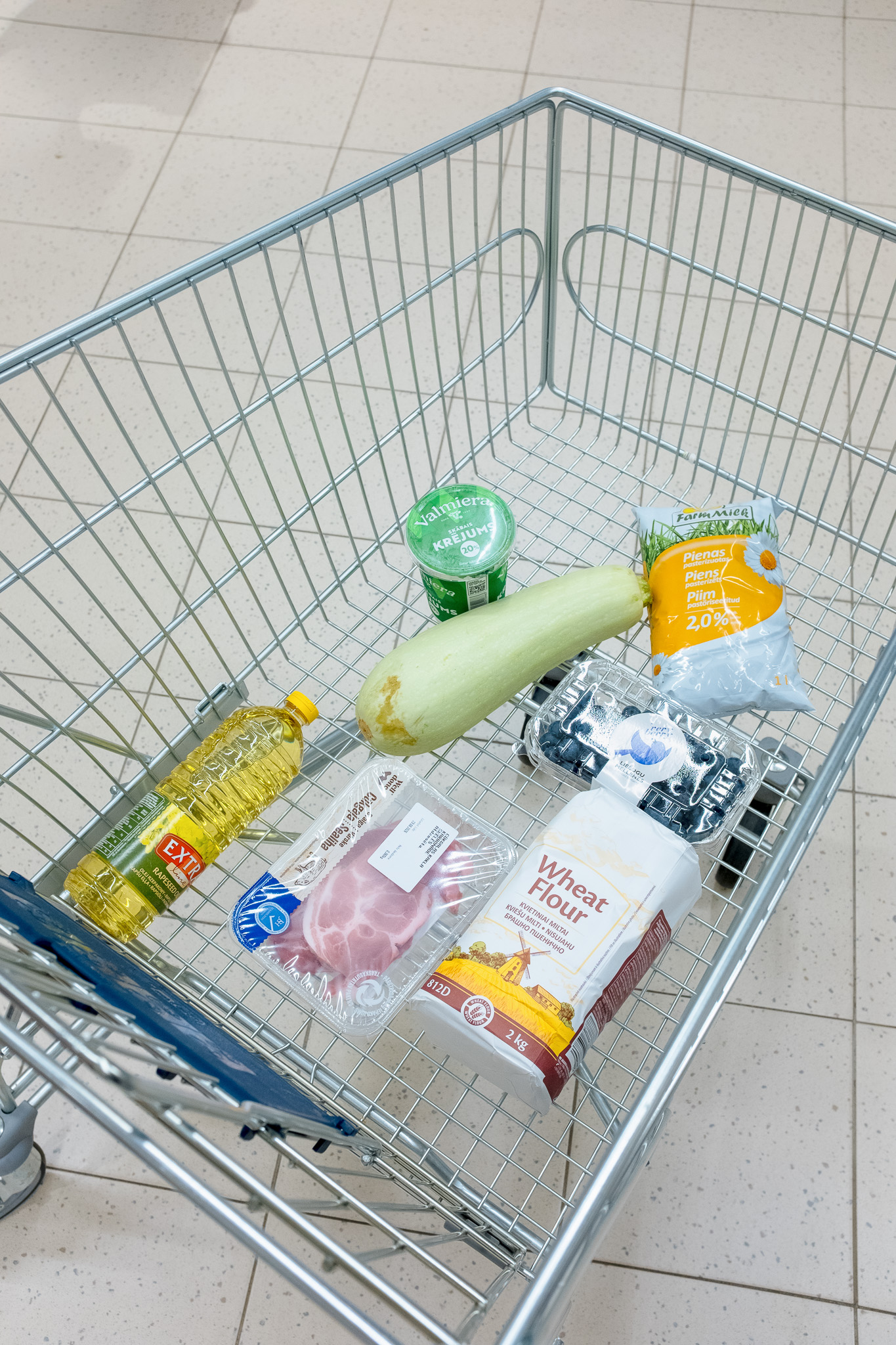
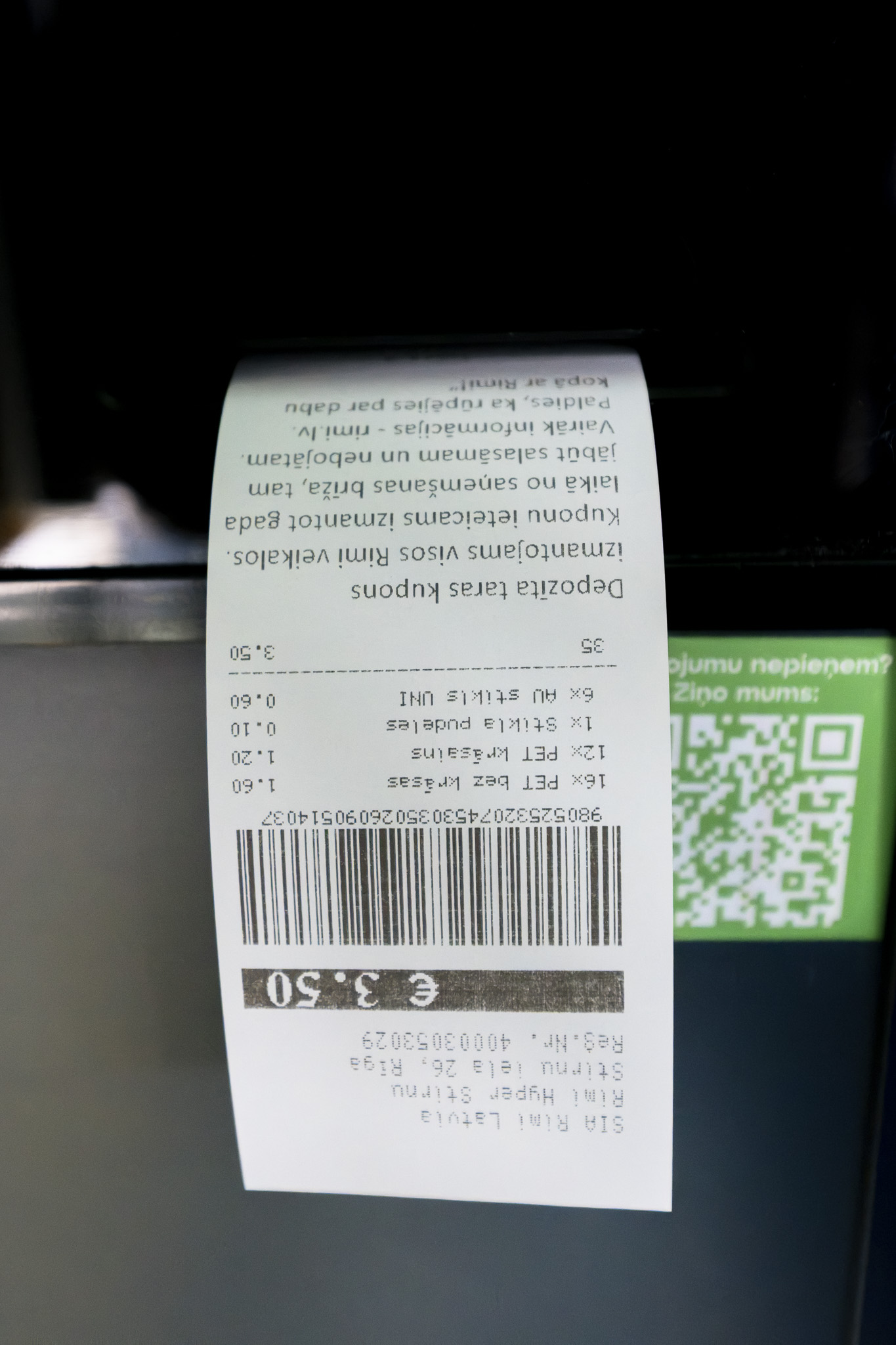
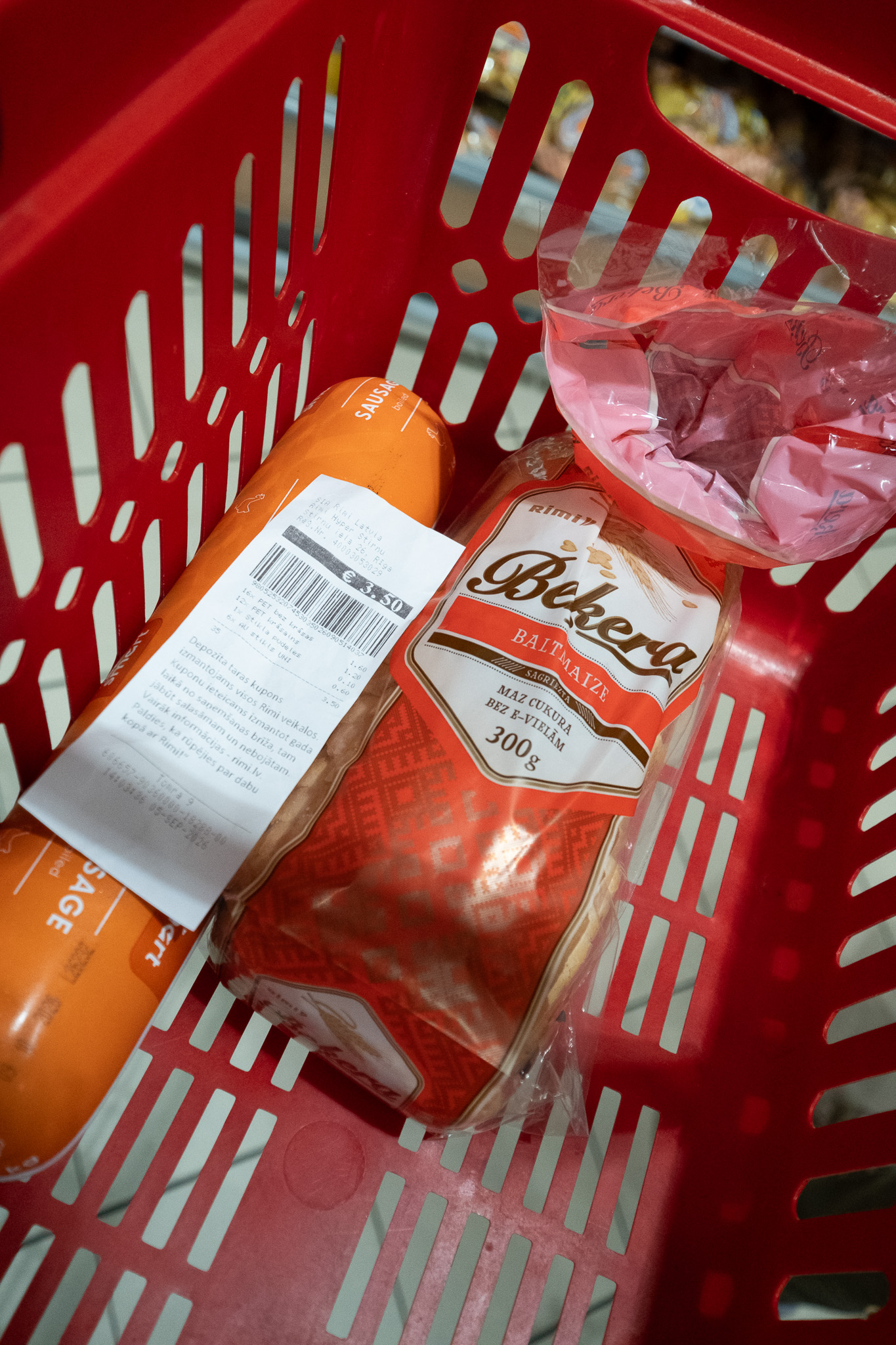
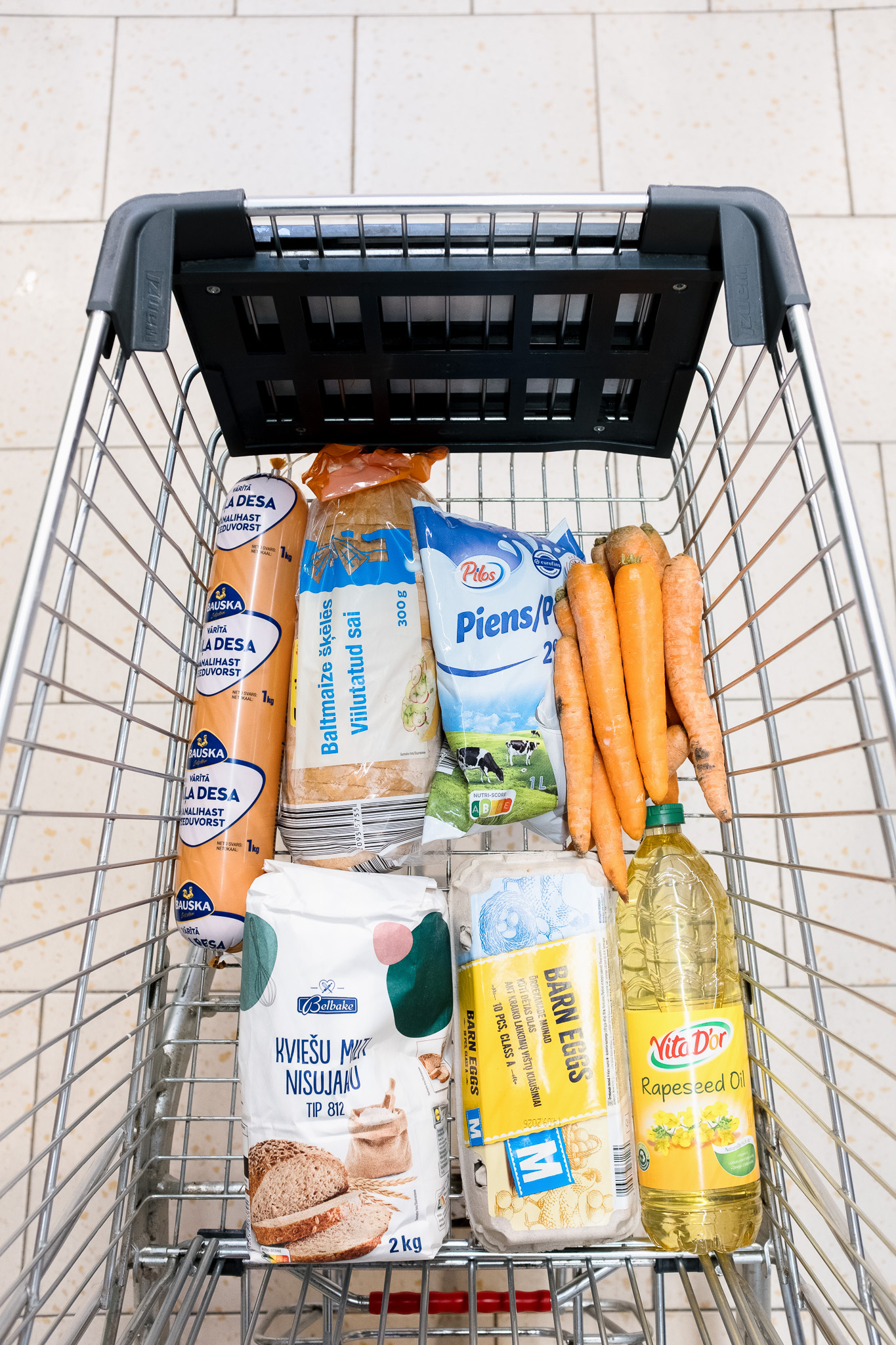
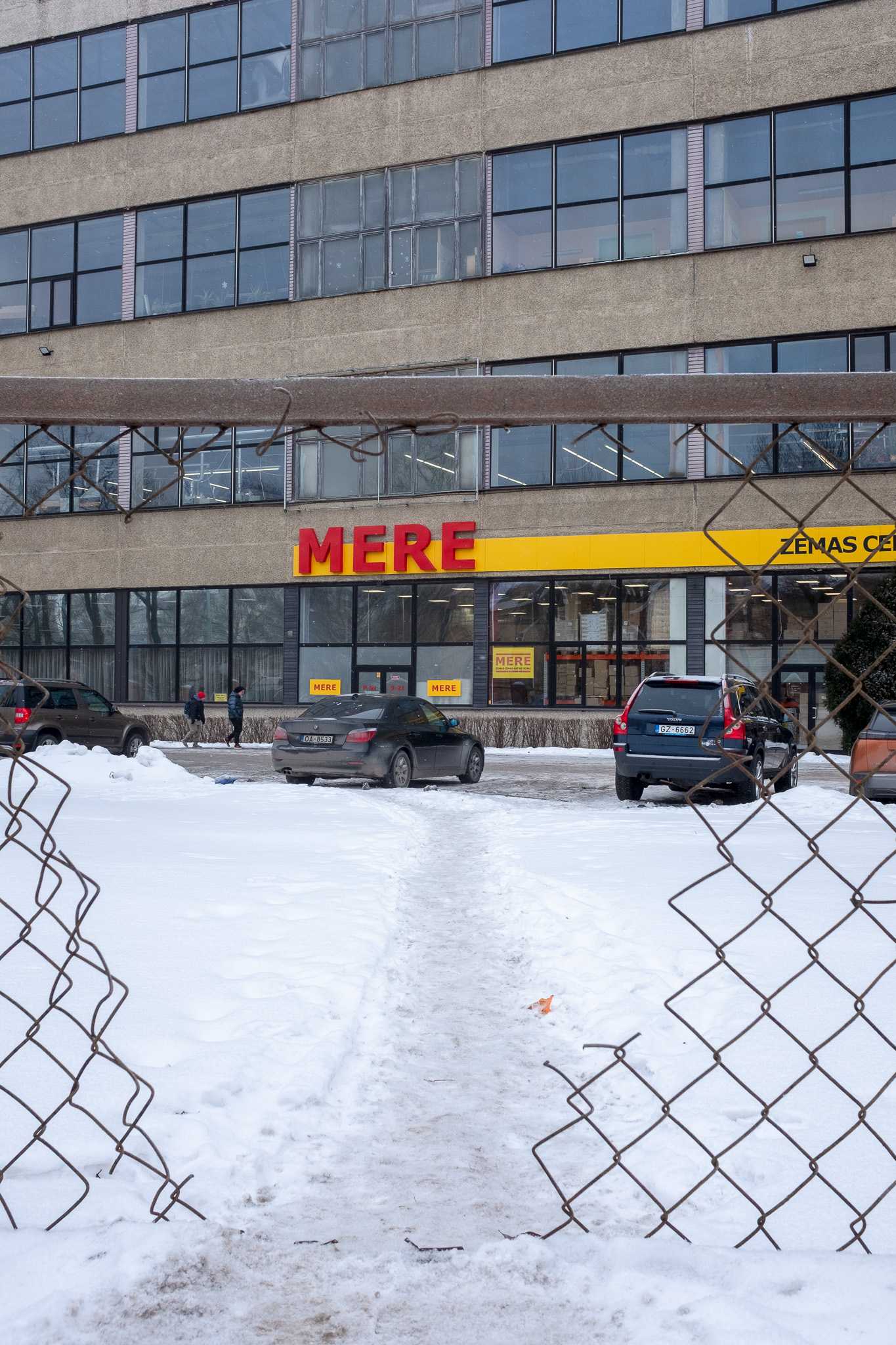
In early 2025, as the cost of living continued to rise, food prices became one of the central issues on the political agenda in Latvia. Following approximately six months of negotiations, Minister of Economics Viktors Valainis and food retailers reached an agreement to introduce the so-called “low-price basket”. A website was launched, allowing consumers to compare the prices of ten product categories across five supermarket chains on a weekly basis.
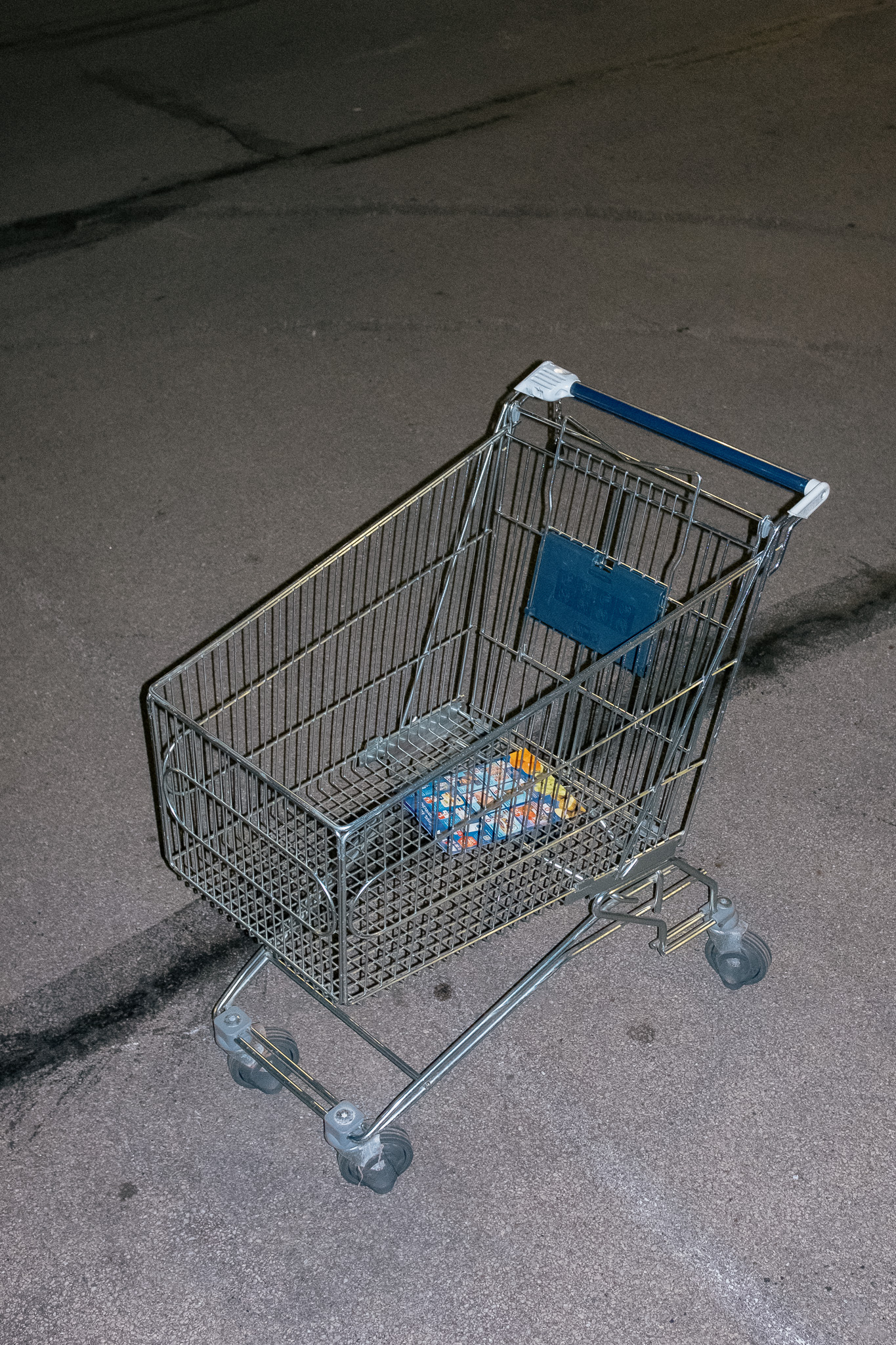
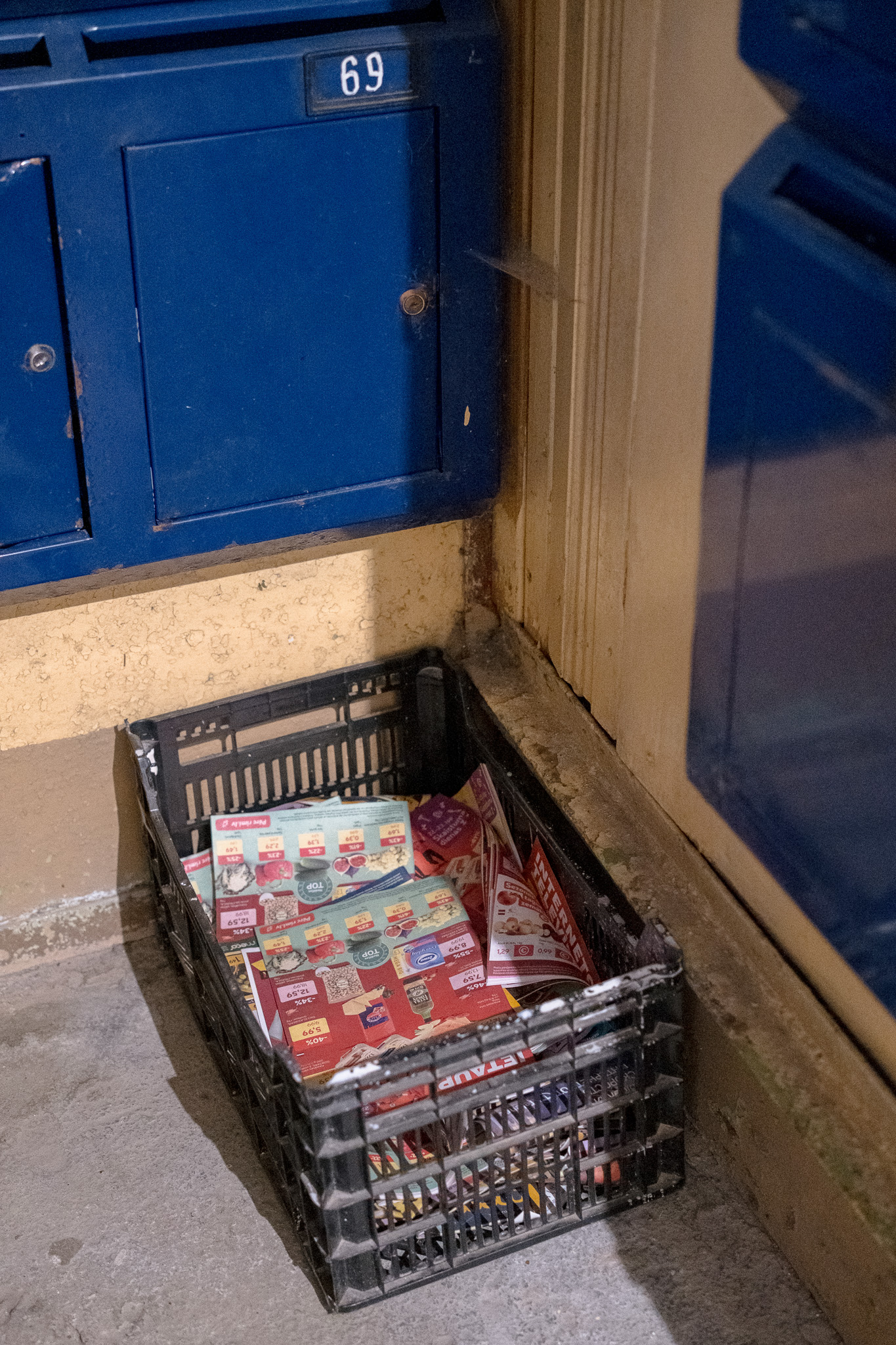
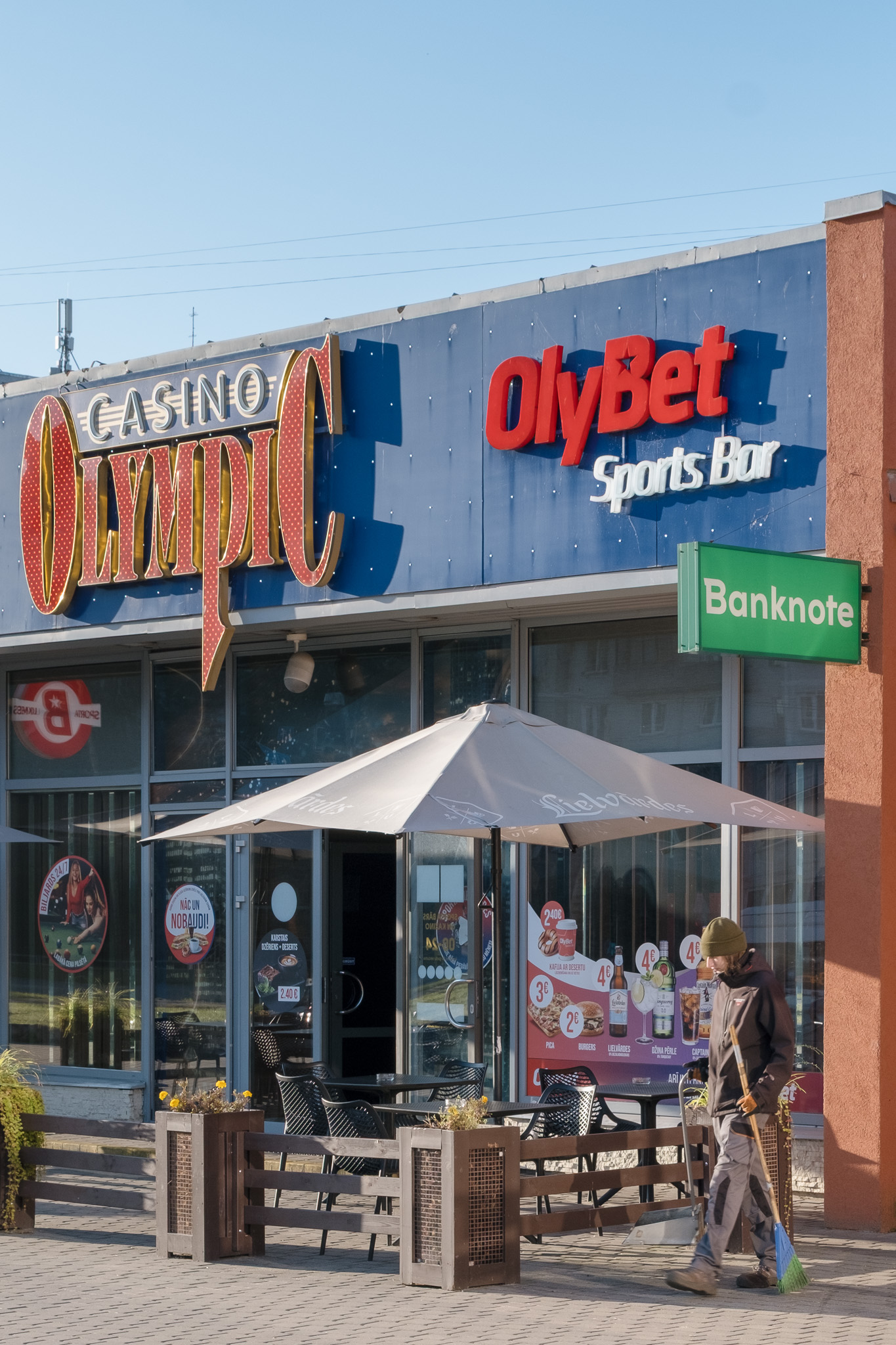
Visually, the low-price basket website evoked associations with a scratch card, offering consumers a weekly opportunity to put together their own basket of groceries. Bread, milk, eggs, potatoes and meat all match – BINGO! We also use this word in everyday language when we feel we have found an easy solution to a problem. But does this quick-fix BINGO solution, presented through the joint efforts of the Minister of Economics and food retailers, actually address poverty in Latvia?
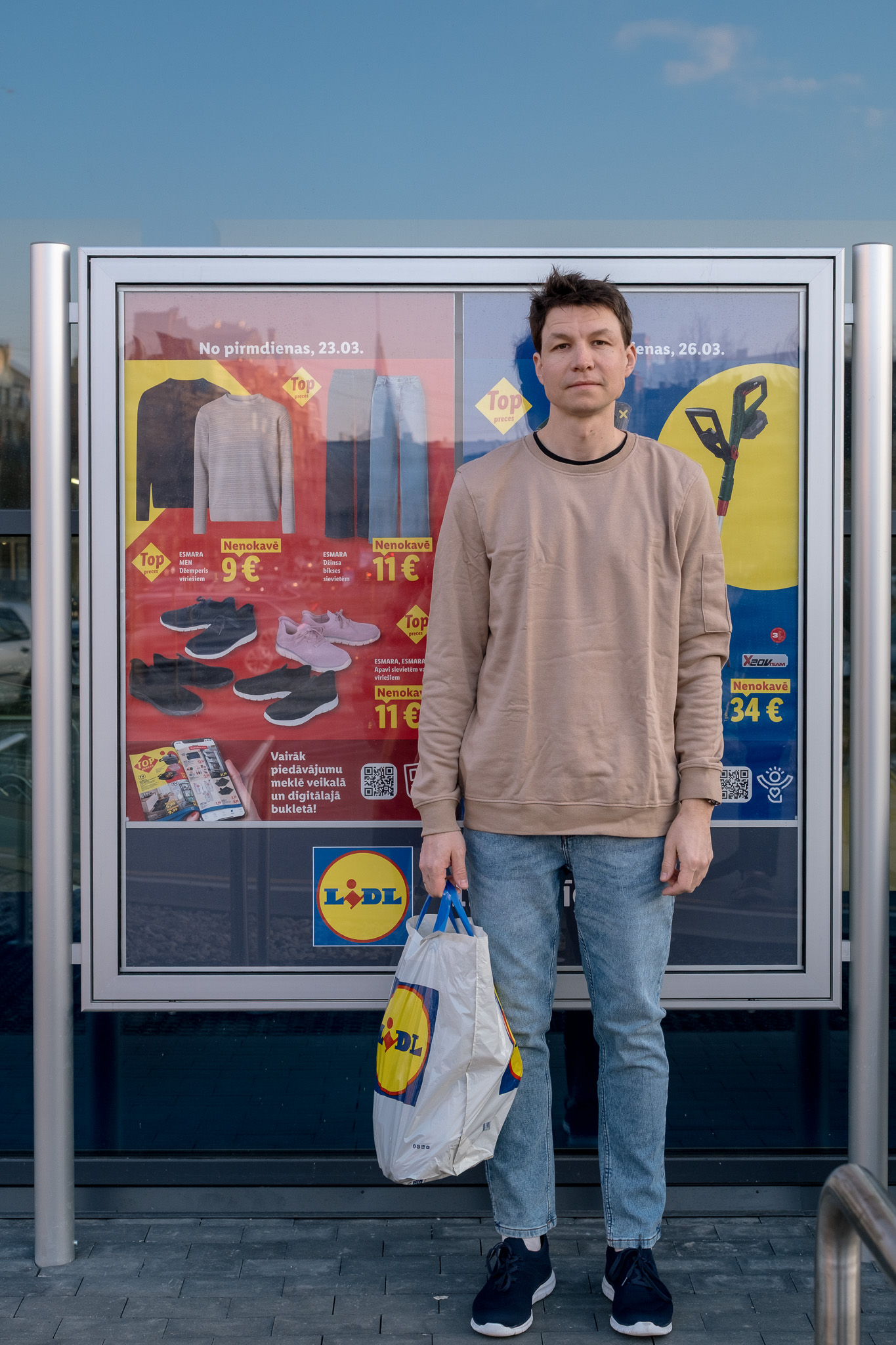
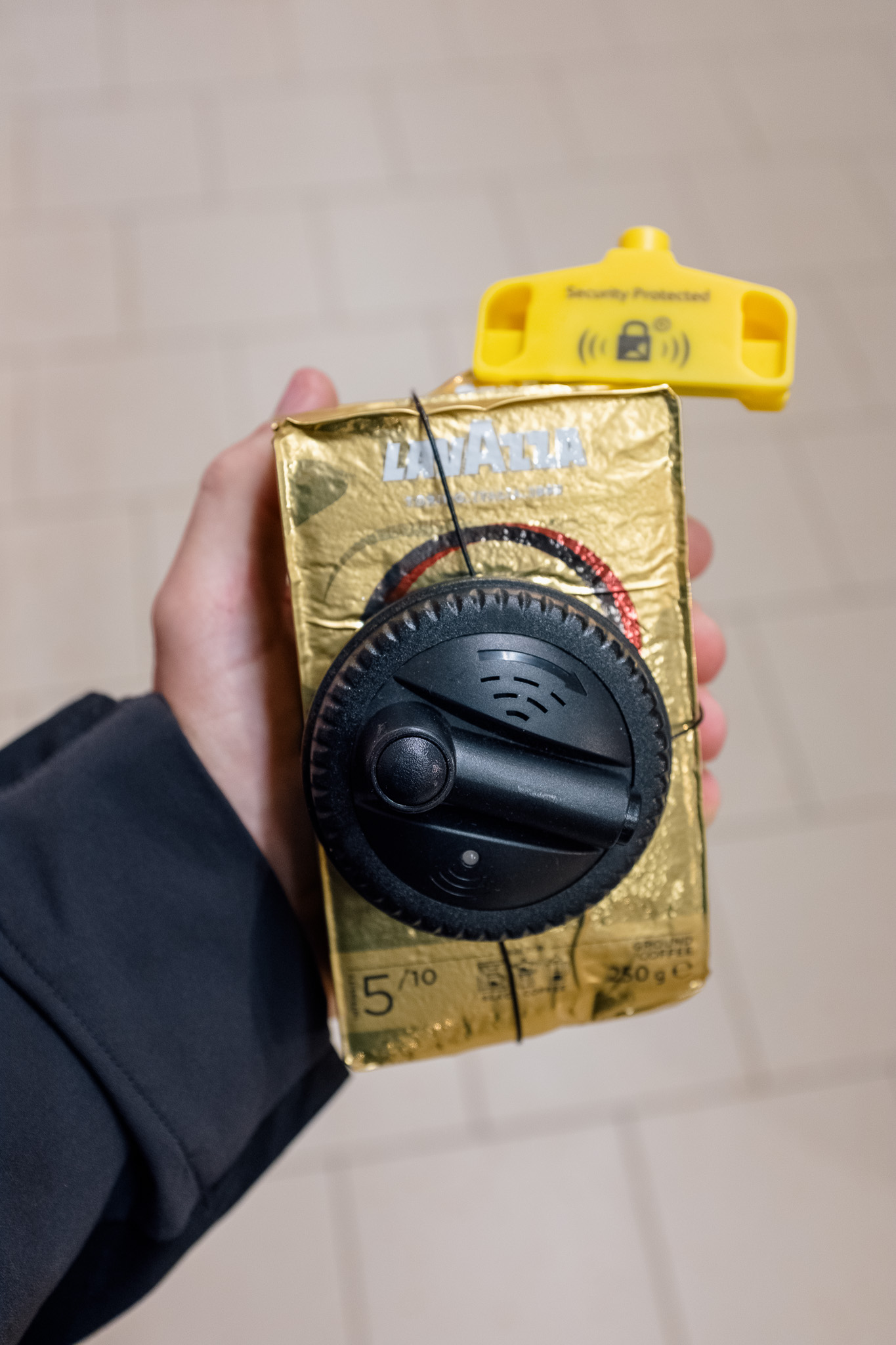
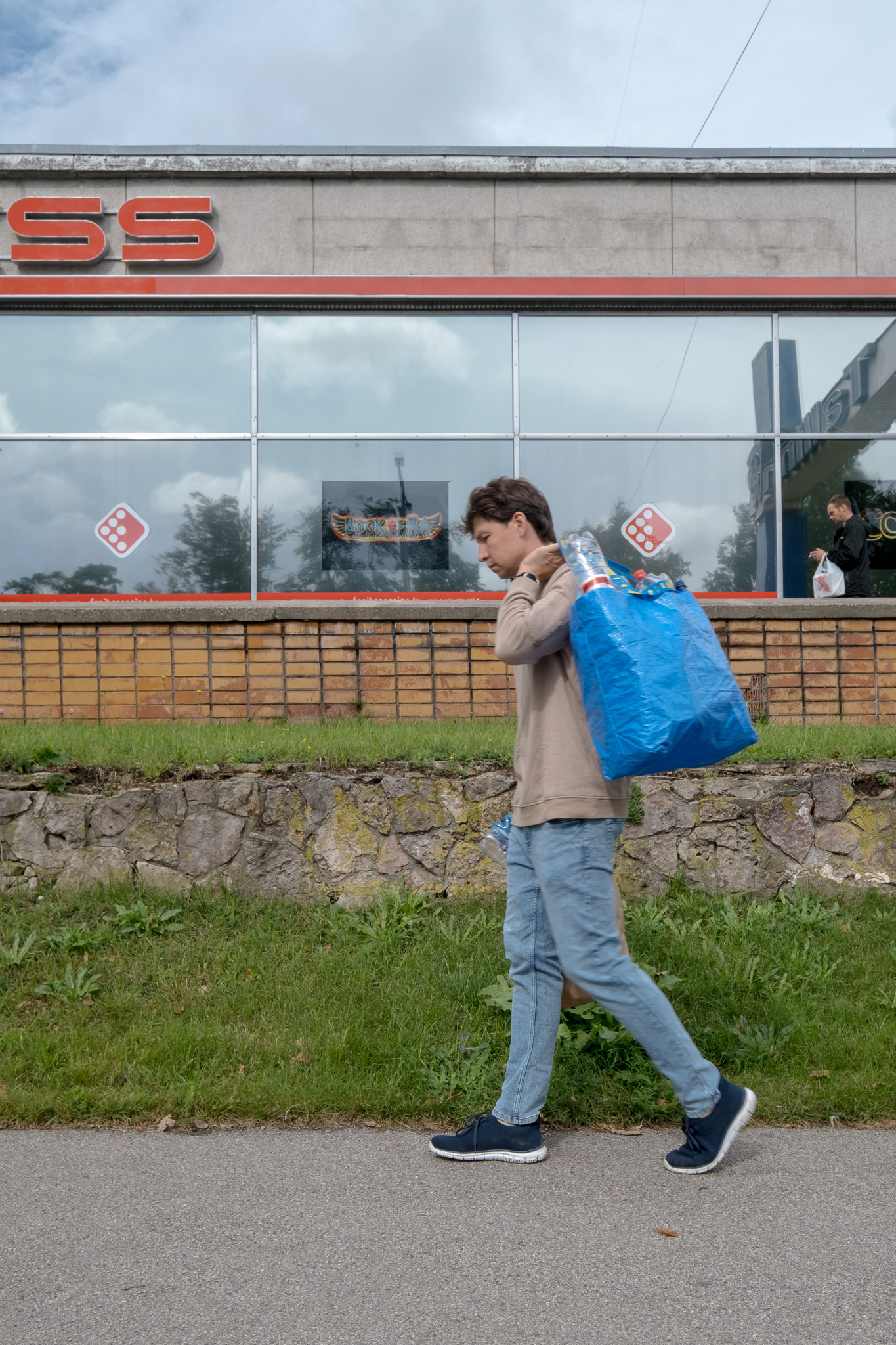
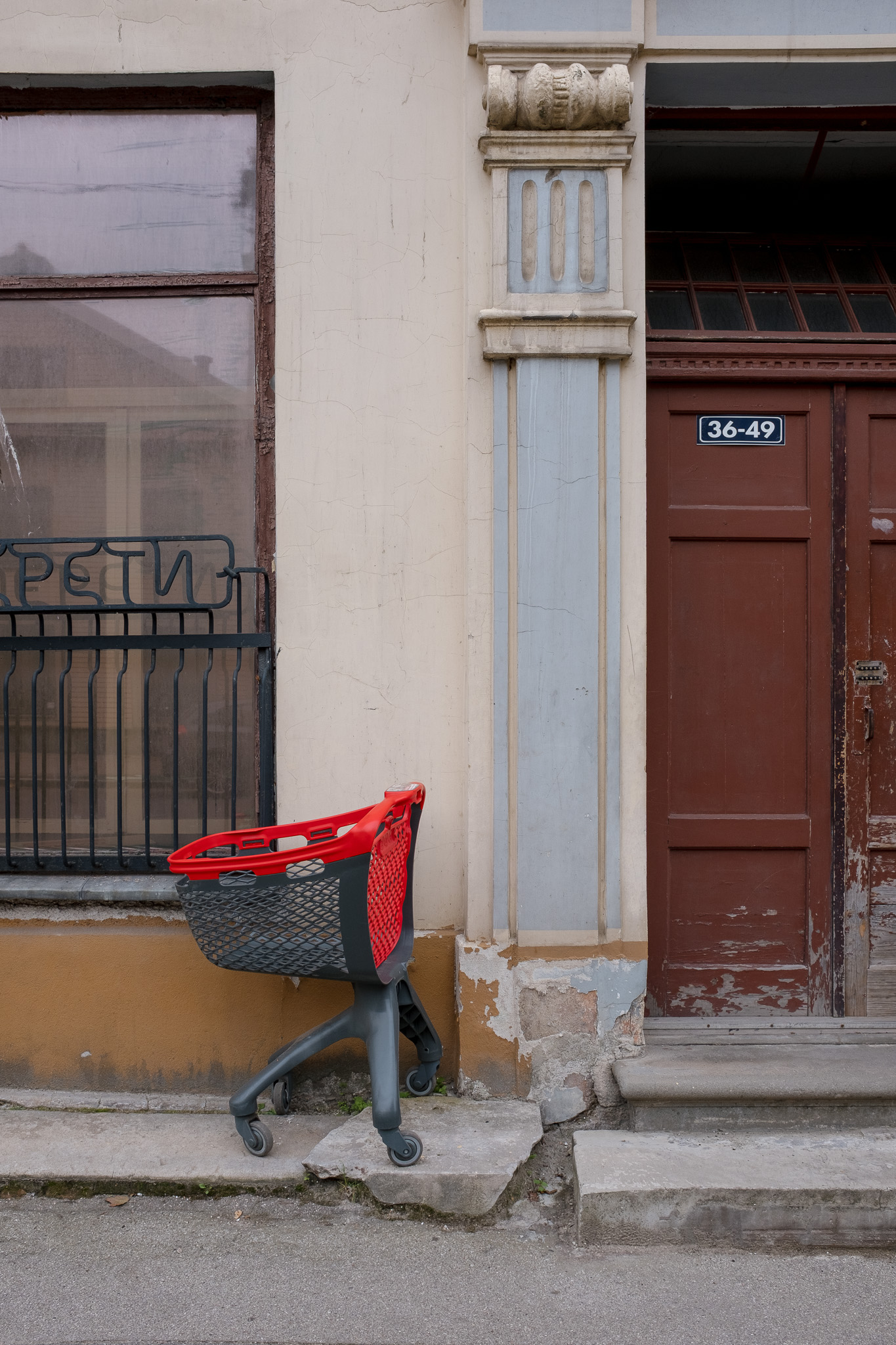
This question, along with the scratch-card association, became the starting point for the photographic story. Observing the process from the sidelines, I began to feel that high food prices were being presented as a seemingly simple political issue with an equally simple solution. A classic populist approach: public hype, loud announcements and the search for someone to blame. Meanwhile, the largest supermarket chains appeared willing to accommodate price regulation and political pressure on the principles of the free market. This led to new marketing strategies and, at times, an absurd competition over which store offered the cheapest buckwheat.
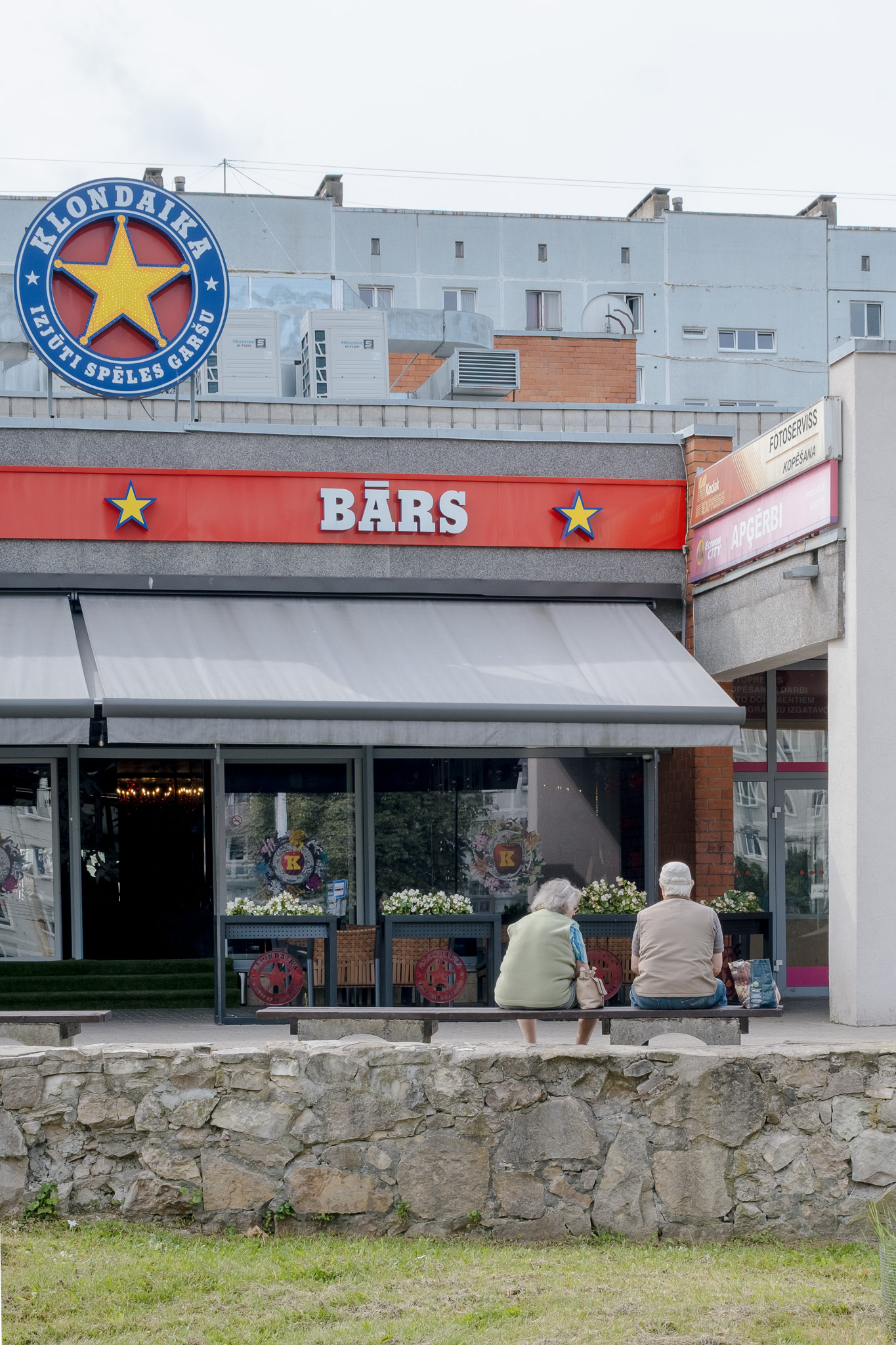
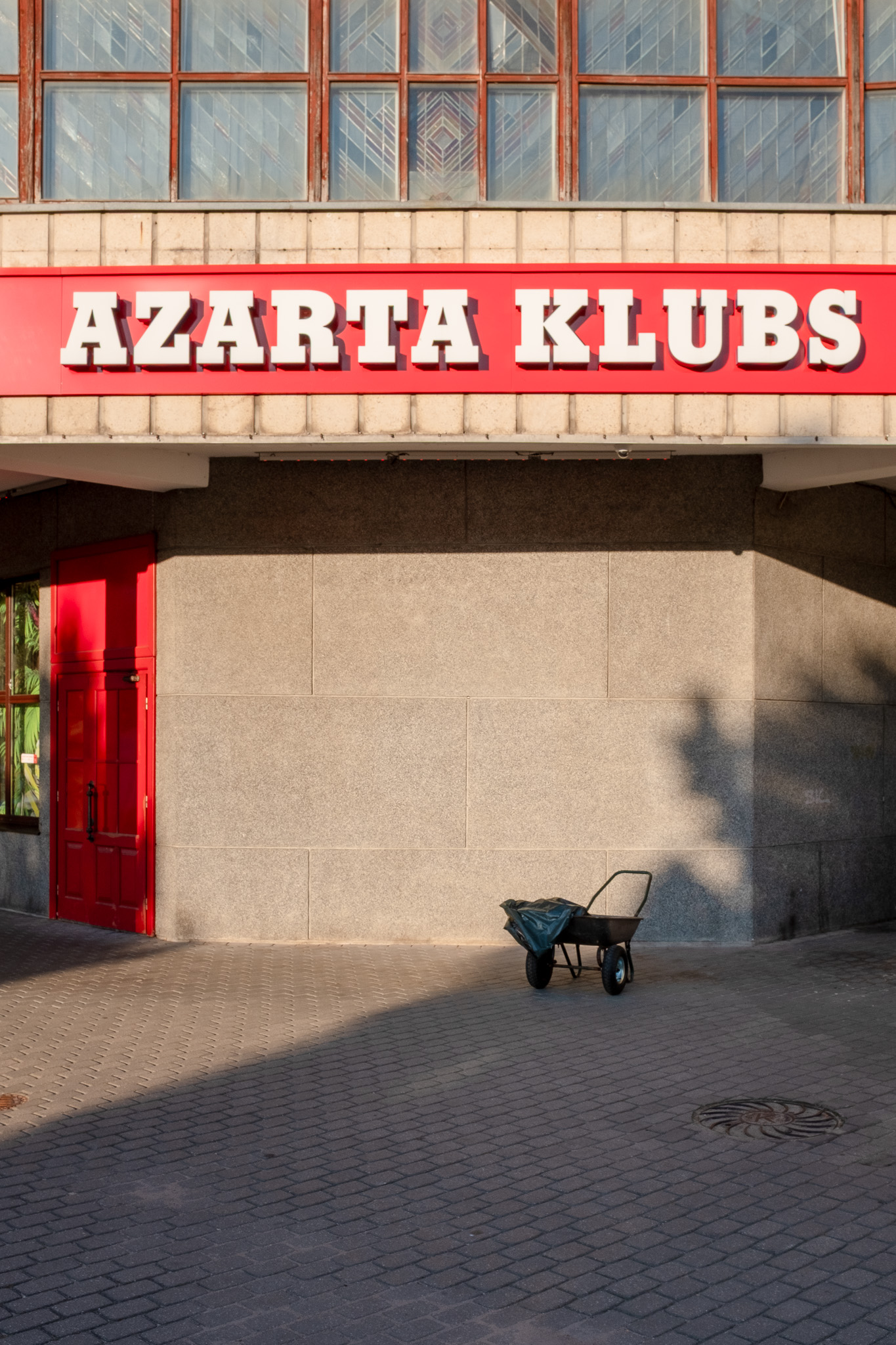
The recurring appearance of food price reductions in news headlines reinforced the impression that a person living in poverty is simply a consumer who needs help finding the cheapest products. Yet poverty needs to be considered in a much broader context, taking into account a range of interconnected factors, including the tax system, housing affordability, healthcare, social security and education. These are highly complex issues with no immediate solutions. They require several years of consistent work and the political courage to make unpopular decisions.
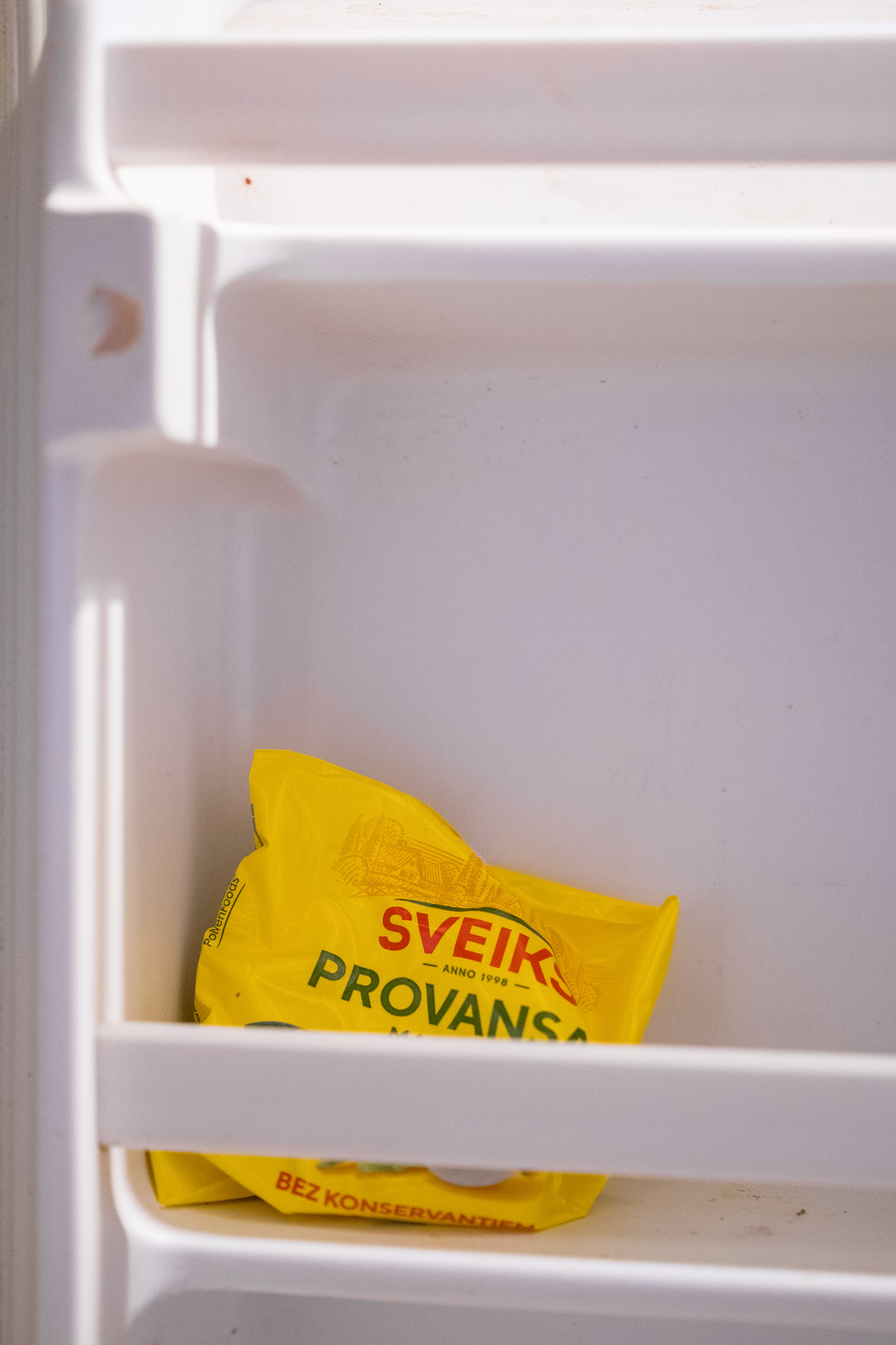
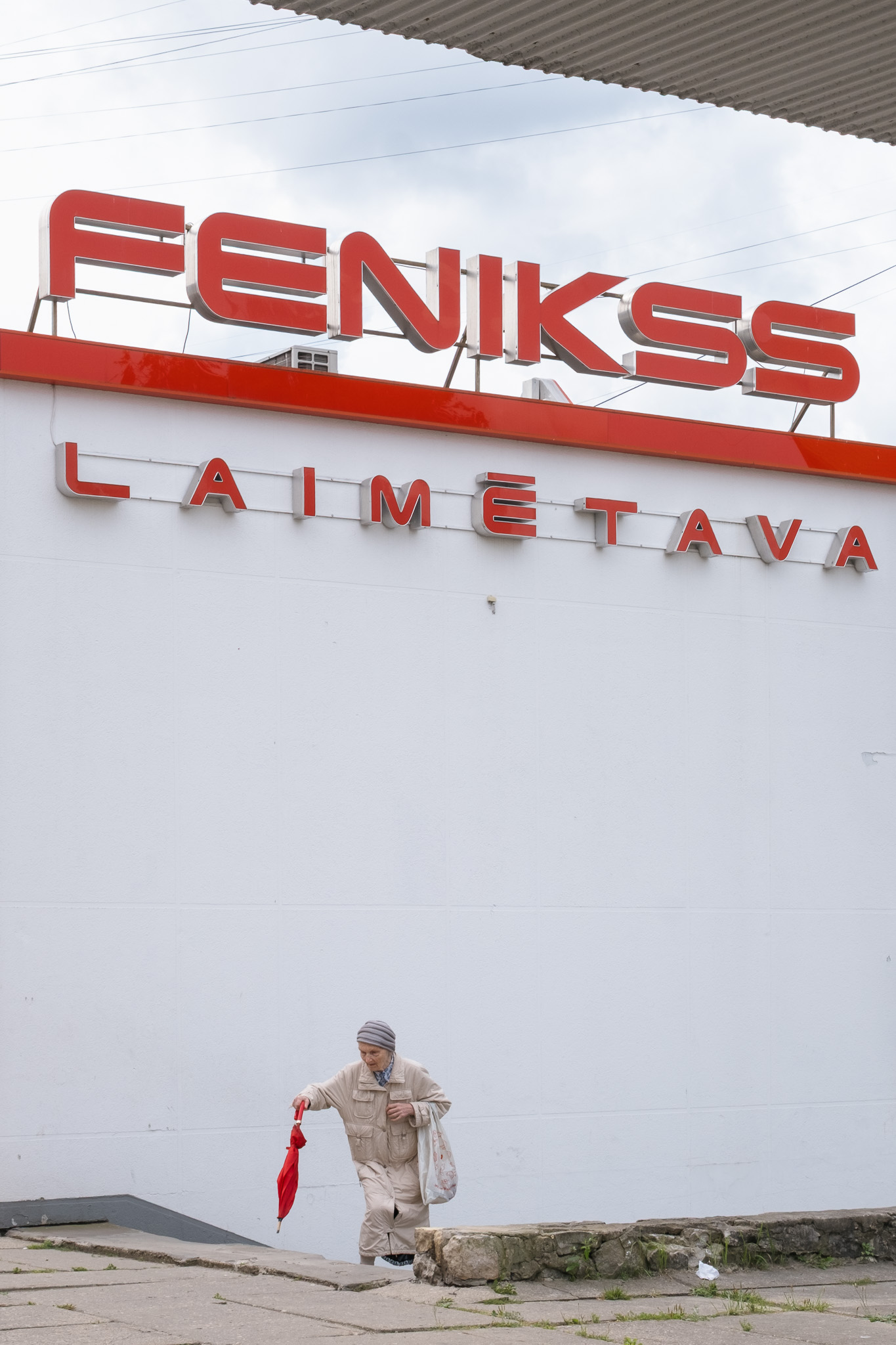
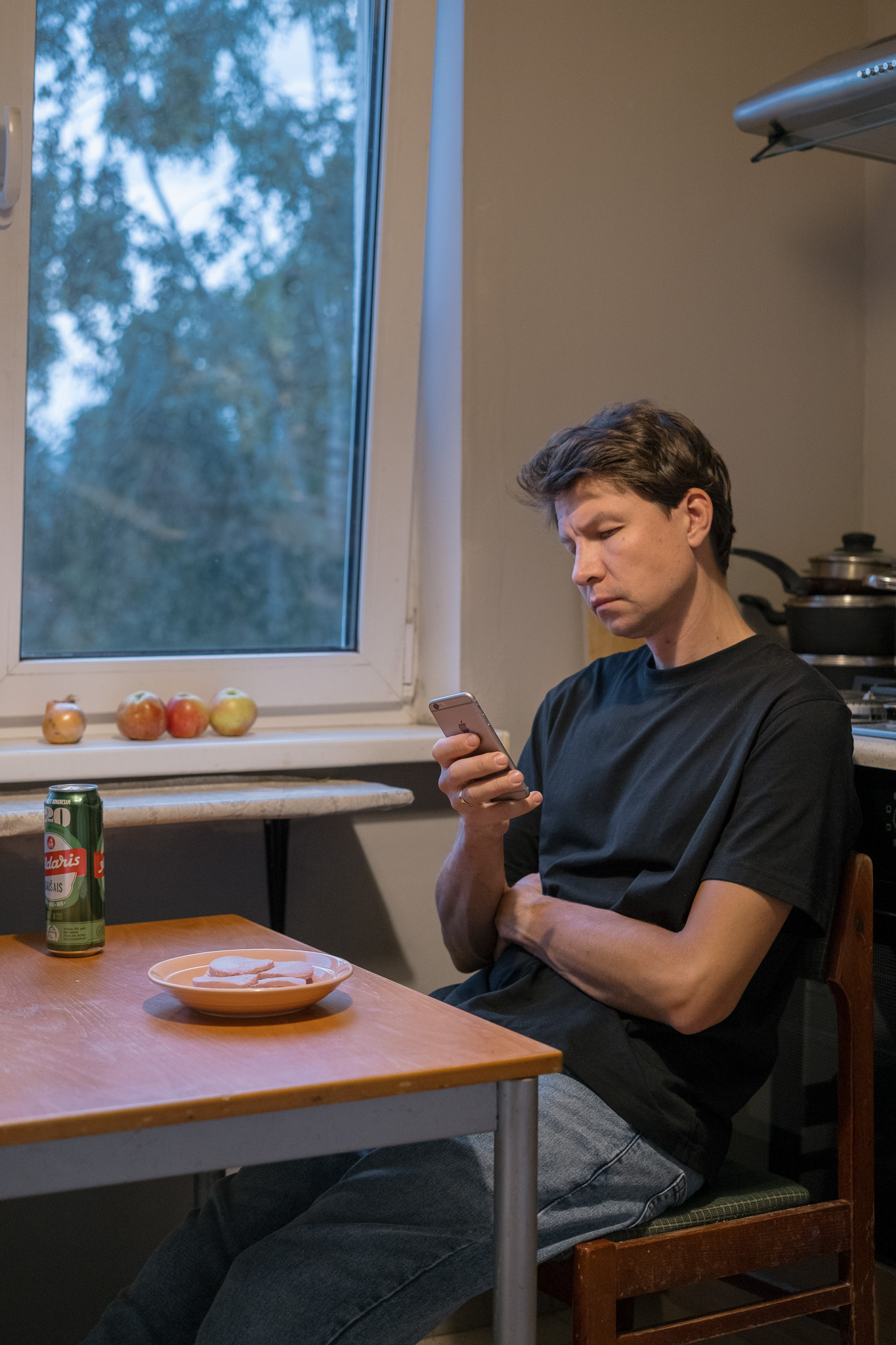
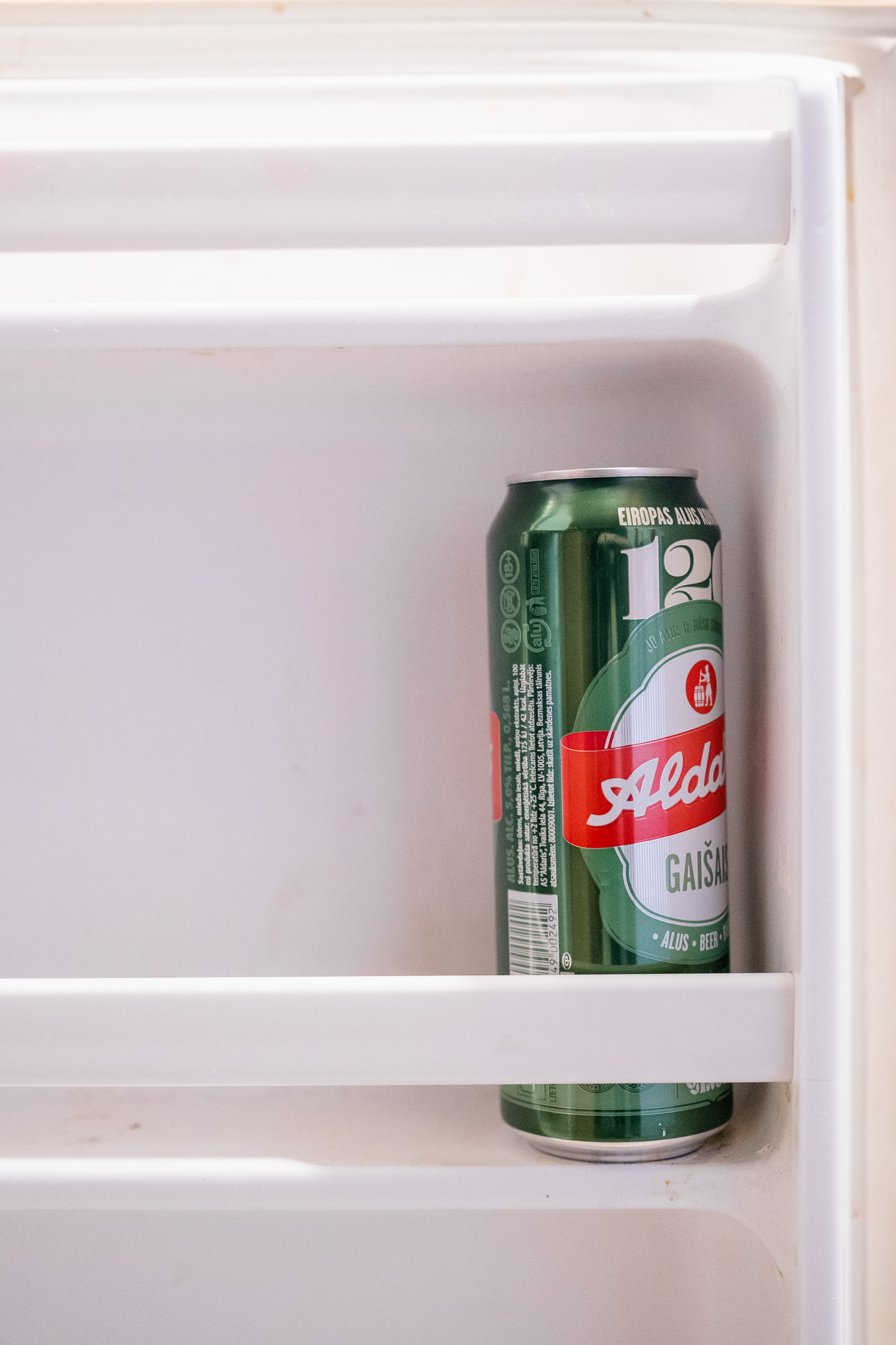
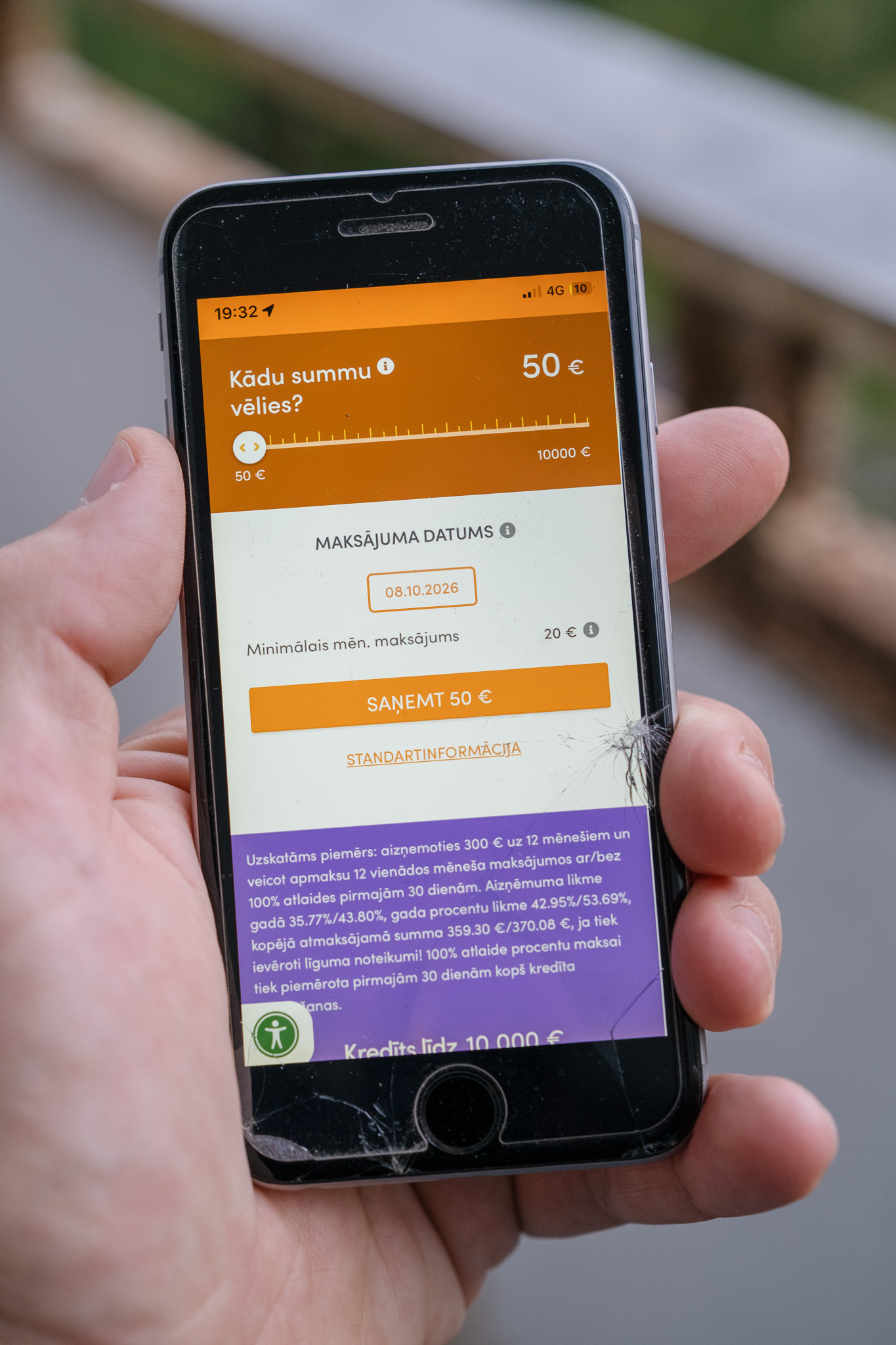
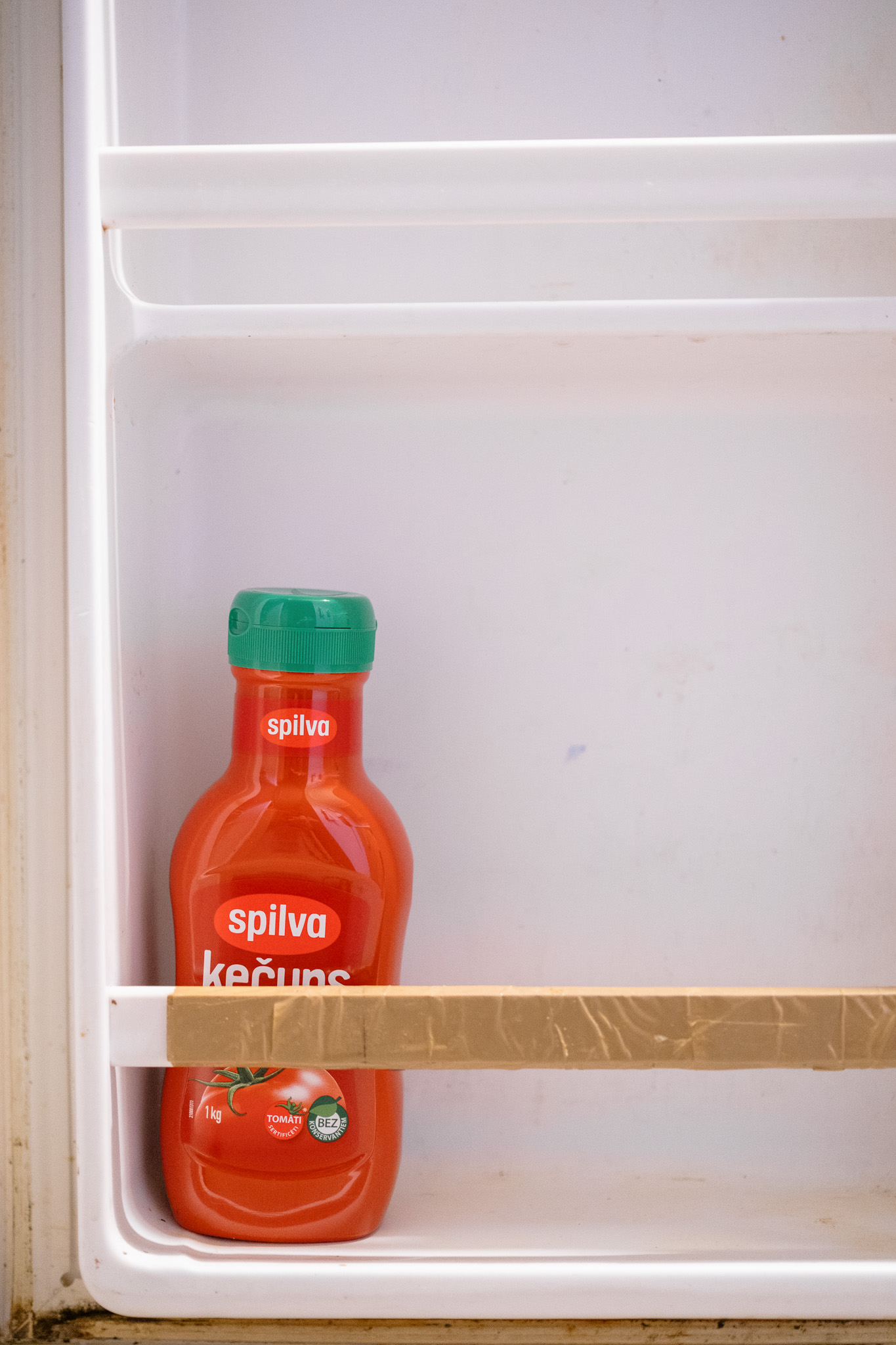
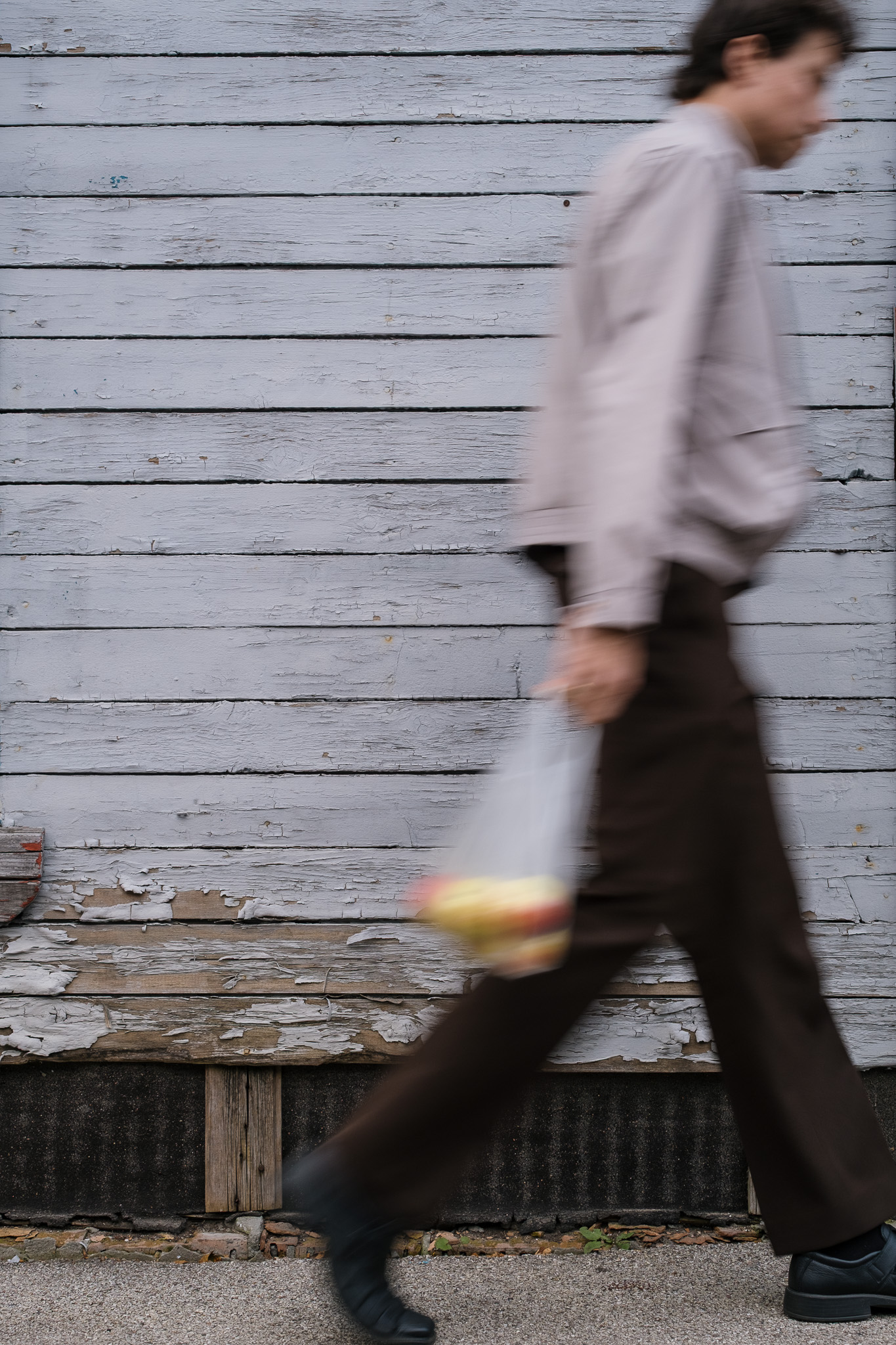
At the same time, financial insecurity can make certain groups in society more susceptible to populist promises or, conversely, significantly alienate them from wider political processes. To some extent, this was also reflected in the results of the 15th Saeima elections and voter turnout figures. Poverty rates in Latvia have barely improved over the past twenty years. As many as 22% of the population are at risk of poverty – one in five people in Latvia. Reading articles on the subject, I increasingly got the impression that some people have come to accept poverty as an integral part of their lives and adapted to it. One woman, who can afford to spend just five euros a week on food, admitted that sometimes she craves something tasty, and on those occasions she buys herself some apples.
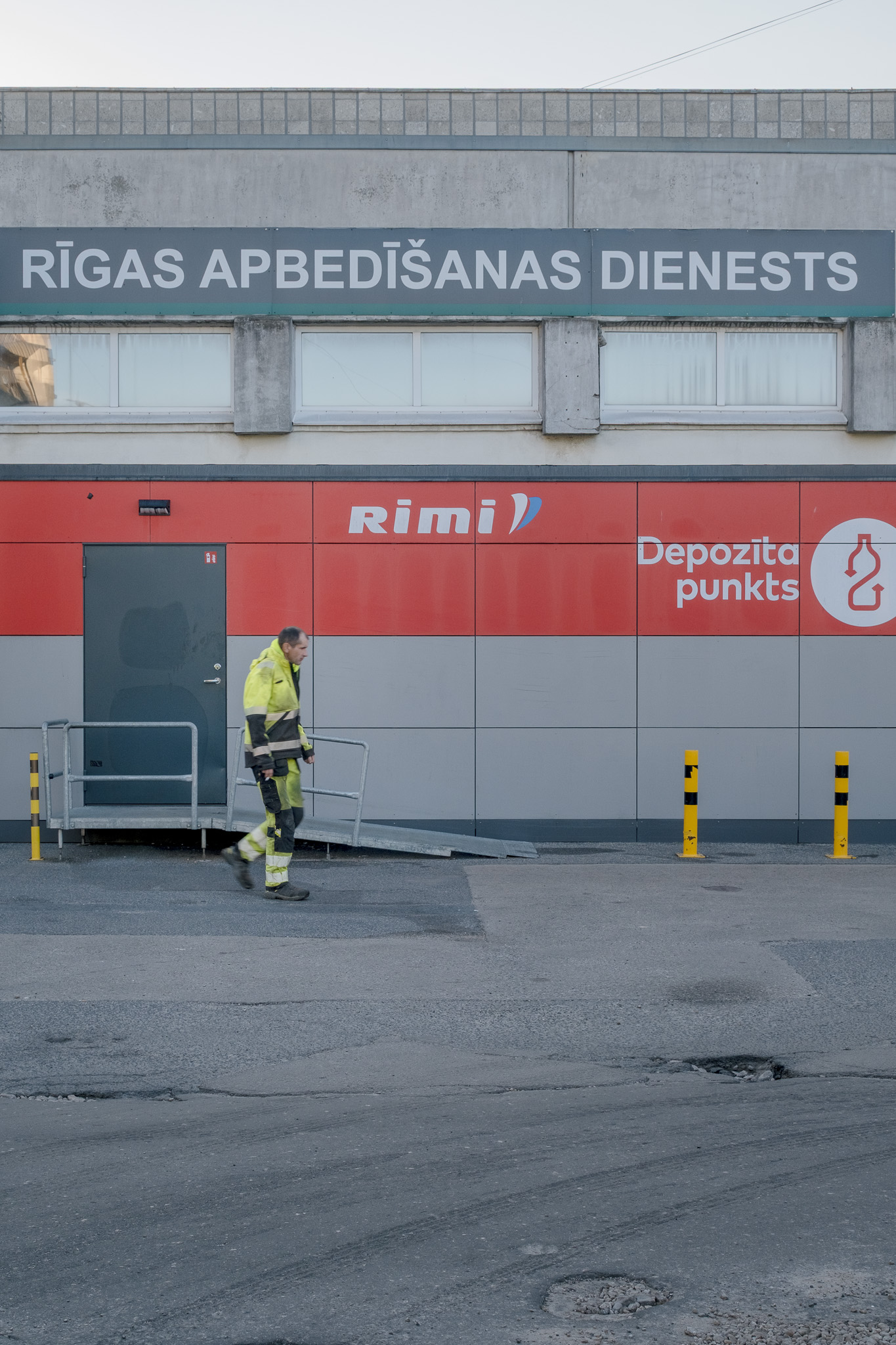
Lower food prices certainly make everyday life easier for some people, but they are not a long-term solution. In spring 2025, Bank of Latvia Governor Mārtiņš Kazāks acknowledged that competition in Latvia’s food retail sector was weak. Less than a year later, the Competition Council identified indications of prohibited agreements between the supermarket chains Rimi and Maxima. Together, they control around 50% of the retail grocery market, each generating approximately one billion euros in annual turnover and earning around 30–40 million euros in annual profits.
While working on this story, I repeatedly realised how sensitive an issue poverty is and how differently it is experienced and perceived by individuals. There are many assumptions and stereotypes surrounding the subject, and they can be misleading. Personal changes in my own life, particularly those related to a career transition, sometimes served as an uncomfortable reminder of just how fragile the sense of financial security and predictability can be. This made me question quick fixes and seemingly ready-made solutions even more.




Dāvis Drēziņš is a photographer. He holds a Bachelor’s degree in Political Science from Rīga Stradiņš University (2011) and a Master’s degree in Political Science from the University of Latvia (2013). He graduated from the two-year Contemporary Photography programme at ISSP School (2026) and is currently pursuing a Master’s degree in Movement. Image. Sound. at the Art Academy of Latvia. He has participated in group exhibitions in Latvia and Lithuania. His work explores sociopolitical issues, the interaction between people and their environment, as well as everyday observations that reflect the times we live in. This photographic series was created as part of the FK Photostory programme.