All Quiet on the Eastern Border. Interview with the exhibition’s curator and artists
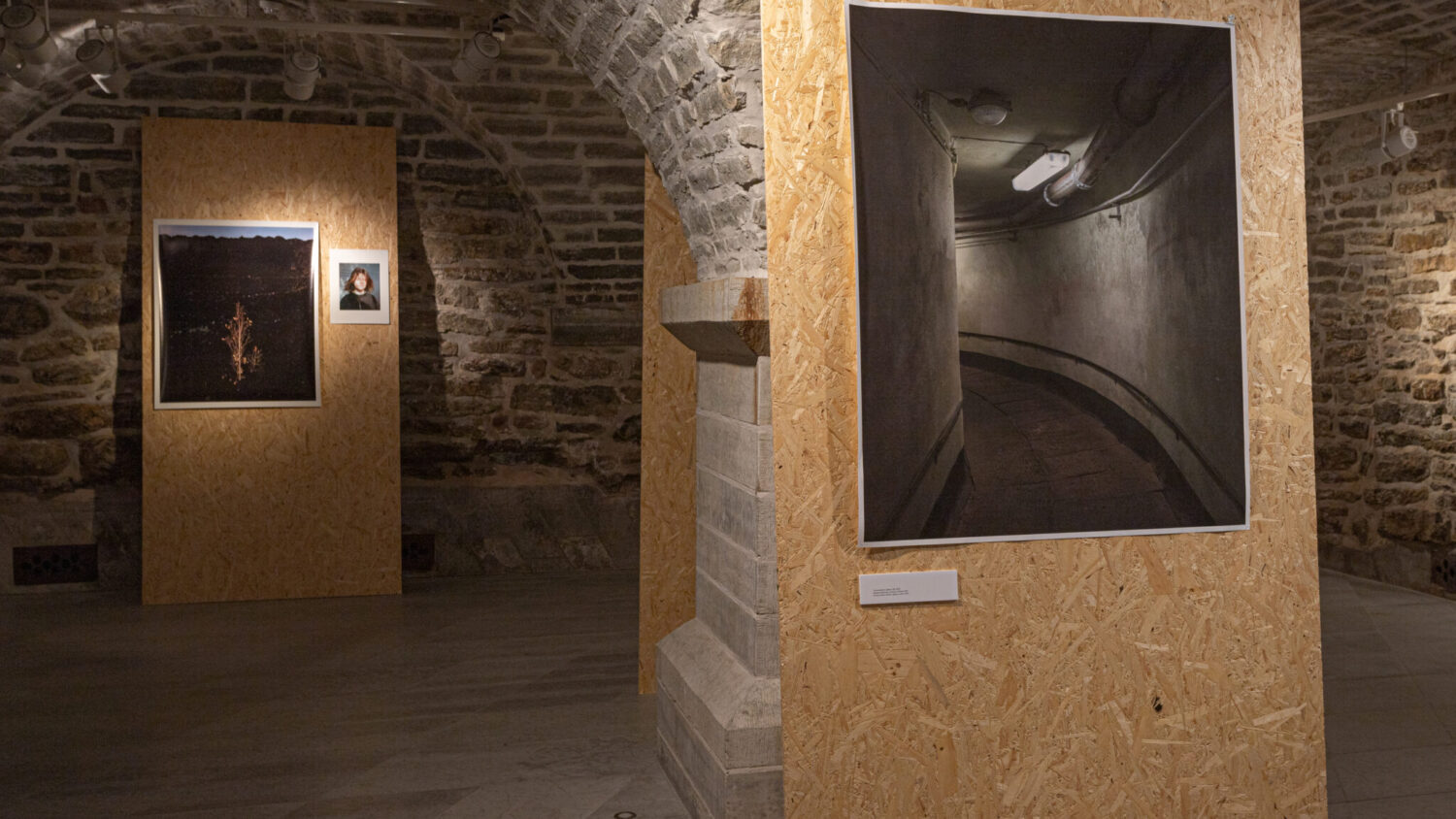
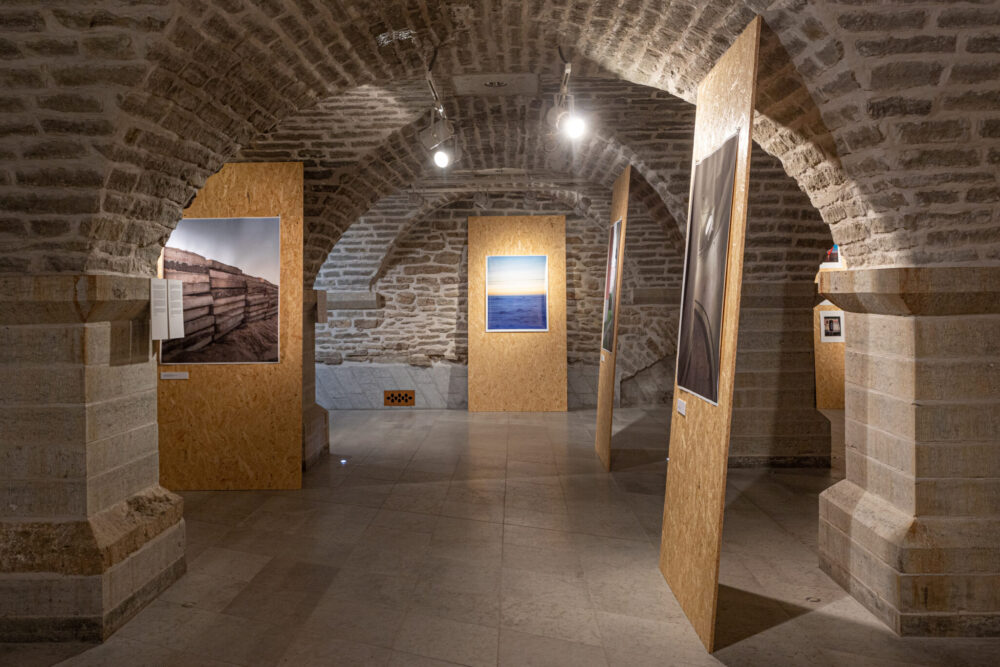
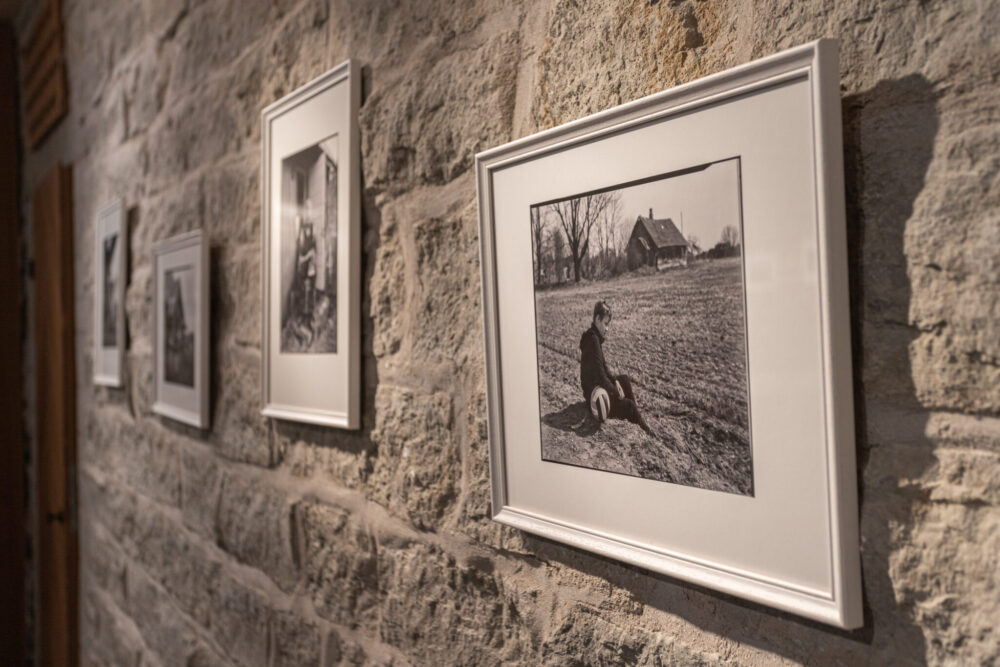
The international photography exhibition All Quiet on the Eastern Border presents the latest results of the documentary photography project by Luca Berti, Anthony Haughey, and Raphaël Gianelli-Mariano. The exhibition focuses on Europe’s and NATO’s eastern border not only as a geographical line, but also as a historical, cultural, psychological, and perceptual reality.
Through the works of these three artists, the exhibition examines both the physical and invisible borders that still exist in people, language, memory, and emotions, as well as the polarizing division between “us” and “them.” In the context of Narva, this has special significance, as the border is part of the city’s everyday urban and social experience. The exhibition is curated by Kaisa Eiche — an artist, curator, art event organizer, and critic. She studied photography at the Tartu Art College and has been participating in exhibitions since 2003. She is currently the acting head of the Photography Department at Pallas University of Applied Sciences and a member of the Estonian Artists’ Association and the Association of Photographic Artists (FOKU). The exhibition is on view at the Gallery of the University of Tartu’s Narva College until December 1.
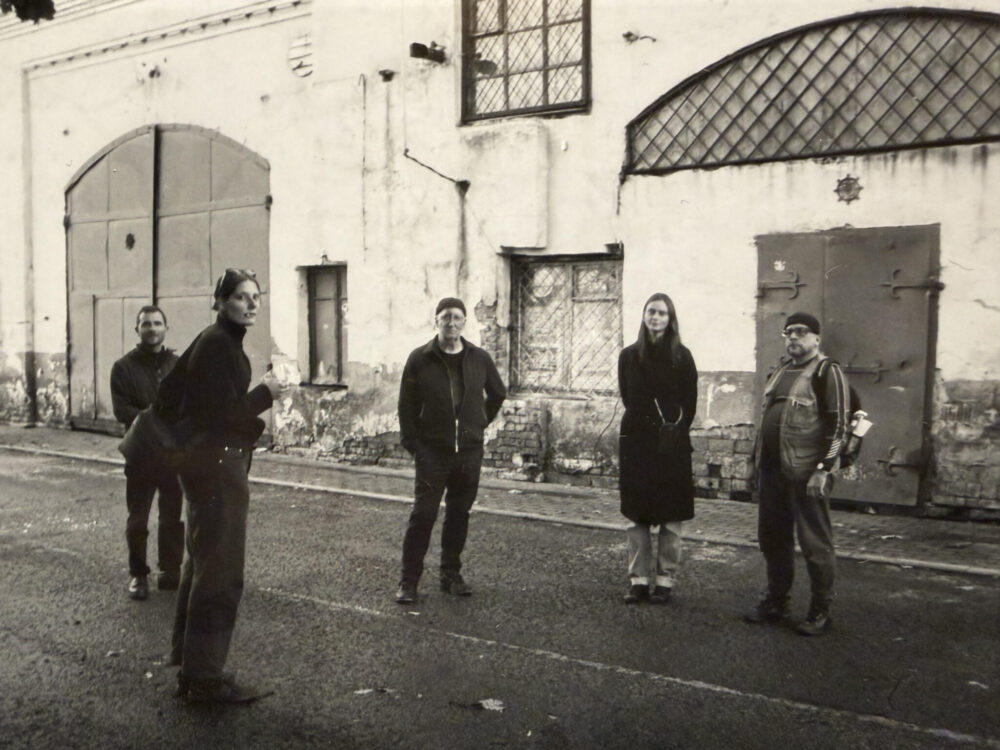
How did the idea for the exhibition project come about, and how were the artists selected?
The idea grew out of several overlapping situations: the war in Ukraine, my own artistic practice and interest in the topic, the visibility of the eastern border of Europe in politics and the media, and the work I do at the Photography Department of Pallas University of Applied Sciences, where all three artists have had a connection over the years.
There was also a practical reason for bringing the projects together at this moment. All three bodies of work are still ongoing, so the exhibition functions as a benchmark: a public presentation of the images produced so far. This helps to test the works in dialogue with audiences, increase visibility, build trust in the communities where the artists are working, and make the projects more visible to foundations, institutions, or people who could support their further development. And I am grateful to have this insight and opportunity to learn together with them.
So the exhibition is not a final statement, but more like a platform for continuing work — a way to show what has already emerged, while also creating conditions for the projects to grow.
Topic-wise, I was interested in the artists’ works because they were not simply illustrating the border as a geopolitical line, but were working with borderlands as complex spaces shaped by memory, vulnerability, and ongoing historical tension. Luca Berti, Anthony Haughey, and Raphaël Gianelli-Meriano all approach these questions differently, but each of them works through long-term engagement.
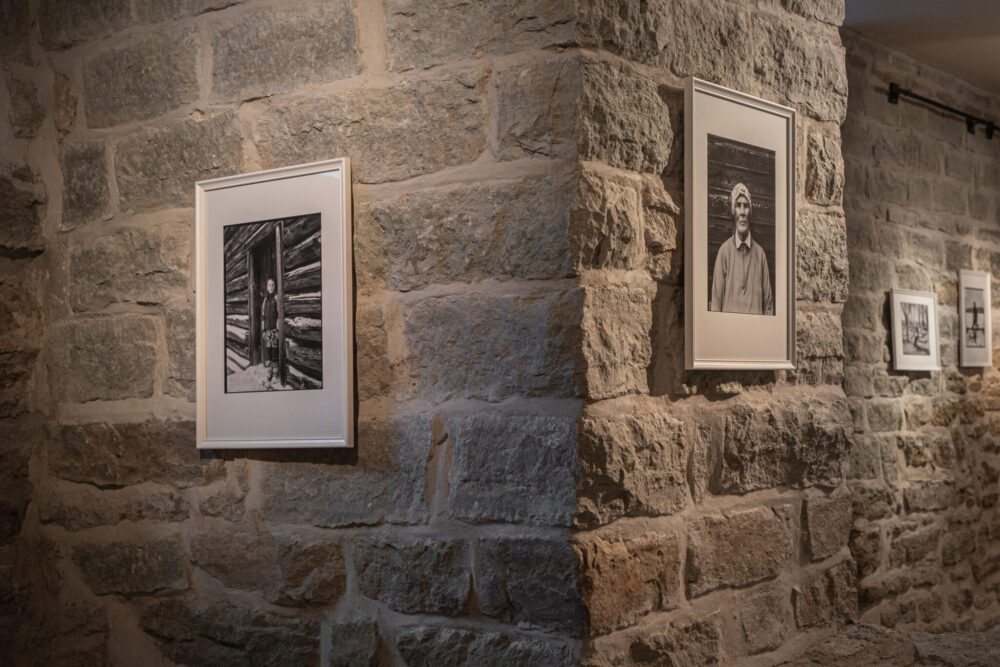
Luca’s work in Setomaa is connected to rural culture, analogue photography, and disappearing ways of life. Raphaël’s project in Ida-Virumaa deals with imperial industrial memory, complex identities, and the feeling of being in a “grey zone.” Anthony brings a wider European perspective and scope, as he is documenting the eastern border of NATO, looking at shifting borders through the long aftermath of 1989.
So the exhibition was not built around one single concept of the border, but around three different ways of moving through it, observing it, and trying to understand it in a wider sense.
What surprised you most during the process of bringing these three projects together?
I don’t recall any particular surprises, but I truly admire the artists’ dedication to and motivation for their research and projects.
An exhibition by Latvian photographer Reinis Hofmanis titled Borderland, which explores this very same theme, took place in Riga very recently. In your opinion, what does the perspective of photographers from other countries bring to the discussion?
First and foremost, I think this is an important discussion that we all need to have within ourselves, in our own countries, and then with one another across the Baltics and Europe.
I feel that the current public discussion in Estonia carries a lot of unresolved trauma that continues to affect younger generations. I understand that some of us have experienced great pain in the past due to war, deportations, and the policies of the Soviet occupation. My own relatives have, too. I was born in the Soviet Union. But do younger generations need to carry that pain with them, or can we at least allow them to grow up free from hatred? These are the discussions we need to have within our families and communities.
Why does Putin feel confident enough to publicly claim that Russian speakers are being bullied in the Baltics?
I believe that meaningful integration happens in our daily lives, through the ways we treat the people around us. Yet I am not suggesting that integration is an easy process, either for the people directly affected by it or for those who are expected to make it work in practice.
I also understand that people who live far from the Russian border or who have never experienced life under occupation may find it difficult to relate. However, an outside perspective is incredibly valuable, especially when people bring their own experiences to the table and are willing to share and discuss them.
For me, the most interesting part is when these different experiences meet. The foreign gaze can never really replace local voices, but it can create a dialogue in which different perspectives reflect one another. This can help us recognise both our differences and the experiences we share, and perhaps build more trust and understanding around something that is deeply complex, not only to think and talk about, but also to live in.
Looking ahead, I would also be interested in collaborating with artists from across the Baltics, bringing these different perspectives together.
You write that art can create a space of solidarity when ordinary social and political language struggles to contain human experience. What can photography communicate about the current situation that political speech cannot?
I think photography offers a different way of approaching realities that are usually discussed through politics. Political discourse tends to establish positions and simplify complex situations, while photography can allow contradictions and individual experiences to coexist. Of course, photographs and videos are already part of political communication. They are used to support arguments, shape public opinion, and also manipulate it. So the question is what changes when we encounter these images in a new context.
I believe art offers us a different framework for looking at and interpreting photographs. In the news, images are often expected to confirm a narrative. In an exhibition, we can slow down, let our emotions cool down as well, reconsider what we see, and question our own assumptions. We all carry certain prejudices.
When discussing the eastern border, we often focus on security, polarisation, national identity, history, or failed integration, while the everyday lives of people living in these territories remain unseen and overlooked. How many people do we know who actually live near the border? And as a border country, how many people from Western EU countries know us personally? What interests me about All Quiet on the Eastern Border is the artists’ long-term engagement with these places. They return, observe, build relationships, and develop their understanding over time. Politicians, on the other hand, tend to operate differently.
The exhibition brings different perspectives into dialogue without forcing them into one political message. This is where solidarity can begin. Not necessarily by sharing the same opinions, but by being willing to look, listen, and acknowledge realities beyond our own. I also understand that solidarity and belonging are different things. I would like to talk about fear (of change) without spreading fear and polarisation myself. My intention is the opposite.
The exhibition in Narva has been open since the beginning of September – what has the public reaction been like? Has anything unexpected happened?
I’ll tell you a story. It was quite difficult for me to organise an exhibition in Narva because I don’t speak Russian, and most of the population there is Russian-speaking. But you don’t really understand the situation until you’re there, experiencing these difficulties yourself. Even simple practical things, like trying to buy something or arrange a delivery, can become complicated. Thankfully, we had a team member who spoke Russian, so we managed to get things done.
There was also an administrator working at the university with whom we communicated through a translation app. She helped me check the Russian translations of the exhibition texts. She went through all of them, corrected the mistakes, and I was very grateful for her help.
On the evening of the exhibition opening, as she was closing the building, she came up to me and said kindly, “I read all these texts, and I think it’s a very interesting exhibition.”
And that made me think. Maybe sometimes it’s simply about hearing a different voice from the ones you’re used to hearing. A voice that speaks to you in a different tone, helps shift your mindset, and takes you out of your usual way of thinking.
What other projects are you currently working on?
I recently opened an exhibition at Fotografiska Tallinn called My Story Is…, featuring students and alumni of the Photography Department at Pallas University of Applied Sciences. It’s a project I’ve been curating since 2023, bringing together personal and often hidden stories explored through personal narratives and unconventional representations of family through photography. The young artists question what family photographs reveal, what they leave out, and how we construct our ideas of belonging, identity, and relationships. The exhibition is accompanied by the publication Love Letters, which includes documentation of past exhibitions and love letters written by the artists. It’s also the first exhibition in Fotografiska Tallinn’s new Community Gallery, and it’s open until 29 November.
I would also like to continue with All Quiet on the Eastern Border and bring the exhibition beyond Estonia, to Riga, for example. Or elsewhere. I think the conversation about borders (inside and outside of us) is especially relevant across the Baltics, and it would be interesting to continue it in a different context. So, if anyone knows of a gallery or institution that might be interested in hosting us, please let me know!
Thank you for taking the time.
Questions for the photographers:
- What are the main themes you explore in your photography, and how does this project relate to your creative journey?
- How would you compare your knowledge and understanding of the situation on Europe’s eastern border before you began these photographic projects with your understanding of it now?
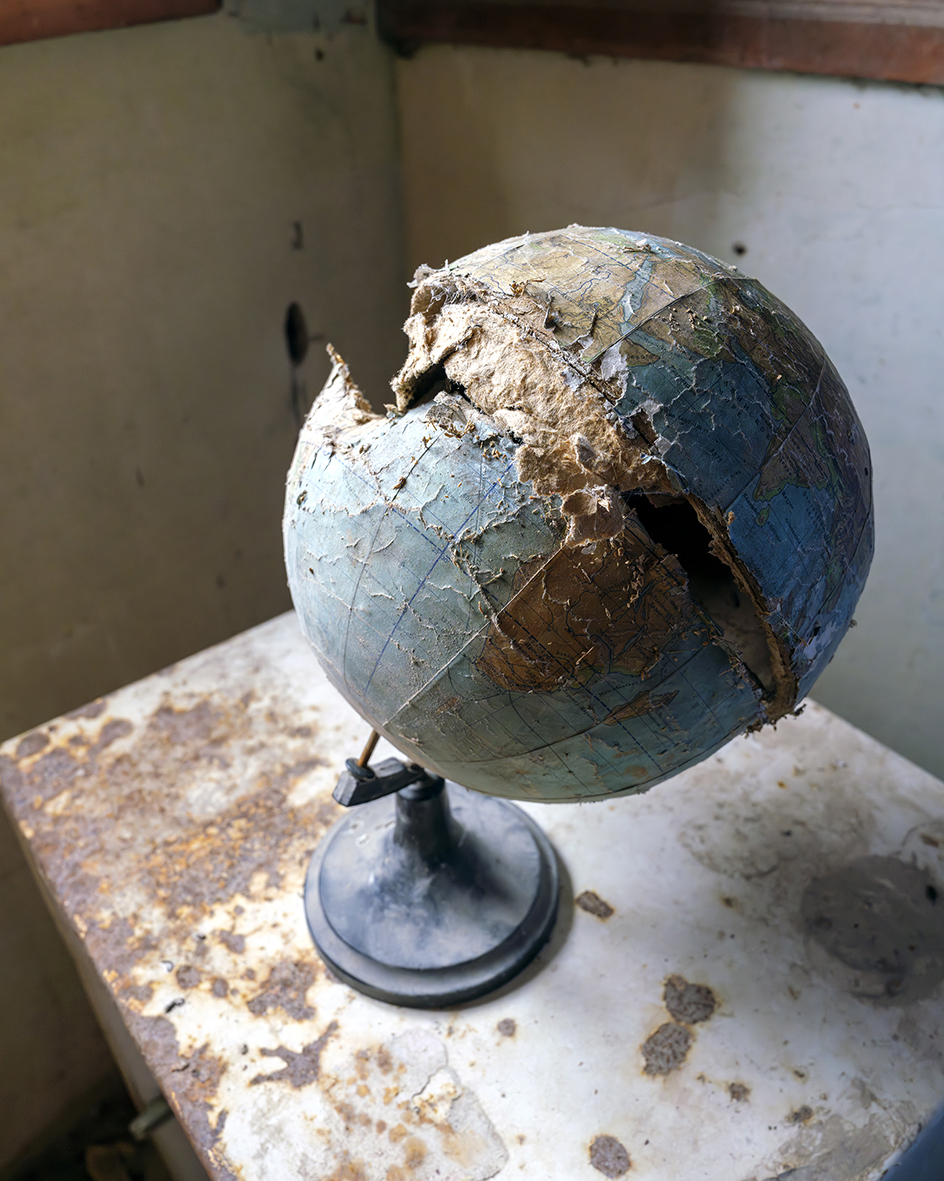
(1) Borders and the movement of people have been central to my art practice for more than two decades. Disputed Territory (2006) examined contested territories in Ireland, Bosnia, Kosovo, and elsewhere, while Citizen (2011) considered the border in relation to migration and the idea of “Fortress Europe.”
This work raises difficult questions: Who belongs? Who has the right to move? Who controls territory? And how do political borders become embedded in ordinary landscapes and people’s lives? Through the visual representation of landscapes and traces of the past, the work examines how power and ideology are inscribed in place, revealing the ways in which histories, political structures, and competing claims to territory continue to shape the present.
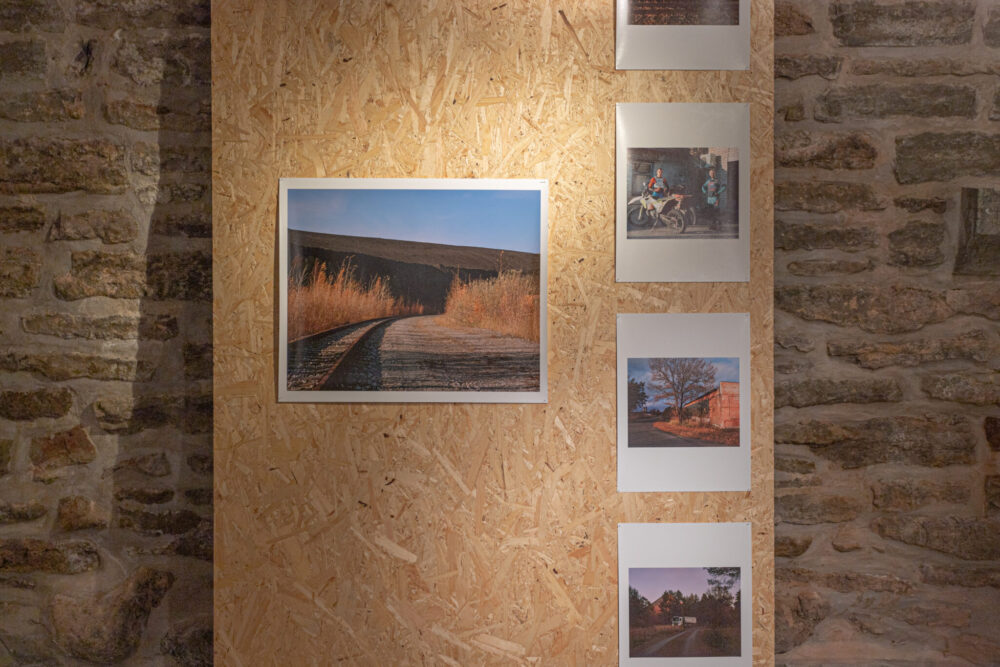
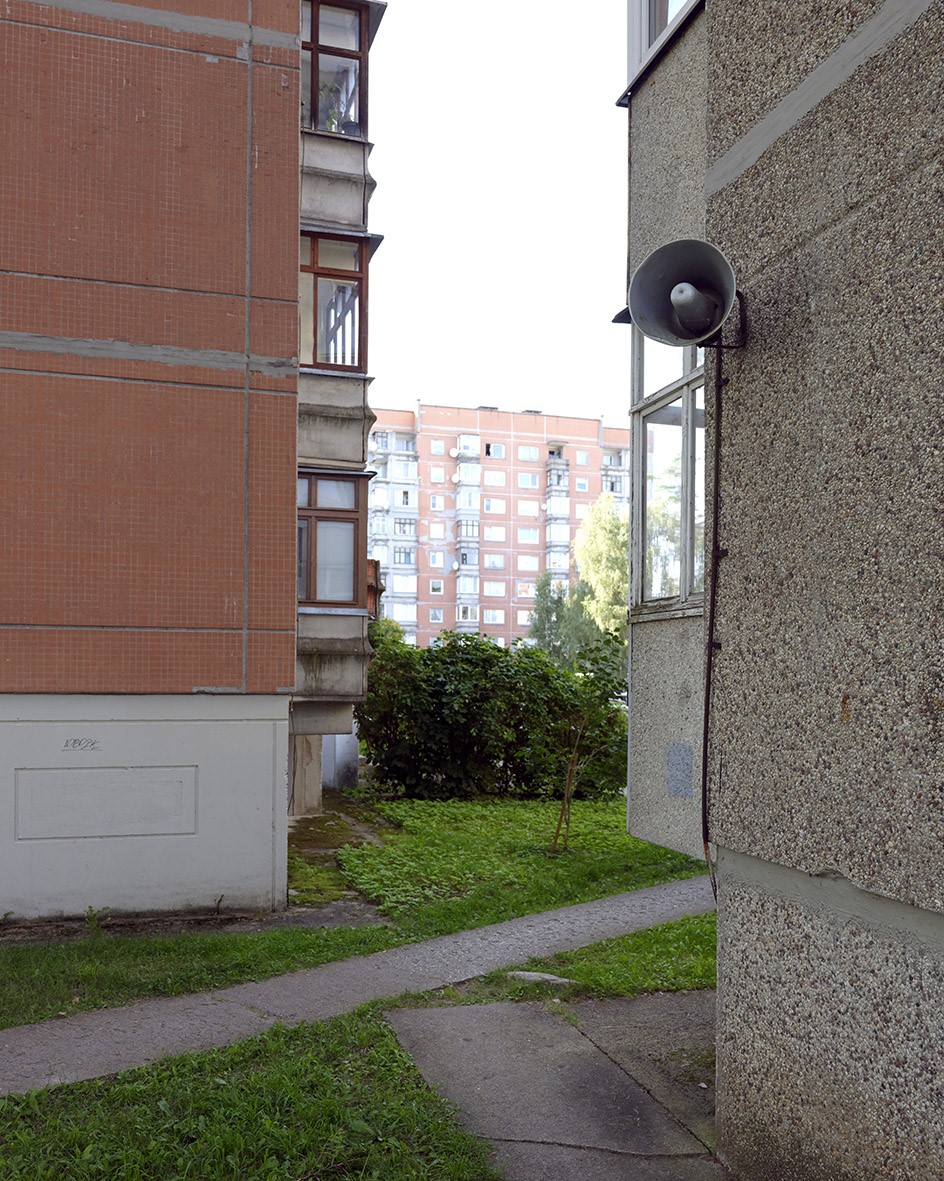
Eastern Front confronts a landscape in which historical tensions, military alliances, and the possibility of future conflict remain active and visible. I am not interested in conventional representations of military action or journalistic spectacle. Instead, I examine how geopolitical forces become embedded in ordinary places and everyday experience: roads, borders, settlements, infrastructures, signs, and landscapes, as well as the people who live in proximity to borderlands. Through these encounters, the work considers how histories of conflict and competing ideologies become inscribed in place, and how the traces of the past continue to shape the present.
(2) When I first began to engage with questions of borders and contested territory in the 1990s, my understanding of Europe’s eastern border was distant and largely shaped by historical accounts, political discourse and mediated images of conflict. However, I had some firsthand experience of the region. In 1989, the year the Berlin Wall fell and what appeared to signal the end of the Cold War, I was in Poland studying film for a few months. At the time, the political transformation taking place across Eastern Europe seemed to mark the beginning of a new era and the emergence of a more open and integrated Europe. In retrospect, that period of optimism proved to be remarkably short-lived.
The process of developing Eastern Front has fundamentally altered my understanding of and relationship to, Eastern Europe. Through travelling through and spending time in borderland environments, researching their histories and encountering the people and places that inhabit them, I have come to understand borderlands as complex and lived spaces rather than simply geopolitical territories. Roads, forests, settlements, military infrastructures, monuments, signs and everyday encounters reveal how geopolitical tensions are experienced locally and how histories of conflict remain present within the landscape.
My own experience of living in proximity to the border in Ireland has given me some insight into the psychology of living in a borderland: an awareness of invisible divisions, contested histories, shifting identities and the ways in which political boundaries can become part of everyday consciousness. While the histories and circumstances of the eastern European borderlands are very different, this personal experience has provided a point of reference through which I can begin to understand how borders are not simply lines on maps but lived realities that shape people’s sense of place, belonging and security.
The project has also made me more conscious of the limitations of my own position as an artist coming from Ireland and approaching these places from outside. Rather than seeking to offer a definitive account of the region, Eastern Front has become a process of looking, listening, researching and questioning – an ongoing process in which my own assumptions are challenged by the realities I encounter. The project has shifted my understanding of political frontiers from fixed geographical lines to constantly shifting and contested spaces in which history, identity, security, migration, memory and contemporary geopolitics intersect. It is within these spaces, and through the lived experiences of the people who inhabit them, that the complex relationship between borders, place and power becomes visible.
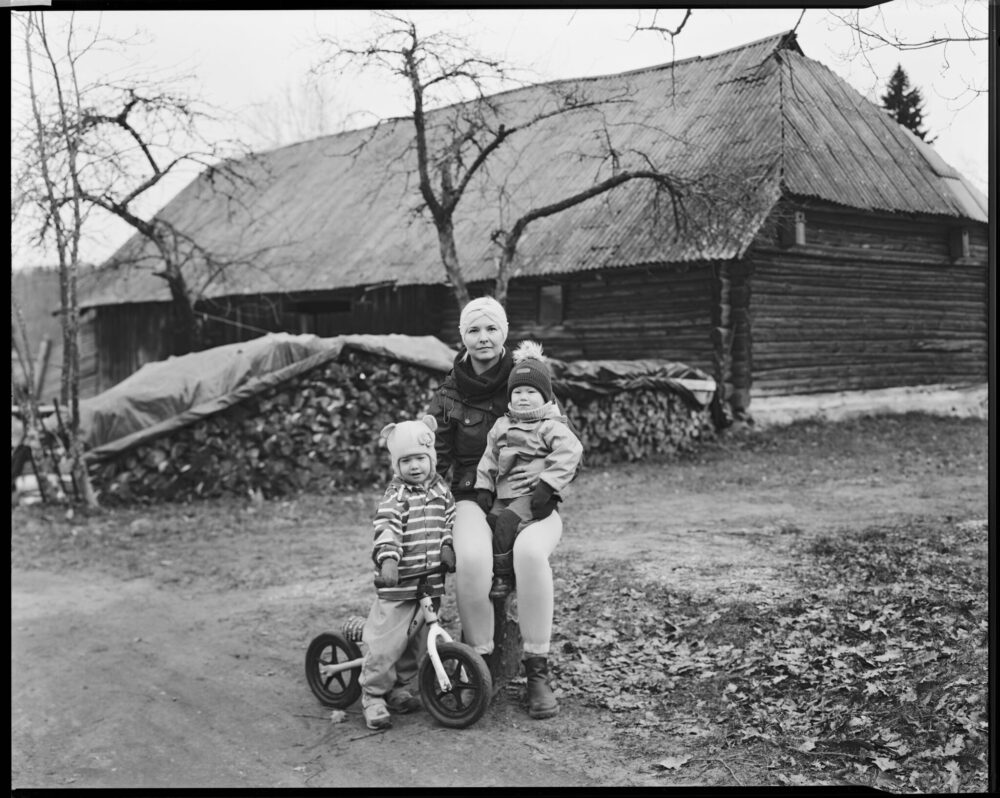
(1) The themes explored throughout my career as a photographer centre around the relationship between Man and Nature and their declining coexistence. I explore these themes by documenting disappearing rural cultures across the Nordic and Baltic countries using a classic large-format analogue camera. Using analogue photography allows me to treat the process like painting, taking time with each step. By travelling mainly by bicycle and working with analogue photography, I experience the slow rhythm of nature and how rural cultures live alongside it. My recent project in Setomaa is the perfect continuation of this journey. The farmers and villagers I photographed there are a strong representation of the deep resilience of communities that refuse to be forgotten, which I set out to document in my lifelong project, Man and Nature.
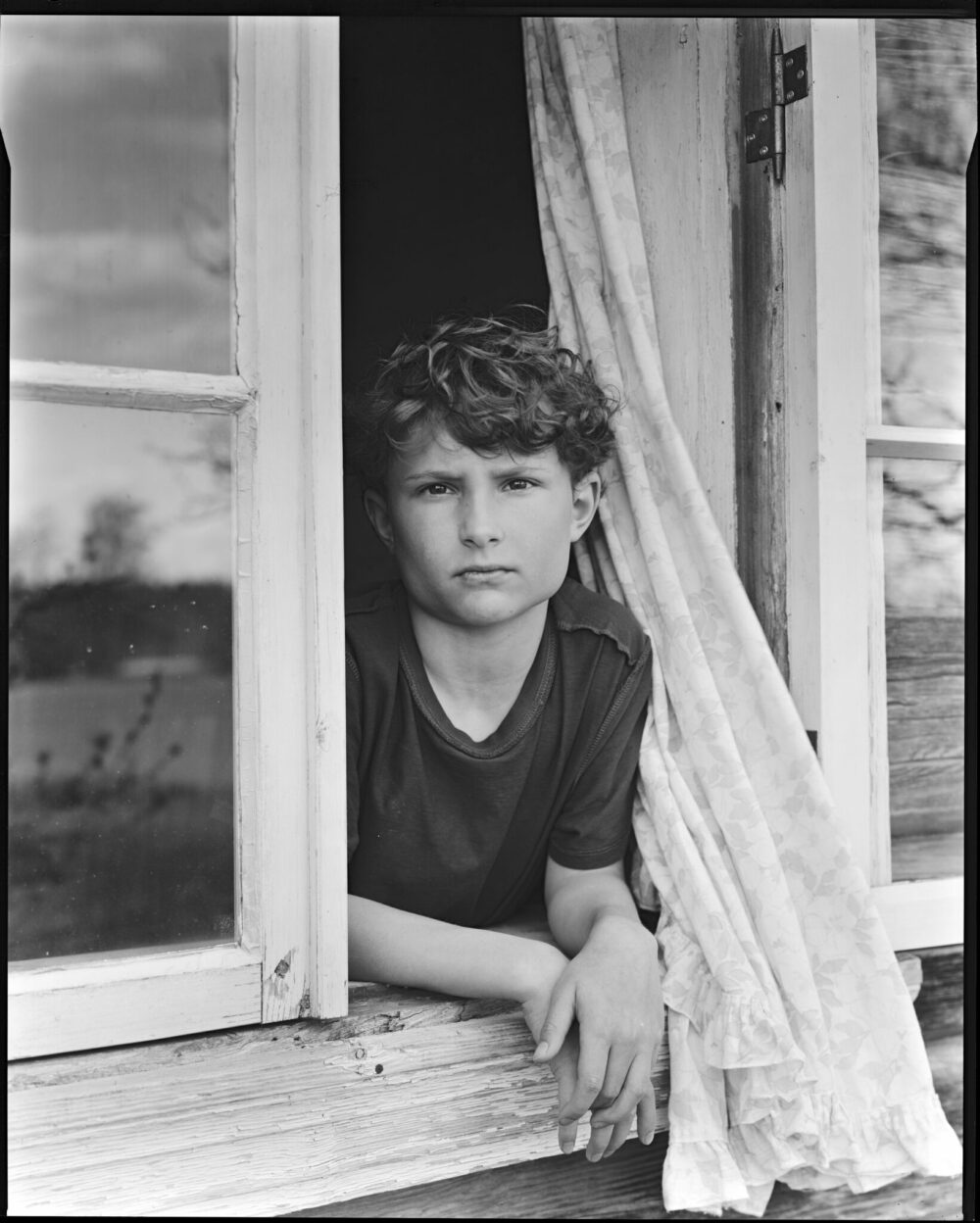
(2) My fundamental knowledge remains the same, but the reality on the ground has changed drastically for the worse. When I began the Seto project in 2021, the original idea was to document Setomaa on both sides of the border. Following the outbreak of the war in Ukraine, photographing on the Russian side became a total utopia. Today, it is completely impossible, though I still hope to finish that part of the project once things return to normal.
I have always seen Setomaa as both a geopolitical and a cultural boundary. Politically and geographically, it directly borders Russia. These days, security is so tight that you cannot even approach the border without the Estonian border police checking your intentions. In my opinion, Setomaa is culturally a country of its own. It exists in its own space, defined by a unique language, religion, traditional culture, and a noticeably slower pace of life.
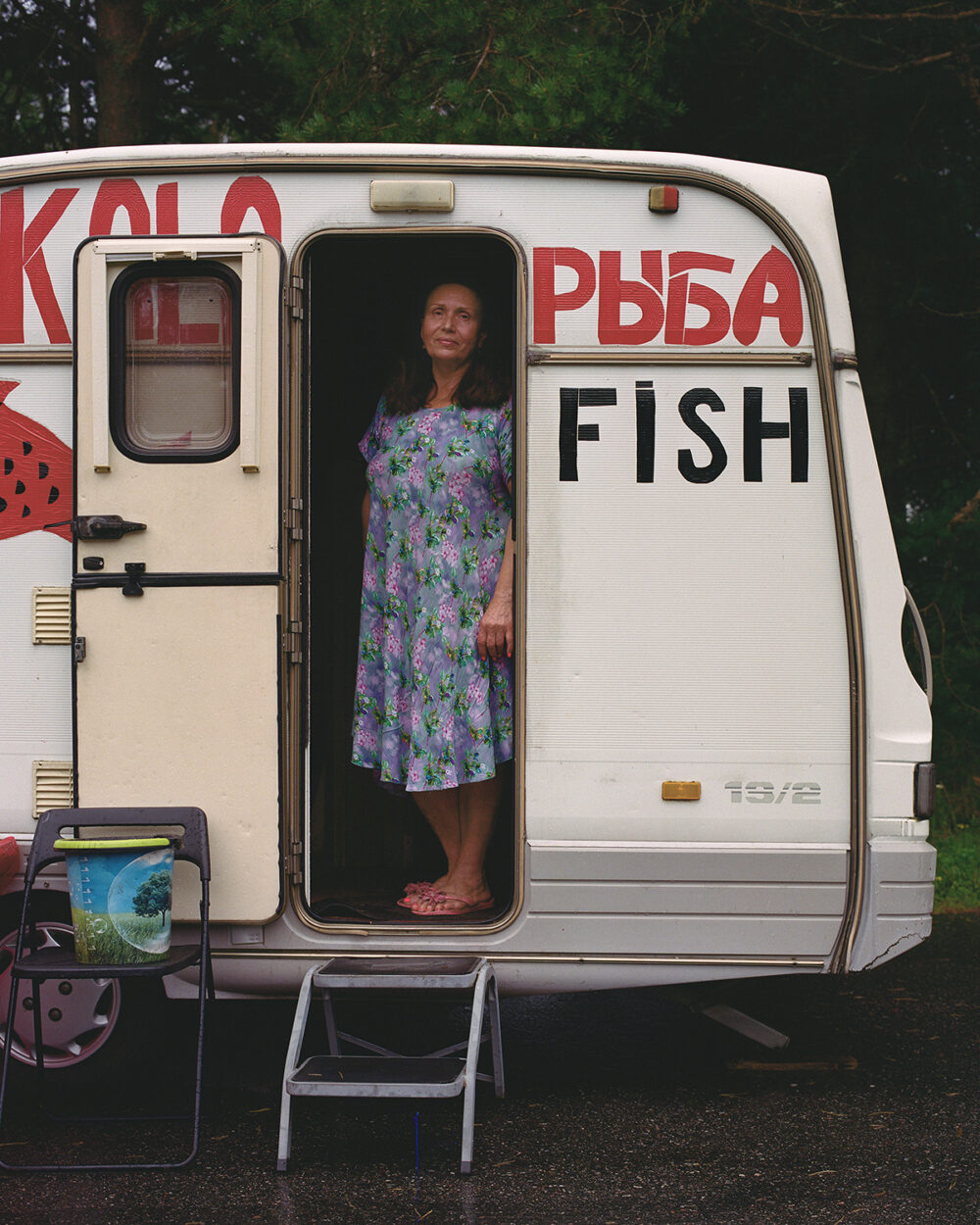
(1) Through portraiture and landscape photography series, as well as documentary films, I explore topics such as what I call “Turning points” in people’s life – a moment of change in one’s life, and the notion of “Home”, documenting how people inhabit it and how, in return, it inhabits them. These are two themes that constantly emerge from my varied body of work from the last two decades, from books to exhibitions to documentary films.
I’m an intuitive person, so my approach to individuals or a territory is mainly done through the physical act of photographing, with a phenomenological approach. Through that process of production of images, along encounters and testimonials that I gather, slowly emerges the thin red thread of what will become a series or a film. This process allows me to create a space for story-telling. I am neither a scientist nor a journalist so I would compare my work to that of a poet, finding my own means of expression from the physical world around me and expressing my own visual language through images edited and later presented together via different medias.
I’ve been traveling and working across Estonia in a similar manner for the last two decades, taking portraits and photographing landscapes that became a first photography book (About Estonia, Argo publishers, 2005), later a documentary film (The Kaplinsky System, 54mm, Allfilm and Eaux Vives production 2012), multiple exhibitions, then more recently, another book (Letters Home, 1991Books, 2019) and now the Ida-Virumaa. Grey Zone project (both photo and film). Both works were made against moments of change: in The Kaplinski System Jaan Kaplinski deciding to take a new direction in his writing; in Letters Home friends become parents and build their “home”. The Ida-Virumaa project continues this relationship to Estonia. Ida-Virumaa is a complex region, with its industrial and post-Soviet legacy, a large Russian-speaking community and its border position, altogether raising questions of belonging. Within this context I continue to explore those themes, portraying a region whose sense of home is being tested by Russia’s war of aggression against Ukraine and its parallel hybrid warfare. It is a moment of Turning Point for the region, Estonia and Europe.
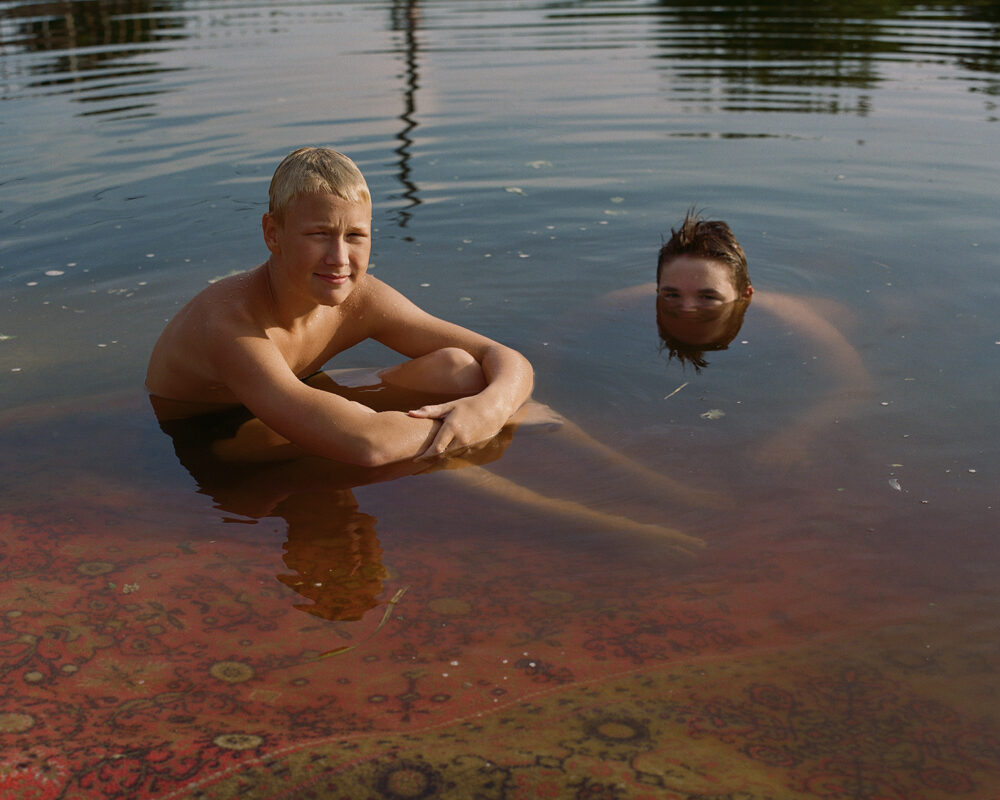
(2) My first experience of the Estonian border with Russia was when I took the train from Tallinn to Moscow and back in the summer of 2006. It was an experience of the line dividing the two countries, with the train stopping at 4 a.m. on the way back and having to fill in papers in the Cyrillic alphabet before re-entering Estonia. It was close to what people fantasise about: border guards questioning the presence of several cameras in my bags, the analogue films, me travelling alone, etc.
In 2010 and later, while interviewing Jaan Kaplinski and other intellectuals and former dissidents from the Soviet period for my documentary film The Kaplinski System, the border became more of a historical and political process within the Estonian population, marked by the year 1991 and the restoration of the independence of the Republic of Estonia.
Nowadays, apart from the physical border, such as the Border Station in Narva, the Narva River, or Lake Peipsi, my awareness of the border has developed through two unexpected experiences: hearing the concerns of the students I teach at Pallas University of Applied Sciences in Tartu about their future, directly linked to the current situation, and through a question that Estonian friends and new acquaintances regularly ask me: “How do French people feel about the situation here in Estonia?”
I understood that the border is “Their Present”. It is constantly there, in the back of people’s minds, here in Estonia. The border is part of their emotional lives, not a point or line on a map, but a phenomenon that is in constant negotiation within oneself. For me, it has not been like this. I write it in the past tense because I feel it is slowly becoming part of my life, a new notion I have to negotiate with myself and find where I stand, both within my work and as a human being.
That question made me realise how much I carry with me. Working on such a complex topic as Ida-Virumaa, I am aware of the fact that, as a French citizen and a foreigner, and despite knowing Estonia very well, I carry a blueprint. It is inevitable. This blueprint is shaped by my own background, the media in France and Europe, cultural differences, the language barrier, and much more. I have worked in Estonia for the past twenty years, and this experience has already shifted my view more than once, but living in Narva is a different kind of learning. That is why I have decided to commit to this project over a long period of time.
I try to slowly erase this blueprint, like the sea does to a rock, transforming it into smooth, rounded pebbles through erosion. This allows me to look at things from ground level and slowly reshape my point of view. One thing I have learned here in Ida-Virumaa is that, despite the tensions the news keeps talking about, people still dream about their future, and many young people hope to fulfil their dreams here in the region, not abroad. Perhaps it is my own turning point that I am also documenting through this work.