A New Home for Photography in Vilnius. 10 minutes with Tadas Kazakevičius
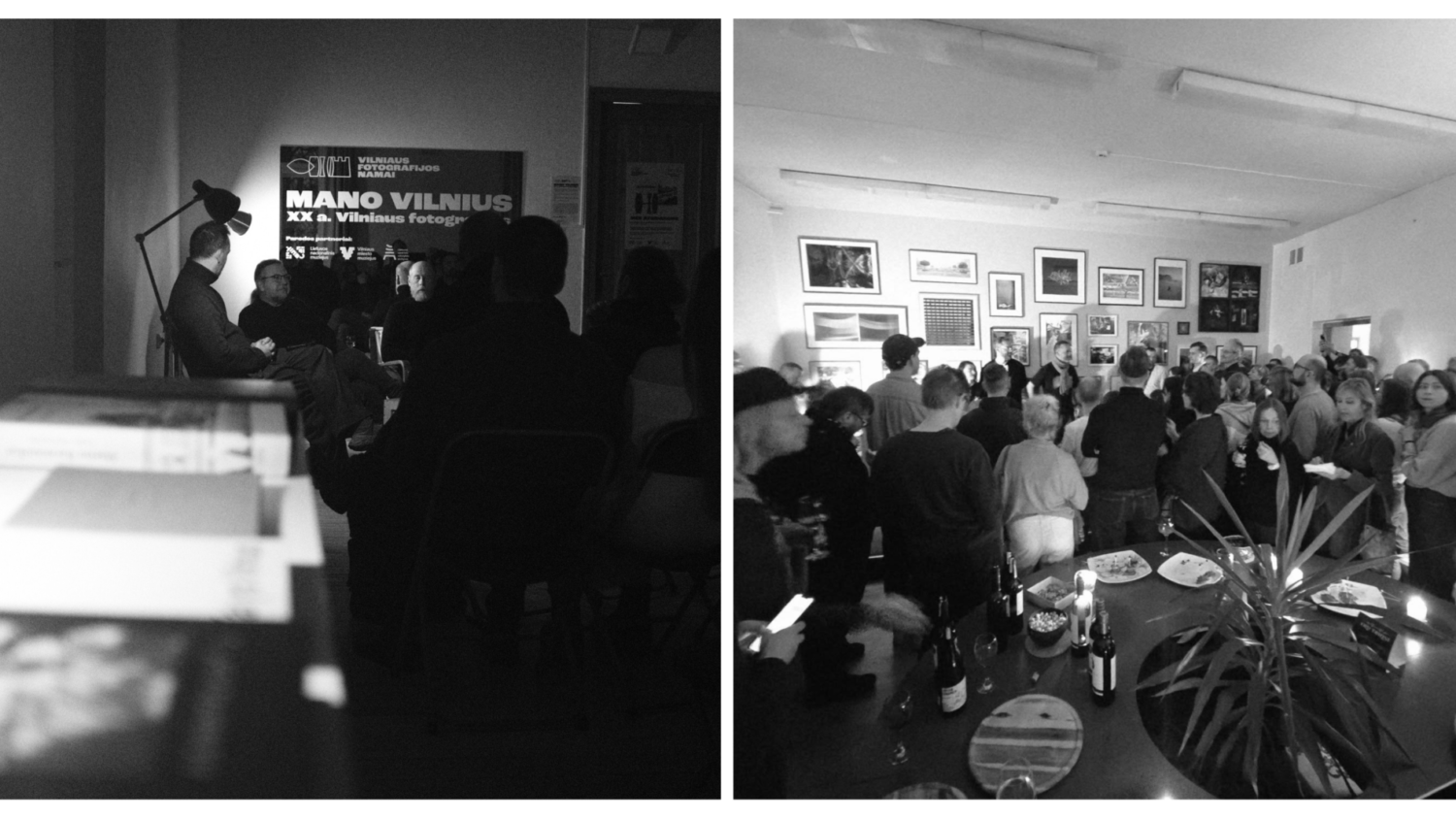
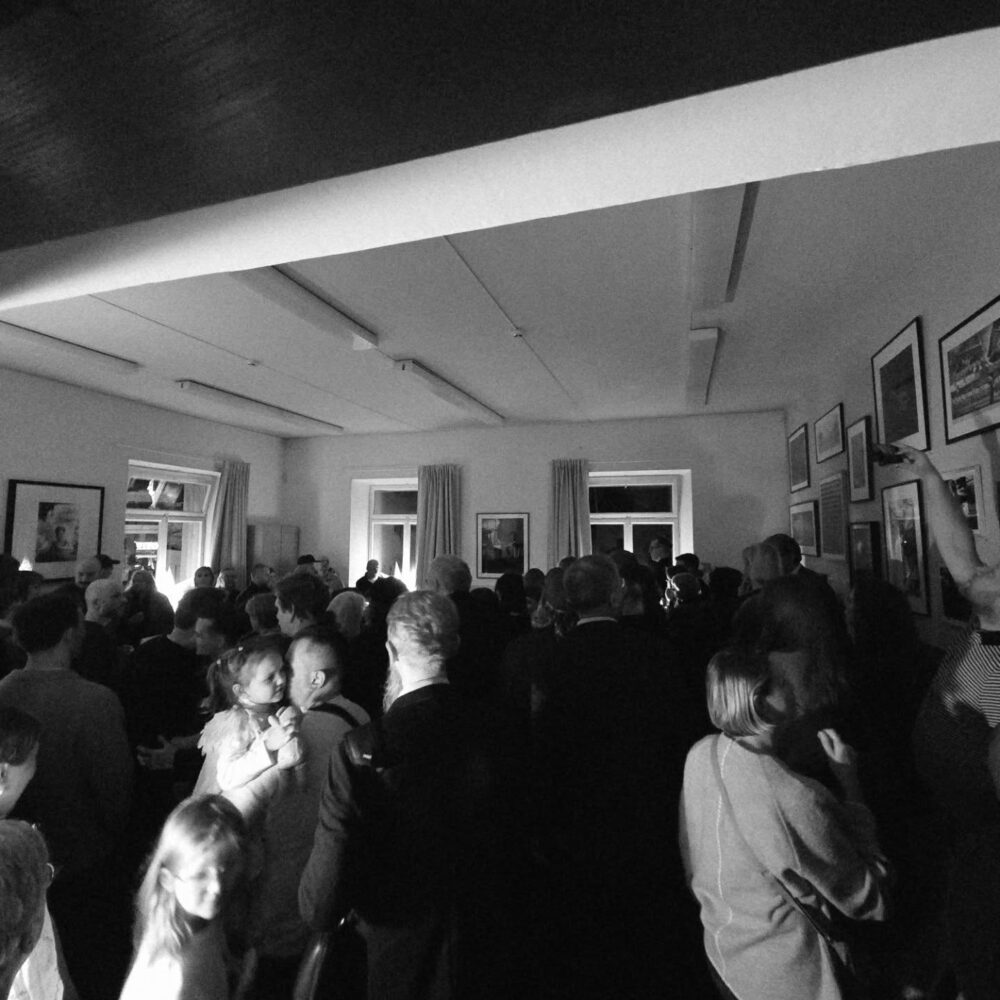
At the end of last year, on December 10, a new institution opened on the second floor of the Vilnius Culture Center: the Vilnius Photography House (Vilniaus fotografijos namai). Its purpose is not only to exhibit photographs capturing the city, but also to create a place where photographers and anyone interested in the field can meet. Visitors can purchase photographs and souvenirs, leaf through photo books, and enjoy a cup of coffee – the word “House” in the name was chosen very deliberately. The first exhibition held at the Photography House was a large-scale group exhibition entitled My Vilnius. 20th Century, in which everyone had the opportunity to participate.
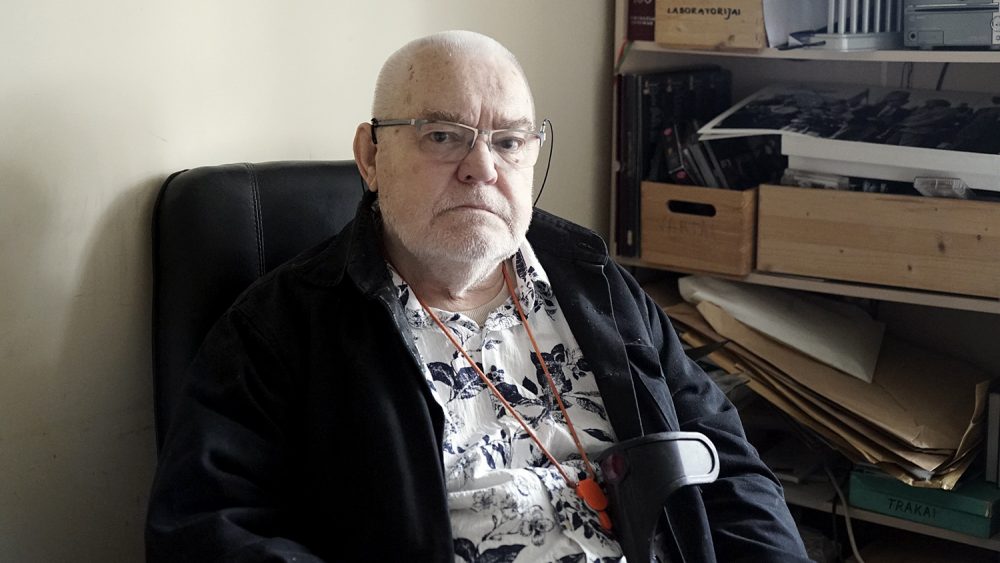
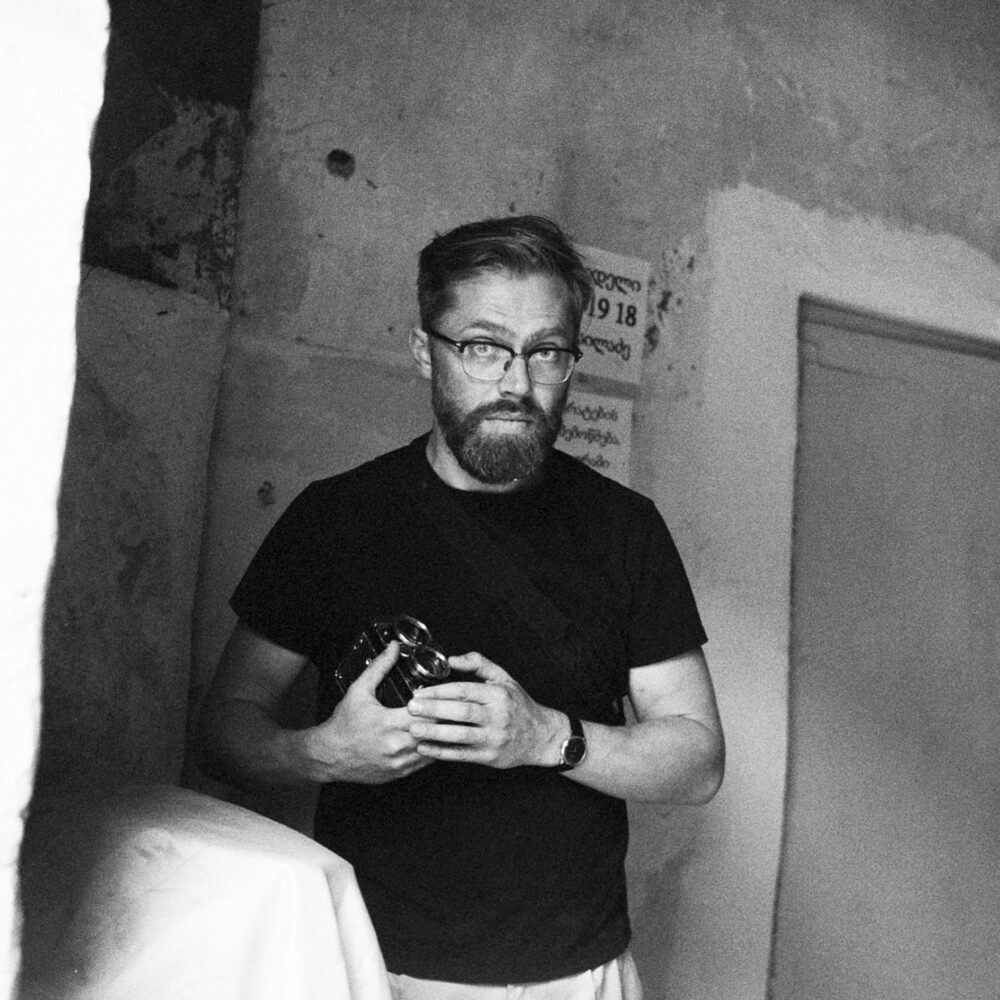
The Vilnius Photography House was founded by Tomas Ivanauskas, cultural attaché to Ukraine and Georgia, together with photographers Mariama Abšilava and Tadas Kazakevičius. Kazakevičius is well known in Latvian photography: he participated in the symposium Egona Spura ceļš (Egons Spuris’s Path) in 2020 and the International Pārdaugava Art Plein Air Exhibition in 2025, and his work has previously been published in FK, among others.
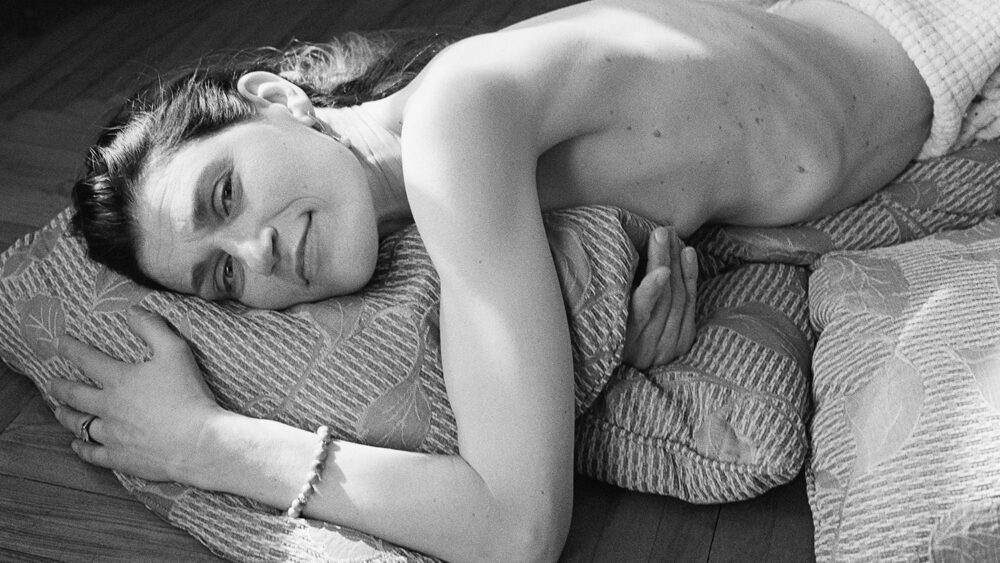
In his artistic practice, Kazakevičius focuses on documentary photography, primarily on human stories. His series Soon to Be Gone (2014–2018) and Between Two Shores (2018–2020) have received several international awards, including World Press Photo, Leica Oskar Barnack, ZEISS, and LensCulture Exposure.
What is the Vilnius Home of Photography and how was it established?
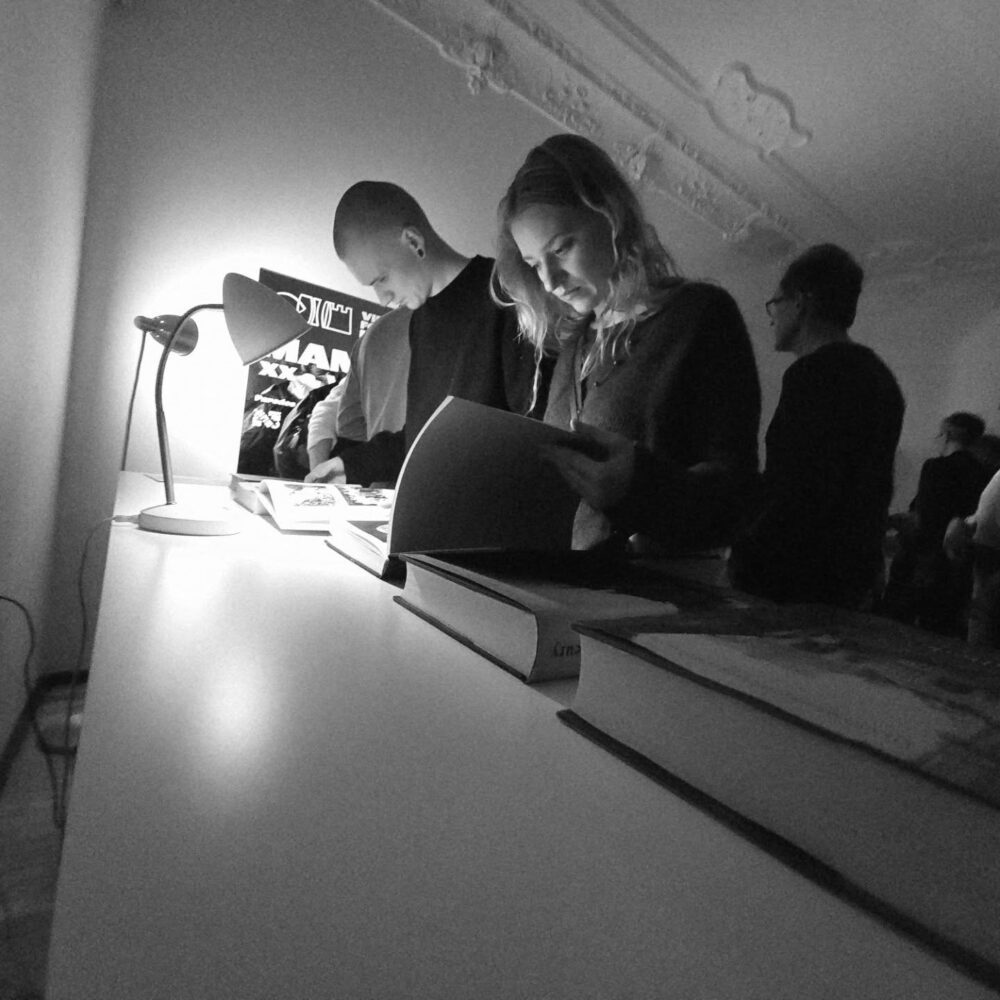
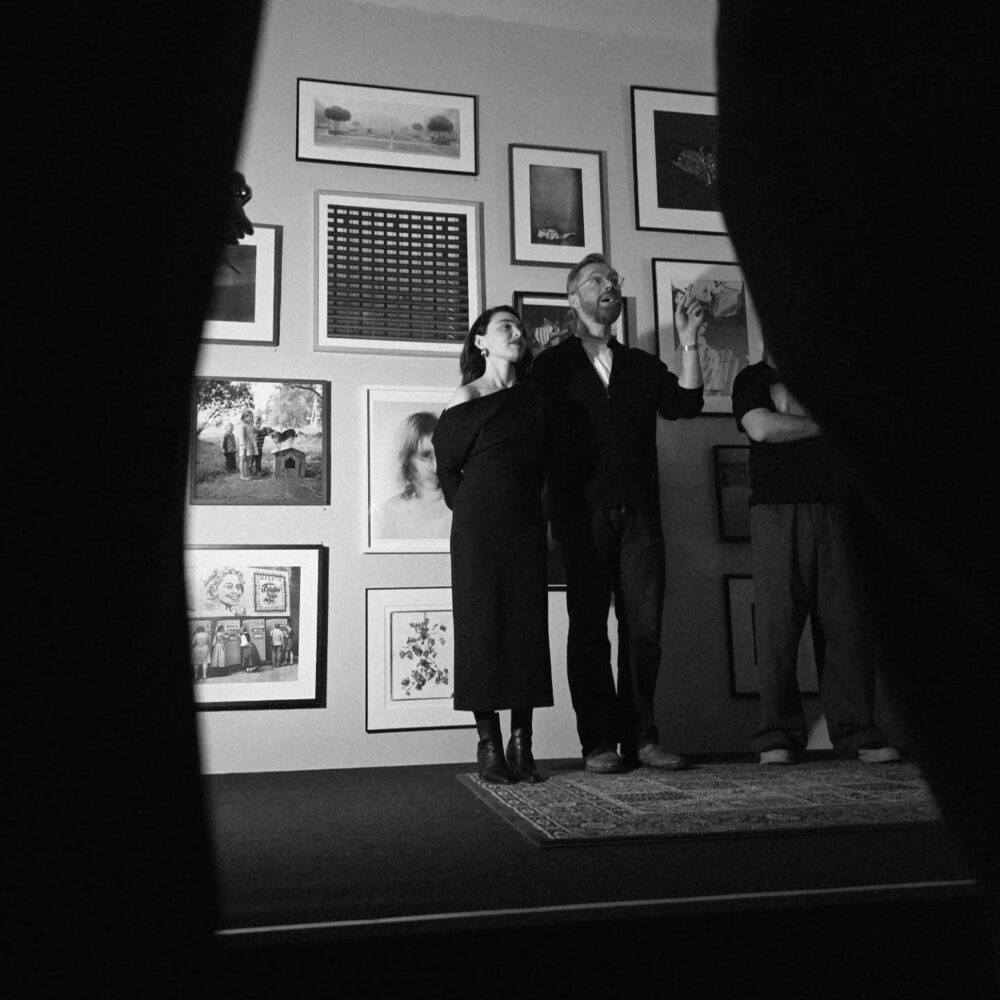
I like to call the Vilnius Home of Photography a dining room for photography. If it were my home and studio, I could share it with others – but it is not exactly my home, although in reality it kind of becomes one. It has a gallery, a library, armchairs, and the smell of coffee and tea… I hope this makes the picture clearer.
It is a home shared with my wife, Mariam Abshilava, and our colleague Tomas Ivanauskas, who visits us from time to time, as his work is mostly between Ukraine and Lithuania. He is the Lithuanian cultural attaché to Ukraine and Sakartvelo.
The Vilnius Home of Photography was established after many years of nurturing the idea of an open space for photography. I think Tomas and I had the same idea, but meeting each other and reassuring one another that it was possible encouraged us to pursue it. We managed to rent a beautiful space in the Vilnius Culture Center, and we could not allow ourselves not to try. One thing led to another – months of preparation followed, and now we are already in our second month of operation.
How important is the work of photographers in shaping the visual history of a place? Are there any striking examples of this in Vilnius photography?
I think it is one of the most important roles photography can have. At the same time, I believe that a photographer needs to fall in love with their surroundings in order to shape and reflect them meaningfully and to create real impact.
I truly believe we have several strong examples of this in history. We have the archives of Fleury and Bułhak, which allow us to see what Vilnius was like at the turn of the 20th century. We also have everyday photographs by very strong Vilnius photographers, such as Kunčius and others, which continue to shape the city’s visual memory.
What are your future goals – both immediate and long-term?
Our long-term goal is to become a well-known and frequently visited place on the map for Vilnius photographers and photography enthusiasts. However, I believe the most important thing is to get to know young talents and support them in finding their own visual language. I wish this place to be more important for a growing photographer rather than an already established one.
I hope it becomes a place where a photographer’s first photo album is read and where their first inspiring image is seen. And our immediate goal? To survive and become an economically sustainable place! 😄
How would you describe the photography scene in Lithuania in general? How do contemporary photography and amateur photography culture coexist?
I think we have an active amateur and professional photography scene, but I truly wish there were more connecting places where aspiring creatives and established professionals could meet, exchange ideas, and support each other along their paths. I also see very strong contemporary artists; however, I am more of a realist with a documentary-oriented sensibility, so it is difficult for me to comment in depth on that field.
I am, however, a big fan of our classical photography tradition.
Are there particular themes you feel are especially urgent or relevant for Lithuanian photography today?
I think there is a significant gap in documenting humanity today: documenting everyday life on a broader scale and documenting life in the regions. That said, this is only my view of the world, and I truly believe other photographers could offer very different and broader perspectives.
the Lithuanian School of Photography and its masters. Those are very big shoes to fill. 😄 Still, we are really trying.
Which photographers or artists are currently inspiring you?
I would not say that I will ever be tired of our classics. I very often return to the work of our masters such as Sutkus, Rakauskas, Macijauskas, Kunčius, Luckus, Požerskis, and Šonta. At the same time, I am deeply inspired by contemporary American documentary photographers. Part of my inspiration also comes from cinema – I never miss an opportunity to revisit films by Kiarostami, Tarr, or Angelopoulos.
What personal projects are you presently working on?
I am currently working on a project focused on people deported to Siberia. This is the second part of the theme and explores a broader perspective on the lives of deportees, concentrating on their memories. In 2020, I completed another series that told the story of Siberian orphans who were brought back to Lithuania in 1946. In addition, I am continuously expanding my long-term project on Lithuanian villages entitled Soon to Be Gone.